Karteikarten
Art History Exam 1 Picture Review
Karten in diesem Stapel (22)
- 1—Title: Nanna Zigurat
Artist/patron: King Urnammu (Unnecessary)
Date: 2100 BCE
Period: Sumerian
Culture: Sumerian
Medium: N/A
Location: Ur, M, Iraq
Sign: Its a capital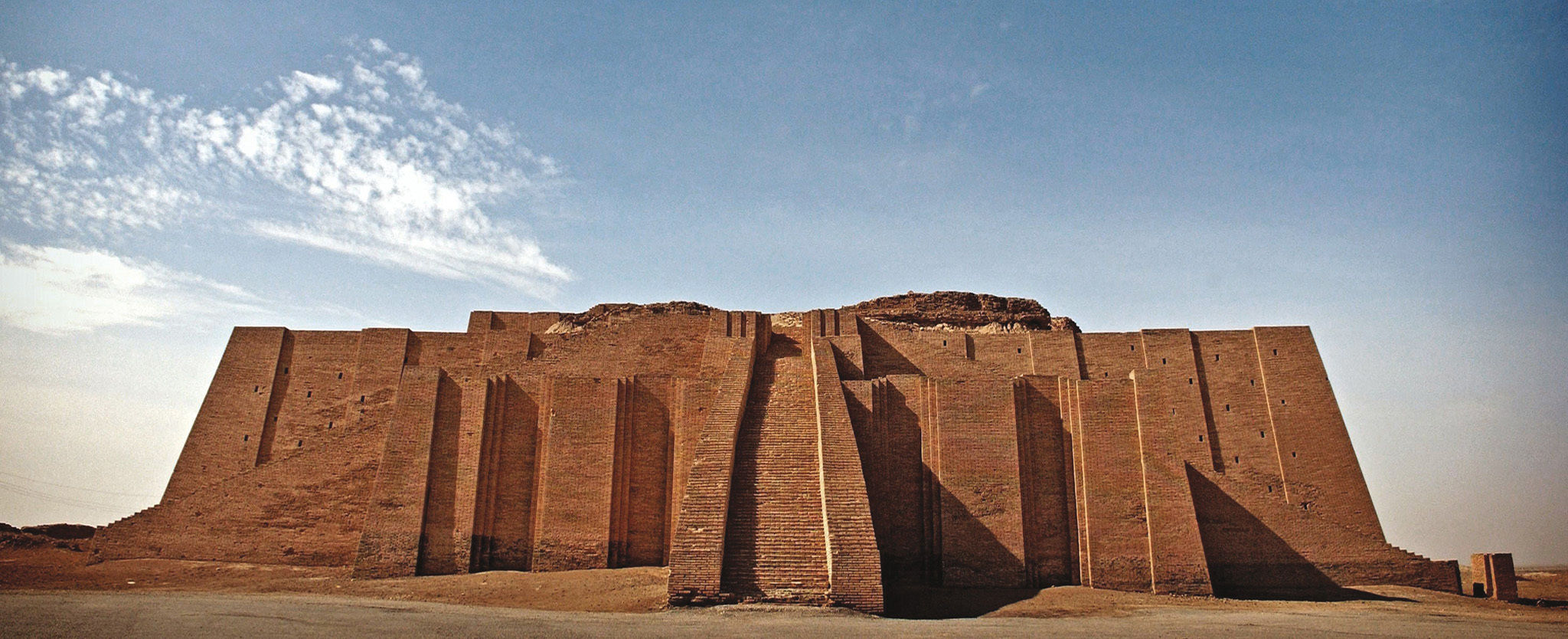
- 2—Title: Steel of Naram Sin
Artist/Patron : N/A
Date: 2254 BCE
Period: Akkaidian
Culture: Akkadian
Medium: N/A
Location: Sipar, Iran
Sign: commemorates a military victory of Sargon’s grandson and successor Naram-Sin.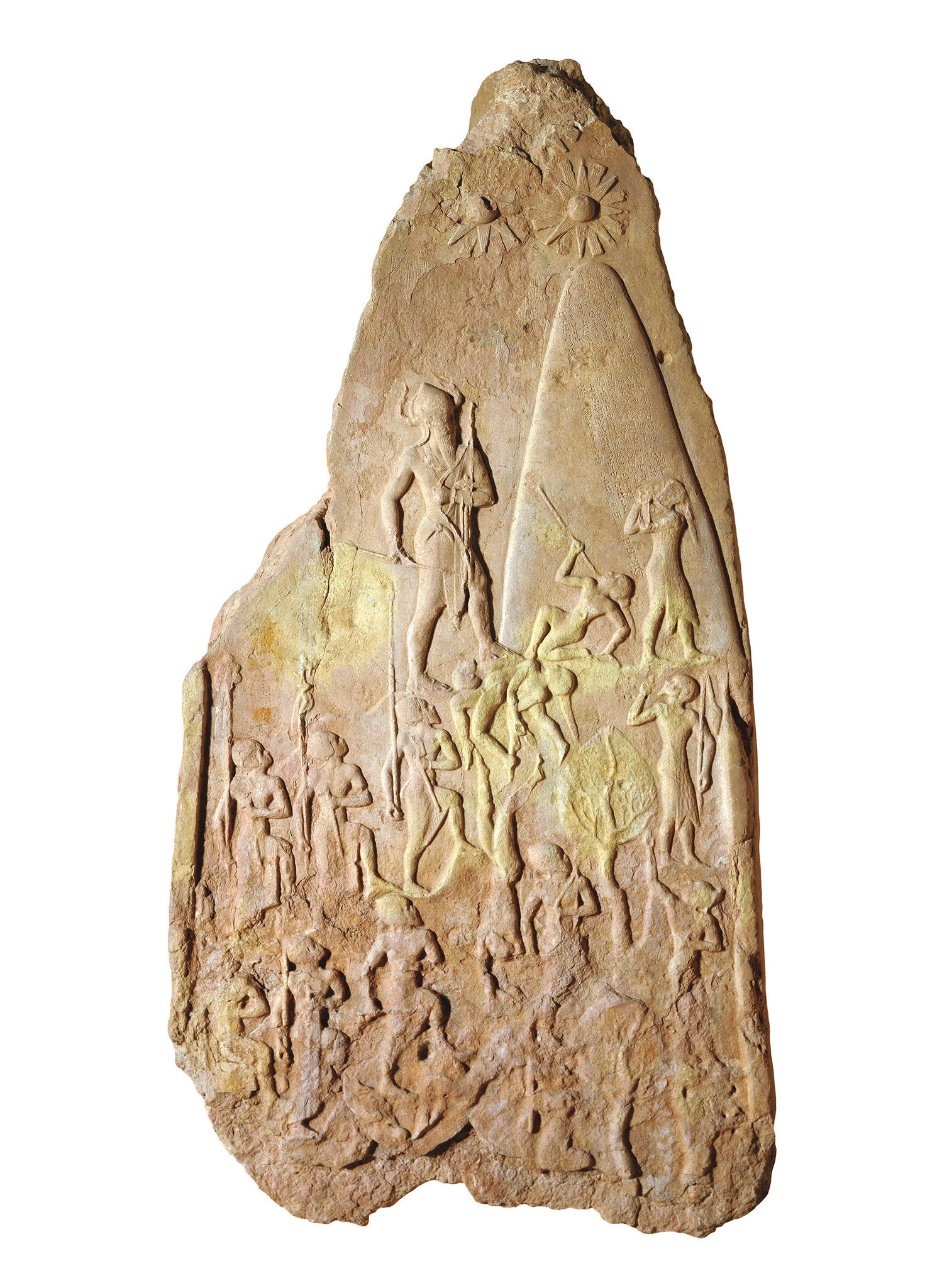
- 3—Title: Human Headed Winged Lion(Lamassu)
Artist/Patron: Assurnasirpal II (unnecessary)
Date:883 BCE
Period: Neo-Assyrian
Culture: Assyrian
Medium: Alabaster
Location: From the palace of Assurnasirpal II, Nimrud (Iraq).
Sign: Ccollasal guardian figures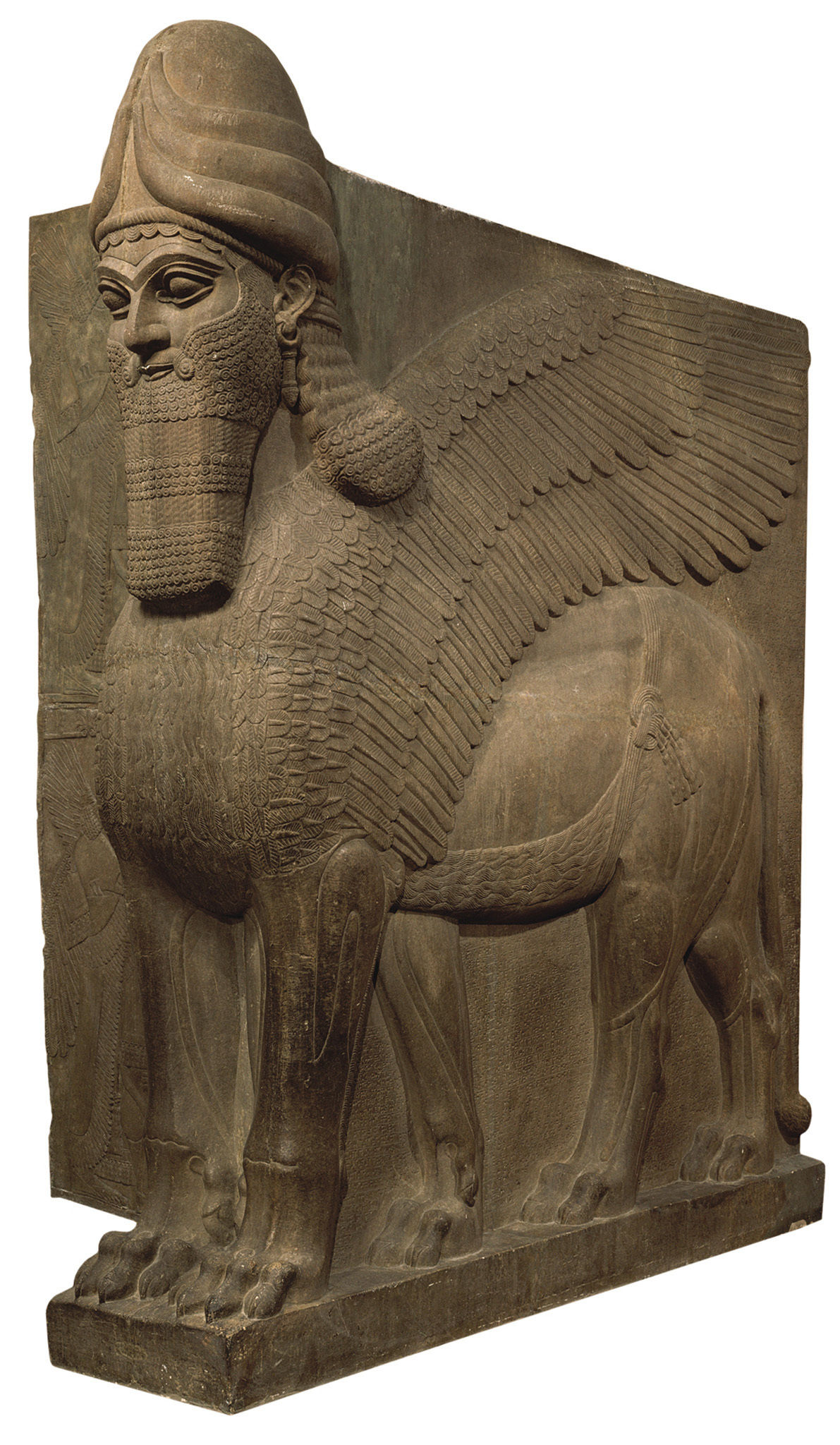
- 4—Title: ISHTAR GATE AND THRONE ROOM WALL-Reconstruct
Artist/Patron: Nebuchadnezzar II
Date:575 BCE
Period: Babylonian
Culture: Neo Babylonian
Medium: Glazed Brick
Location: Reconstructed in Berlin, but originally from Babylon (in present-day Iraq).
Sign: symbolized Babylonian power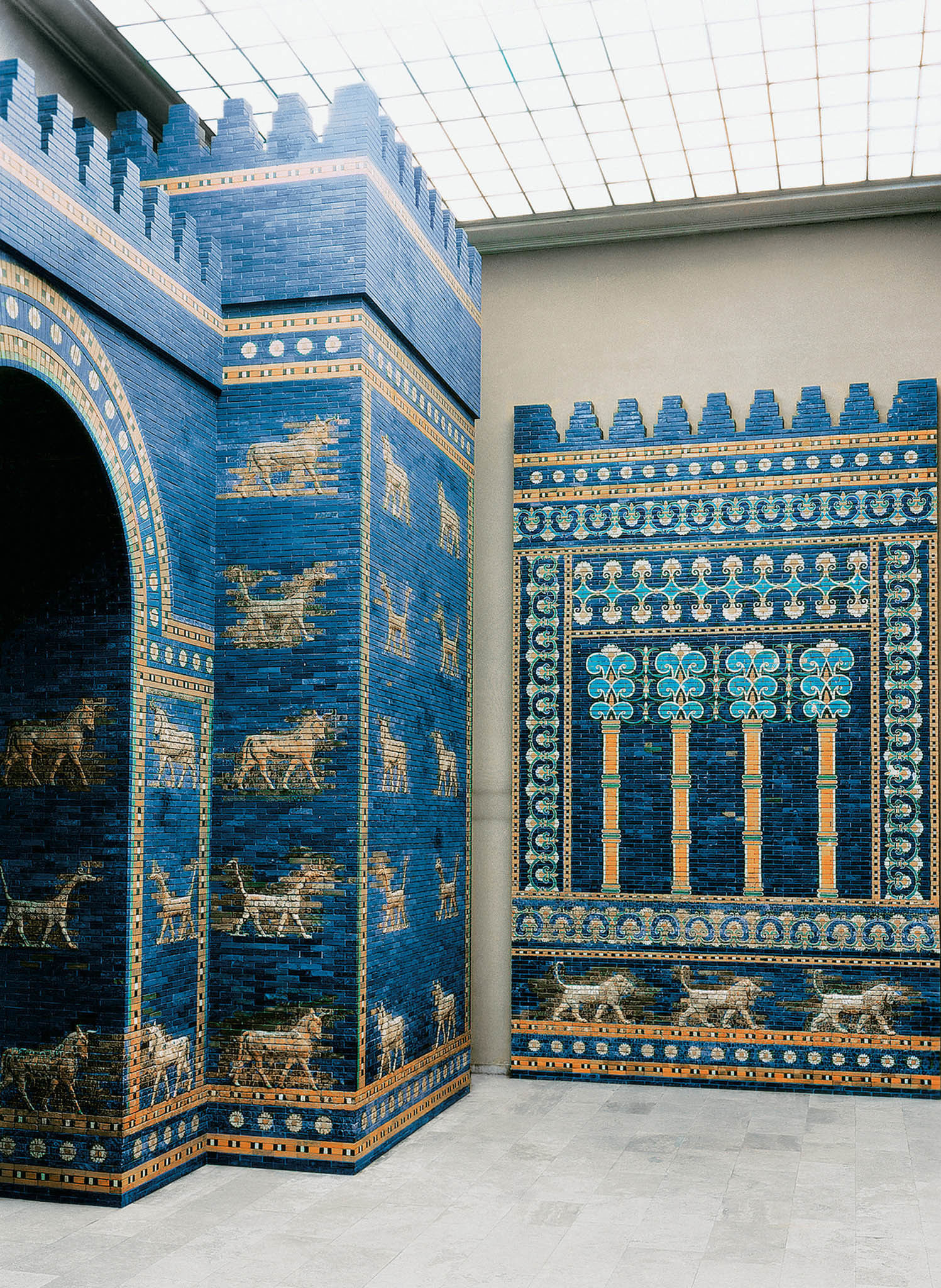
- 5—Title: Stele of Hammurabi
Artist/Patron: Hammurabi
Date:1792 BCE
Period: Babylonian
Culture: Babylonian
Medium: Basalt
Location: Susa Iran
Sign: A prologue on the front of the stele and an epilogue on the back glorify Hammurabi and his accomplishments, but most of the inscription outlines the laws that guaranteed uniform treatment of people throughout the Babylonian kingdom.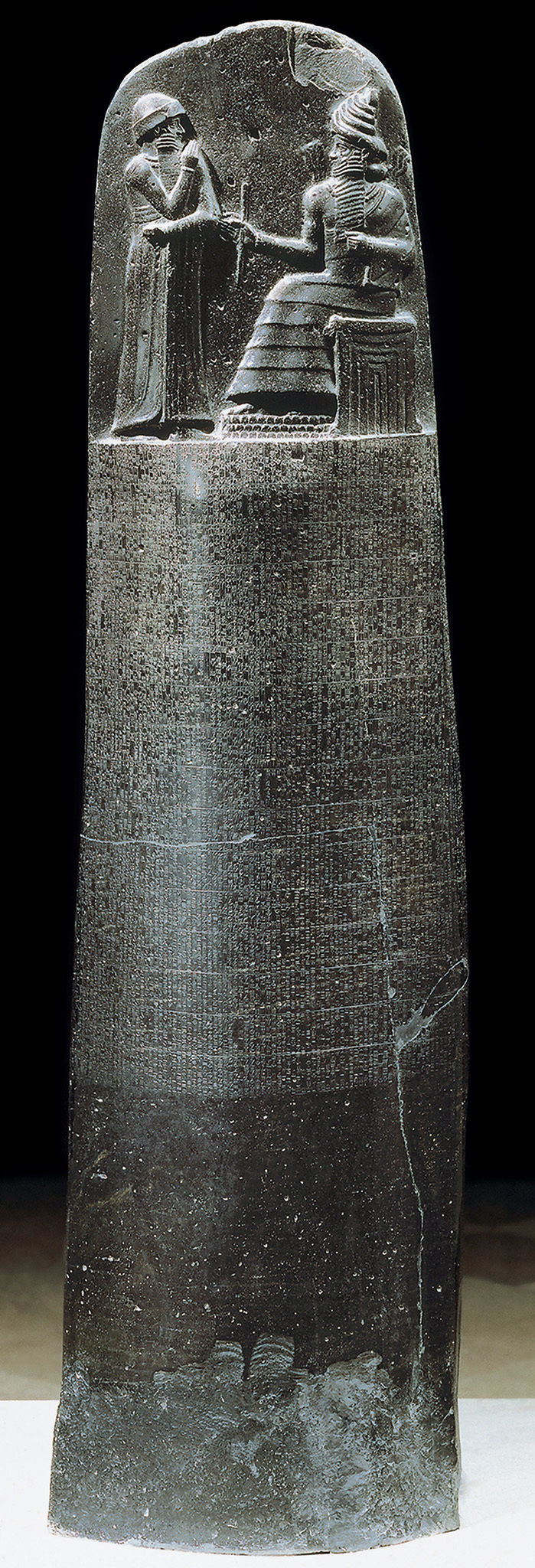
- 6—Title: PALETTE OF NARMER- FROM HIERAKONPOLIS
Artist/paron: n/a
Date:2950 BCE
Period: Early Dynastic
Culture: Egyptian
Medium: Stone
Location: N/a not necessary,HIERAKONPOLIS
Sign: For makeup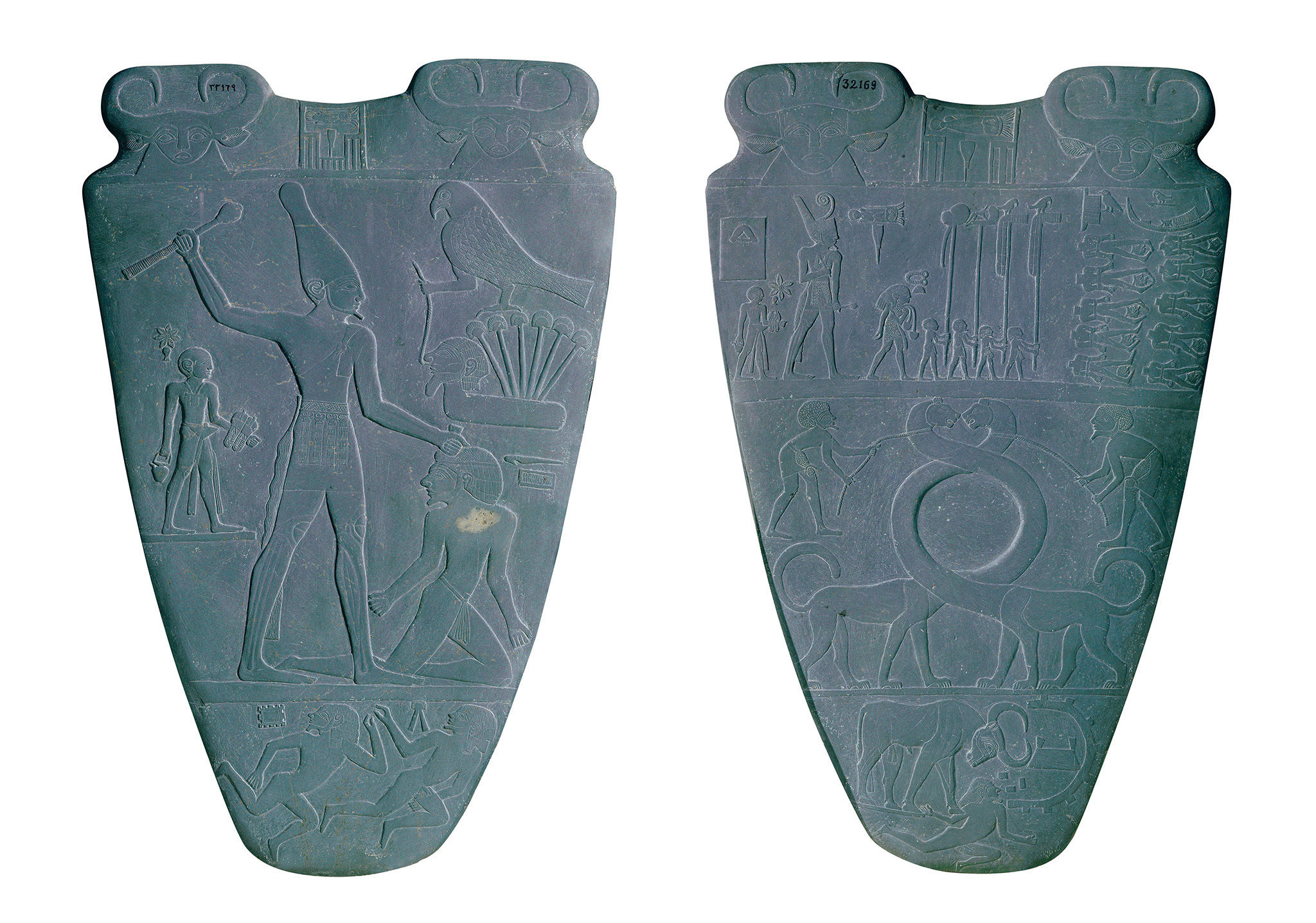
- 7—Title: Stepped Pyramid
Artist: Imhotep
Date:2630 BCE
Period: Old Kingdom (Dynasty 3)
Culture: Egyptian
Medium: LimeStone
Location: Saqqara
Sign: Tomb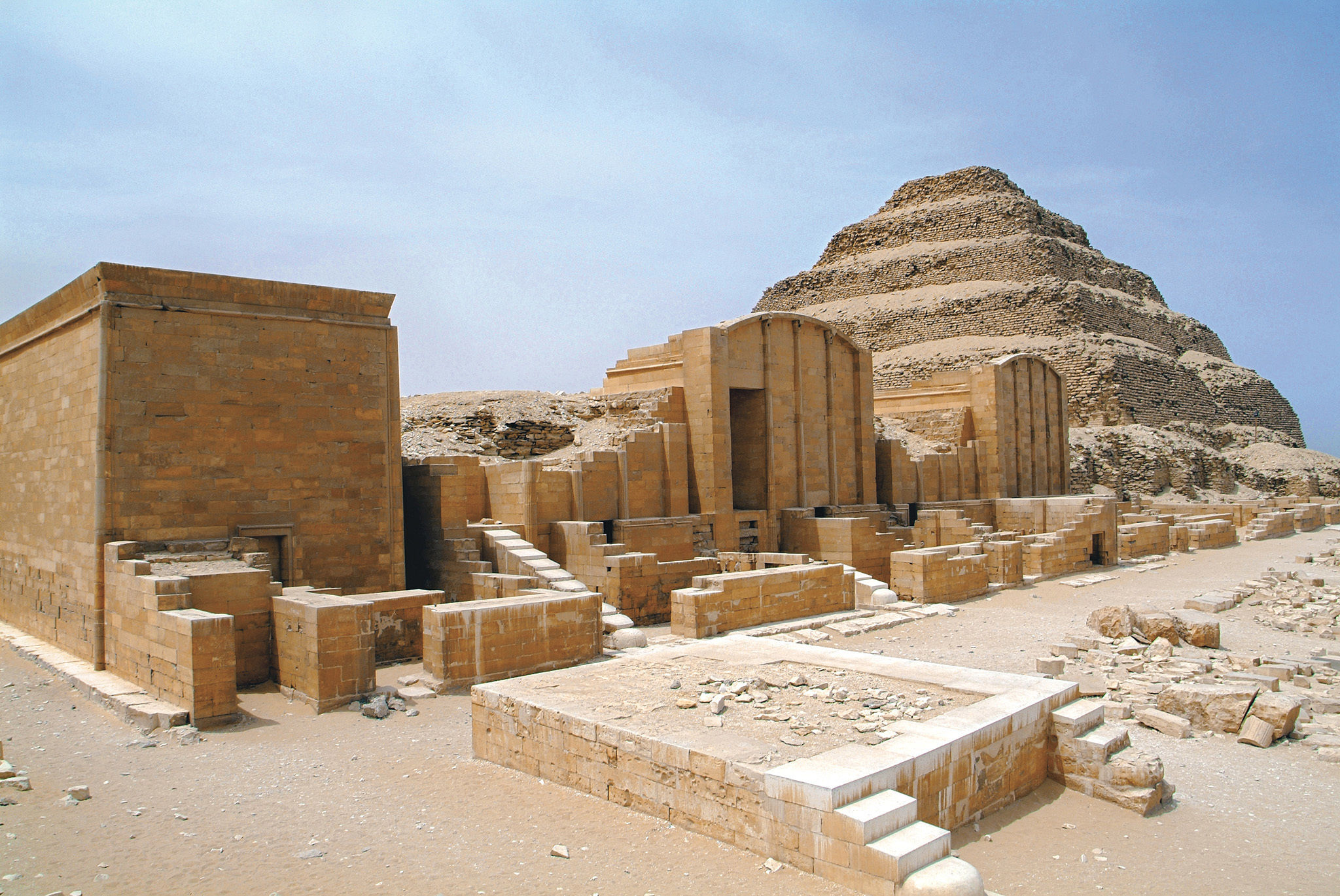
- 8—Title: Great Pyramids
Artist/patrons: Menkaure, Khafre, and Khufu
Date:2575 BCE
Period: Old Kingdom(Dynasty 4)
Culture: Egyptian
Medium: Granite & LimeStone
Location: Giza
Sign: Tomb, The designers of the pyramids tried to ensure that the king and his tomb “home” would never be disturbed.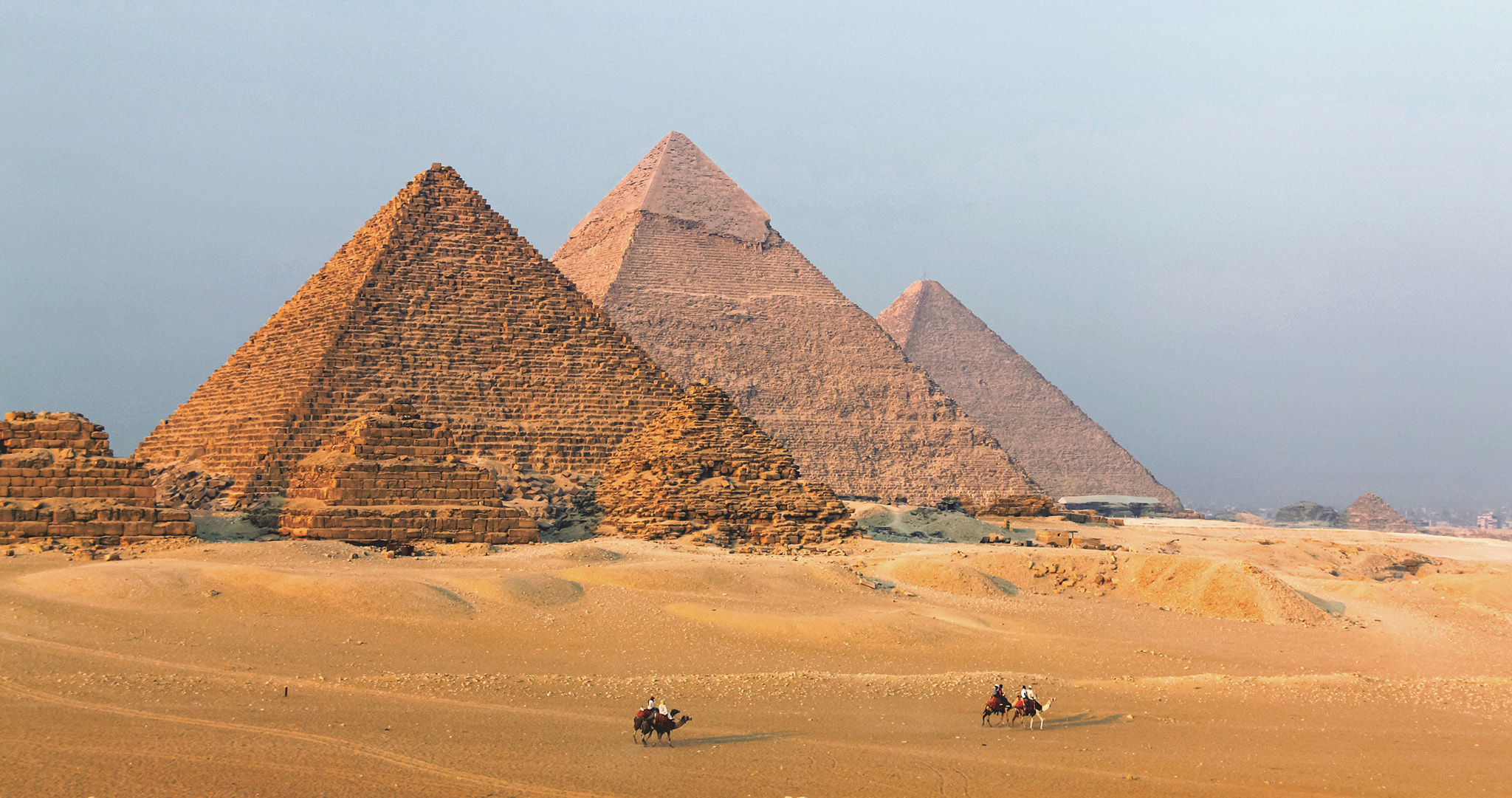
- 9—Title: Khafre
Artist/patron: N/A
Date:2520 BCE
Period: Old Kingdom
Culture: Egyptian
Medium: Unusual imported from nubia
Location: Giza, From valley Temple
Sign: He conveys dignity, calm, and, above all, permanence. The statue’s compactness-divinity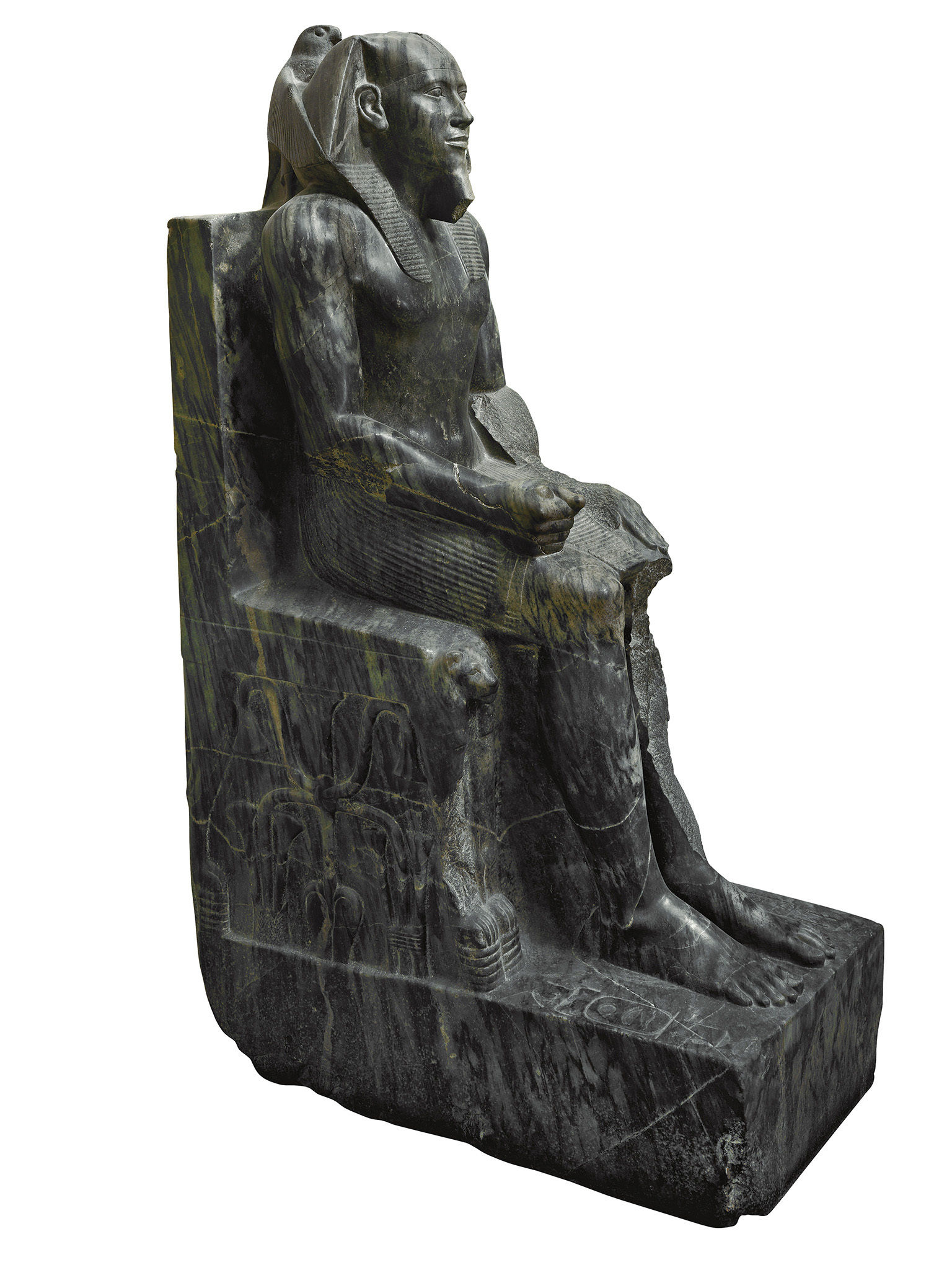
- 10—Title: Seated scribe
Artist: N/A
Date:2450 BCE
Period: Old Kingdom (Dynasty 5)
Culture: Egyptian
Medium: Painted limestone with inlaid eyes of rock crystal, calcite, and magnesite mounted in copper
Location: near the tomb of Kai, Saqqara
Sign: Old Kingdom sculptors also made statues of less prominent people. They rendered these figures in a more relaxed, lifelike fashion,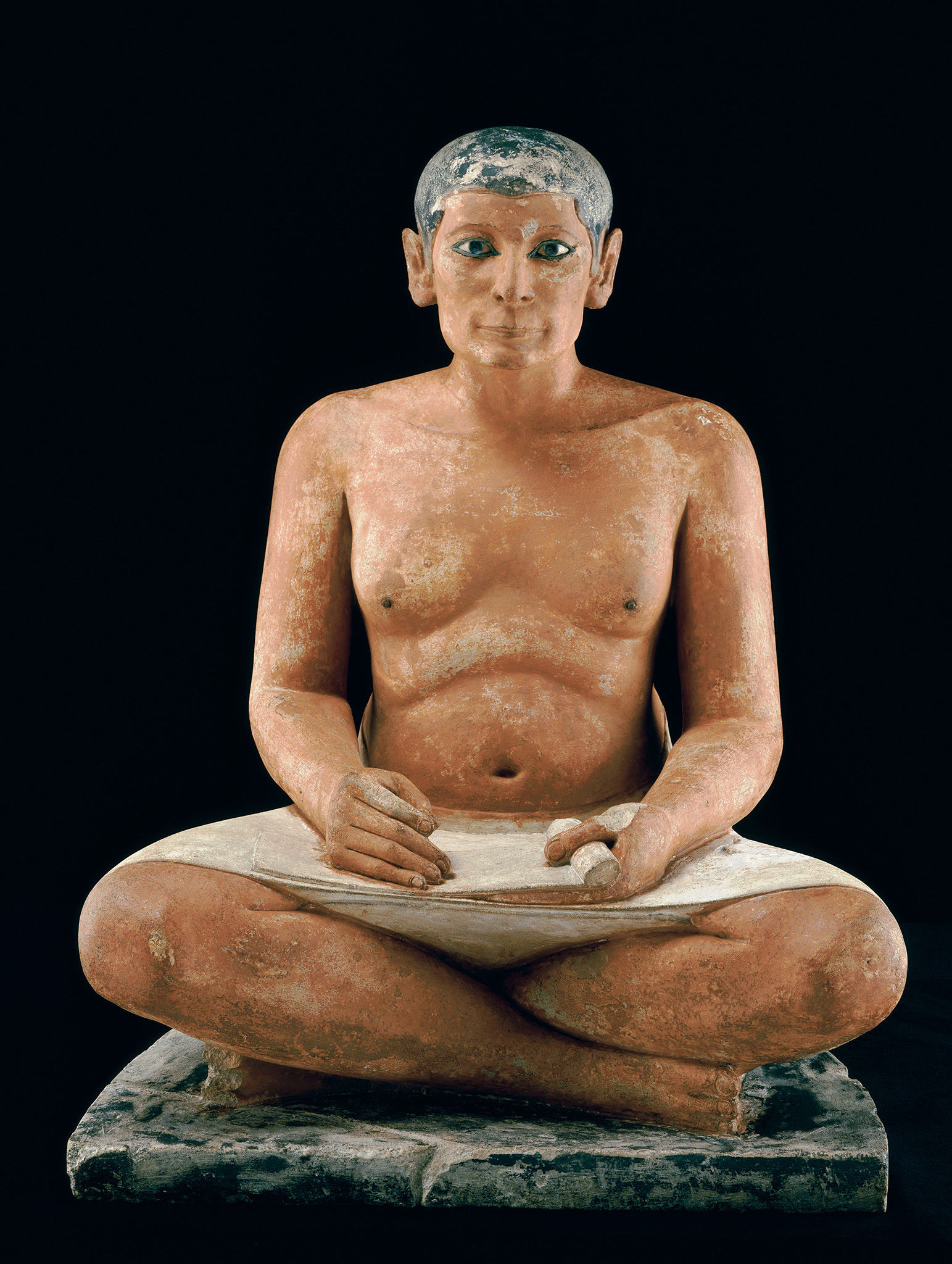
- 11—Title: Funerary Temple of Hatshepsut
Artist/patron: Hatshepsut
Date:1473 BCE
Period: New Kingdom (Dynasty 18)
Culture: Egyptian
Medium: LimeStone
Location: Deir el-Bahri across the Nile
Sign: Funerary Temple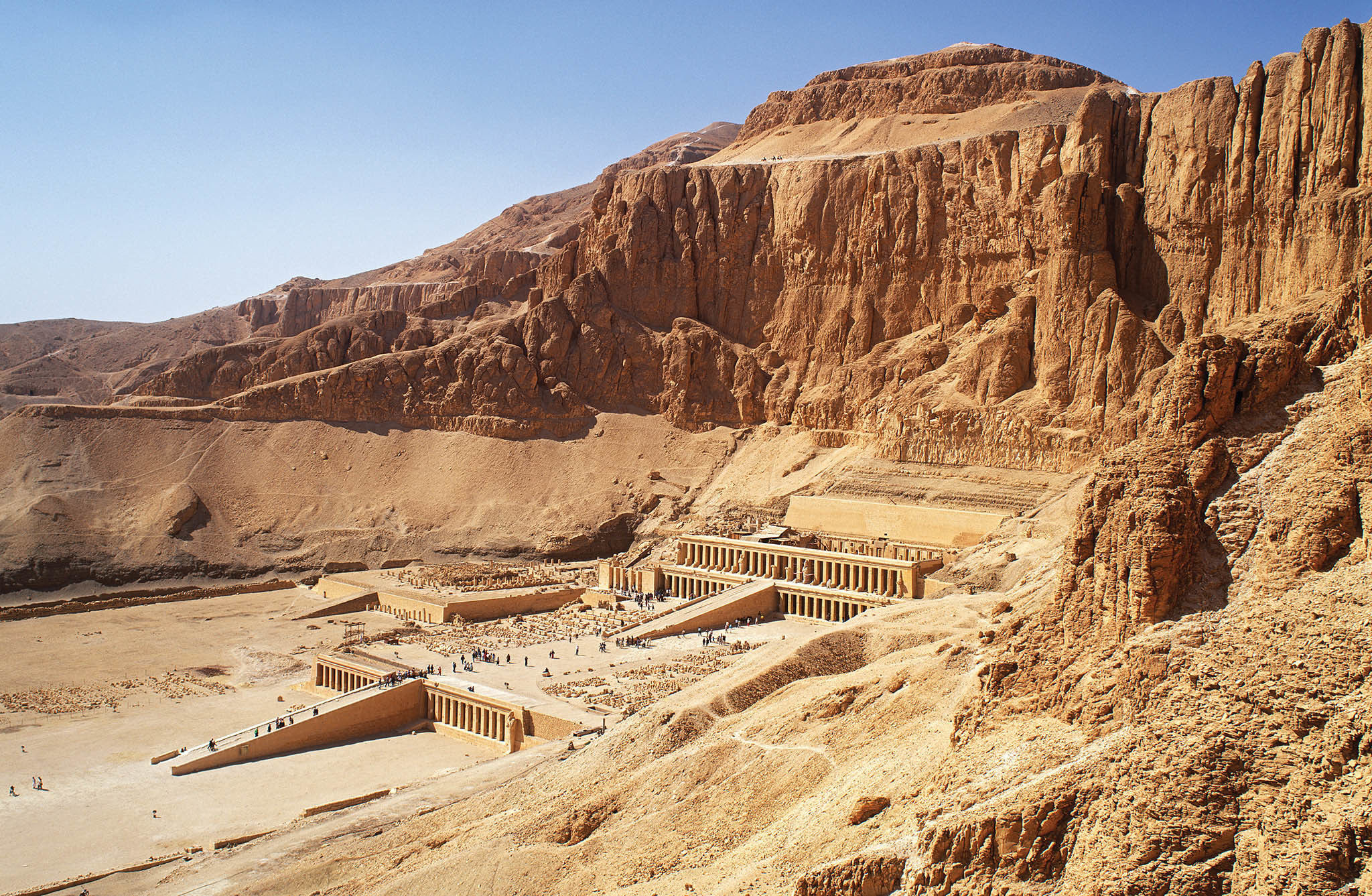
- 12—Title: Hypostyle Hall, Temple of Amun,
Artist/patron: N/A
Date:1292 BCE
Period: New Kingdom (Dynasty 19)
Culture: Egyptian
Medium: N/A
Location: Karnak
Sign: The hall may have been used for coronation ceremonies.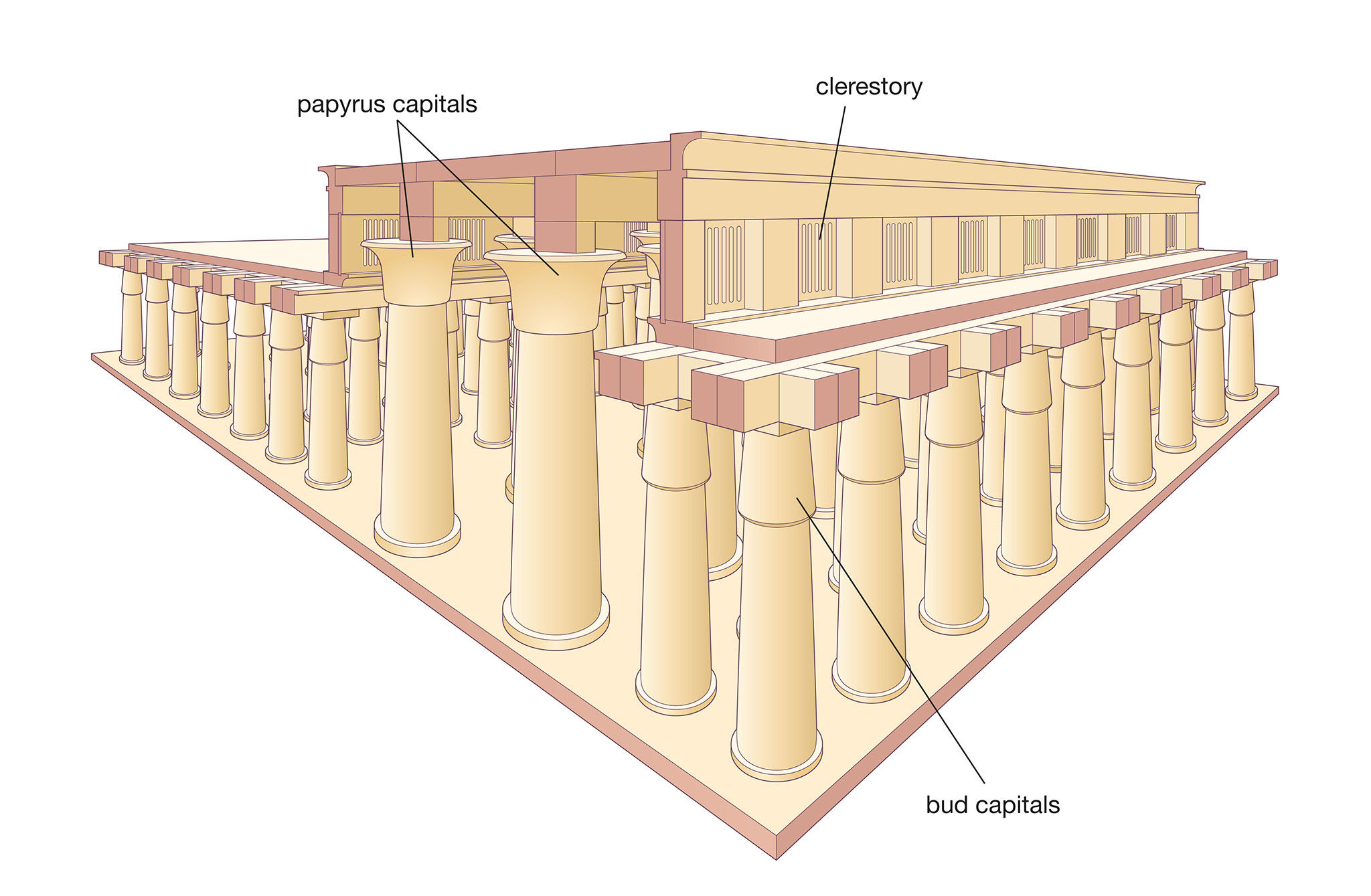
- 13—Title: COLUMNS WITH PAPYRIFORM AND BUD COLUMNS, HYPOSTYLE HALL
Date:1292 BCE
Period: New Kingdom (Dynasty 19)
Culture: Egyptian
Medium: N/A
Location: Karnak
Sign: window openings, which may not have provided much light, but did permit a cooling flow of air through the hall.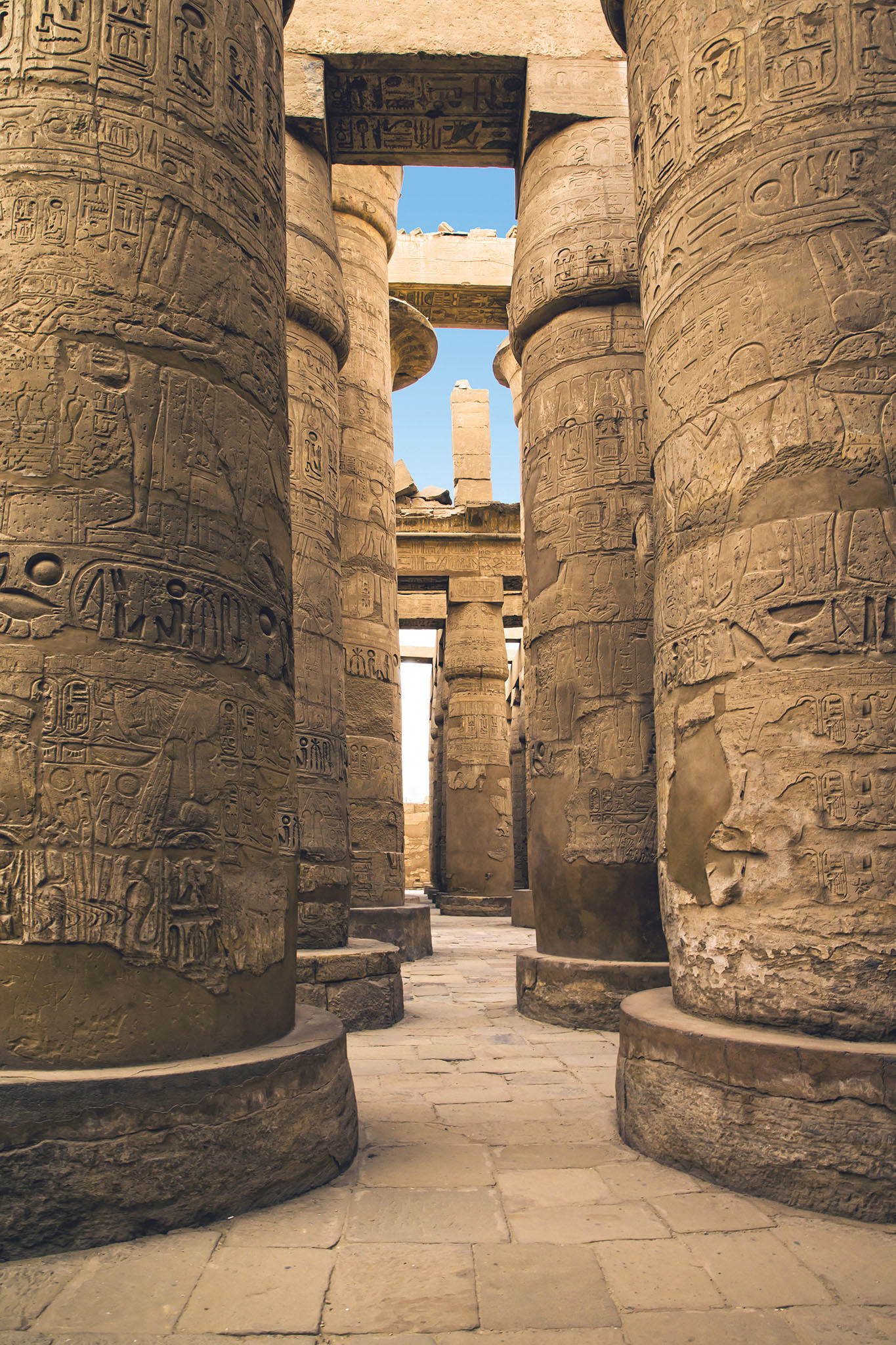
- 14—Title: AKHENATEN AND HIS FAMILY
Date:1353 BCE
Period: Amarna (Dynasty 18)
Culture: Egyptian
Medium: Painted limestone relief
Location: From AKHENATEN (present-day Tell el-Amarna).
Sign: but also pictorial relief sculptures. In a scene portraying royal family life. The couple receives the blessings of the Aten, whose rays that end in hands penetrate the open pavilion to offer ankhs before the royal nostrils, giving them the “breath of life.”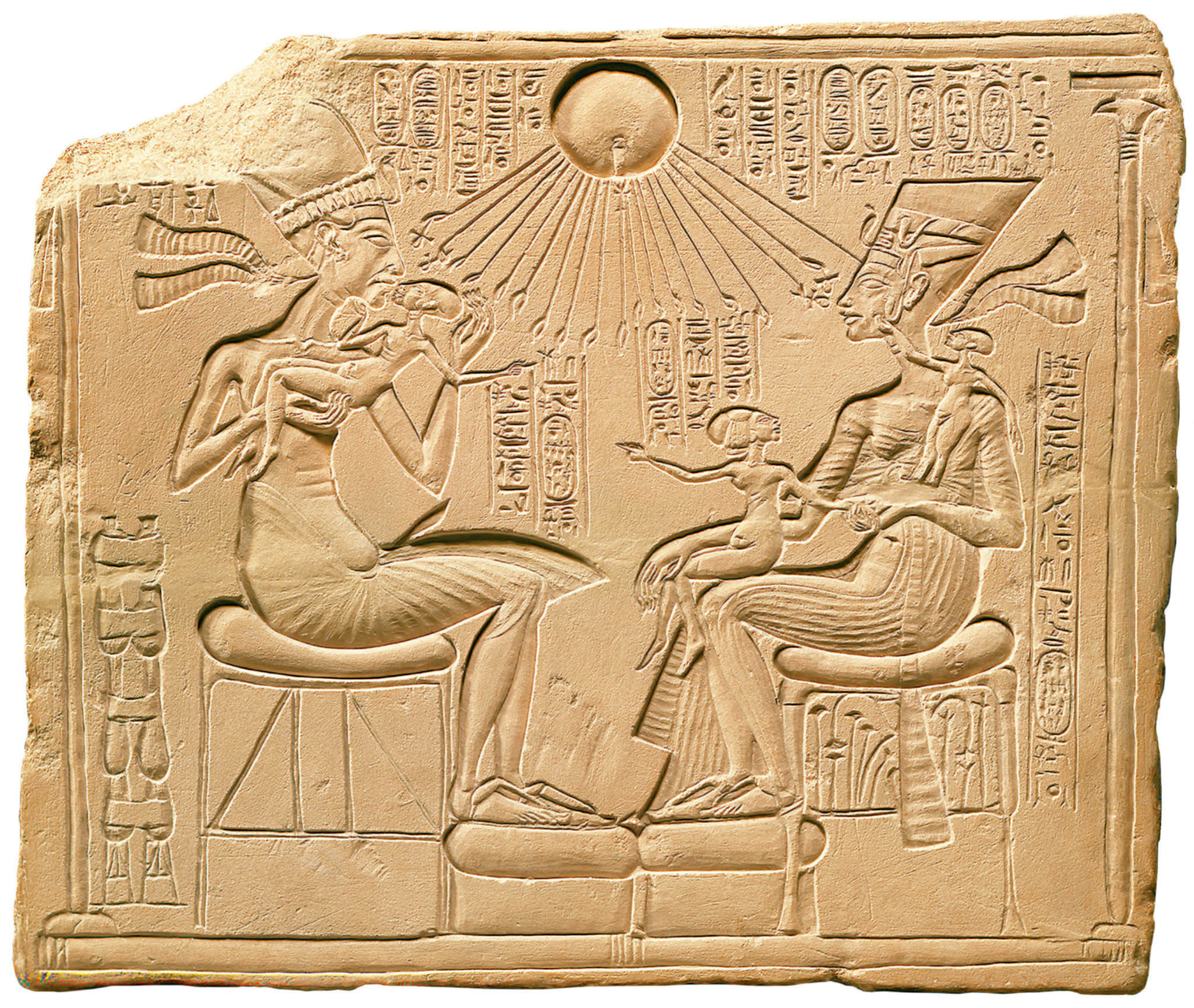
- 15—Title: JUDGMENT OF HUNEFER BEFORE OSIRIS
Date: 1285 BCE
Period: New Kingdom (Dynasty 19)
Culture: Egyptian
Medium: Painted papyrus
Location: N/A
Sign: Illustration from a Book of the Dead. funerary practices especially popular among the nonroyal classes. Family members commissioned papyrus scrolls called “Books of the Dead.” They contained magical texts or spells to help the dead survive and pass the tests.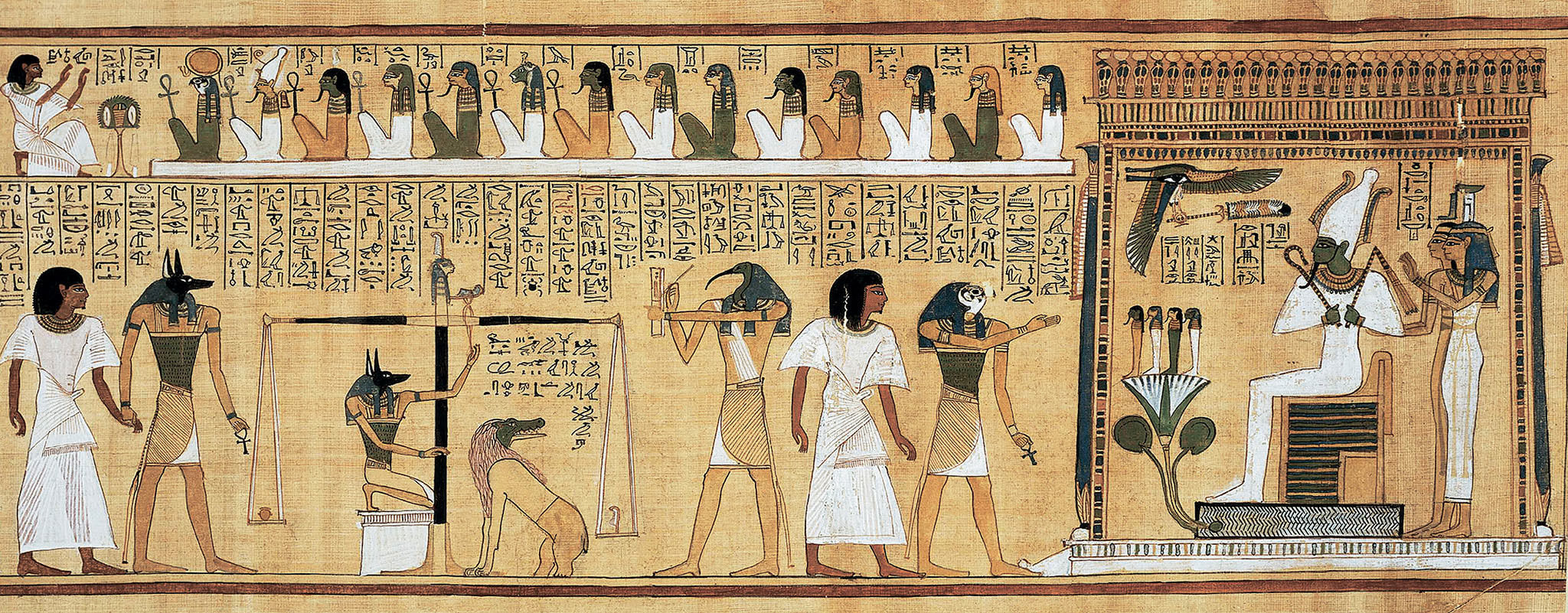
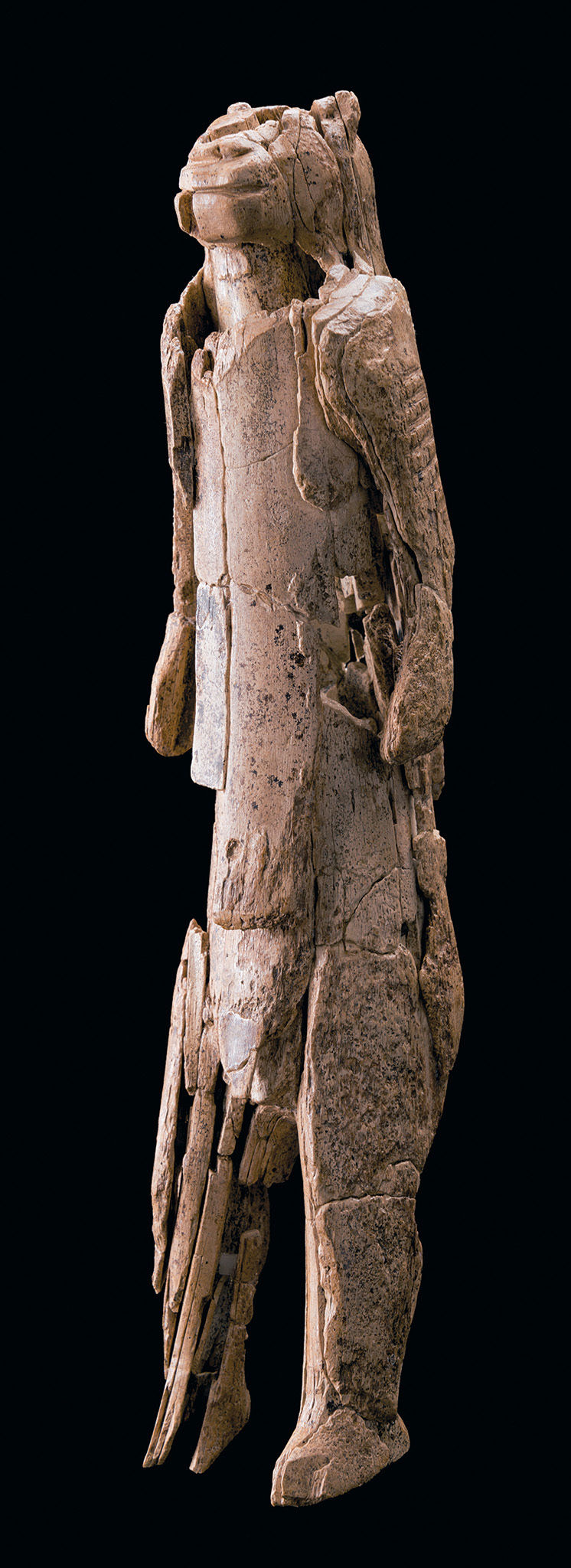
- 16—Title: Lion-man statuette
Date:40'000 BCE
Period: Paleolithic
Culture: N/A
Medium: mammoth Ivory
Location: Germany, Hohlenstein-Stadel
Sign: It is quite possible that they thought of animals and humans as one common group of beings sharing the world. What is absolutely clear is that the Lion-Human was the product of complex thinking and creative imagination: the uniquely human ability to conceive and represent a creature never seen in nature. - 17—Title: Woman from Willendorf
Date: 24000 BCE
Period: Paleolithic
Culture: N/A
Medium: Limestone
Location: Austria
Sign: By carving a woman with a well-nourished body, the artist may have stressed her health and fertility, which would ensure the ability to produce strong children, thus guaranteeing the survival of the community.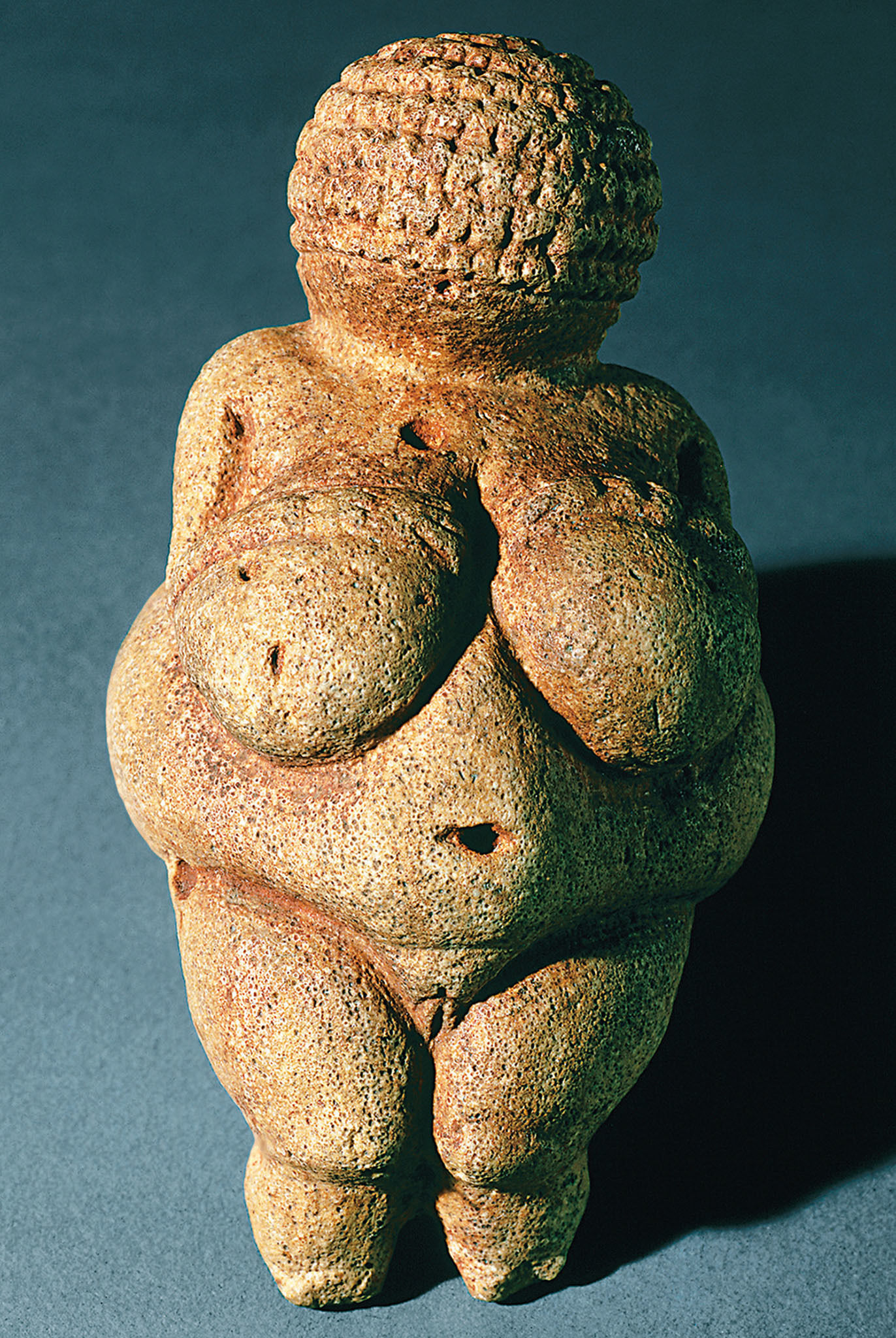
- 18—Title: Hall of Bulls
Date:15000 BCE
Period: Paleolithic
Culture: N/A
Medium: Limestone, They mixed yellow and brown from iron-based ocher to make the red tones. They derived black from manganese or charcoal.
Location: Lascaux caves, Southern france
Sign: Record, tell stories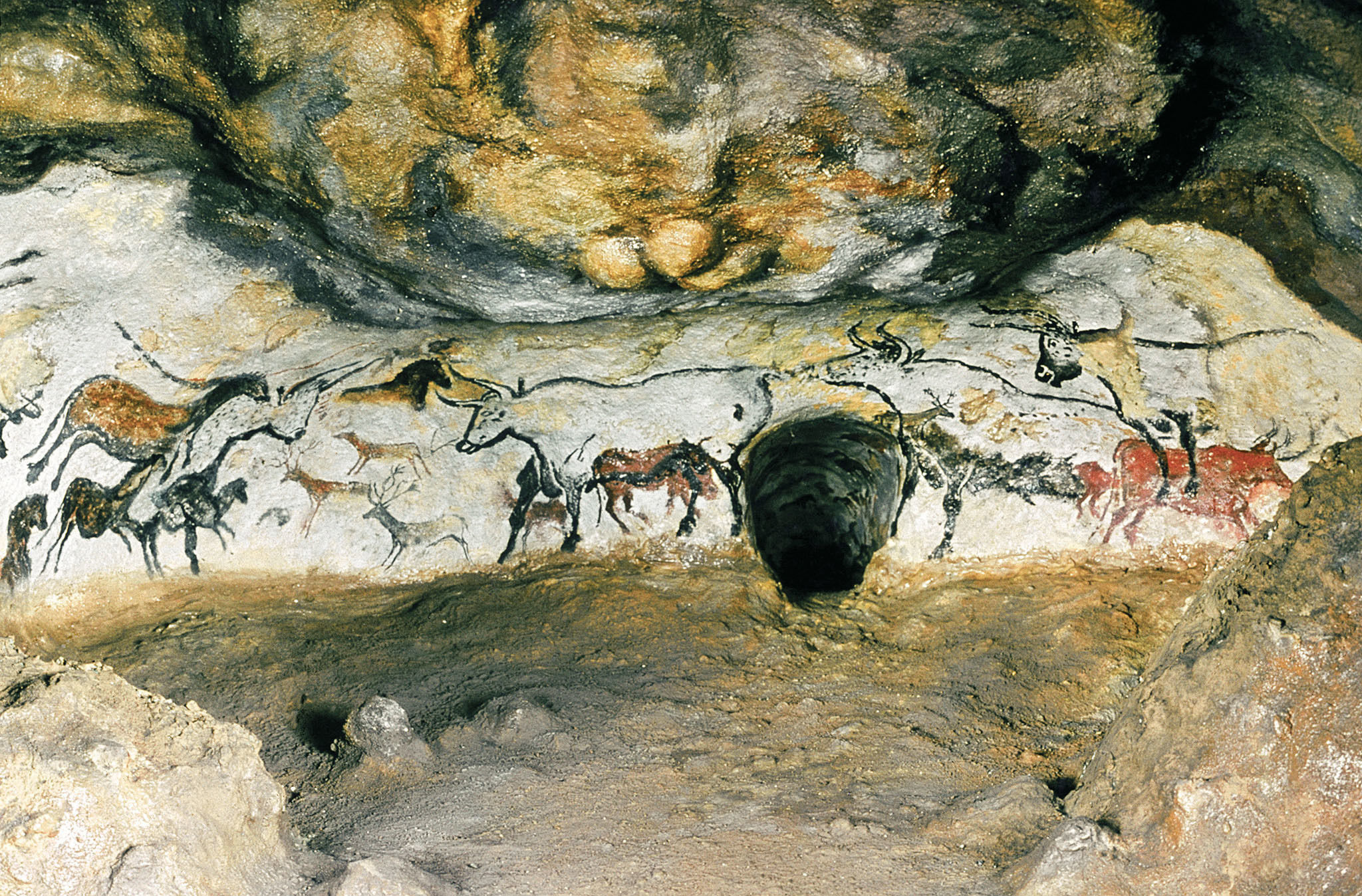
- 19—Title: TOMB INTERIOR WITH ENGRAVED STONES
Date:3000 BCE
Period: Neolithic
Culture: N/A
Medium: strings or compasses, and then carved by picking at the rock surface with tools made of antlers. (unnecessary)
Location: New Grange Ireland
Sign: a huge passage grave. neuropsychological effects—including hallucinations—they would have had on people visiting the tomb. They may have played important roles in ritual or political ceremonies that centered around death, burial, and the commemoration and visitation of the deceased by the living.
FYI: megalithic passage tomb with a corbeled vault.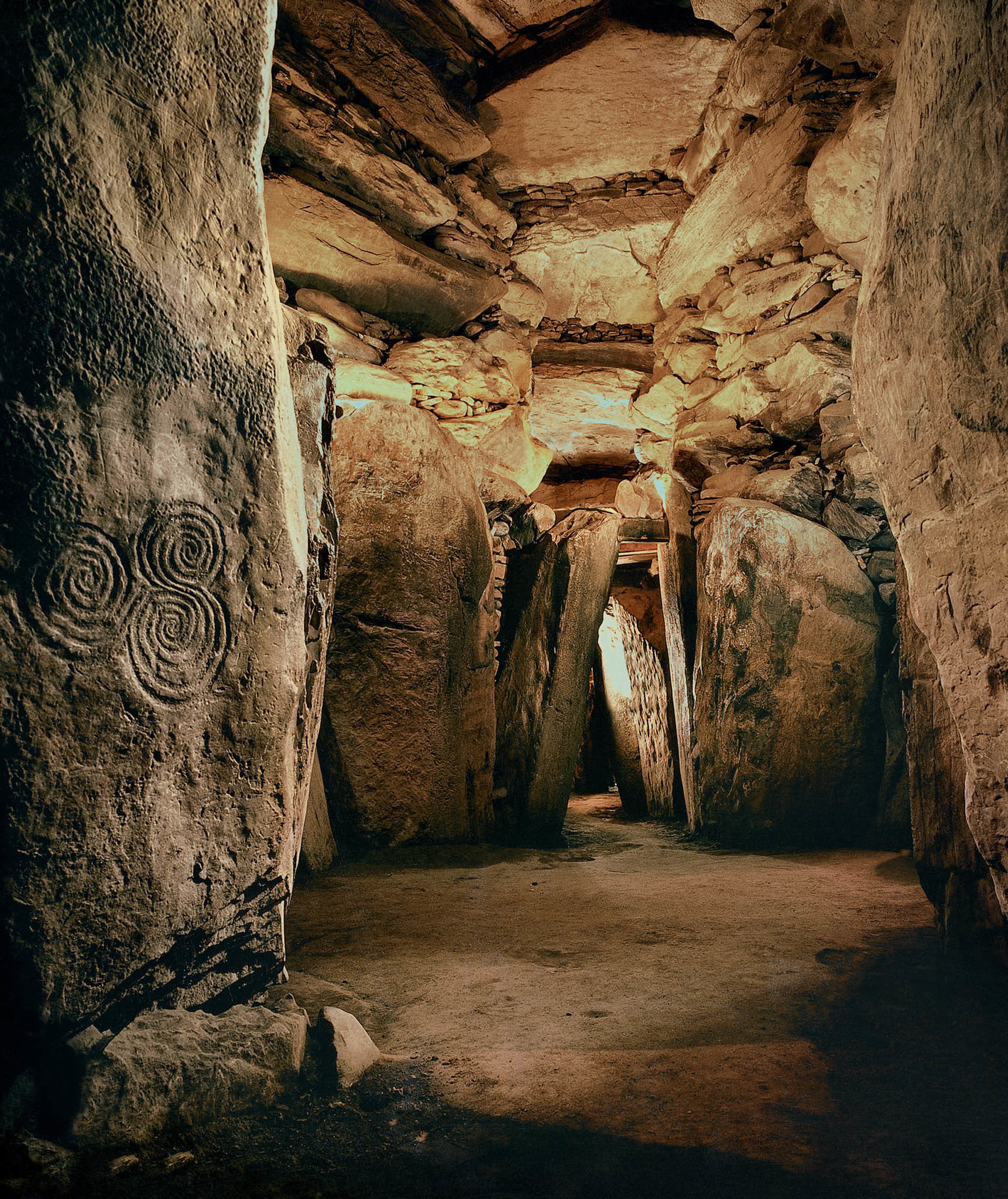
- 20—Title: Stone Henge
Date: 3000 BCE
Period: Neolithic
Culture: N/A
Medium: Bluestone & sarsens
Sign: observatory to track cosmic events or a calendar for regulating agricultural schedules. None of these ideas is supported by current archaeologists and recent evidence. Experts now believe that Stonehenge was the site of ceremonies linked to death and burial,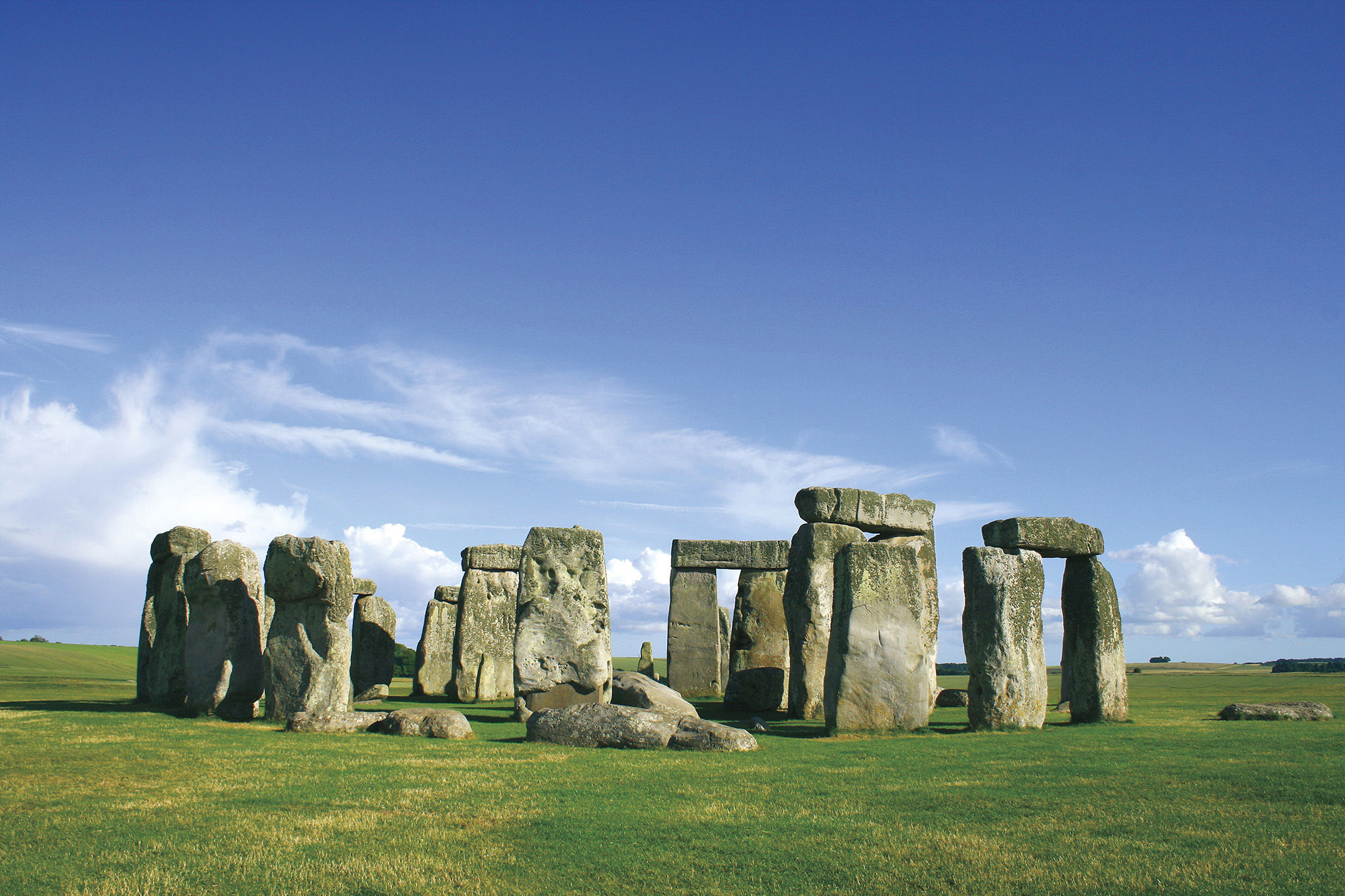
- 21—Title: The Standard of Ur
Date: 2600 BCE
Period: Sumerian
Culture: Sumerian
Locaation:From a royal tomb, Ur (present-day Muqaiyir, Iraq)
Medium: Shell, lapis lazuli, and red limestone inlaid in bitumen
Sign: Basically displays Sumerian victory and Success but its three registers of scenes are among the best surviving examples of the kind of pictorial narrative that captivated the Sumerian artistic imagination and conveyed their most important cultural messages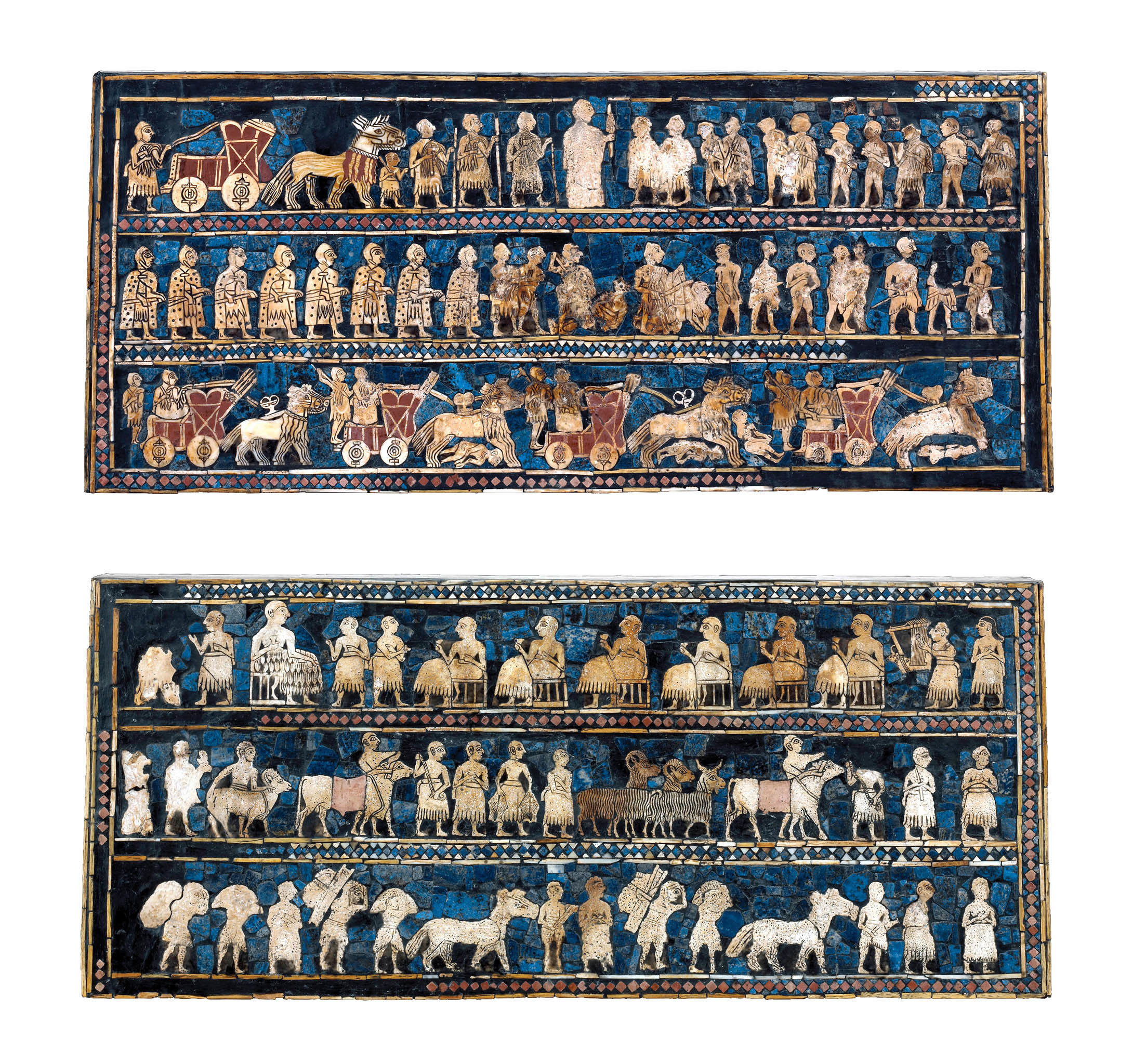
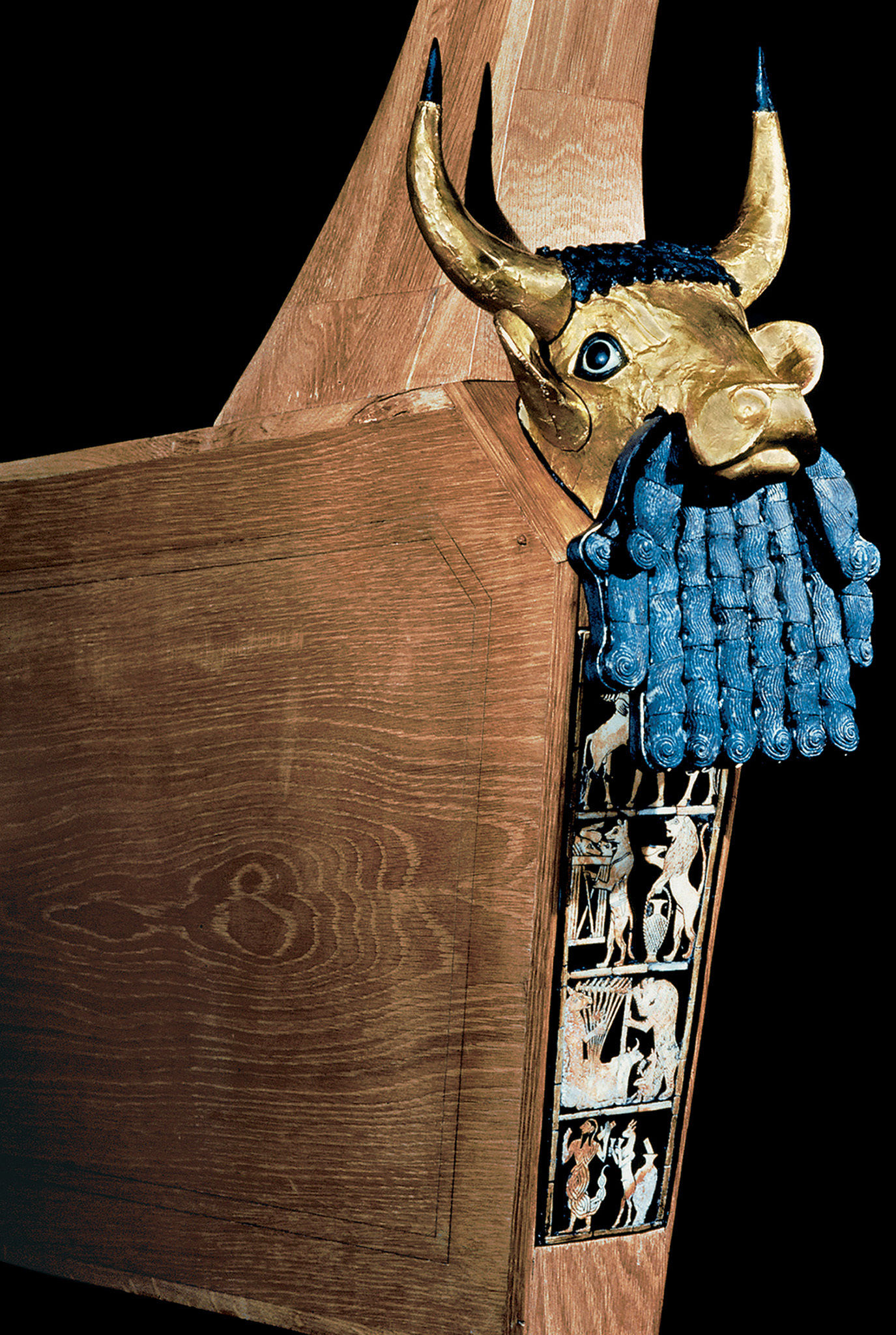
- 22—Title: Lyre with Bulls head
Date: 2600 BCE
Period: Sumerian
Culture: Sumerian
Location: From a royal tomb, Ur (present-day Muqaiyir, Iraq)
Medium: Wood with gold, silver, lapis lazuli, bitumen, and shell
Sign: The bottom scene portrays a scorpion-man associated with the Epic of Gilgamesh, a 3,000-line Sumerian poem about a hero who braves dangerous adventures in order to understand immortality and find the meaning of human existence.