
Karteikarten
Teaching writing

Karten in diesem Stapel (29)
- 1L2 learnersDifficult skill for L2 learners to master.L2 writer have to pay attention to higher levels skills of planning and organizing as will as lower level skills of spelling, punctuation, word choice, and so on.

- 2L2 difficultyThe difficulty becomes more pronounced if their language proficiency is weak.
- 3Teacher responsibilityPlan a writing course (course goals, theories, content, focus, syllabus, materials, methodology, activities, and course evaluation).
- 4Grammatical inaccuraciesNegative effects on the overall quality of students' writing. Because of that, teacher should focus on students' editing and composing skills.

- 5Planning a writing course Planning training teachers of writing1. Ascertaining goals and institutional constraints
(answering questions to know the objective of the class, it would help to design the class)
Then keep in mind activities like
_Run pilot projects
_Do different activities to complete a task like writing. In that way students are going to develop their skills.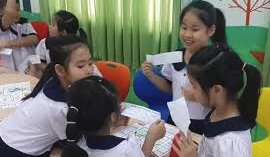
- 6Planning a writing course Planning training teachers of writing (student)"I feel embarrassed"
(worried, hampered by barriers, restrictions, and fears)
When a student is writing or spoken in english they could feel in this way because it's a new language. - 7Planning a writing course Planning training teachers of writing2. Deciding theoretical principles
Allied ideology, then comes theory and our view of language to achieve the nature of language learning. (writing and composition) - 8Planning a writing course Planning training teachers of writing3. Planning content
There is no right answer to the question. However, at the end is student has topics that allow them to generate ideas, find the forms to fit the ideas, and invite risk taking - 9Planning a writing course Planning training teachers of writing4. Weighing the elements
Teachers have to form priorities and weight the elements according to students' needs and our own philosophy.(address a theme like culture and identity to get your students focus on critical reading, generating ideas and expressing them with clarity, organization style, and clarity). - 10Planning a writing course Planning training teachers of writing5. Drawing Up a syllabus
Combination of approaches.
Organize the types of syllabus
1. Structure writing course (beginning levels).
2. Functional writing course (organized around rhetorical activities).
3.Topical ( organized around themes).
4. Situational
5. Skills and processes
6. Tasks (problem-solving activities). - 11Planning a writing course Planning training teachers of writing6. Selecting material
1. Topics (engage students interest)
2. Types of writing
3. Opportunities for and instruction in methods of generating ideas.
4. Instruction on principles of rhetorical organization.
5. Opportunities for collaboration
6. Opportunities for revision
7. Instruction in editing and proofreading.
Teacher have to decide how to use it in the class. - 12Planning a writing course Planning training teachers of writing7. Preparing activities and roles
(teachers being students)
As teacher, think about what students will be doing and learning in the classroom rather than the comprehensiveness of the information we will be imparting. - 13Planning a writing course Planning training teachers of writing8. Choosing types and methods of feedback
1. Large classes (not every piece of writing has to be corrected or seen by teacher)
2. Whoever responds has a variety of physical methods of responding
3. Select the type of response you prefer to give.
4. Teacher and students need to agree on the purpose of the response. - 14Planning a writing course Planning training teachers of writing9. Evaluating the course
A great tool to evaluate students could be a portfolio where students not only add the information in the class but also add resources they can find useful to present their best work. In that process, the instructor becomes a coach, and other evaluator can score that work. - 15Planning a writing course Planning training teachers of writing10. Reflecting the teacher's experience
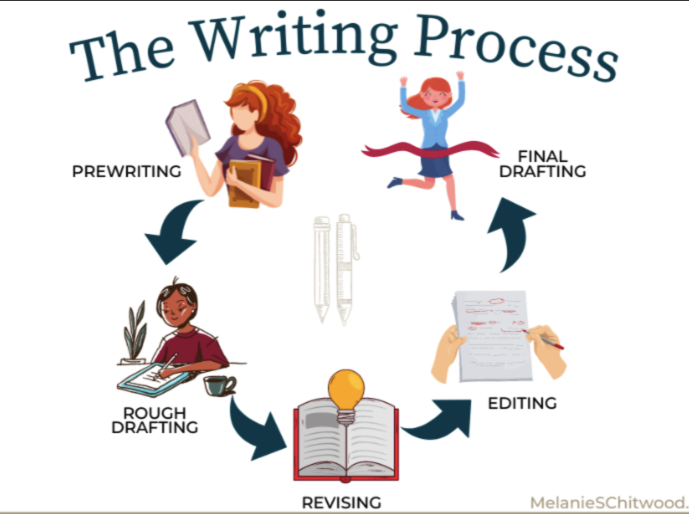
A key component of any teacher-training course should therefore be a massive amount of writing; reflective teaching logs, reports, etc. with the hope that teachers in writing courses will then write along with their students and present their own writing for discussion. - 16The writing process and process writingTeach students problem-solving skills connected with the writing process that will enable them to realize specific goals at each stage of the composing process.
- 17Process approachPlanning
Drafting
(responding, evaluating, and post-writing)
Revising
Editing - 18Planning (pre-writing)Stimulates thoughts for getting started.
Activities
-Group brainstorming
-Clustering
-Rapid Free writing
-Wh questions - 19DraftingThe first attempt at writing is drafting. Here writers focused on the fluency of writing and are not preoccupied with grammatical accuracy.
- 20RespondingResponding intervenes between drafting and revising. It is the teacher's quick initial reaction to students' drafts. (response can be oral or in writing). Peer responding can be effectively carried out by having students respond to each other's texts in small groups or in pairs.
- 21RevisingBy revising students review their texts on the basis of the feedback given in the responding stage and reexamine what was written to see how effectively they have communicated their meanings to the reader.
The teacher should encourage students to avoid recopying because it's nor the same as rewriting, they have to become familiar with their purposes and their unique messages. - 22EditingQuestions
-Have you used your verbs in the correct tense?
-Are the verb forms correct?
-Have you checked for subject-verb agreement?
-Have you used the correct prepositions?
-Have you left out the article where they are required?
-Have you used all your pronouns correctly? - 23EvaluatingIn evaluating student writing, the scoring may be analytical (based on specific aspects of writing ability). In order to be effective, the criteria for evaluation should be made known students in advance.
Students may be encouraged to evaluate their own and each other's texts once they have been properly taught how to do it. - 24Post-writingIt constitutes any classroom activity that the teacher and students can do with the completed pieces of writing. (including publishing, sharing, reading aloud). It's a platform for recognizing students' work as important and worthwhile .
- 25Implementing process writing-Teacher modeling through meaningful activities.
-Relating process to product (students go through the various stages of writing to understand what kind of product is expected at each stage).
- Working within institutional constraints
-Catering to diverse student needs (implement flexible program)
-Exploiting the use of computer in process writing - 26A genre-based approach to content writing instructionBy providing students with the language to talk about text, they can better understand how to make a piece of writing effective and appropriate to the communicative purpose.
- 27The study-The setting and the students (schools that have many students with english as a second language)
-The unit (the progression of the genre forms in writing instruction during 5-week period was narrative descriptive, persuasive, and expository. (Map skills are an important part of social studies knowledge and was a regular part of the unit) - 28Results and discussionIn the study was used several types of pre- and post- assessment measures to determine changes in student writing, knowledge, and attitudes.
Students were aware that different task demanded different texts. - 29Teaching students to self-edit-Philosophical assumptions
-The editing process
1. Focusing on form
2. Recognizing major error types
3. Self-editing practice
Informationen
- Beschreibung
- Important key information about how teaching writing can be done.
- Erstellt von
- ING MEN
- Aufrufe
- 19
- Tags
- Bewertung