
Mindmap
Hexapoda
Inhalt der Mindmap
Hexapoda
Entognata
- Mouth in a pouch Indirect sperm transfer small (2-6 mm) Ametabolous (\Protura) Continue to molt avec sex. mtat (\protura
- Collembola
- Globular ellong body Most abundant hexapod Cerci absent Collophore (adhesion, grooming, osmoregulation) Spermatophore on stalk
- Springtails
- Diplura
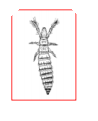
- Diplurans Di--> - they are 2 to take care of children - pair of cerci (long& thin, OR short&stout) No eyes Long atennae Un pigmented
- Protura
- Lack eyes/antennae Forelegs enlarged (many sensillae) Cerci absent Anamorphic No molting after sex. mat.
Insecta
- Pterygotes
- CLASS Winged, secondarily winglessCan fly
- Paleoptera
- INFRACLASS Name: Paloe --> old winged 350 MyaPhysiology:Behaviour:SPECIAL:
- Ephemeroptera
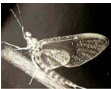
- Name: for a day, wings Physiology: MP vestigial, sex dimorphism (M, bigger eyes, longer front legs) Behaviour: swarming flights Reproduction: 2 stages subimago, imago. Nymphs avec leaf-like gills, along abd. +3 long tails.Environment: aquatic, eat algae. SPECIAL: Nymphs are good indicators of water quality
- Mayflies
- used as fishing flies for getting trout
- Odonata
- Name: Odonto = tooth Physiology:Large size, beautifully colord (sex dimorph), large compound eyes, ocelli. LEGS long not for walking, but for holding perching. M cerci for clasping. Behaviour: predaceous, strong fliers Reproduction: Wheel position. Main copulatory organ on 2nd abdominal segment. Numph: Last molt out of water. Environment: Eggs laid in or near waterSPECIAL: Acute vision
- Dragonflies
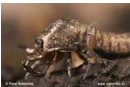
- Nymphs have gills inside the rectum draw water inside, to breathe, and expel. Locomotion by Jet propulsion
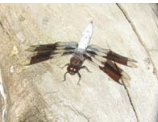
- Common Whitelail
- M broad bluish-white abdomen, used to intimidate
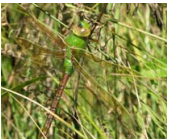
- Green Darner
- Migratory species. In fall, they go to southern US
- Damselflies
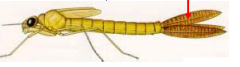
- Nymphs have leaf-like gills @end of abd. Breathing organ plus locomotion by ondulation
- Neoptera
- INFRACLASS Name: New wings. wings fold flatly over abdomen.
- Hemimetabolous
- Orthoptera
- Caelifera
- SUBORDER Short-horned PHysiology: short and stoud ovipositor. Antennae much shorter. Behaviour: Diurnal, phytophagous, Sing, rubbing tegmina against hind legs. Reproduction: Egg pod laid directly into soil.
- Acrididae
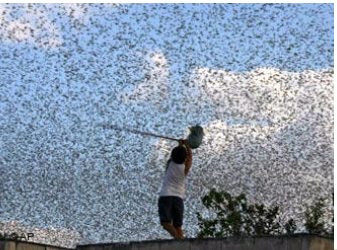
- Locusts
- Geneal name for gregarious phase. Crowding--> hulkmode.
- Locusts
- Romaleidae
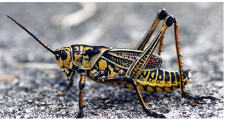
- Lubber grasshoppers
- Large and robust grasshoppers. North Carolina.
- Lubber grasshoppers
- Tetrigidae
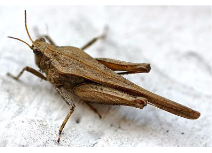
- Pygmy grasshoppers
- Pronotum extends backwards. small <1.5 cm. No stridulatory, no tympana. Winter only adult
- Pygmy grasshoppers
- Ensifera
- SUBORDER Long-Horned Name: Physiology: long ovipositor (single egg into twig) typana on foretibia (if present. Sing by rubbing tegmina together. Behaviour: nocturnal omnivorous
- Gryllidae
- Field/House crickets
- Name: Physiology: ovipositor needlelike. black or brown. robust. : Reproduction: eggs in soild, omnivorous, nocturnal
- Tree crickets
- Name: Physiology: small body, delicate. green. ovipositor needle like Behaviour: predaceous on small insects Environment: arboreal Reproduction:eggs in stems (water) SPECIAL FEATURES
- snowy tree crickets
- Thermomoeter cricket #oecanthus fultoni
- Field/House crickets
- Caelifera
- Hemiptera
- - #name : true bugs & homopterans - #physiology sucking MP (for of long proboscis named rostrum - #environment : /liquid/ phytophagous, some predaceous, rare, blood feeders. - #behaviour : - #reproduction : - #SPECIALFEATURES : Largest order of hemimetabolous.
- Heteroptera
- - #name : Different wings, #truebugs - #physiology : forewings /hemelytra/ is lethery (corium) ---apical part is membranious ---Hind wings membranous held flat over body.----piercing-sucking mouth parts (rostrum) - #environment : terrestrial aquatic - #behaviour : phytophagous, predaceous, hematophagous... rarely detritus. - #reproduction : - #SPECIALFEATURES : - #defense scent glands: repellend odour or alarm pheronome. ant mimicry, aggregation
- Terrestrial
- Miridae
- - #name :miriade, plein, largest family of truebugs - #physiology : - #environment : - #behaviour : - #reproduction : - #SPECIALFEATURES : - #pests important pests for cultivated plants
- Tarnished plant bug
- - #name : lygus lineolaris Feed on 300 different plants. responsible for strawberry of other deformities.
- Lygaeidae
- - #name : small family (ligo meaning small in greek) - #physiology : Bright red, black meaning bad taste and toxicity - #environment : - #behaviour : - #reproduction : - #SPECIALFEATURES :
- Small milkweed bug
- Blissidae
- - #name : - #physiology : ~4mm--- - #environment : hot, dry, sunny environment. - #behaviour : Feed on sap of grass stems. - #reproduction : - #SPECIALFEATURES : - #pest affected lawn turns yellow.
- Hairy chich bugs
- Coreidae
- - #name : Leaf footed (caitlin correia) footed like soccer football. - #physiology : narrow head, Hind tibia expanded & leaflike. Mdiph - #environment : diverse mostly in tropics - #behaviour : - #reproduction : - #SPECIALFEATURES : - #cool well developed scent glands
- Leaf-footed bugs
- Squash Bugs
- - #name : - #physiology : - #environment : - #behaviour : - #reproduction : - #SPECIALFEATURES : - #pest cucurbitacae vegetables
- Western conifer seed bug
- Leptoglossus ocidentalis. From US. Feeds on conifer trees. Adult are sheltered.
- Pentatomidae
- - #name : penta --> five --> five segmented antennae. - #physiology : large pronotum many brightly colored - #environment : - #behaviour : produce bad odor. Leave bad taste on berris. - #reproduction : nymph and adult have different coloration. - #SPECIALFEATURES : - #eggs offten barrel shaped, and covered with spines on top.
- Stinki bugs
- - #name : - #physiology : - #environment : - #behaviour : primarily phytophagous, many predaceous. (if so, will have short and slightly enlarged proboscis - #reproduction : - #SPECIALFEATURES : - #catfacing (reponsible for fruit damages deformities... euuh
- Reduviidae
- - #name : called Assassin bugs (terrestrial and predaceous!! sometimes called kissing bugs Beware! - #physiology : base of hea constricted and necklike--- rostrum S&S fits in a groove on the prosternum. Acts as a stridulatory organ. Prbly used mate attraction +courtship. - #environment : - #behaviour : most predaceous. Will feed on humans. Bite during night - #reproduction : - #SPECIALFEATURES : - #Disease vectors of Chaga's disease. Central and S.A. Infection happens when assassin bugs' feces are open wound, mouth or ruber into eyes. Symptoms may apear years later.
- Masked hunter
- - #name : Reduvius personatus. black assassin bug - #physiology : - #environment : - #behaviour : - #reproduction : eggs laid singly in dust, crack, corners. Nymph cover themselves with dust particles. - #SPECIALFEATURES : - #resin the F collect under abdomen and used for egg coating and leg coating.
- Phymatinae
- Ambush bugs
- - #name : ambush --- voleur qui est pris en embuche dans les fleurs doree $$ - #physiology : bright black and yellow. Spiny thorax. found on goldenrod flowers. swoleen femora. S&S raptorial forelegs. - #environment : - #behaviour : may take pray bigger than themselves. - #reproduction : - #SPECIALFEATURES :
- Ambush bugs
- Cimicidae
- - #name : caled bed bugs - #physiology : small, flat, oval, wingless, reddish adults. - #environment : Nocturnal, hid cracks. - #behaviour : feed on blood of mammal (bats +birds). One species feed on human. - #reproduction : copulation hemocoelic insemination (traumatic) - #SPECIALFEATURES : - #danger cause irritation no disease spread.
- Bed bugs
- Miridae
- semi-aquatic
- Gerridae
- water repellent fee. Due to hydrophobic.
- Water striders
- Marine water striders
- genus halobates.
- Gerridae
- Aquatic
- Belostomatidae
- Belostom
- Lethoseros
- Nepidae
- Water scorpion
- Notonectidae
- Backswimmers
- Corixidae
- Water boatmen
- Belostomatidae
- Homoptera
- Sternorrhyncha
- - #name : - #physiology - #environment : - #behaviour : - #reproduction : - #SPECIALFEATURES :
- Auchenorrhyncha
- Sternorrhyncha
- Orthoptera
- Holometabolous
- Raphidioptera
- Snakeflies
- Megaloptera
- Dobsonflies
- Raphidioptera
- Apterygotes
- Primitvely wingless, never had wings
- Archeognatha
- Name:Ancient jaw microcoryphia (Petite tete) Behaviour: Most nocturnal Physiology:Jump when distubed by rapidly flexing abdomen Environment SPECIAL FEATURES:
- Jumping bristetails
- Zygentoma
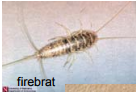
- Name: Thysanura Physiology: Body flat, small compound eyes, widely separated Behaviour: nocturnal SPECIAL: well known ouse hold pests
- Firebrats
- Brownish scales
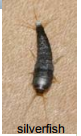
- Silverfish
- silver scales
- Pterygotes
Bilder und Dateien der Mindmap
Informationen
- Beschreibung
- entomology Mindmap am Hexapoda, erstellt von Julien Doueihi am 13/12/2017.
- Erstellt von
- Julien Doueihi
- Aufrufe
- 0
- Bewertung