
Mindmap
1.2 - Computer Components
Inhalt der Mindmap
1.2 - Computer Components
Processor/CPU
- Purpose: The CPU manages all the hardware activities required to receive instructions and data, actions them using the input data and outputs the results. It also manages the various storage devices, both internal and external to the computer, and records where all programs and instructions are located for future retrieval.
- Characteristics: The CPU’s had a single core, so they could only carry out one instruction at a time. The next stage was the ability to begin a second instruction before the first was completed, taking advantage of the time that the CPU was waiting for a request or instruction to be completed by the hardware under its control or the human user. Now multicore processors have two or more independent cores integrated on a single chip multiprocessor or linked together in a package. These developments have resulted in a computer being able to run multiple packages.
Motherboard
- Purpose: Its printed circuits form the data or communications highway for the computer, ensuring that data and instructions can be transferred or stored where they are needed and located when required.
- Characteristics: This is the main printed circuit of a personal computer. Components such as the CPU are directly connected to it via its sockets; others such as hard drives or network cards use expansion slots or ports.
Ports
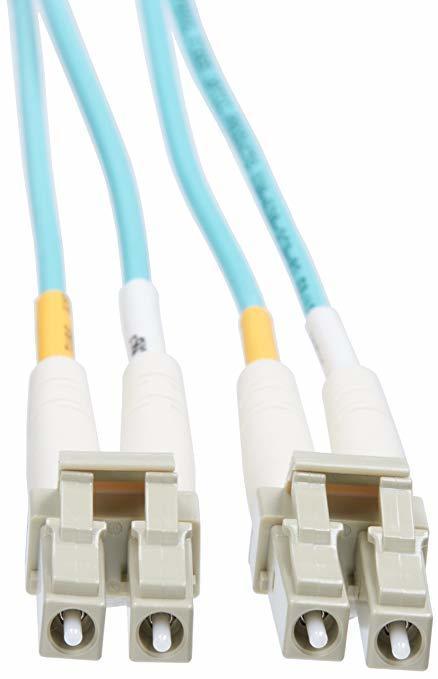
- Fiber Channel
- A Fibre Channel (FC) port is a hardware pathway into and out of a node that performs data communications over an FC link. (An FC link is sometimes called an FC channel.)
- SATA
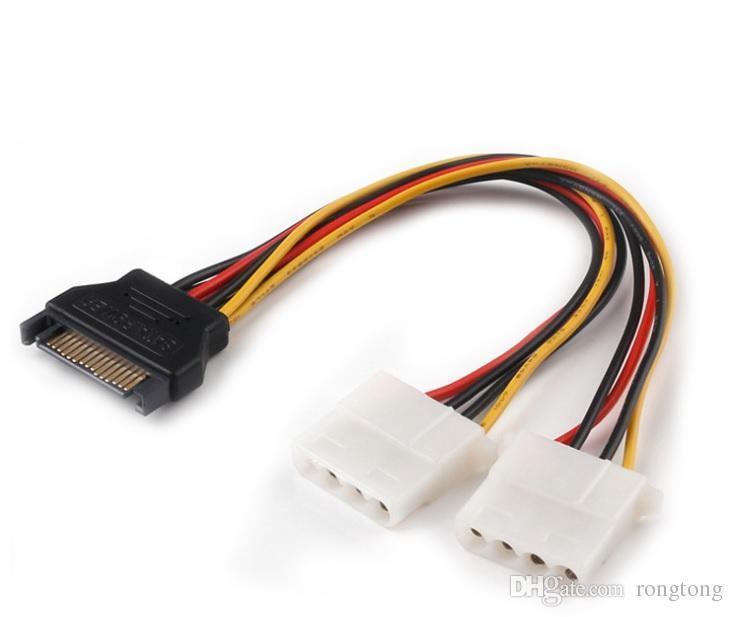
- SATA: Serial ATA (Serial Advanced Technology Attachment or SATA) is a standard for connecting and transferring data from hard disk drives (HDDs) to computer systems. As its name implies, SATA is based on serial signalling technology, unlike Integrated Drive Electronics (IDE) hard drives that use parallel signalling.
- Network
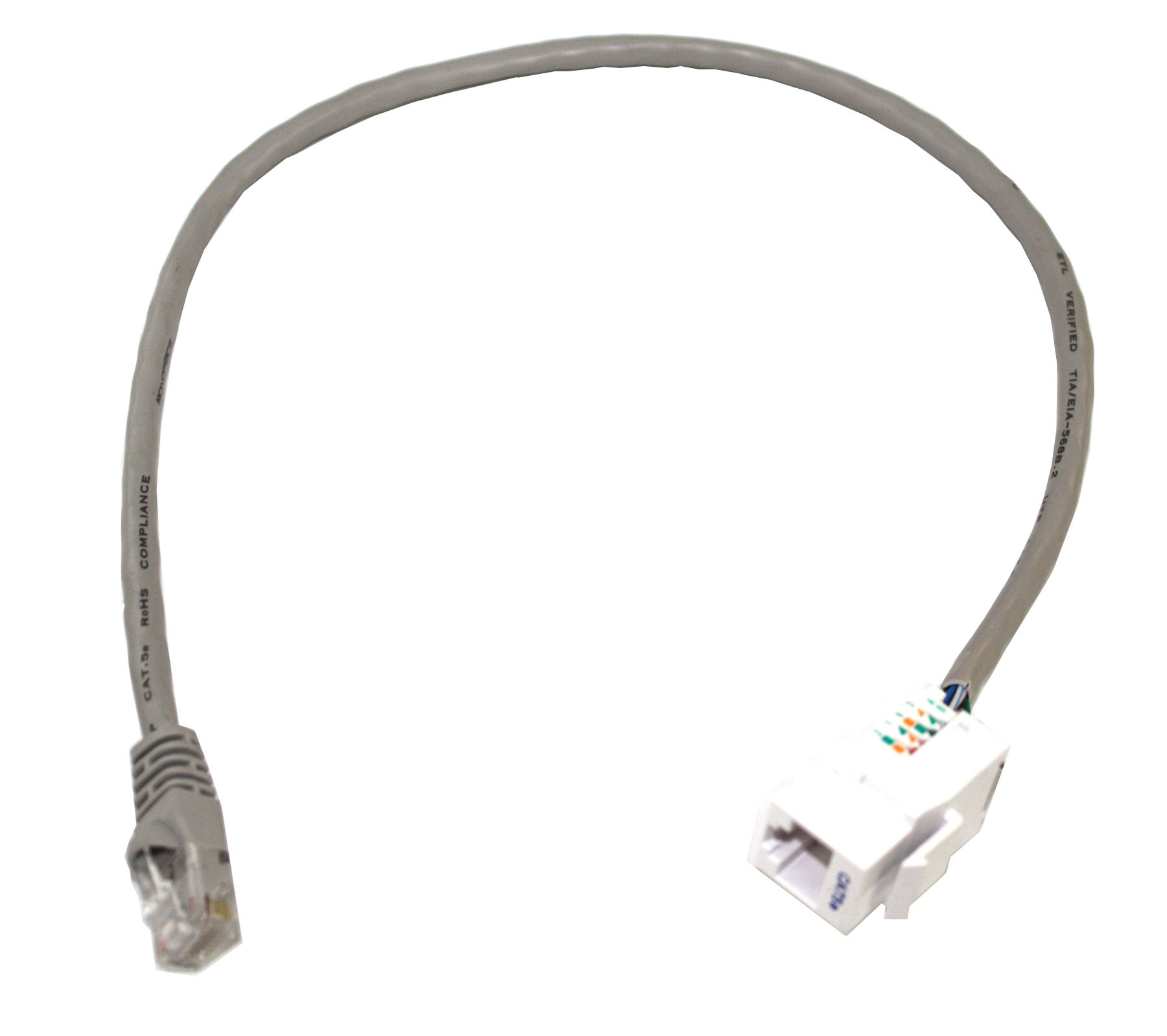
- Characteristics: The port number identifies what type of port it is. For example, port 80 is used for HTTP traffic. Some ports have numbers that are assigned to them by the IANA, and these are called the "well-known ports" which are specified in RFC 1700.
- Purpose: In TCP/IP and UDP networks, a port is an endpoint to a logical connection and the way a client program specifies a specific server program on a computer in a network.
- Firewire
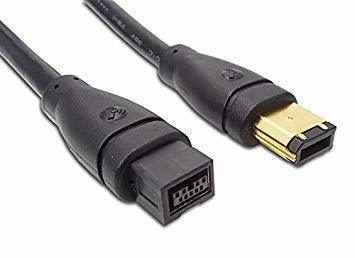
- Along with USB, Firewire is another popular connector for adding peripherals to your computer. Firewire is most often used to connect digital camcorders, external hard drives, and other devices that can benefit from the high transfer rates supported by the firewire connection.
- USB
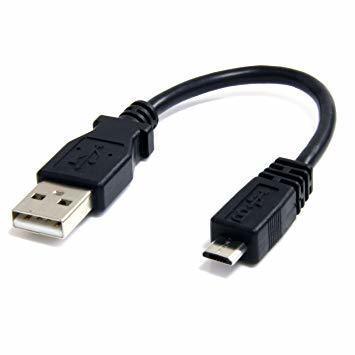
- Universal Serial Bus [USB] Ports enable the computer to connect with standalone devices such as printers, cameras, camcorders, broadband modems and mobile devices. The term, Universal Serial Bus refers to the standard for digital data communications over short distances covering the cables, connectors and communications protocol used by these devices.
- Fiber Channel
Memory
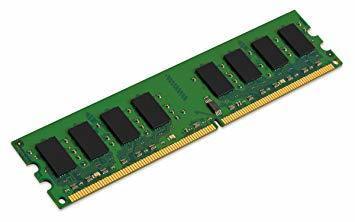
- RAM
- Purpose: RAM (pronounced ramm) is an acronym for random access memory, a type of computer memory that can be accessed randomly; that is, any byte of memory can be accessed without touching the preceding bytes. Temporary data. Open applications.
- Characteristics: RAM is found in servers, PCs, tablets, smartphones and other devices, such as printers. It is a green, chip looking stick which is found on the motherboard.
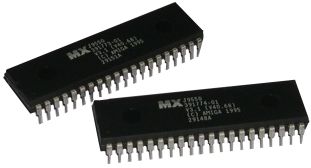
- ROM
- Purpose: ROM stands for “read-only-memory.” Once data has been written onto a ROM chip, it cannot be removed and can only be read. E.G. Boot up instructions are ROM and cannot be edited.
- Characteristics: Unlike main memory (RAM), ROM retains its contents even when the computer is turned off. ROM is referred to as being non-volatile, whereas RAM is volatile.
- RAM
Expansion Cards
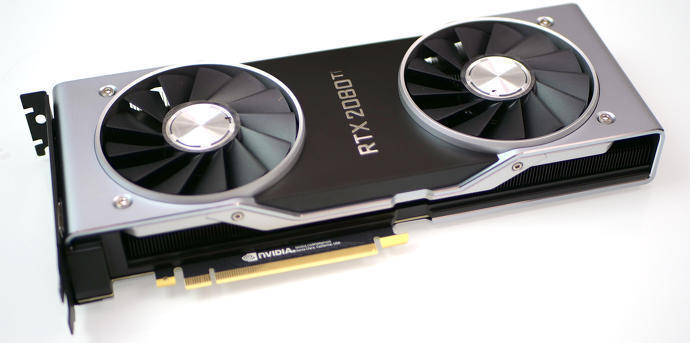
- Graphic
- A video card (also called a display card, graphics card, display adapter or graphics adapter) is an expansion card which generates a feed of output images to a display (such as a computer monitor).
- Sound
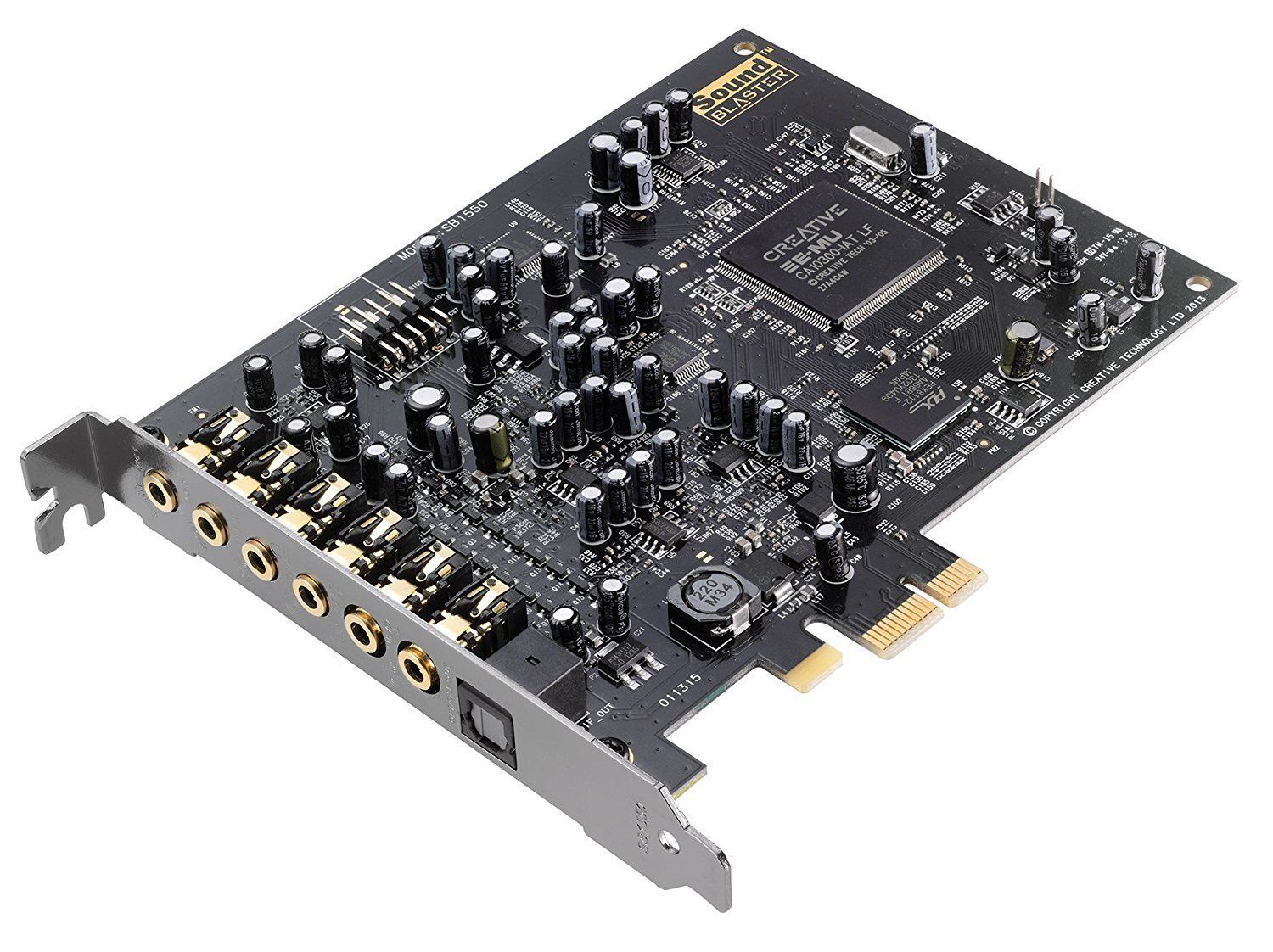
- A sound card is an expansion card or IC for producing sound on a computer that can be heard through speakers or headphones. Although the computer does not need a sound device to function, they are included on every machine in one form or another, either in an expansion slot or built into the motherboard (on-board).
- Network
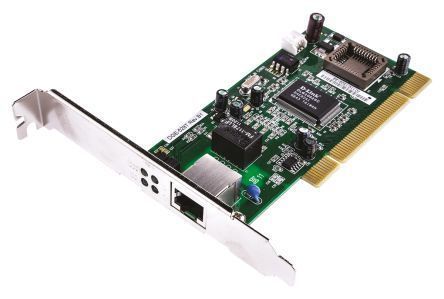
- A Network interface card (also known as a NIC, network card, or network interface controller) is an electronic device that connects a computer to a computer network, usually a LAN. It is considered a piece of computer hardware.
- Storage Controller
- A storage controller is a device that controls storage arrays, and mainly comprises the three types of components—"CPU" (central processing unit), "cache memory" and "connection interface with the network and memory devices." It is otherwise called "storage processor" or "array controller," among other names.
- Fiber Channel
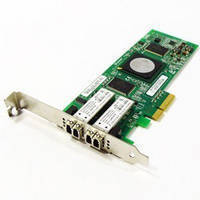
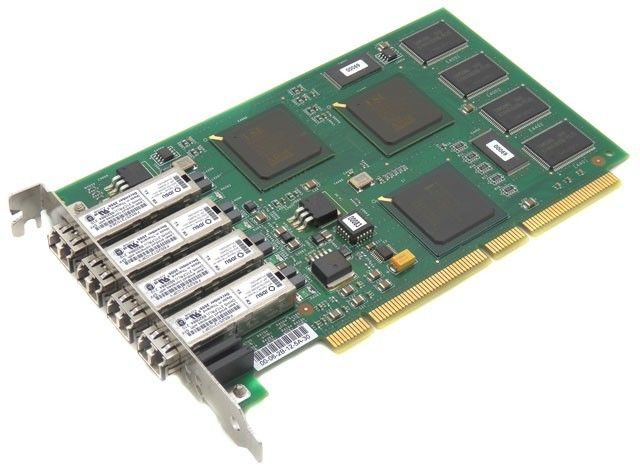
- Fiber Channel is a high-speed networking technology primarily used for transmitting data among data centres, computer servers, switches and storage at data rates of up to 128 Gbps. ... The Fibre Channel interface was created for storage area networks (SANs).
- Graphic
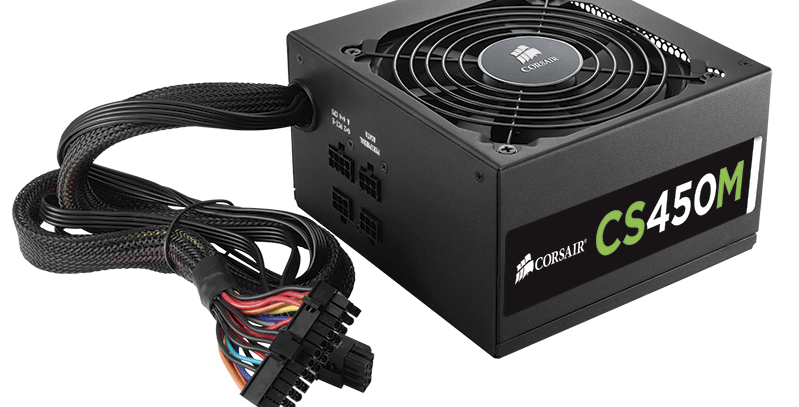
Power Supply
- Characteristics: Most personal computers can be plugged into standard electrical outlets. The power supply then pulls the required amount of electricity and converts the AC current to DC current.
- Purpose: : Also called a power supply unit or PSU, the component that supplies power to a computer.
Bilder und Dateien der Mindmap
Informationen
- Beschreibung
- A level IT Mindmap am 1.2 - Computer Components, erstellt von Reilly Abbott am 26/10/2018.
- Erstellt von
- Reilly Abbott
- Aufrufe
- 0
- Bewertung