
Mindmap
Text Types
Inhalt der Mindmap
Text Types
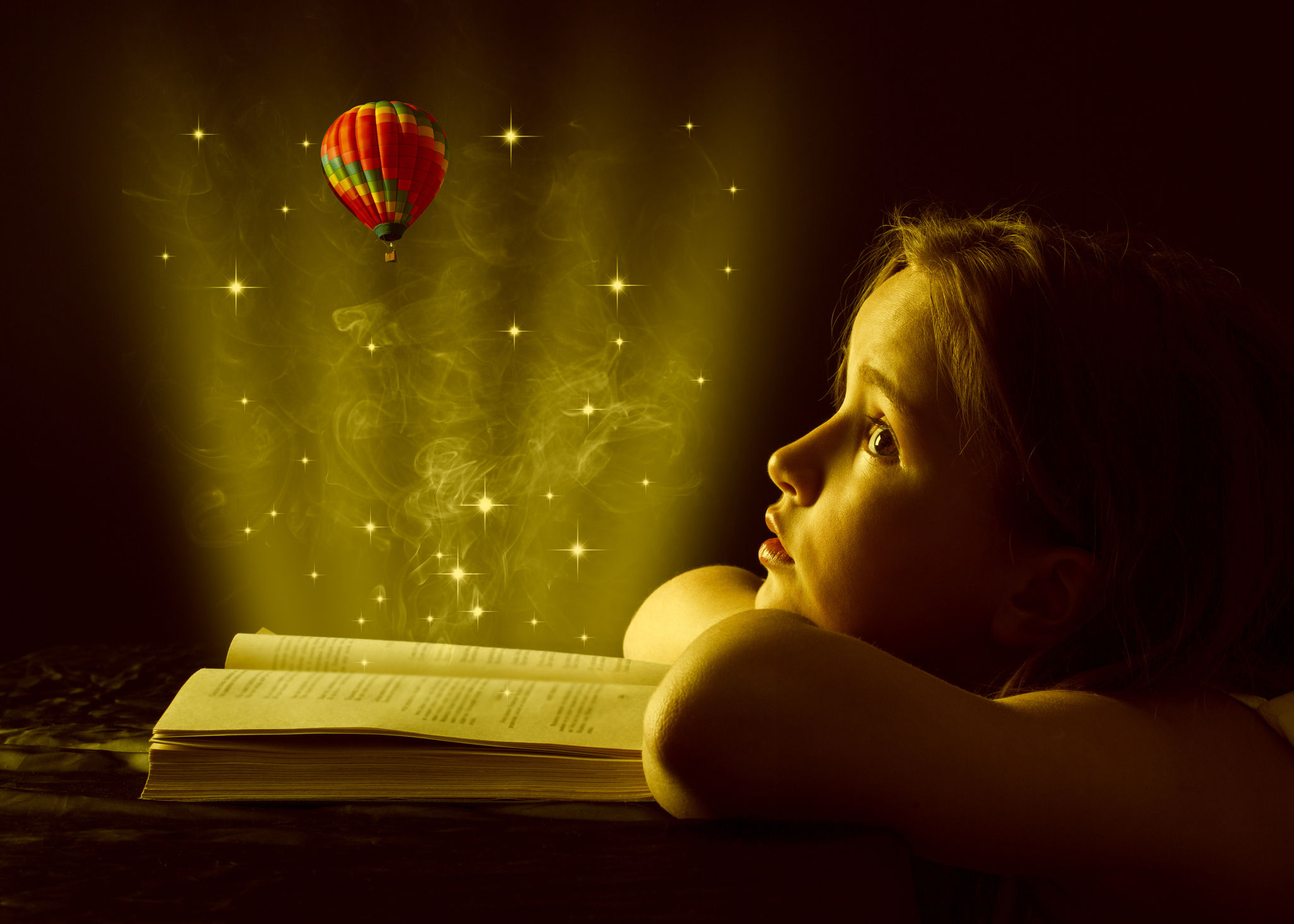
Narrative
- Adventure
- Works with very attractive features such as action, travel, risk and mystery
- The scenarios are usually exotic away from reality.
- Its plot is based on a hero and on quick and concrete actions.
- The essential purpose of narrative is to tell a story.
- Mystery
- Its aim is to create uncertainty for the reader
- Different cultures often share views about the kinds of settings that seem mysterious
- Its plot is based on death and things out of this world
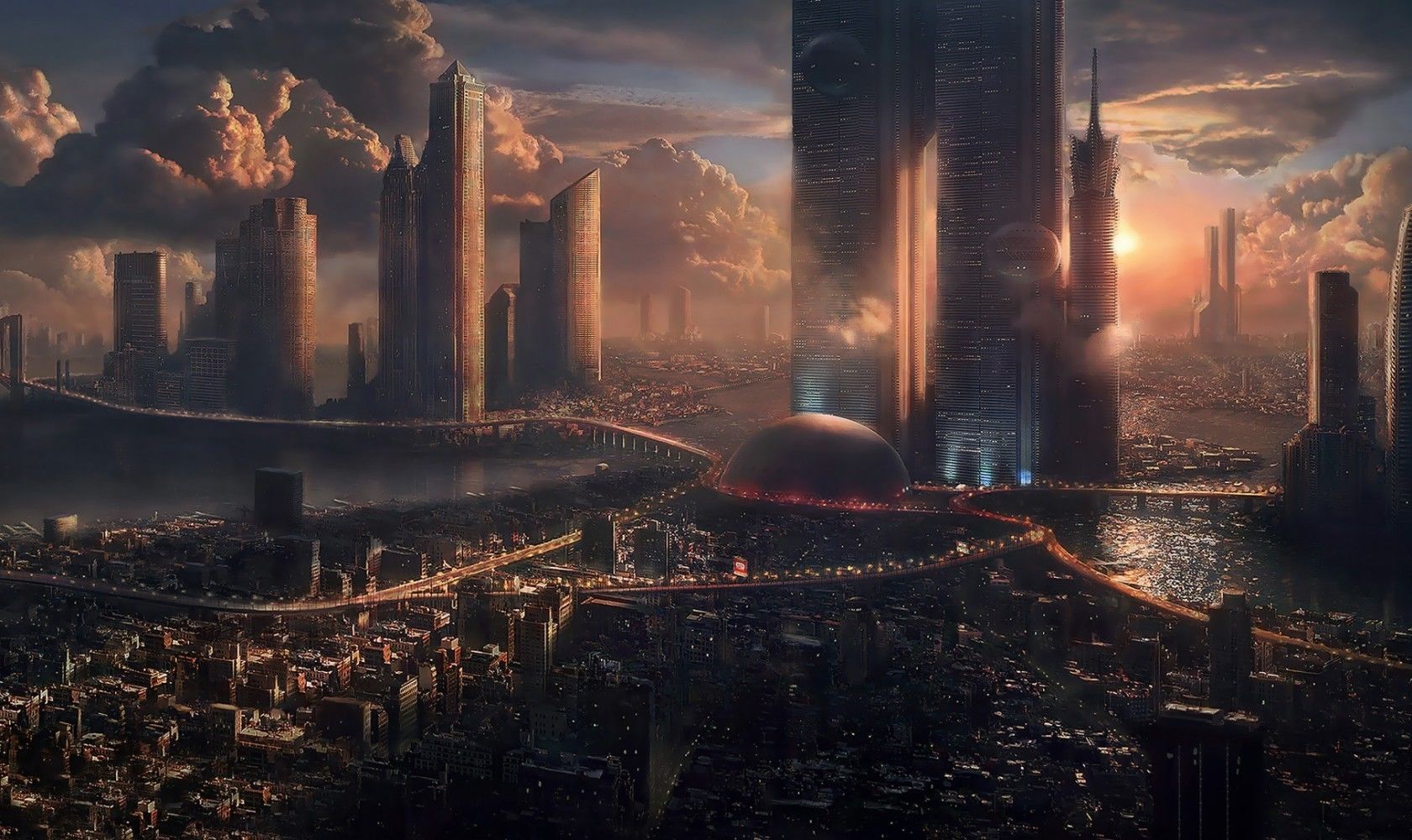
- Science Fiction
- Existence of fictitious or yet to be developed technologies
- Future, spatial or fictional environments
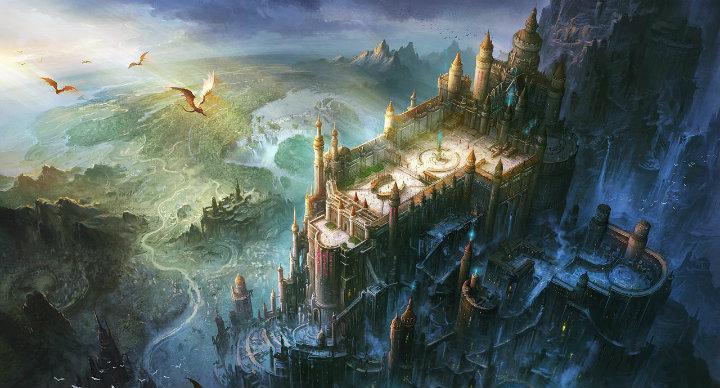
- Fantasy
- It has supernatural or inexplicable elements that create a break with reality.
- There are several types of worlds
- Can set aside physical laws and conventional norms.
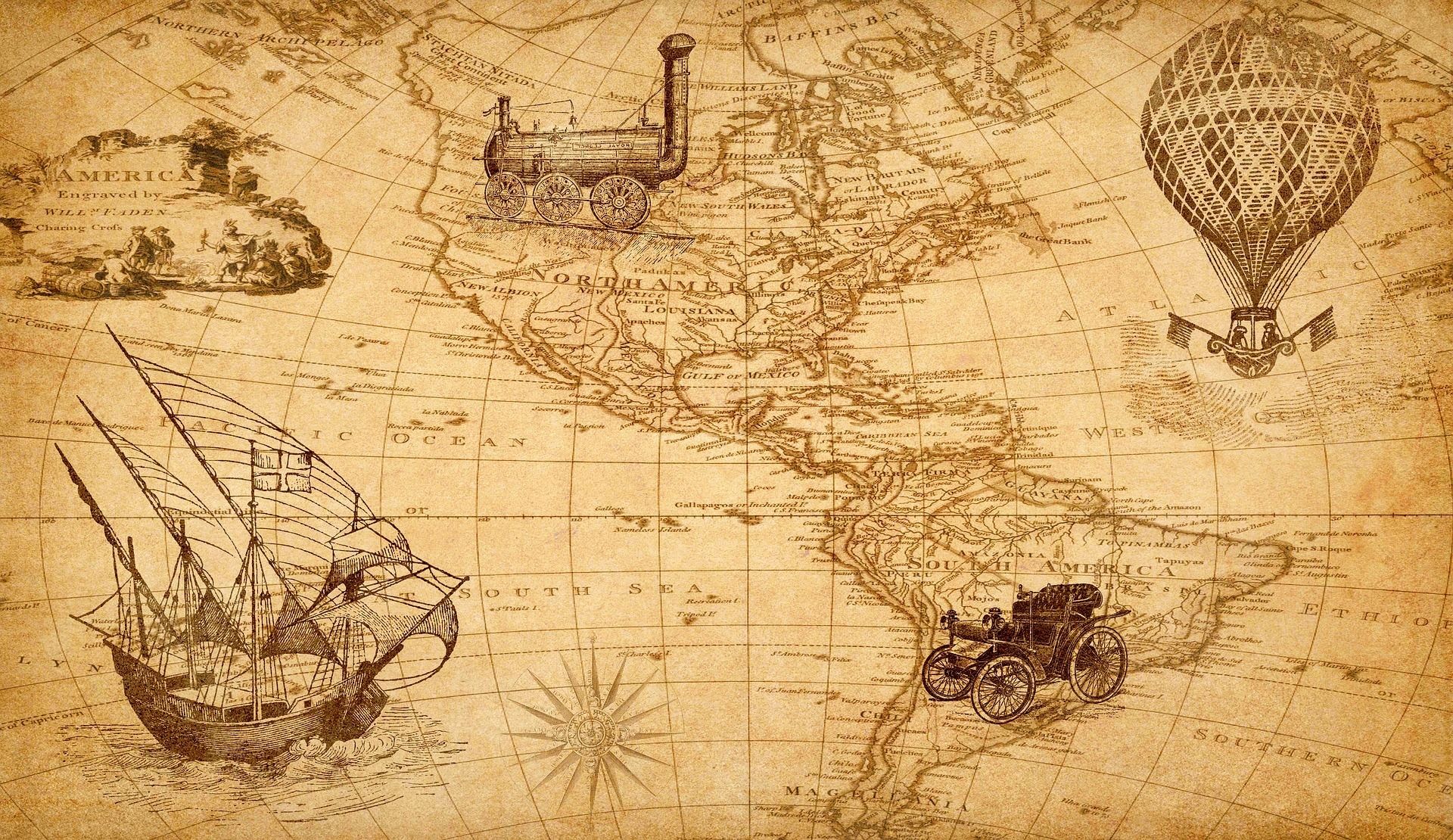
- Historical fiction
- Is about something that has already happened in the past
- Requires a historical setting but can also be an adventure or a mystery.
- Dilemma Stories
- The strength of the story often depends on a character facing a difficult dilemma.
- Makes the reader wait to find out how it is dealt with.
- Contemporary fiction
- This type of narrative includes school stories, things that happen in the home or in local settings
- Stories therefore often reflect children’s own experiences, are often personal and structured as a recount.
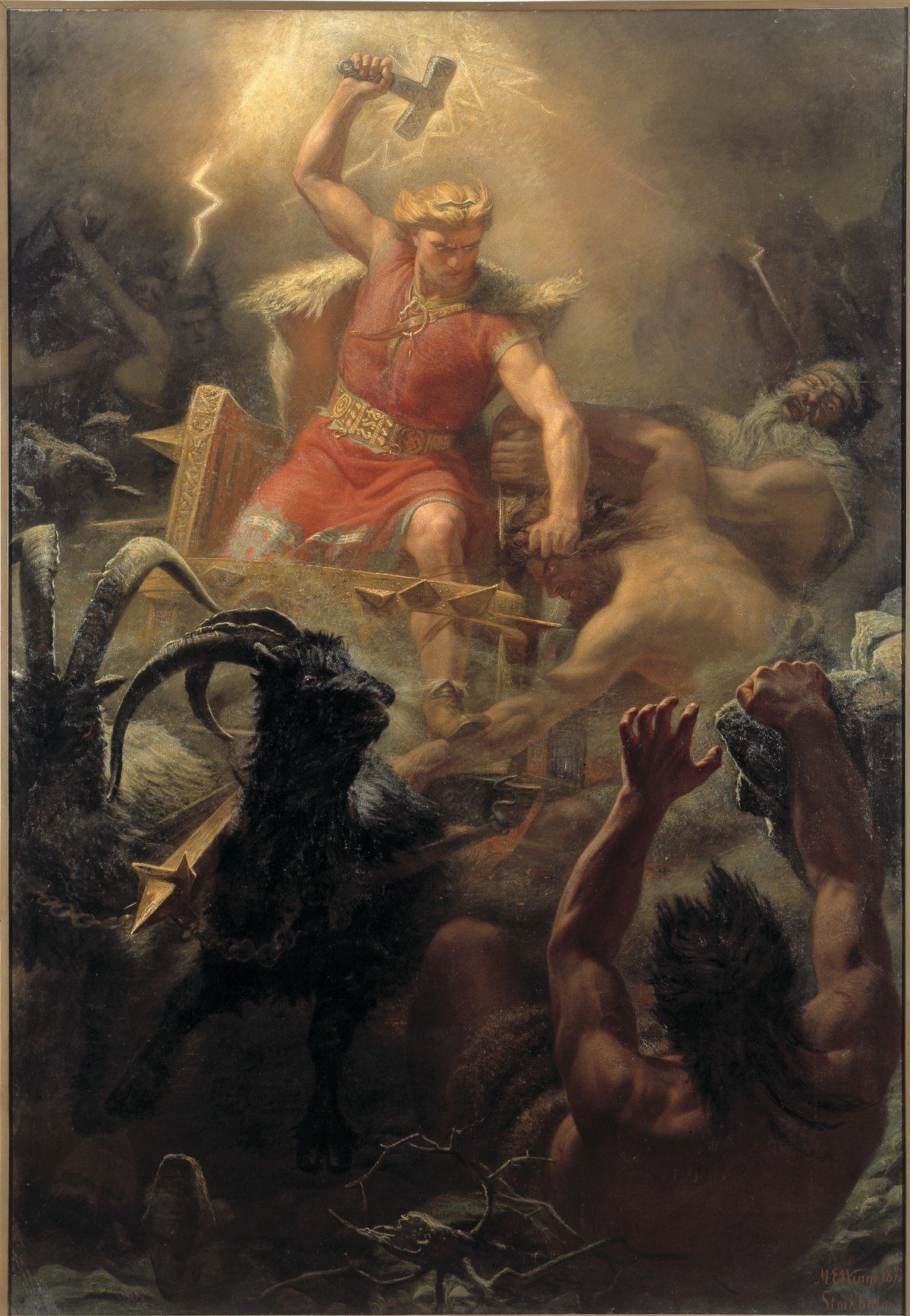
- Myths
- The plot is often based on a long and dangerous journey, a quest or a series of trials for the hero
- They provide a very useful contrast with shorter forms of traditional narrative such as fables
- Legends
- Structure is usually chronological, with one episode told after another
- Some legends tell the whole life story of their hero as a series of linked episodes
- Fairy Tales
- Structure is most typically a recount in chronological order
- Often the hero or heroine is searching for something and in many tales dreams are fulfilled with a little help from magic
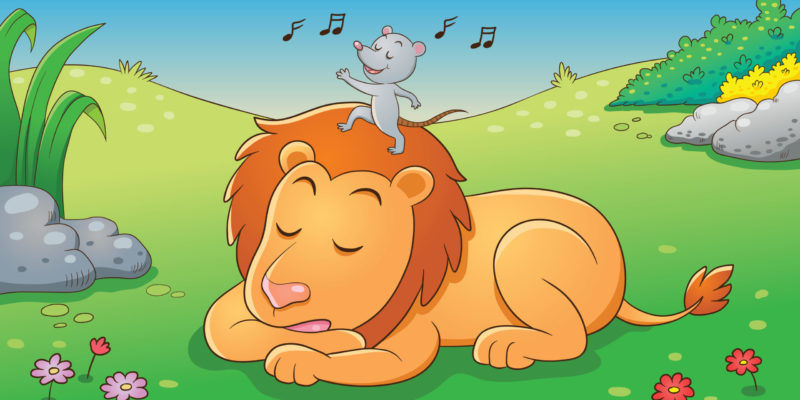
- Fables
- Two characters (often animals) meet, an event occurs and they go on their way with one of them having learned an important lesson about life.
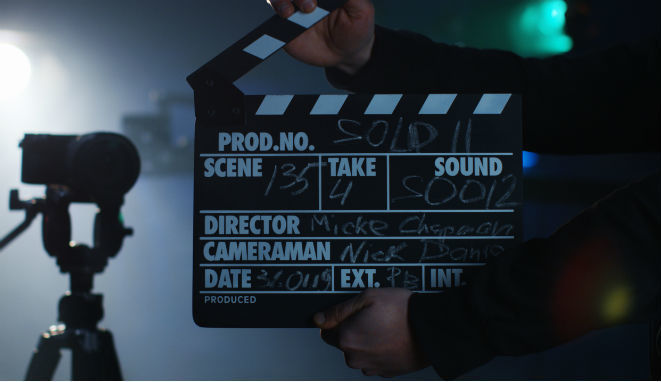
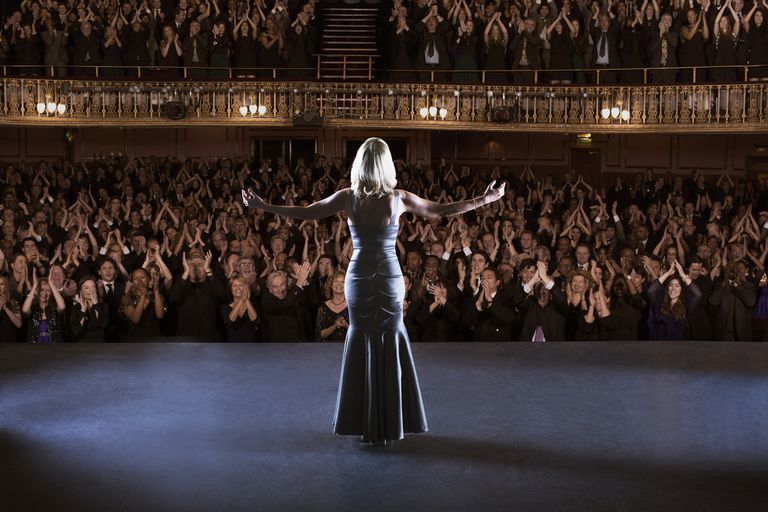
- Dialogue, play scripts, and film narrative
- Comic strip and some digital animations usually include speech bubbles within the images
- Interactive texts may include combinations of on-screen speech bubbles and audio dialogue, e.g. accessed by rollover or mouse click.
- Adventure
Non-fiction
- Refers to literature based in fact.
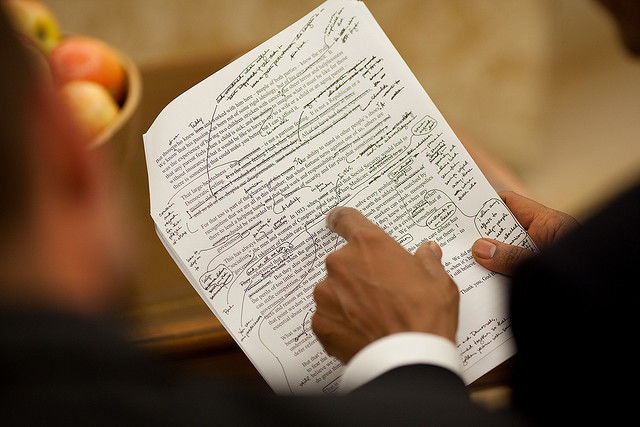
- Discussion texts
- To present a reasoned and balanced overview of an issue or controversial topic.
- Argumens
- Suppording
- Against
- To present a reasoned and balanced overview of an issue or controversial topic.
- Explanatory texts
- To explain how or why, e.g. to explain the processes involved in natural/social phenomena or to explain why something is the way it is.
- The steps or phases in a process are explained logically, in order.
- To explain how or why, e.g. to explain the processes involved in natural/social phenomena or to explain why something is the way it is.
- Instructional/procedural texts
- To ensure something is done effectively and/or correctly with a successful outcome for the participant(s).
- Text are found in all areas of the curriculum and include rules for games, recipes, instructions for making something and directions.
- To ensure something is done effectively and/or correctly with a successful outcome for the participant(s).
- Persuasion texts
- To argue a case from a particular point of view and to encourage the reader/listener towards the same way of seeing things.
- Elements of persuasive writing are found in many different texts including moving image texts and digital multimedia texts.
- To argue a case from a particular point of view and to encourage the reader/listener towards the same way of seeing things.
- Non-chronological reports
- To provide detailed information about the way things are or were.
- To help readers/listeners understand what is being described by organising or categorising information.
- Reports describe things the way they are, so they usually present information in an objective way.
- Recounts
- The primary purpose of recounts is to retell events
- Their most common intentions are to inform and/or entertain
- Stories and anecdotes can have a range of purposes, frequently depending on the genre being used
Poetry
- It is characterized by being the most refined manifestation, through words, of feelings, emotions and reflections that can be expressed by the human being around beauty, love, life or death.
- Free verse
- Is not restricted by conventions of form or pattern and does not have to rhyme or maintain a consistent structure (such as line-length) throughout.
- Monologue
- Conversation poems
- Is not restricted by conventions of form or pattern and does not have to rhyme or maintain a consistent structure (such as line-length) throughout.
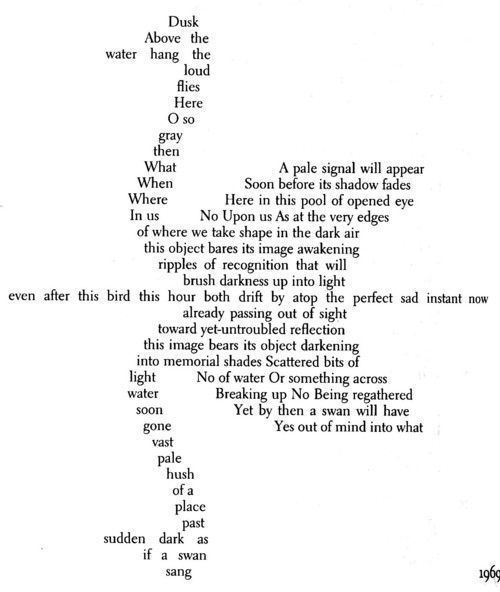
- Visual poems
- The words are presented to create a particular shape, to create an image or to convey a visual message.
- Meaning may be literal or rely on metaphor.
- Letter shapes may be exaggerated in the design.
- Meaning may be literal or rely on metaphor.
- The words are presented to create a particular shape, to create an image or to convey a visual message.
- Structured poems
- Follow a consistent framework based on features such as line length, syllable count, rhyme pattern, rhythm, metre or a combination of these.
- There are many forms of structured poetry. Some are culturally specific.
- Cinquain
- Quatrain
- Couplets
- Rap
- Limerick
- Kennings
- Haiku
- Tanka
- Renga
- Ballads
- Question and answer poems
- There are many forms of structured poetry. Some are culturally specific.
- Follow a consistent framework based on features such as line length, syllable count, rhyme pattern, rhythm, metre or a combination of these.
- Free verse
- It is characterized by being the most refined manifestation, through words, of feelings, emotions and reflections that can be expressed by the human being around beauty, love, life or death.
Bilder und Dateien der Mindmap








Informationen
- Beschreibung
- Mindmap am Text Types, erstellt von Nadia Selene Hernandez Ramirez am 18/09/2020.
- Erstellt von
- Nadia Selene Hernandez Ramirez
- Aufrufe
- 1
- Bewertung