
Mindmap
The Chemistry of Life
Inhalt der Mindmap
The Chemistry of Life
Atom
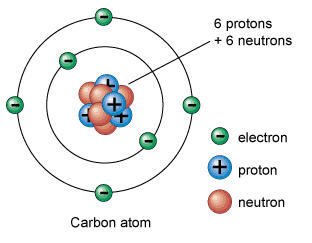
- It is the basic unit of matter. It is made of sub-atomic particles
- Protons
- It is one of the three sub-atomic particles that make up Atom.
- It has positive charge
- 1 atomic mass unit
- Neutrons
- It is one of the three sub-atomic particles that make up Atom.
- It has no charge
- 1 atomic mass unit
- Electron
- It is one of the three sub-atomic particles that make up Atom.
- 0.0005 atomic mass unit
- It has negative charge
- Stucture
- Always 2 electron on the first level.
- Isotopes
- Atoms of different elements that in the number of neutrons
Chemical Bond
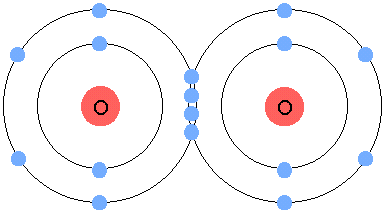
- The bond that held Atoms together.
- Covalent Bond
- examples
- C02
- share eletron
- examples
- Ionic Bond
- Transfer eletron
- example
- Nace
Compound
- 2 or more different elements
- Example
- O2
Properties of water
- Water molecule
- Structure
- Oxygen
- Hydrogen
- fuction
- polar
- Polar is a molecule that has uneven charges
- polar
- Hydrogen-bonding
- The attraction between hydrogen and oxygen atom on the water molecule is hydrogen bonding
- Weaker than covalent and ionic
- Structure
- unique properties
- It is cause by polarity and Hydrogen bonding.
- High specific heat capacity
- It takes more energy to heat it up
- Cohesion
- It is an attraction between molecules of same substance.
- Water stick to itself
- Adhesion
- It is an attraction between molecules of different substance.
- Water sticks to other things
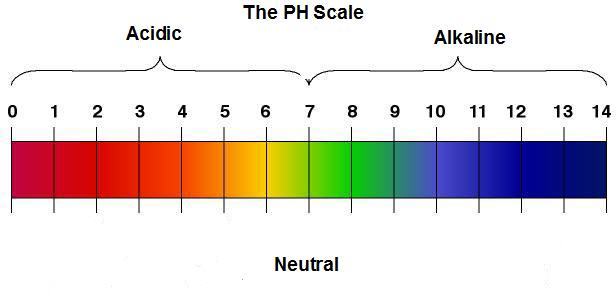
- PH
- It stands for Potential hydrogen
- Acid
- An acid is any compound that form H+ ions in solution
- Base
- A base is a compound that produces hydroxide ions in solution.
- PH Scaale
- Neutral
- It has the ph of 7.
- Water molecule
Carbon Compounds
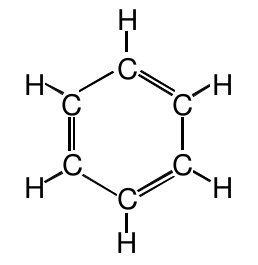
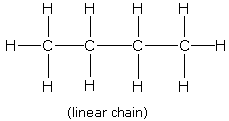
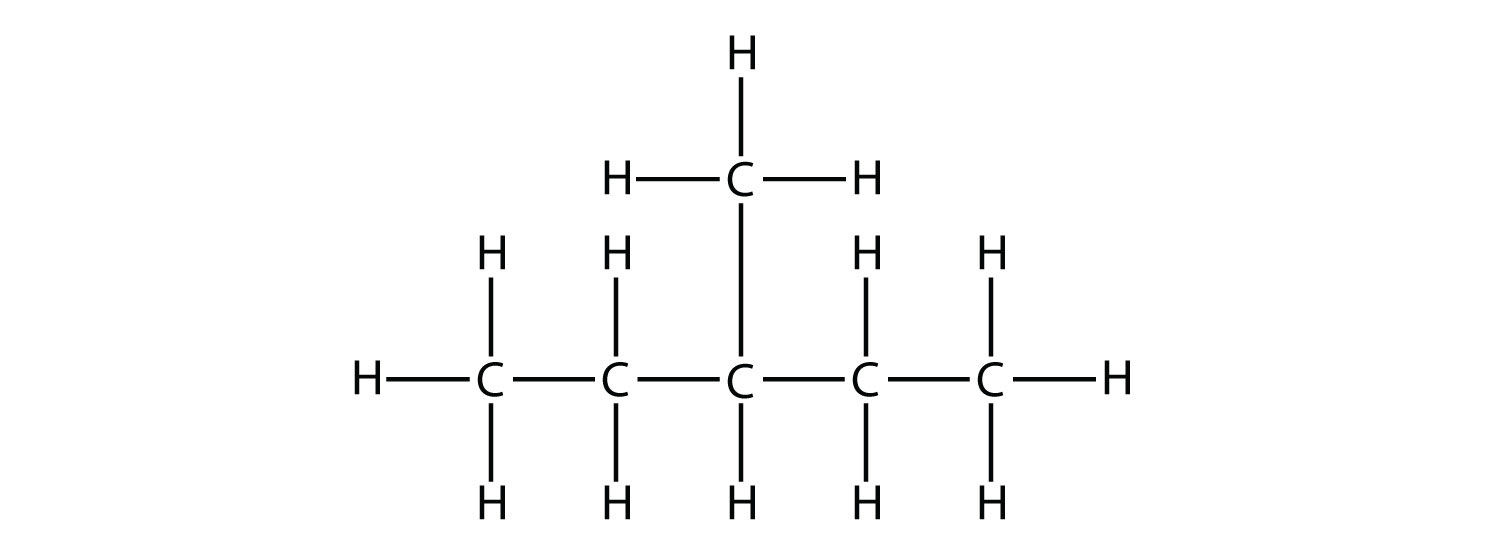
- Chemistry of Carbon
- Stable
- Can bond with 4 other elements
- Structure
- Rings
- Chains
- Branches
- Chemistry of Carbon
Macromolecules
- Polymers
- It means many units join together
- Monomers
- It is singer unit
- Polymers
Biological molecules
- Carbohydrates
- Carbohydrates are compounds made up of carbon, hydrogen, and oxygen atoms in a ratio of 1:2:1. It is short term energy.
- Lipids
- Lipids are insoluble. It is made form carbon and hydrogen atoms. It is long term energy.
- triglycerides
- A triglyceride is an ester derived from glycerol and three fatty acids.
- steroids
- A steroid is an organic compound with four rings arranged in a specific configuration.
- phospholipids
- Phospholipids are a class of lipids that are a major component of all cell membranes. They can form lipid bilayers because of their amphiphilic characteristic.
- Fitty acids
- Fatty acids are the building blocks of the fat in our bodies and in the food we eat.
- Saturated
- Untaturated
- Proteins
- Proteins are macromolecules that contain nitrogen as well as carbon, hydrogen, and oxygen.
- Nucleic acids
- Nucleic acids are macromolecules containing hydrogen, oxygen, nitrogen, carbon, and phosphorus.
- DNA
- Deoxyribonucleic acid is a molecule that carries most of the genetic instructions used in the development, functioning and reproduction of all known living organisms and many viruses.
- RNA
- RNA is a polymeric molecule implicated in various biological roles in coding, decoding, regulation, and expression of genes.
- Carbohydrates
Bilder und Dateien der Mindmap
Informationen
- Beschreibung
- This is a mind-map for the chemistry of life
- Erstellt von
- 杜展旻
- Aufrufe
- 39
- Tags
- Bewertung