Mindmap
Classroom Management
Inhalt der Mindmap
Classroom Management
ART
SCIENCE
- Innate abilities complements learning teaching skills
- PRINCIPLES
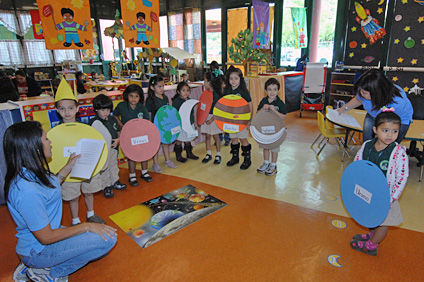
- 1. PHYSICAL ENVIRONMENT
- 1. Sight, sound & Comfort
- Clean, order, visual tools, noise control
- 2. Seating Arrangements
- - To have a plan in mind. - To organize in semi- circles or one circle that allows ss interaction.
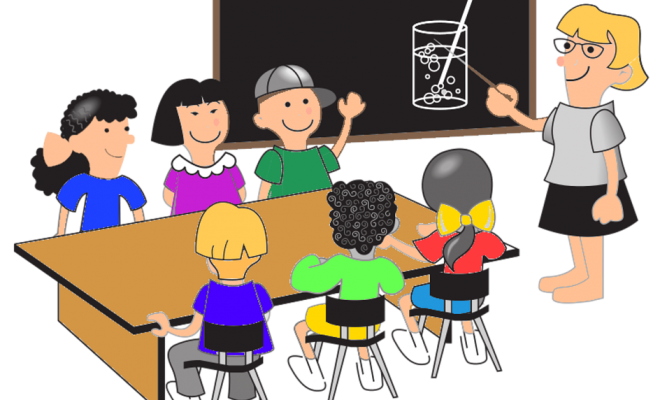
- 3. Chalkboard Uses
- - Provide visual input. - Requiere to be neat and orderly. - It is necessary erase as often as appropriate.
- 4. Equipment
- It is comfortable, have a good audio and good location, It works, and teacher know how to operate it.
- 1. Sight, sound & Comfort
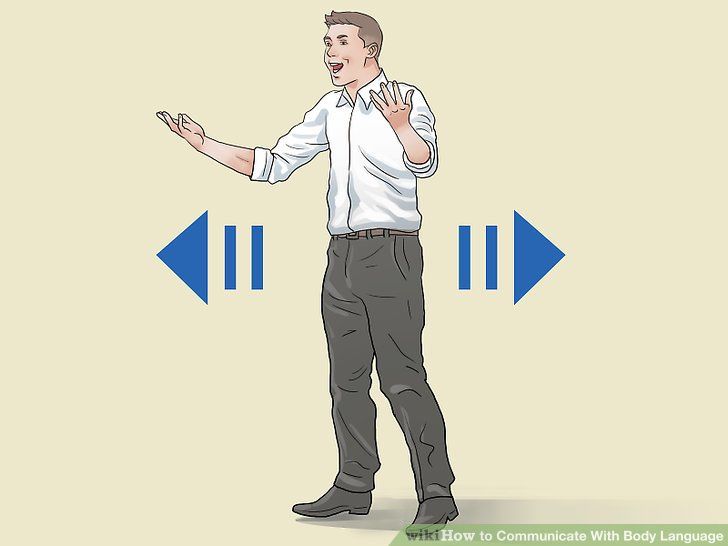
- 2. VOICE AND BODY LANGUAGE
- 1. Voice projection. 2. Clear articulation.
- - Posture with confidence. - Reflect optimism, brightness, and warmth. - Facial and hands gestures to enhance meanings. - Eye contact. - Move around. - Dress appropriately.
- 3. UNPLANNED TEACHING: MIDSTREAM LESSON CHANGES
- Take decissions when unexpected events changes the lesson plan.
- POISE
- Keep in calm
- Assessing situation quickly
- Making change
- POISE
- Take decissions when unexpected events changes the lesson plan.
- 4. TEACHING UNDER ADVERSE CIRCUMSTANCES
- 1. Large classes
- - Learn student names and use them. - Use pair work and small groups.
- 2. Multiples proficiency levels in the same class.
- No categorize smart or bad students. Identify skills and abilities. Give individual techniques. Use learning centers. Group work tasks.
- 3. Compromise with the institution.
- Professional diplomacy and efficiency to bear on the varying degrees of hardship
- 4. Discipline
- Find the source of the problem
- 5. Cheating
- Spread out the students, give A & B form of a test with different order.
- 1. Large classes
- 5. TEACHERS´ROLES AND STYLES
- 1. Roles
- Authority, leader, knower, director, manager, counselor, guide, friend, confident, parent.
- 2. Styles
- Consistent with the rest of the teacher.
- 3. Cultural Expectations
- Be cautious, sensitive to the perceptions, negotiate changes in attitudes, be ready to compromise, be patient reaching goals
- AFFECTIVE OR EMOTIONAL SIDE
- 1. Roles
- 6 CREATING A POSITIVE CLASSROOM CLIMATE
- 1. Establishing rapport.
- Connection between teachers and studenst, built on trust and respect
- 2. Balance praise & criticism.
- Genuine praise, appropriately delivered, made a delicate balance.
- 3. Generate energy,
- Many mins in a circuit, thinking, writing and talking.
- Teacher is the key: solid preparation, confidence in abilities, positive beliefs in students, and a sense of joy
- POSITIVE, STIMULATING AND ENERGIZING
- 1. Establishing rapport.
- 1. PHYSICAL ENVIRONMENT
- PRINCIPLES
- Innate abilities complements learning teaching skills