
1623595
Beschreibung

Mindmap von meghansarah, aktualisiert more than 1 year ago

|
Erstellt von meghansarah
vor etwa 11 Jahre
|
|
Waste management
- Legeslation
- public health initiated
- 1875 local gov had to remove waste
- Local goverem,tn had to
remove waste, insially to
rremove verminbut also
to reduce deses spreads
and outbreaks!
- Local goverem,tn had to
remove waste, insially to
rremove verminbut also
to reduce deses spreads
and outbreaks!
- 1936 public heath act
- Control the disposal of waste to water
& defined statutory nuisance which
might lead to degradation of
health/environment
- Control the disposal of waste to water
& defined statutory nuisance which
might lead to degradation of
health/environment
- 1990
- emmmiosn as a whole
- watwer, air and land
- watwer, air and land
- if it is
damaging
waste it must
be done in
the least
harmfull way!
- Waste
collection,
regulation
and disposal
authorities
set up!
- emmmiosn as a whole
- 1875 local gov had to remove waste
- public health initiated
- types of waste
- Munciple.
- residential, comercial, instutional, Construction/demolition
- Landfill
- residential, comercial, instutional, Construction/demolition
- industrai and chemical
- industrail
- 4Xmunciple
- by products
- of other
processes
- of other
processes
- process specific
- al industry is specific
to that industy
- al industry is specific
to that industy
- incinerate or landfill
- 4Xmunciple
- chemical
- hazerdos waste
- hazerdos waste
- industrail
- interlinked
- hazards waste
- waste that is toxic and hazerdos to humans or the environemt
- regulated
- trying to limit
- trying to limit
- seperated
- expencif
- technology=
phones classed as
hazerdos
wasteand regulted
(campaign to
recycle phones!)
- waste that is toxic and hazerdos to humans or the environemt
- Munciple.
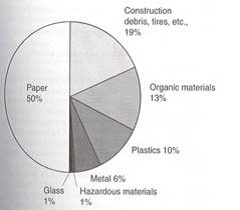
- waste levels are increasing
- increase with corelation to GDP
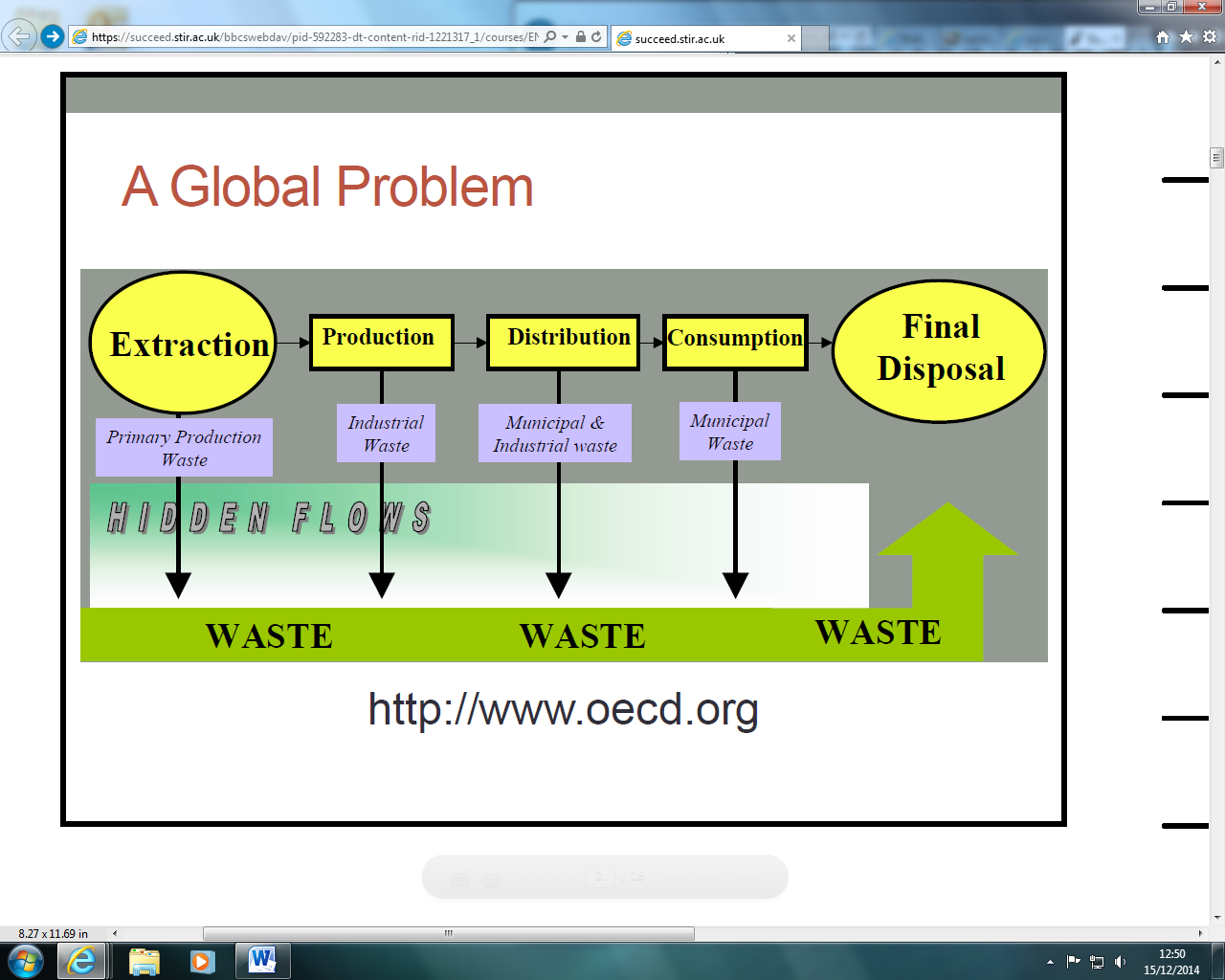
- OECD, 2008
- want to improve social
wellbeing and economics of the
world. provides a forum for the
world governments to share
experiences and solutions to
common problems
- Waste prevention
- Environmentally sound maanagemtn of waste
- extended producer responsibility
- want to improve social
wellbeing and economics of the
world. provides a forum for the
world governments to share
experiences and solutions to
common problems
- within developed conturies
- OECD, 2008
- plastic is the largest increse
- increase with corelation to GDP
- Use in other ways.
- Rubble from
building sites can be
used to reclaim land
from the sea.
- this is seen on the
Holy Loch (tributary
to the River Clyde) to
reclaim land that will
be used to house a
new marina facilities
- Rubble from
building sites can be
used to reclaim land
from the sea.
- Defining waste
- Anything that is discarded
(EU Council 1991)
- Waste exists as a variety of states,
Liquid, solid and gas. they must be
disposed of appropertly. They come from
a variety of sources from REsidual
(general public, household and small
bisnesses (landfill) farmers and industry
to nuclear.
- Anything that is discarded
(EU Council 1991)
- Organic/inorganic/biological
- organic
- destroyed by
heat/combustion
- pesticides,
cleaning
solvents paints,
fuel oil
- destroyed by
heat/combustion
- inorganic
- metals arsenic
inorganic elements
- metals arsenic
inorganic elements
- microbiological
- toxic materials, living cells
- bacteria and virisues
- bacteria and virisues
- toxic materials, living cells
- organic
- trading waste
- toxic waste is the most moved at nearly 800 million tons in 2000
- affluent nations pay
for there waste to be
dealt with by other
countries mainly
ones which are '3rd
world' or developing
- may not have the same
H&S standards as us or
may not deal with it in an
appropriate was
- may not have the same
H&S standards as us or
may not deal with it in an
appropriate was
- toxic waste is the most moved at nearly 800 million tons in 2000
- Basel
- permits of trade of
hazerdos waste between
developing and developed
countries
- Can only force
repatriation (return
of waste where is is
pratical
- permits of trade of
hazerdos waste between
developing and developed
countries
- landfill
- caped and sealed
landfill to stop water run
off being contaminated
- reduction through
recycling and
insineration
- landfill directive 1999
- to prevent or reduce as far
as possible the negative
effects on environment by
introducing technical
requirements for landfills
- to prevent or reduce as far
as possible the negative
effects on environment by
introducing technical
requirements for landfills
- UK and Scotland
- introduced by finance act 1996
- tax 2008
- £2.50 per ton of
inert waste (no
gasses, no
potential to
pollute ground
water
- other waste is £32 per ton.
Reason why waste being used
in Argyll to reclaim land.
- £2.50 per ton of
inert waste (no
gasses, no
potential to
pollute ground
water
- tax 2008
- management approches
- prevention,
minimisation,
recycle, reuse,
incineration,
landfill
- prevention,
minimisation,
recycle, reuse,
incineration,
landfill
- Scotland
- expectation to recycle more (from 5%
to30%), compost more(1%- 15%) and
covert to energy (1%-15%) every year
(2002-2020) figure by Scottish gov. made in
2003
- 41 landfill sites in scot
- most in deprived area
due to cheep land and
marketable
- most in deprived area
due to cheep land and
marketable
- Zero waste plan,
minimise waste, sort
waste
- 70% recycling target, max 5% to landfill
- 70% recycling target, max 5% to landfill
- expectation to recycle more (from 5%
to30%), compost more(1%- 15%) and
covert to energy (1%-15%) every year
(2002-2020) figure by Scottish gov. made in
2003
- introduced by finance act 1996
- caped and sealed
landfill to stop water run
off being contaminated
- Radioactive waste
- high activity waste but low
volume. low level waste but lots of
it
- 3,430,000m3 of
radioactive waste in the
uni, 93% is low level,
0.1% is high level waste
(equiveent to 1,090m3
- people and environment need to be protected from radioactive waste
- time dependent, long life long
protection neeed
- time dependent, long life long
protection neeed
- people and environment need to be protected from radioactive waste
- 3,430,000m3 of
radioactive waste in the
uni, 93% is low level,
0.1% is high level waste
(equiveent to 1,090m3
- Disposal
- HLW: underground Tanks, which its stored
- Looking for
volunteer
councils to have
HLW deposit
sites
- west Cumbria
council
volunteered as
they ahe
experience with
HLW due to
nucular site.
Backed out
- benefits include jobs
and economic.
- west Cumbria
council
volunteered as
they ahe
experience with
HLW due to
nucular site.
Backed out
- regulators
- Sepa is scotlands
- regulate waste disposal at low level repository -Dounreay
- ensure hig
standards for
protection ppl and
enviro are in place.
- regulate waste disposal at low level repository -Dounreay
- Sepa is scotlands
- staged regulation
- permits required
before start of intrusive
investigation
- decisions must be
taken to go ahead
before each and
every stage
- regulation control through construction and operation
- benefits
- Regulatory control from the
outset of development of a
geological disposal facility
- Transparent process for
communities and others
- enables better
co-ordination
of regulatory
processes
- Regulatory control from the
outset of development of a
geological disposal facility
- permits required
before start of intrusive
investigation
- HLW: underground Tanks, which its stored
- high activity waste but low
volume. low level waste but lots of
it
Medienanhänge
Möchten Sie kostenlos Ihre eigenen Mindmaps mit GoConqr erstellen? Mehr erfahren.