
Mindmap
Wind Energy
Inhalt der Mindmap
Wind Energy
What's wind energy?
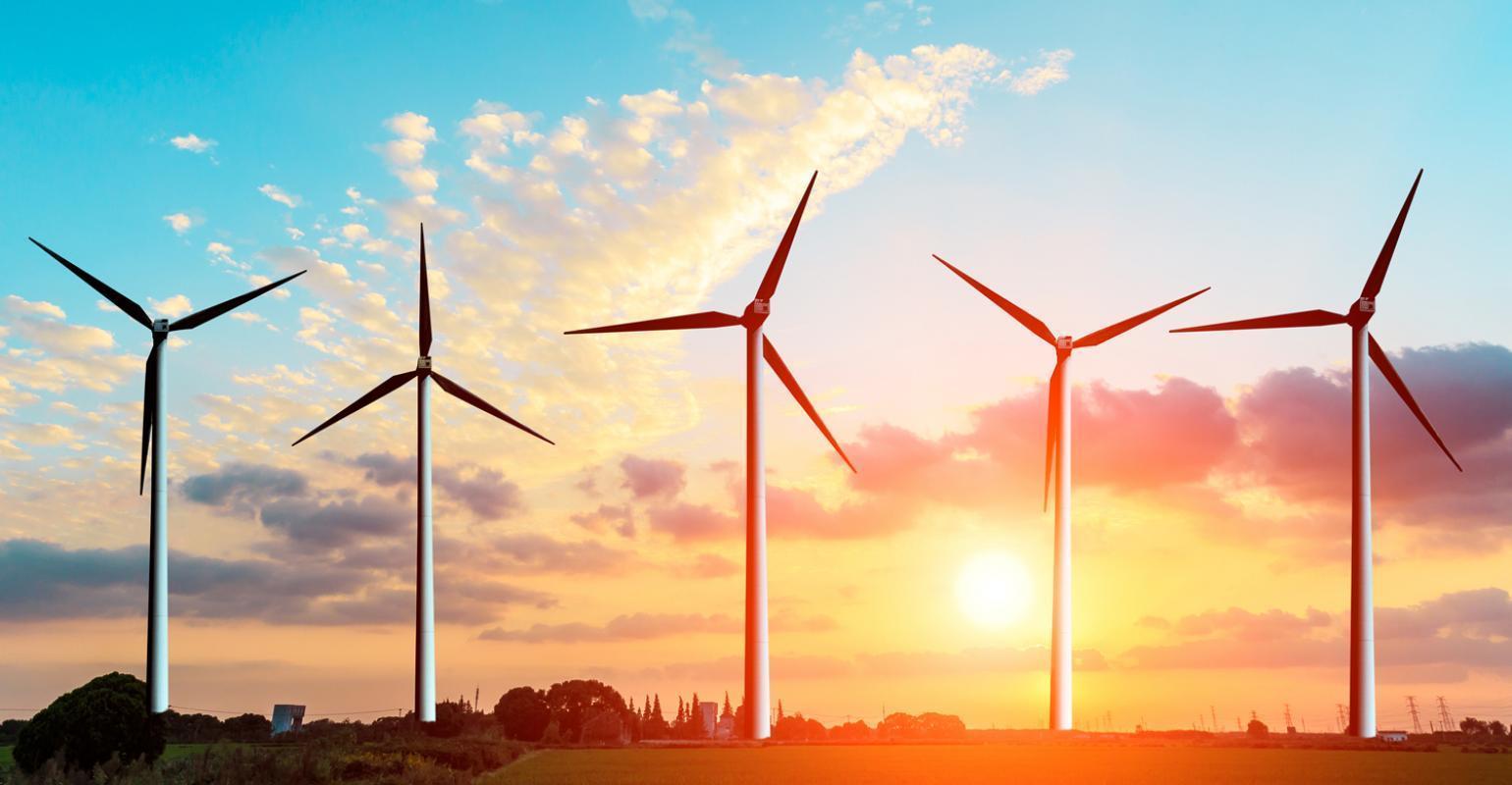
- Wind energy is a renewable energy source that is obtained from the kinetic energy of the wind that moves the blades of a wind turbine which in turn starts a turbine that converts it into electrical energy.
How wind energy works?
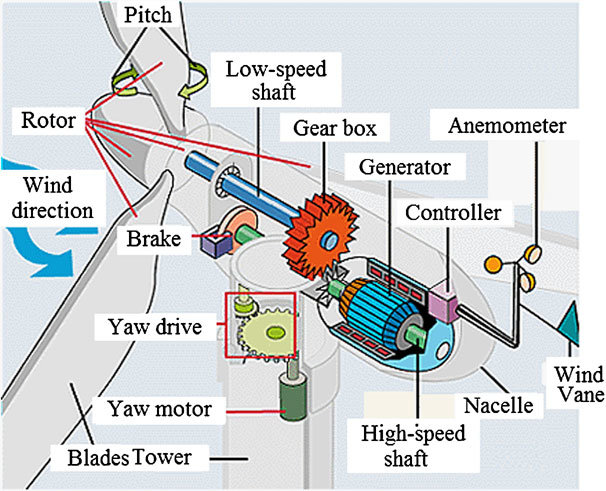
- We must start the process when the wind turbine is positioned to take full advantage of the energy of the wind, using the data recorded by the wind vane and anemometer and rotating on its tower. Then, the wind turns the blades that are connected to a rotor that in turn is connected to a multiplier that raises the speed of rotation to thousands of revolutions per minute.
- This kinetic energy has to be transferred to the generator that converts it into electrical energy that is conducted through the interior of the tower to its base, then continubses through the sutation to raise its voltage and continues to the electrical network for subsequent distribution.
- We must start the process when the wind turbine is positioned to take full advantage of the energy of the wind, using the data recorded by the wind vane and anemometer and rotating on its tower. Then, the wind turns the blades that are connected to a rotor that in turn is connected to a multiplier that raises the speed of rotation to thousands of revolutions per minute.
What are their characteristics?
- Wind energy is a renewable energy source, it does not pollute, it is inexhaustible and reduces the use of fossil fuels, the origin of the greenhouse effect emissions that cause global warming. In addition, wind energy is a native energy, available in practically the entire planet, which contributes to reducing energy imports and creating wealth and employment locally. The production of electricity through wind energy and its efficient use contribute to sustainable development.
How many types of wind energy are there?
- With types of wind energy, we mean the main types of wind turbines out there, as well as the types of wind power generation to obtain electricity.
- Horizontal axis wind turbines
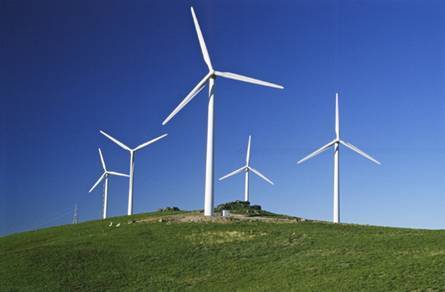
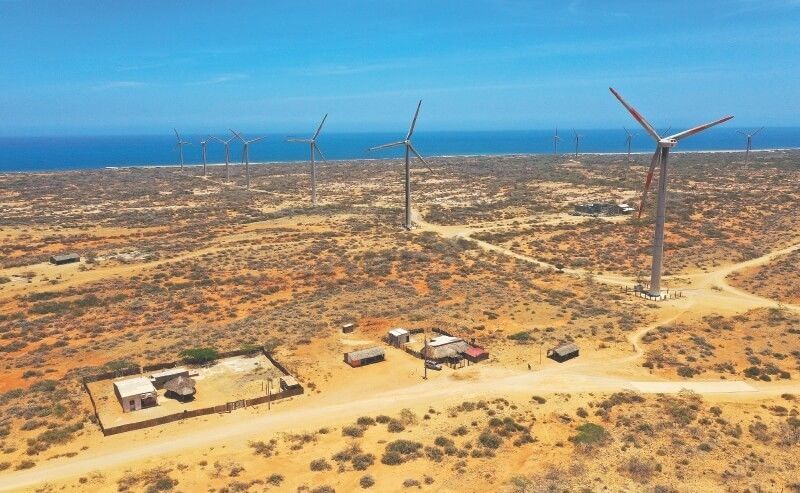
- A horizontal axis wind turbine is one that has its axis of rotation parallel to the ground. This type of wind turbine is the most prevalent and is the one that is usually used in wind farms.
- A horizontal axis wind turbine is one that has its axis of rotation parallel to the ground. This type of wind turbine is the most prevalent and is the one that is usually used in wind farms.
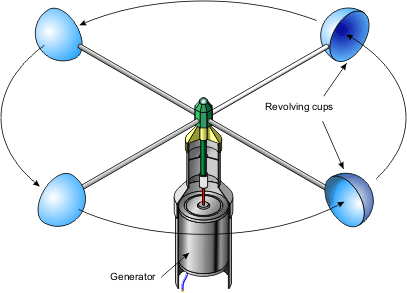
- Vertical axis wind turbines
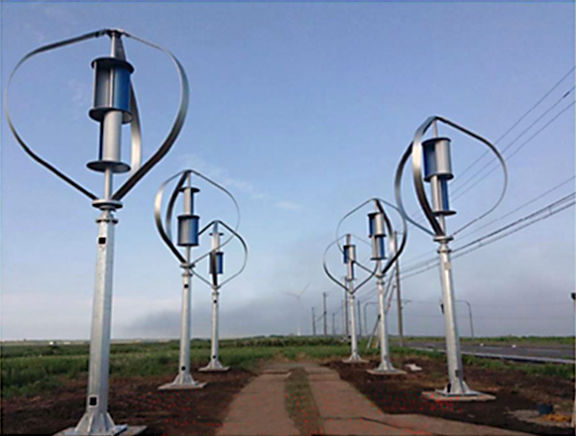
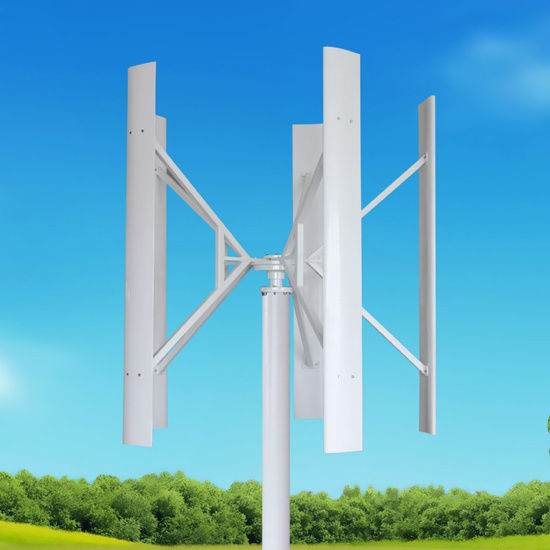
- A vertical wind generator is one whose axis of rotation is perpendicular to the ground. It is also called VAWT in English "Vertical Axis Wind Turbine", as opposed to horizontal axis or HAWT.
- A vertical wind generator is one whose axis of rotation is perpendicular to the ground. It is also called VAWT in English "Vertical Axis Wind Turbine", as opposed to horizontal axis or HAWT.
- Darrieus vertical wind turbine
- In this case, the rotor of the wind turbine is made up of a set of blades joined together, which can rotate around a vertical axis and whose straight section is in the shape of an aerodynamic profile. Here, said blades have an arcuate shape, are biconvex and can have various shapes.
- In this case, the rotor of the wind turbine is made up of a set of blades joined together, which can rotate around a vertical axis and whose straight section is in the shape of an aerodynamic profile. Here, said blades have an arcuate shape, are biconvex and can have various shapes.
- Horizontal axis wind turbines
- With types of wind energy, we mean the main types of wind turbines out there, as well as the types of wind power generation to obtain electricity.
Which are its advantages and disadvantages?
- ADVANTAGES
- It is indigenous or belongs directly to nature.
- It does not present harmful emissions.
- It comes from an inexhaustible source.
- Its use can lead to sources of employment and wealth.
- There is enough potential to supply the whole world with wind energy; it just needs to be developed further.
- DISADVANTAGES
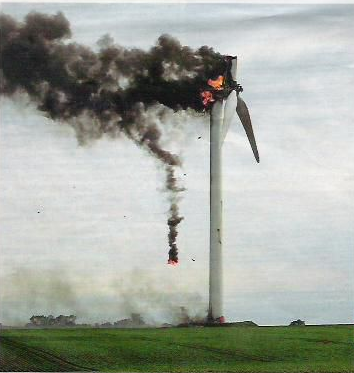
- If the wind speed is higher than the maximum that the turbine can withstand, it causes damage to the shaft and production is decreased, so control systems are required to disconnect the wind turbine or modify the blades.
- To distribute electrical energy from wind farms, it is necessary to build high voltage lines that are capable of conducting the maximum amount of electricity generated by the installation.
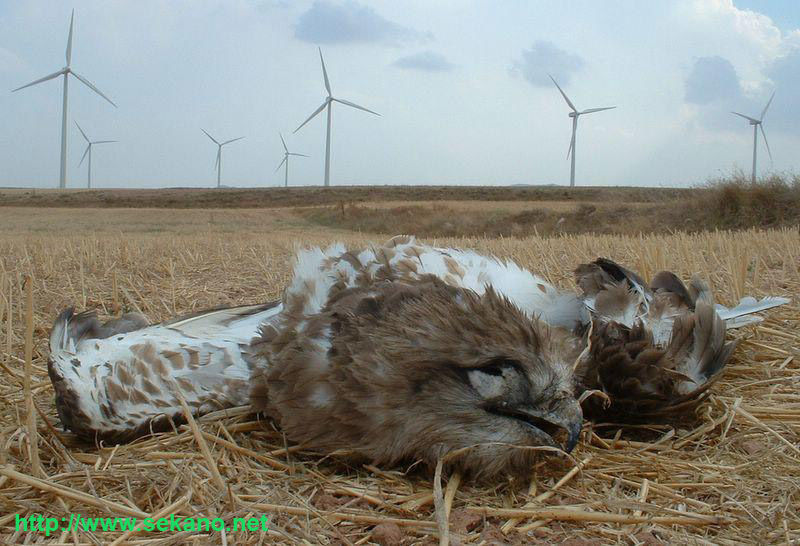
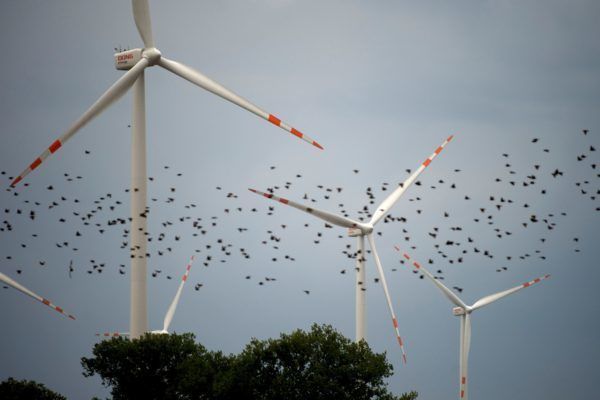
- Wind farms are usually located in natural settings, having an environmental and visual impact on them The installation of wind farms also coincides with the migratory routes of many birds, causing damage and deaths of birds and bats.
- Wind turbines cause an important landscape impact, as well as producing the so-called “disco effect” due to the intermittent illumination of the sun's rays between their blades, which is annoying for the nearest houses.
- If the wind speed is higher than the maximum that the turbine can withstand, it causes damage to the shaft and production is decreased, so control systems are required to disconnect the wind turbine or modify the blades.
- ADVANTAGES
What’s a turbine, its parts and how it Works?
- Wind turbine. Also known as a wind turbine, it is a turbine powered by wind energy. It is a motor turbomachine that exchanges momentum with the wind, turning a rotor.
- Components
- Rotor: contains the blades or blades.
- Nacelle or gondola: it is a kind of box that connects to the rotor and inside it is the gearbox and generator. On some models of large wind turbines, a helicopter can even land.
- Gearbox: it is responsible for multiplying the rotation of the rotor so that the generator receives the number of revolutions per minute sufficient to be able to transform wind energy into electricity.
- Electric generator: contains a series of magnets and coils that when rotating will generate electrical energy.
- Wind turbine tower: support structure, supports the nacelle and the rotor. Its interior is also used to climb the turbine and carry the wiring. The tower has a motor that allows the turbine to rotate in favorable wind directions.
- Components
- Wind turbine. Also known as a wind turbine, it is a turbine powered by wind energy. It is a motor turbomachine that exchanges momentum with the wind, turning a rotor.
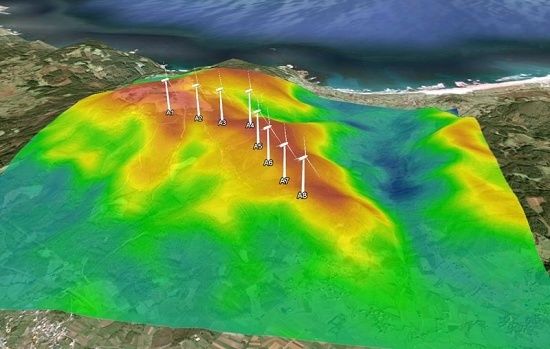
What should people do to develop a wind farm?
- Previous studies of the area must be carried out to determine the conditions of the construction without affecting animal life and the ecosystem.
- The size of the wind farm must be taken into account, since each mill has an approximate height of 23 meters.
- It must be built in an area that meets the requirements such as size, space, environmental impact and climate quality
- Previous studies of the area must be carried out to determine the conditions of the construction without affecting animal life and the ecosystem.
Bilder und Dateien der Mindmap
Informationen
- Beschreibung
- Mindmap am Wind Energy, erstellt von Laura Castillo am 14/08/2020.
- Erstellt von
- Laura Castillo
- Aufrufe
- 0
- Bewertung