
Mindmap
System Threats
Inhalt der Mindmap
System Threats
Phishing
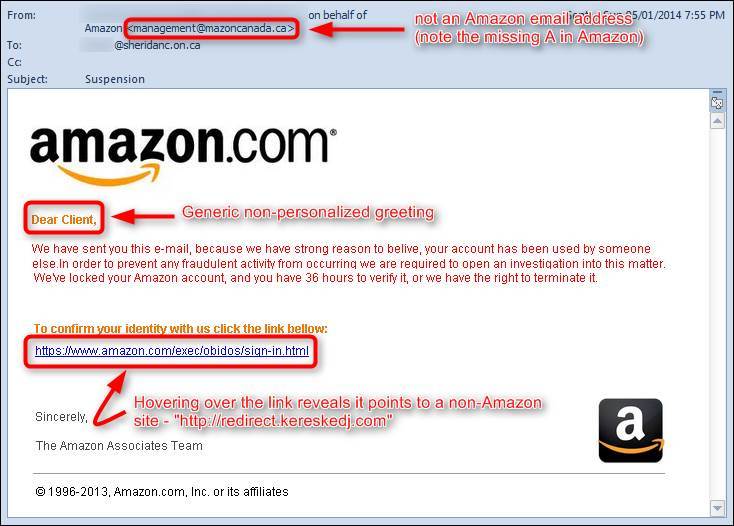
- What? the fraudulent practice of sending emails purporting to be from reputable companies in order to induce individuals to reveal personal information, such as passwords and credit card numbers.
- The effects of phishing • Accessing a victim’s account and withdraw money or purchase merchandise or services. • Open new bank or credit-card accounts in a victim’s names, and use the new account to cash illegitimate checks or purchase merchandise. • Gaining access high-value corporate data. • Financial services can blacklist institutions, resulting in reputational damage.
- Preventing phishing • Strong security software (firewall, spam filter, anti-virus, anti-spam). • Staff training: awareness of spotting fake websites & emails. • Staff training: never disclose personal or financial information. • Staff training: disable pop-ups.
- The effects of phishing • Accessing a victim’s account and withdraw money or purchase merchandise or services. • Open new bank or credit-card accounts in a victim’s names, and use the new account to cash illegitimate checks or purchase merchandise. • Gaining access high-value corporate data. • Financial services can blacklist institutions, resulting in reputational damage.
- What? the fraudulent practice of sending emails purporting to be from reputable companies in order to induce individuals to reveal personal information, such as passwords and credit card numbers.
Malware
- What? Malware—software written to infect computers and commit crimes such as fraud and identity theft. (software created for malicious intent.) As a result strangers could used for web surfing, shopping, banking, email, instant messaging, and gaming without proper protection, you are putting yourself at high risk of being victimized. .
- Effects of Malware? •The computer may crash, reboot spontaneously or slow down without reason. •When a worm infects a computer, the internet connection may become slow as the worm searches online for other computers to infect. •Files may be deleted, become corrupt or encrypted. However, there are often symptoms of malware that you do not see. Malware might be designed to record the keys that you press on your keyboard, The hacker then can search the text log, looking for passwords that he can use to access your email or bank accounts.
- Ways to prevent Malware? -Strong security software (firewall, spam filter, anti-virus, anti-spyware, anti-spam) -Enable OS updates -Staff training: caution opening attachments -Back up files regularly -Update the anti-virus software because hackers are always creating new software that an old virus protection cannot protect you from.
- Effects of Malware? •The computer may crash, reboot spontaneously or slow down without reason. •When a worm infects a computer, the internet connection may become slow as the worm searches online for other computers to infect. •Files may be deleted, become corrupt or encrypted. However, there are often symptoms of malware that you do not see. Malware might be designed to record the keys that you press on your keyboard, The hacker then can search the text log, looking for passwords that he can use to access your email or bank accounts.
- What? Malware—software written to infect computers and commit crimes such as fraud and identity theft. (software created for malicious intent.) As a result strangers could used for web surfing, shopping, banking, email, instant messaging, and gaming without proper protection, you are putting yourself at high risk of being victimized. .
Brute Force attack
- What? Brute force (also known as brute force cracking) is a trial and error method used by application programs to decode encrypted data such as passwords or Data Encryption Standard (DES) keys, through exhaustive effort (using brute force) rather than employing intellectual strategies.
- Effects: Theft of data or Access to corporate and private computer systems.
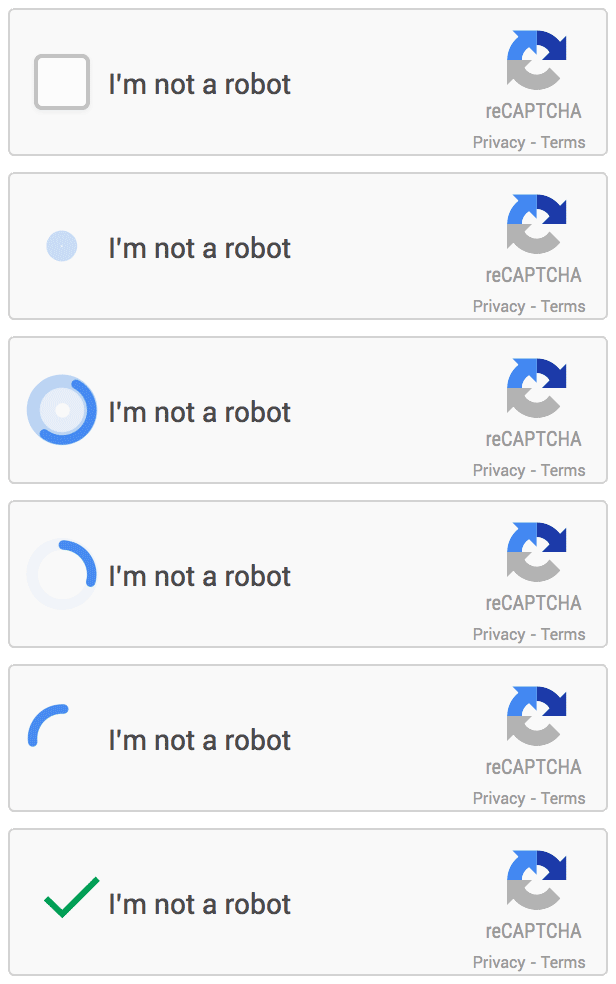
- Preventions: There are 3 main ways to preventing brute force attacks: Network lockout policy (locks out after a number of tries), Staff training (using effective passwords that contain symbols and numbers) and Challenge response tests e.g. reCAPTCHA (user has to look at a picture and answer a question). Also have long passwords that are not the same for everything and have a combination of letters, symbols and numbers.
- Effects: Theft of data or Access to corporate and private computer systems.
- What? Brute force (also known as brute force cracking) is a trial and error method used by application programs to decode encrypted data such as passwords or Data Encryption Standard (DES) keys, through exhaustive effort (using brute force) rather than employing intellectual strategies.
SQL injection
- SQL Injection is a code injection technique, used to attack data-driven applications, in which nefarious SQL statements are inserted into an entry field for execution (e.g. to dump the database contents to the attacker).
- Effects of SQL injection • Contents of the database can be output, revealing data that otherwise would be hidden. • Data in the database can be amended and deleted. • New rogue records can be added.
- Preventing SQL injection - Validation of input fields. - Using parameterised queries. - Using database permissions. - Penetration testing.
- Effects of SQL injection • Contents of the database can be output, revealing data that otherwise would be hidden. • Data in the database can be amended and deleted. • New rogue records can be added.
- SQL Injection is a code injection technique, used to attack data-driven applications, in which nefarious SQL statements are inserted into an entry field for execution (e.g. to dump the database contents to the attacker).
Denial of service attack
- In computing, a denial-of-service attack (DoS attack) is a cyber-attack where the perpetrator seeks to make a machine or network resource unavailable to its intended users by temporarily or indefinitely disrupting services of a host connected to the Internet.
- Effects of Denial of service attack • Revenue losses: downtime affects profits. Based on industry surveys, the average cost of downtime is over £4000/minute • Productivity Loss: when critical network systems are shut down, your workforce’s productivity comes to a halt. • Reputation Damage: your brand suffers if customers can’t access your site or become casualties of a data breach.
- Preventing denial of service attacks • Strong security software (firewall). • Packet filters on routers. • Configuration of the webserver. • Good network policy: audits, logs, monitoring. Preventing denial of service attacks • Strong security software (firewall). • Packet filters on routers. • Configuration of the webserver. • Good network policy: audits, logs, monitoring.
- Effects of Denial of service attack • Revenue losses: downtime affects profits. Based on industry surveys, the average cost of downtime is over £4000/minute • Productivity Loss: when critical network systems are shut down, your workforce’s productivity comes to a halt. • Reputation Damage: your brand suffers if customers can’t access your site or become casualties of a data breach.
- In computing, a denial-of-service attack (DoS attack) is a cyber-attack where the perpetrator seeks to make a machine or network resource unavailable to its intended users by temporarily or indefinitely disrupting services of a host connected to the Internet.
Data interception and theft
- Data Theft Definition. The unauthorized taking or interception of computer-based information. Data theft is the act of stealing computer-based information from an unknowing victim with the intent of compromising privacy or obtaining confidential information.
Bilder und Dateien der Mindmap
Informationen
- Beschreibung
- GCSE Computing Mindmap am System Threats, erstellt von Lydia Ives am 05/05/2017.
- Erstellt von
- Lydia Ives
- Aufrufe
- 0
- Bewertung