
Science
Folien in diesem Satz (8)
-
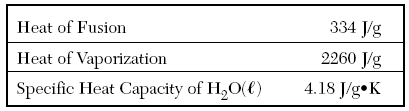
- Heat of Fusion = Melting or Freezing
- water(s) ➞ water (l) water (l) ➞ water (s)
- - If grams are given, multiply 334 to see how much total energy. (for melting its +, for freeze its -)
- -If total energy is given, divide by 334 to find grams.
- Heat of Vaporization = Vaporizing or Condensing
- water(l) ➞ water (g) water (g) ➞ water (l)
- - If grams are given, multiply 2260 to see how much total energy. (for vaporizing its +, for condensing its -)
- -If total energy is given, divide by 2260 to find grams
-
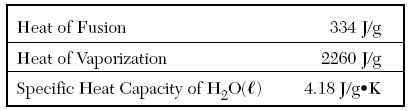
- Specific Heat Capacity of H2O (l) = How much energy to change temperature.
- - If looking for total energy times temperature change and 4.18.
- - If total energy is given, divide by 4.18 and the info given.
-
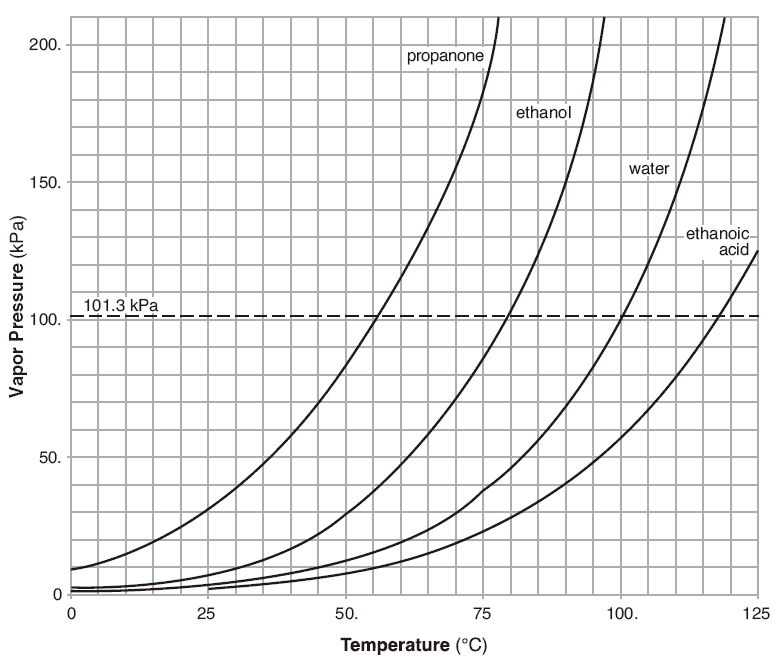
- Rules:
- To find the vapor pressure at a specific temperature, move to that temperature until you cross the point on the curve. Reading across gives the vapor pressure.
-
- 3 Things you Need to Know to Measure a Gas:
- -Volume = the amount of space that a substance or object occupies, or that is enclosed within a container, especially when great.
- -Temperature = the degree or intensity of heat present in a substance or object, especially as expressed according to a comparative scale and shown by a thermometer or perceived by touch.
- -Pressure = continuous physical force exerted on or against an object by something in contact with it.
- FORMULA: Pressure = Force/Area
-
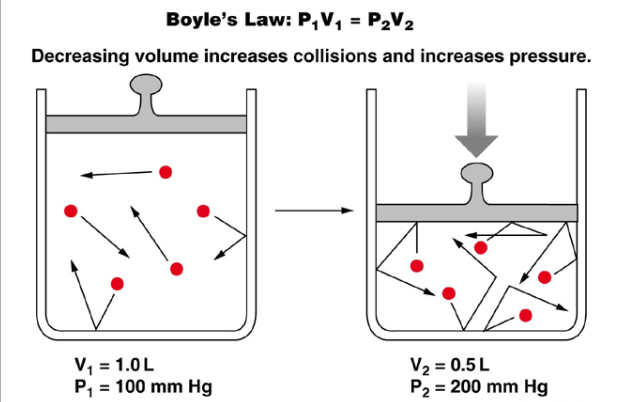
- As weights are added, the gas particles occupy a smaller volume. The pressure increases.
-
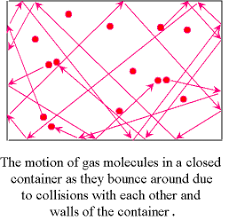
- As gas is heated, the particles move faster and collide more often with each other and with the walls of their container. The pressure of the gas increases.
-
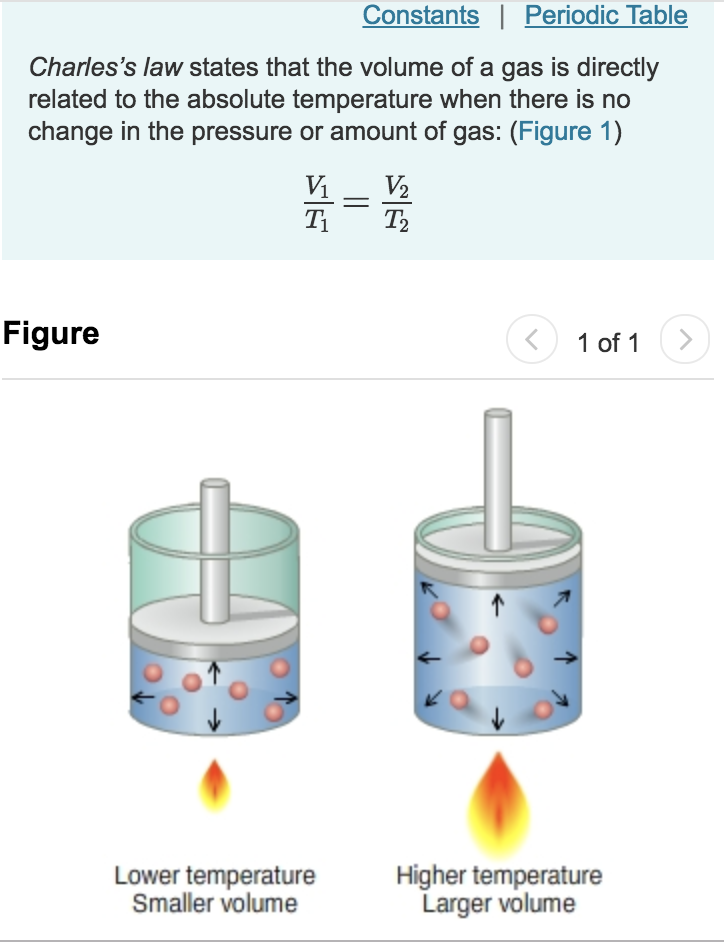
- Changing the temperature of a gas at constant pressure changes the volume similarly.
Informationen
- Beschreibung
- Table B and Table H. Measuring the volume, temperature and pressure of gasses.
- Erstellt von
- Shirley Jajati · Dez 2019
- Aktualisiert
- 8 Dez 2019
- Aufrufe
- 1
- Bewertung