
Quiz
Food Hygiene 2
Erstelle ein kostenloses Konto, um dieses Quiz zu beenden
Speichere deinen Fortschritt und sieh dir dein Endergebnis an.
oder mit deiner E-Mail registrieren
Schon ein Konto? Anmelden
Fragen in diesem Quiz (10)
1What is the definition of the term "danger zone" in relation to food hygiene?
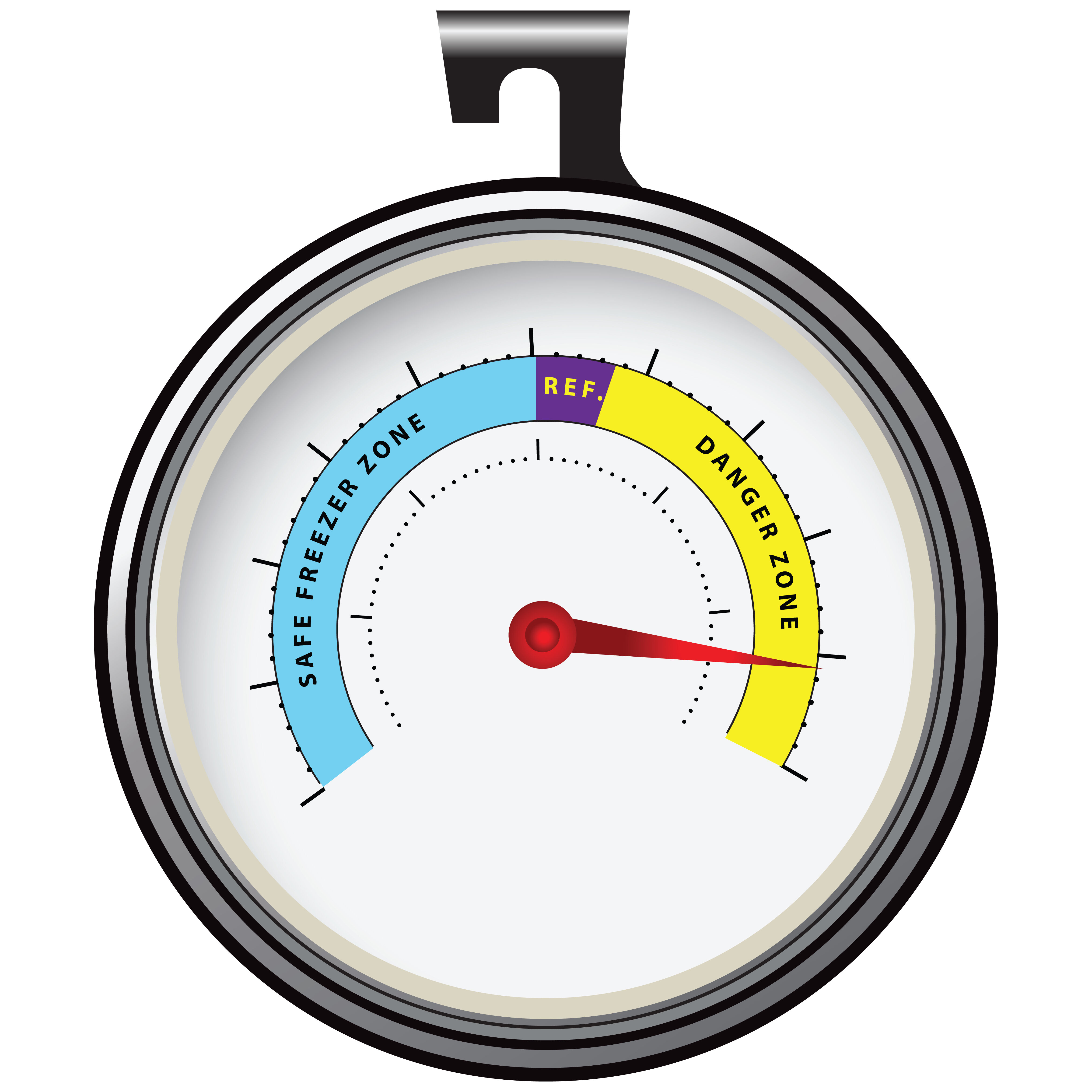
- AThe area of a restaurant where the temperature is too high for food storage.
- BA warning sign indicating potential food contamination.
- CThe temperature range in which bacteria can grow rapidly in food.
- DA location in the kitchen where accidents are more likely to occur.
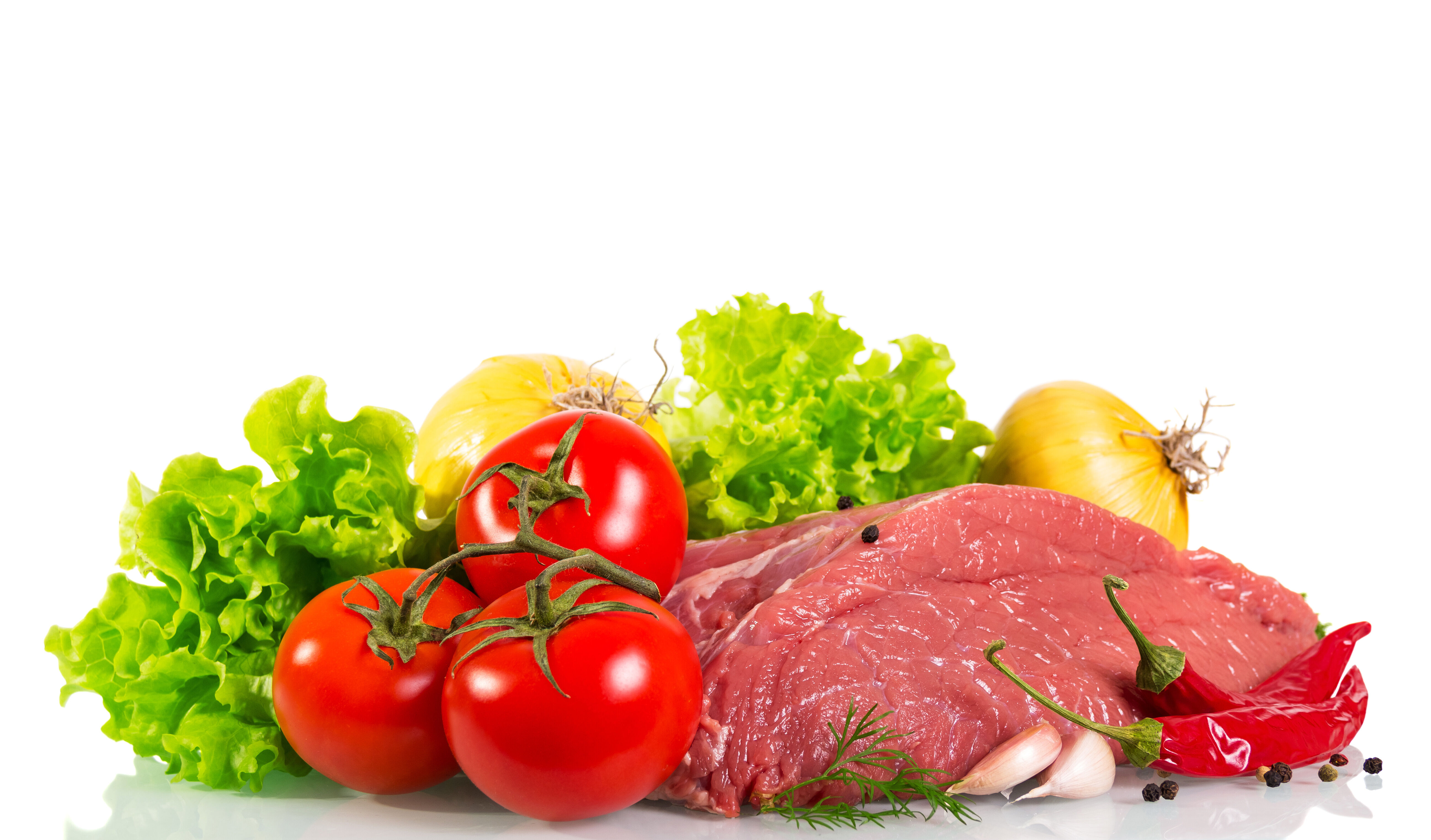
2What is meant by the term "high risk food" in food hygiene?
- AFoods that are more likely to cause allergic reactions.
- BFoods that are expensive and difficult to prepare.
- CFoods that contain a high amount of artificial additives.
- DFoods that are prone to bacterial growth and can cause foodborne illnesses.
3What is the difference between the terms "pathogen" and "food spoilage"?

- APathogens cause food spoilage, but spoilage does not involve pathogens.
- BPathogens and spoilage refer to the same thing.
- CPathogens are harmful microorganisms, while food spoilage refers to the deterioration of food quality.
- DPathogens cause foodborne illnesses, while spoilage causes allergies.
4What is the size of food poisoning bacteria?
- AThe size of a tennis ball.
- BVisible to the human eye.
- CMicroscopic, cannot be seen with the naked eye.
- DAs big as a grain of salt.
5What are the conditions that bacteria need to grow?
- AFood, cold temperature, sunlight, and time.
- BFood, warmth, time, and moisture.
- COxygen, low temperature, water, and time.
- DMoisture, acidity, pathogens, and warmth.
6At what temperature are bacteria typically killed?

- A50°C.
- B75°C.
- C100°C.
- D63°C
7What is the process of binary fission in bacteria?

- ABacteria divide into two every ten minutes.
- BBacteria release spores to reproduce.
- CBacteria divide into two every hour.
- DBacteria merge with other bacteria to form new organisms.
8At what temperature must hot food be stored?
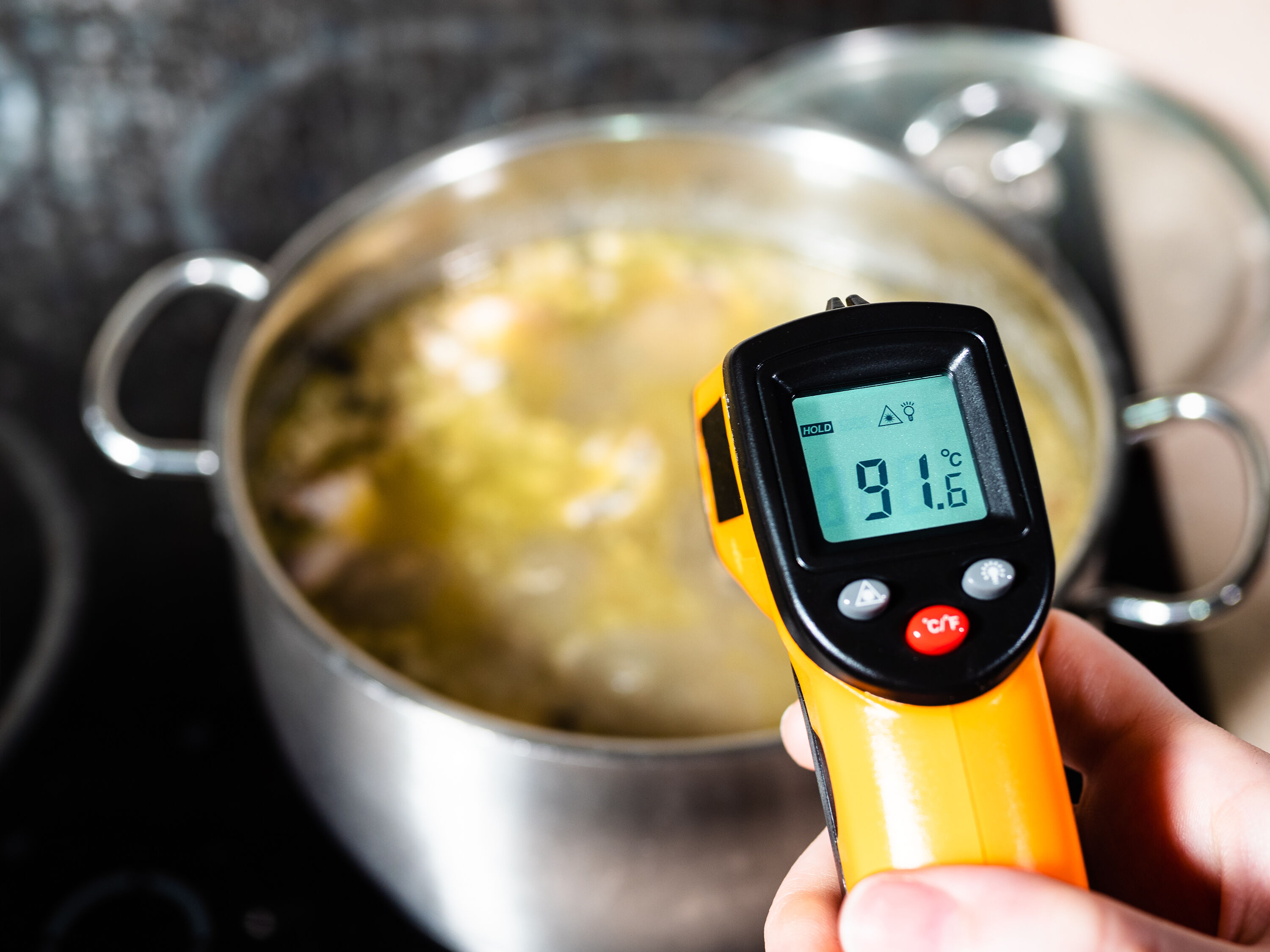
- AAbove 52°C.
- BAbove 63°C.
- CAbove 82°C.
- DAbove 100°C.
9Why does bacteria not grow in a refrigerator set at a temperature of 1°C to 4°C (Scotland) or 1°C to 5°C (England, Wales and Northern Ireland) ?
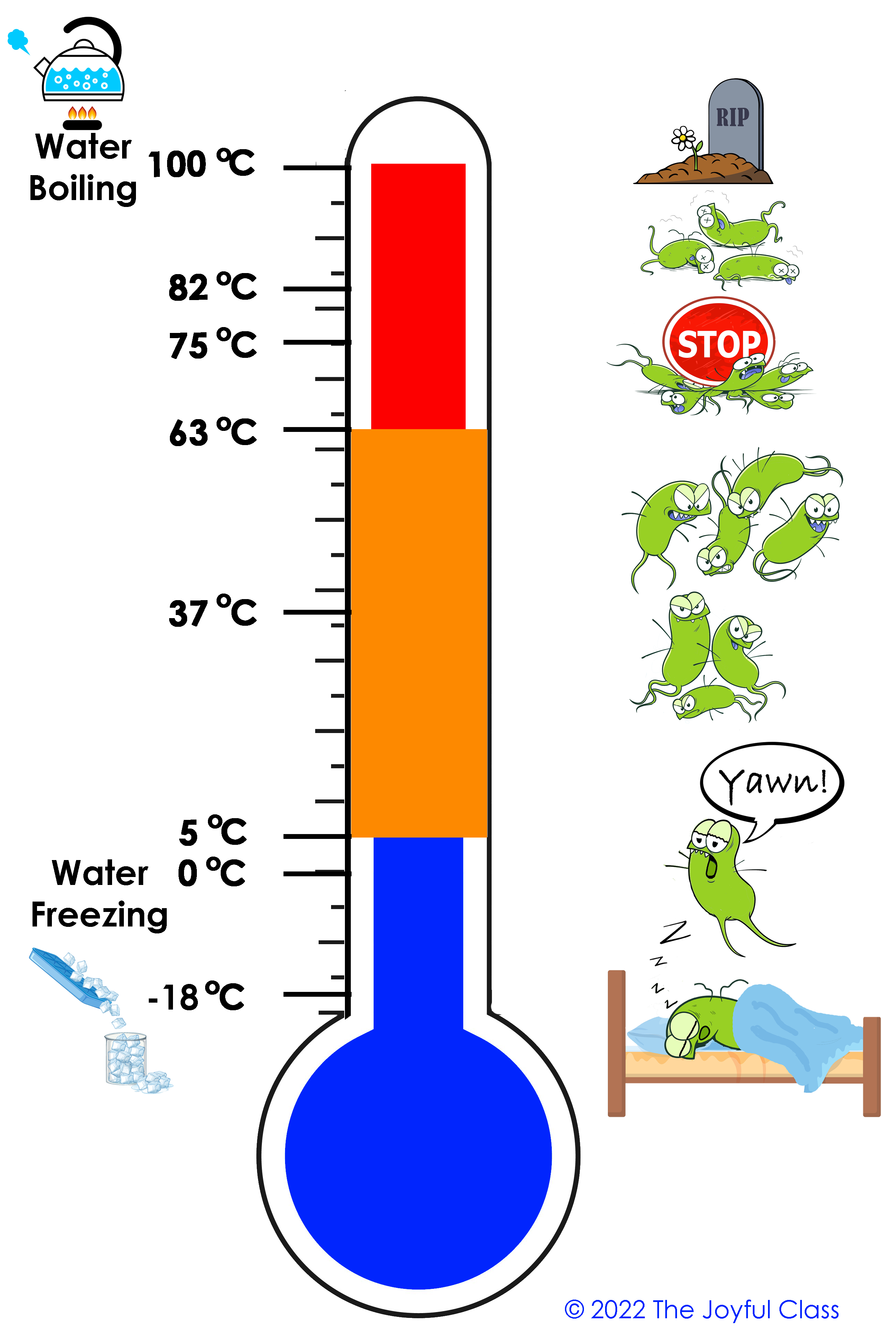
- ARefrigerators have a special antibacterial coating.
- BThe low temperature slows down bacterial growth making them sleepy.
- CBacteria cannot survive in cold environments.
- DBacteria become dormant in a refrigerator.
10Will bacteria grow in frozen food stored at -18°C?
- AYes, bacteria can still grow in frozen food
- BNo, freezing kills all bacteria
- COnly certain types of bacteria can grow in frozen food.
- DNo, the temperature is too low for any bacterial growth. They are dormant (asleep) at freezer temperatures.
Informationen
- Beschreibung
- Suitable for REHIS Food Hygiene Course
- Autor
- Home Economics
- Sprache
- English
- Aufrufe
- 273
- Schlagwörter
- Bewertung
- Noch keine Bewertungen Bewerte dieses Quiz