
Quiz
Unit 2 Geological Oceanography
Fragen in diesem Quiz (50)
1Which layer is the rigid outer layer of the Earth?
- AInner Core
- BOuter Core
- CMantle
- DCrust
2Which layer of the earth is made of mostly solid metals?
- AInner Core
- BOuter Core
- CMantle
- DCrust
3Which layer of the earth is made of mostly liquid metals?
- AInner Core
- BOuter Core
- CMantle
- DCrust
4In which layer of the Earth do convection currents occur?
- AInner Core
- BOuter Core
- CMantle
- DCrust
5The movement of Earth's plates, known as Plate Tectonics, is caused by?
- AConvection Currents
- BGravity
- CThis is still unknown
- DOcean Currents
6The lithosphere is made up of the Earth's crust. Which of the following statements is correct.
- AThe Earth is made up of continental crust and oceanic crust. Continental crust is more dense than oceanic crust.
- BThe Earth is made up of continental crust and oceanic crust. Oceanic crust is more dense than continental crust.
- CThe Earth is made up of continental crust and oceanic crust. Continental crust and oceanic crust are equally dense.
- DThe Earth is made up of many different types of crust. All types of crust have differing levels of density.
7This diagram represents which of the following?
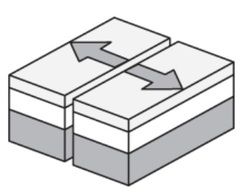
- ADivergent Plate Boundary
- BConvergent Plate Boundary
- CTransform Plate Boundary
- DStrike-Slip Fault
8This diagram represents which of the following?
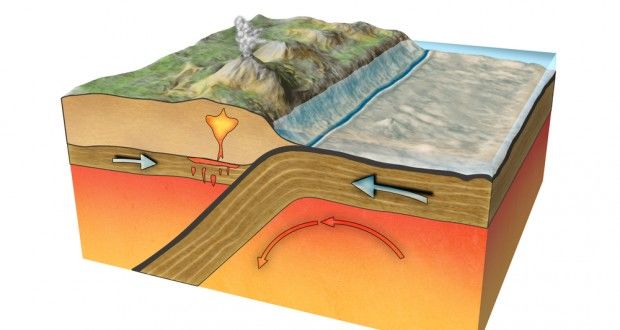
- ADivergent Plate Boundary
- BConvergent Plate Boundary
- CTransform Plate Boundary
- DStrike-Slip Fault
9This image is an example of which of the following?
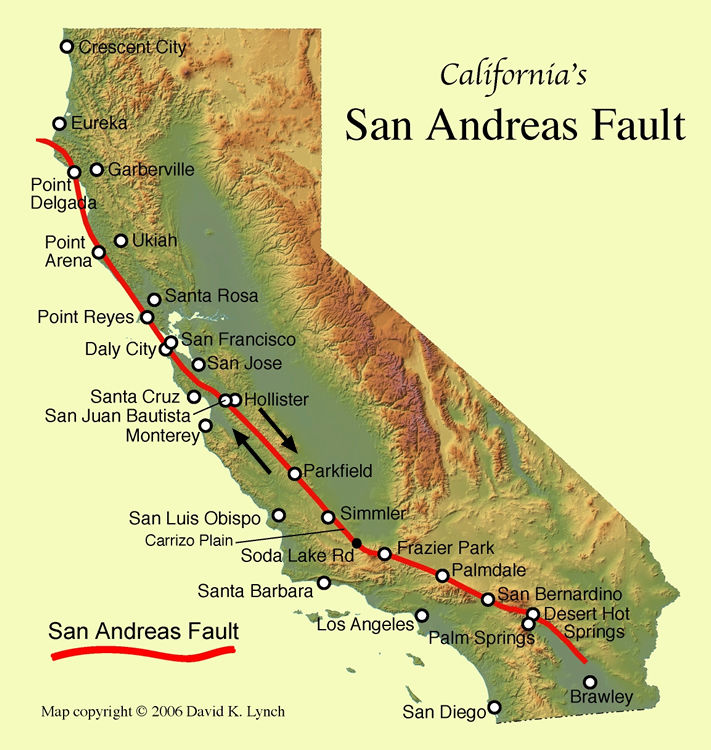
- AConvergent Plate Boundary
- BDivergent Plate Boundary
- CTransform Plate Boundary
- DSubduction Zone
10Mountains form from which of the following?
- AConvergence of a continental plate and a continental plate
- BDivergence of a continental plate and a continental plate
- CConvergence of a continental plate and an oceanic plate
- DDivergence of a continental plate and an oceanic plate
11What is occurring this diagram?
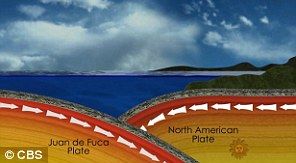
- AThe North American Plate is subducting under the Juan de Fuca Plate because continental crust is more dense
- BThe North American Plate is subducting under the Juan de Fuca Plate because oceanic crust is more dense
- CThe Juan de Fuca Plate is subducting under the North American Plate because oceanic crust is more dense
- DThe Juan de Fuca Plate is subducting under the North American Plate because continental crust is more dense
12What stages are occurring in this diagram?
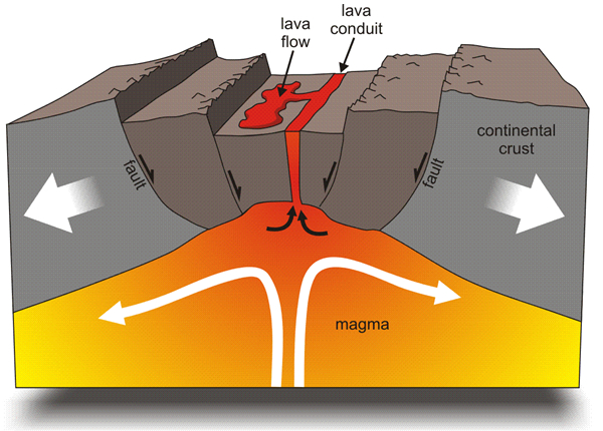
- ATwo plates slide past each other allowing magma to rise and turn into lava. As lava cools it becomes Metamorphic rock.
- BTwo plates converge allowing magma to rise and turn into lava. As lava cools it becomes igneous rock.
- CTwo plates diverge allowing magma to rise and turn into lava. As lava cools it becomes metamorphic rock.
- DTwo plates diverge allowing magma to rise and turn into lava. As lava cools it becomes igneous rock.
13The following diagram depicts a submarine canyon cutting into the continental shelf and continuing down the continental slope. All of the following are causes of submarine canyons, except
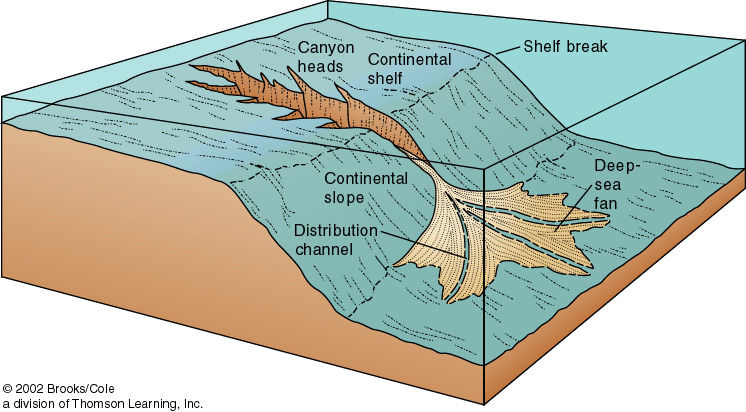
- AThey were carved out from rivers
- BThey were carved out from the erosion of sediments
- CThey were carved out from underwater avalanches of muddy water mixed with rocks and other debris
- DThey were carved out by diverging plate boundaries
14Underwater avalanches of muddy water mixed with rocks and other debris are called
- ASubmarine Canyons
- BTurbidity Currents
- CTrenches
- DWhirlpools
15A continental margin is land, or continental crust, that has become overtaken by ocean waters. There are several parts to this area. In this diagram, letter A represents the
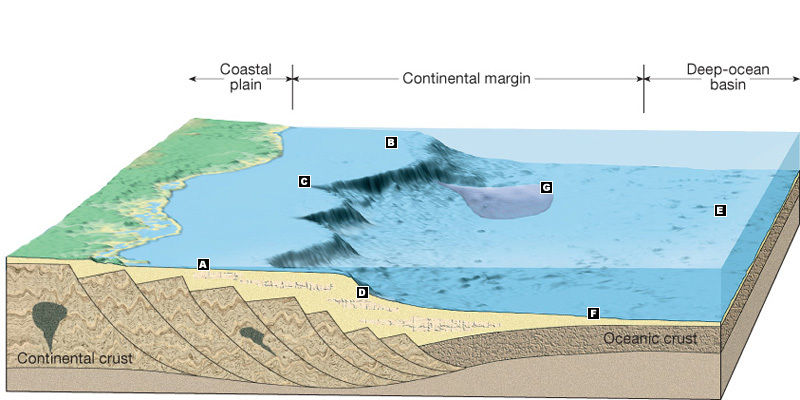
- AContinental Rise
- BContinental Shelf
- CAbyssal Plain
- DContinental Slope
16A continental margin is land or continental crust that has become overtaken by ocean waters. There are several parts to this area. In this diagram, letter E represents the
- AContinental Shelf
- BContinental Rise
- CAbyssal Plain
- DShelf Break
17A continental margin is land or continental crust that has become overtaken by ocean waters. There are several parts to this area. In this diagram, letter D represents the
- ASubmarine Canyons
- BShelf Break
- CContinental Rise
- DContinental Shelf
18We can use sonar to study the ocean floor because
- AWe can't measure the depth
- BWe have detailed maps of the complete sea floor
- CWe know the speed of sound in water
- DSatellites provide the rate of gravity
19Which one of the following water bodies is the largest ocean?
- APacific Ocean
- BAtlantic Ocean
- CArctic Ocean
- DIndian Ocean
20The measurement of ocean depths and the charting of the shape or topography of the ocean floor is
- ASonimetry
- BNone of these
- COceanography
- DBathymetry
21The deepest parts of the ocean are long, narrow features known as deep-ocean...
- ARidges
- BRifts
- CTrenches
- DCanyons
22The most prominent features in the oceans, forming an almost continuous mountain range, are the...
- ACanyons
- BTrenches
- CRidges
- DRifts
23Seafloor sediments are classified based on their grain size and
- AAge
- BComposition
- COrigin
- DShape
24Plankton remnants are an example of what type of ocean sediment?
- ALithogenous
- BBiogenous
- CCosmogenous
- DHydrogenous
25Minerals or chemicals that dissolve in seawater, river runoff or hydrothermal vent water are examples of which type of ocean sediment?
- AHydrogenous
- BBiogenous
- CCosmogenous
- DLithogenous
26Deep-ocean sediment that has more than 30% biogenic material is known as
- ASludge
- BOoze
- CDecay
- DTerrogenous
27Rivers flowing into the _____________ Ocean cover more land than those flowing into the ______________ Ocean. Therefore, the ____________ Ocean has more sediment than the ______________ Ocean.
- APacific, Atlantic. Pacific Atlantic.
- BAtlantic, Pacific. Pacific, Atlantic.
- CAtlantic, Pacific. Atlantic, Pacific.
- DPacific, Atlantic. Atlantic, Pacific.
28Clay is the smallest ocean sediment.
- ARichtig
- BFalsch
29Ocean sediments can provide information on Earth’s pollution patterns.
- ARichtig
- BFalsch
30Rivers, wind, ice and other geologic processes erode and transport rocks and minerals into the sea. These sediments are called
- ALithogenous
- BCosmogenous
- CBiogenous
- DHydrogenous
31Strong swimming consumers such as fish, turtles and whales are known as
- ANekton
- BDecomposers
- CBenthos
- DPlankton
32Waters that occur near estuaries, where the river meets the sea, are generally considered
- AFresh Water
- BSalt Water
- CBrackish Water
- DNone of these
33Which ocean zone holds 90% of all marine organisms?
- APelagic Zone
- BIntertidal Zone
- CAbyssal Zone
- DBathyl zone
34The sunlight zone ranges from 0-200 meters deep. What is the scientific name for this zone?
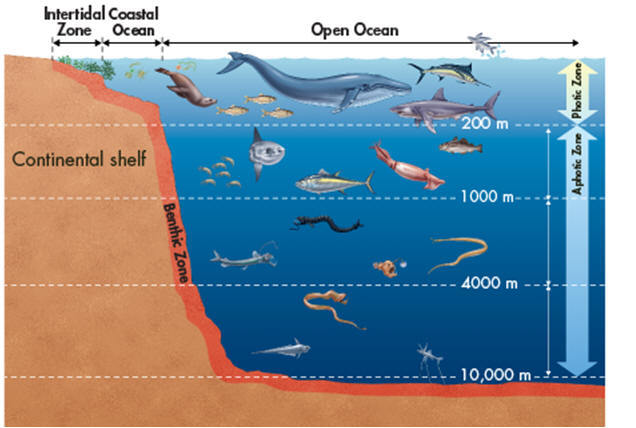
- AEpipelagic Zone
- BMesopelagic Zone
- CBathypelagic Zone
- DHadopelagic Zone
35The Challenger Deep lies in the Mariana Trench. Within what oceanic zone does the Challenger Deep reside?
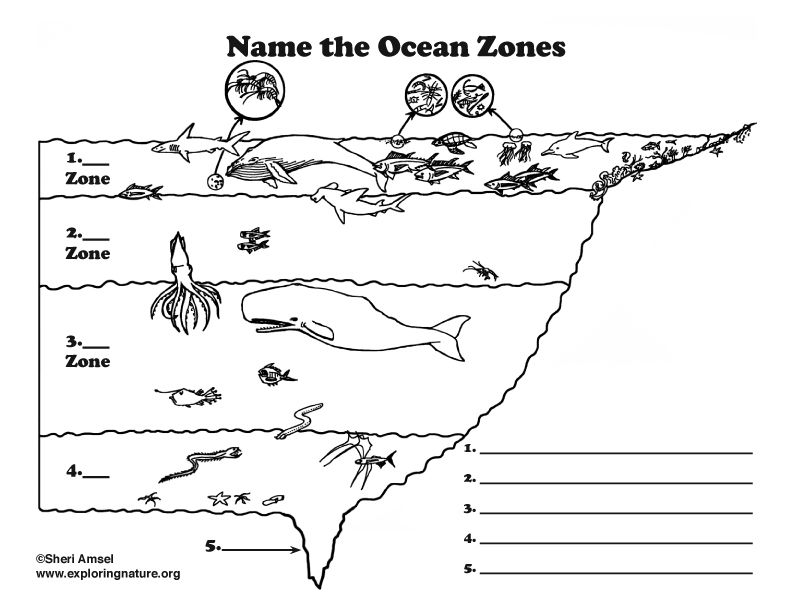
- AHadopelagic Zone
- BAbyssopelagic Zone
- CBathypelagic Zone
- DEpipelagic Zone
36The coldest, darkest oceanic zone with the least diverse marine life forms, is the
- AHadopelagic Zone
- BAbyssopelagic Zone
- CMesopelagic Zone
- DNone of these
37All of the following are examples of benthos organisms, except
- AOysters
- BClams
- CSquid
- DSea Anemones
38Why do most ocean organisms reside in Zone 1?
- AIt is euphotic
- BIt is aphotic
- CIt is disphotic
- DNone of these
39What am I?
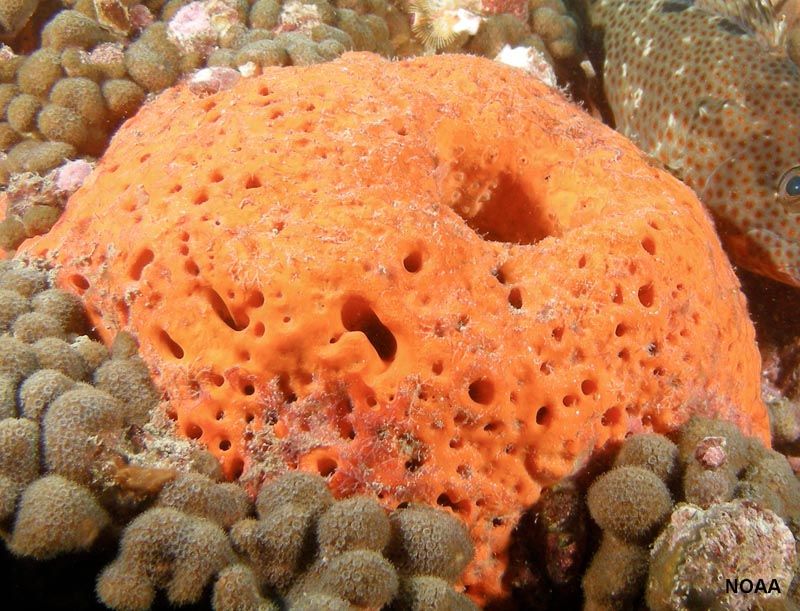
- ANekton
- BPlankton
- CBenthos
- DDecomposer
40What stages are occurring here?
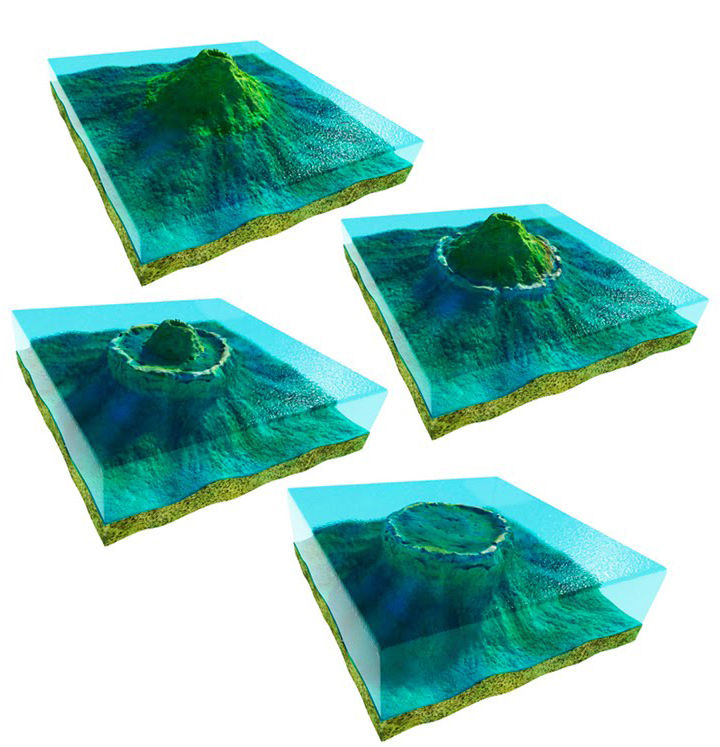
- AAtoll, active volcano, fringe reef, barrier reef
- BActive volcano, atoll, fringe reef, barrier reef
- CActive volcano, fringe reef, barrier reef, atoll
- DBarrier reef, atoll, fringe reef, volcano
41What am I?
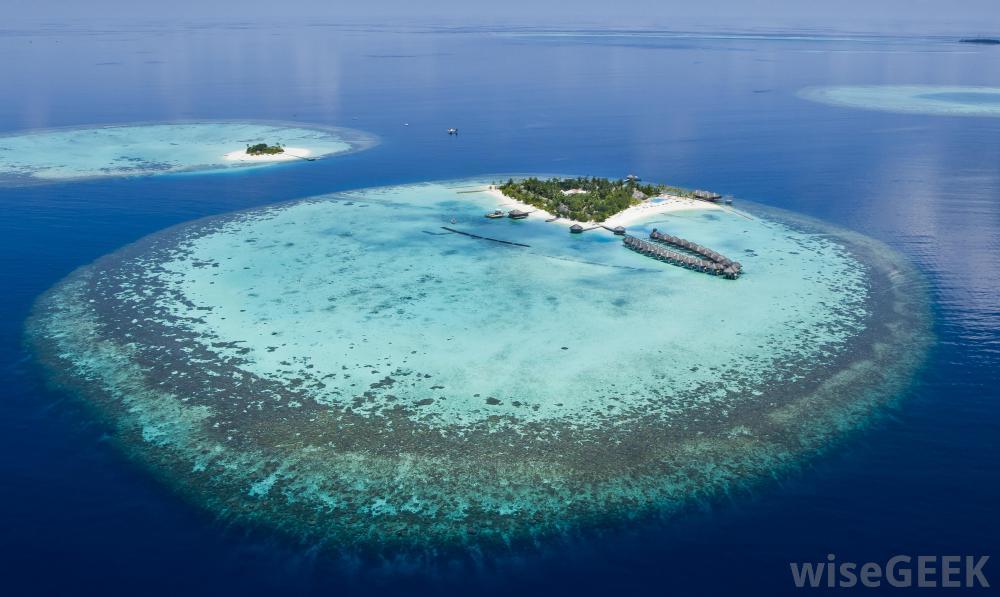
- ABarrier reef
- BFringe reef
- CAtoll
- DVolcano
42The Hawaiian Islands are a chain of volcanic islands. These islands were most likely formed by
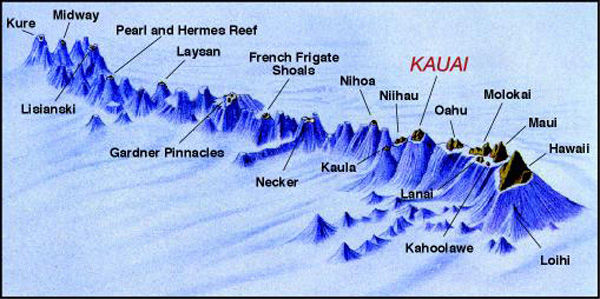
- AHot spots inside the Earth
- BGaseous explosions at subduction boundaries
- CEarthquakes from converging boundaries
- DThere are currently no theories
43The Ring of Fire has 452 volcanoes and is home to over 75% of the world's active and dormant volcanoes. The Ring of Fire...
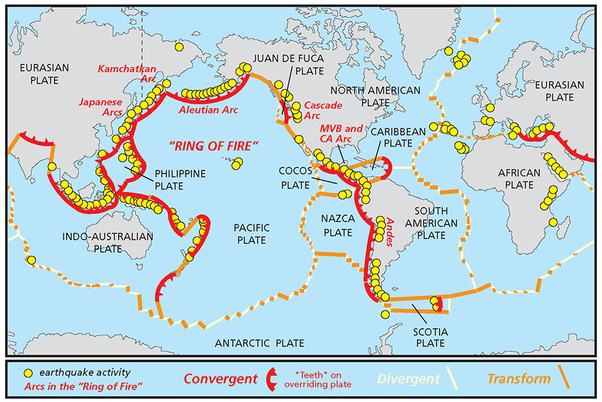
- Ais a random circle of volcanoes with no known origin
- Bis a direct result of gases exploding inside the Earth's mantle until they caused cracks in the Earth's crust and burst through
- Cis a direct result of plate tectonics and the movement and collisions of crustal plates
- Dhas resulted in many volatile explosions that have led to dangerously poor air quality
44What type of boundary lies between the North American Plate and the Pacific Plate? (Use the map to guide you).
- ADivergent
- BConvergent
- CTransform
- DNone of these
45What type of boundary lies between the continental portions of the Eurasian Plate and the African Plate? (Use the map to guide you).
- AConvergent
- BDivergent
- CTransform
- DNone of these
46An island arc is created from
- Aa location on the Earth's surface that has experienced active volcanism for a long period of time
- Bcoral reefs forming around an active volcano and the volcano slowly slipping back down into the ocean
- Can underground explosion of magma that escapes through a crack
- Dhot, remelted material from a subducting slab that rises and leaks into the crust, forming a series of volcanoes
47The United States does not have any active volcanoes.
- ARichtig
- BFalsch
48Subduction zones occur at
- ADivergent Boundaries
- BConvergent Boundaries
- CTransform Boundaries
- DRandomly
49An active volcano can be dormant or erupting.
- ARichtig
- BFalsch
50Phytoplankton use sunlight to create food through the process of photosynthesis, therefore they are not dependent upon the ocean's upswells to bring them nutrients.
- ARichtig
- BFalsch
Informationen
- Beschreibung
- Geological Oceanography Unit
- Autor
- Jennifer Tuxford
- Sprache
- English
- Aufrufe
- 365
- Schlagwörter
- Bewertung
- Noch keine Bewertungen Bewerte dieses Quiz