
Karteikarten
art history exam 1
Karten in diesem Stapel (20)
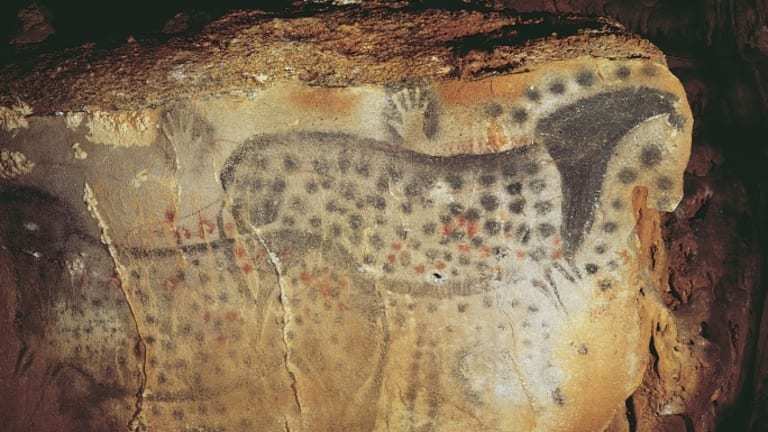
- 1—spotted horse and human hands
paleolithic, pech-merle cave
people chewed up the pigment and blew it onto the wall
observed how horses looked in nature
stylized and naturalistic
taught people about animals behavior - 2—woman from willendorf
limestone, paleolithic
used to be called venus which was misleading because she might not be a goddess
fertility
portable because they were nomadic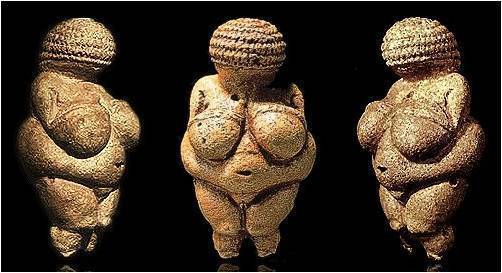
- 3—hall of bulls
paint on limestone, paleolithic, lascaux france
composite pose
energetic and hectic
portrayed bison behavior during mating season
not easy access so maybe not for everyone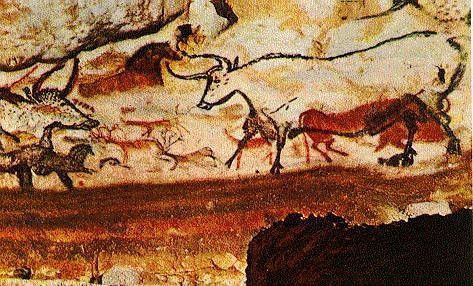
- 4—stonehenge
neolithic, england, megaliths
purpose is unclear, built in 3 stages
years later stones were removed and ditches were used for burials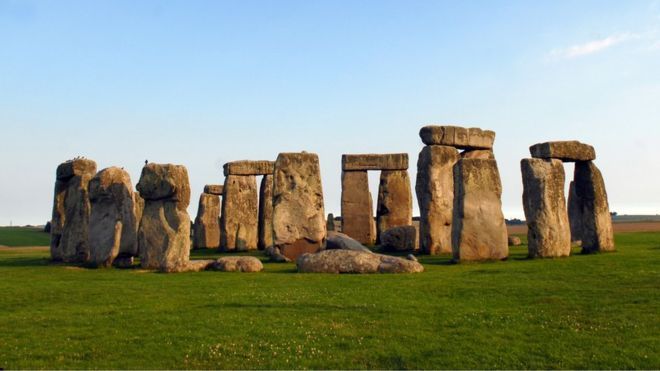
- 5—palette of narmer
early dynastic period, egypt
tribute to the falcon god horace
people made things in honor of the god to gain favor with them
ceremonial palette, releif
indentation for grinding pigment for eye makeup
wearing red crown of lower egypt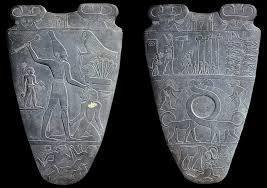
- 6—great pyramids of giza
fourth dynasty
makaure, khafre, khufu
limestone and granite
shape might represent shape of the sun's rays
false passages to confuse invadors
what you would be buried with in there is what you would have in the afterlife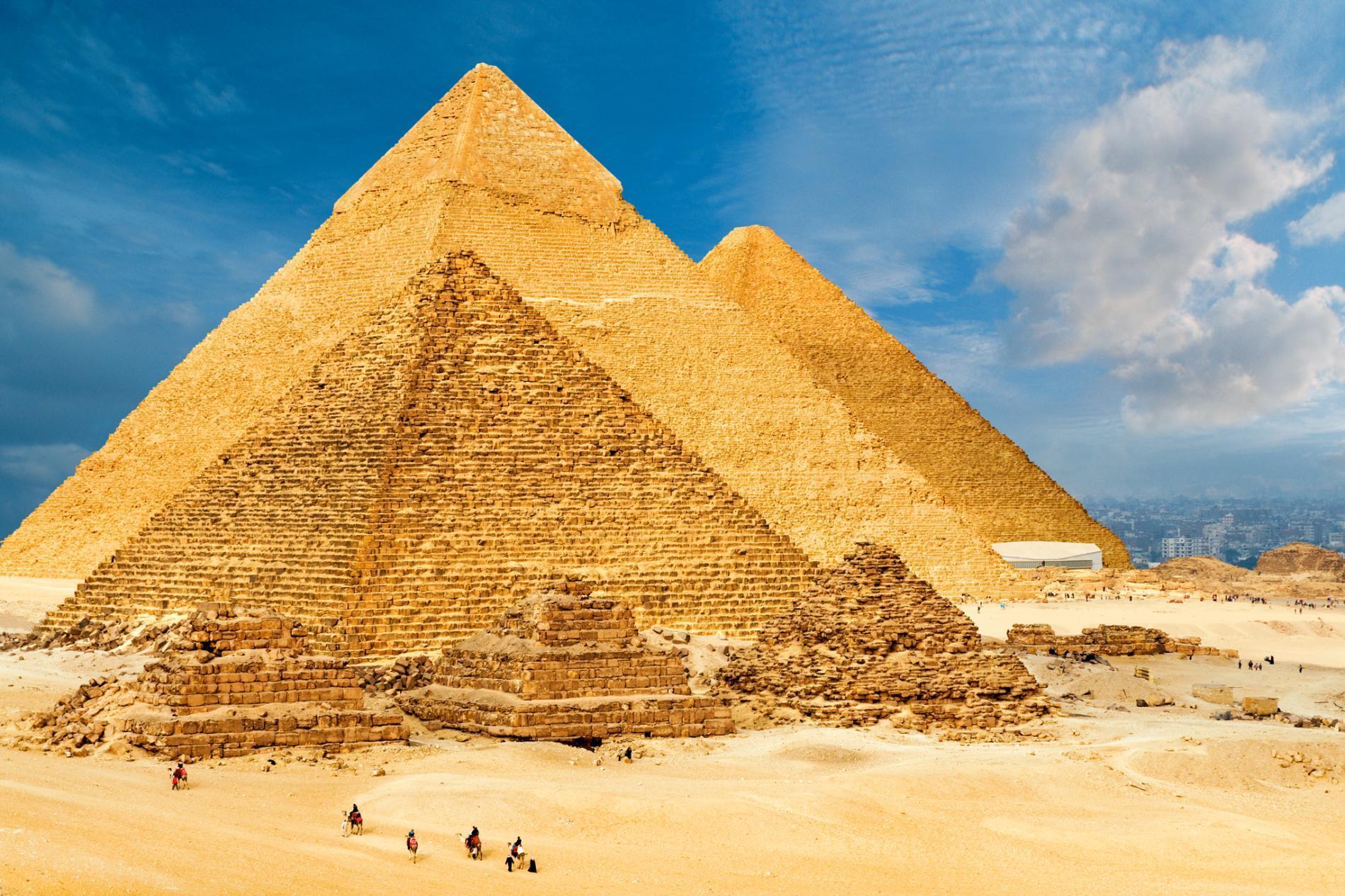
- 7—khafre
from giza, valley temple of khafre, fourth dynasty
idealized portrayal
material was long lasting and durable
relief on the side included papyrus and lotus intertwined to represent unity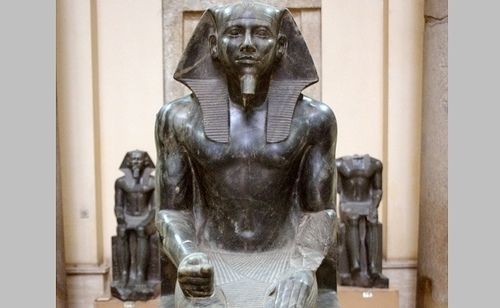
- 8—hatshepsut kneeling
deihr el-bahri, eighteenth dynasty
female but portrays an idealized man
meant to be looked at from the front
two offering pots
highlights the importance of tradition and convention
not many traditions for female monarch so she is portrayed as an idealized man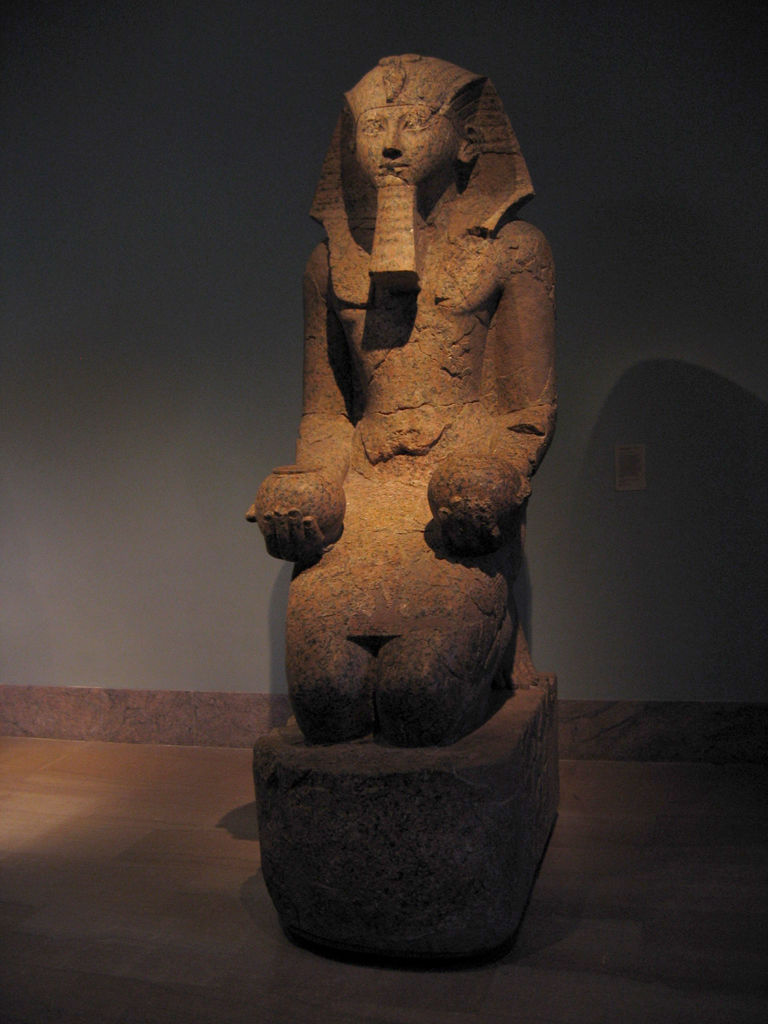
- 9—akhenaten and his family
amarna period, 18th dynasty
shift in religion resulted in a shift in art
painted limestone relief
tribute to the sun god
more curvy bodies
hierarchic scale
more interaction between family members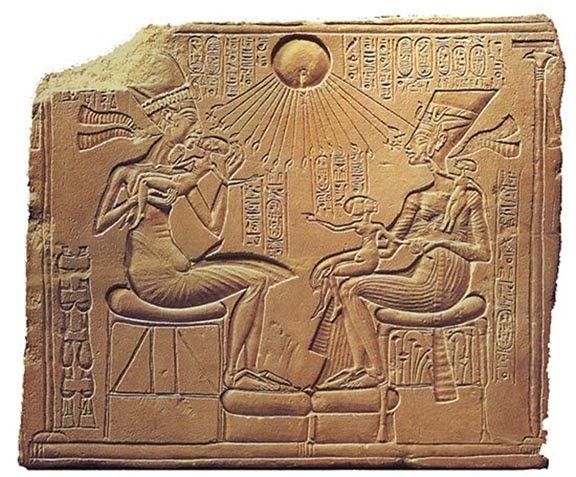
- 10—funerary mask of tutankhamun
back to old style of art, new kingdom
a lot of gold and colored inlaid glass
only tomb that was not raided with thousands of pounds of gold found
did not rule for that long and was really young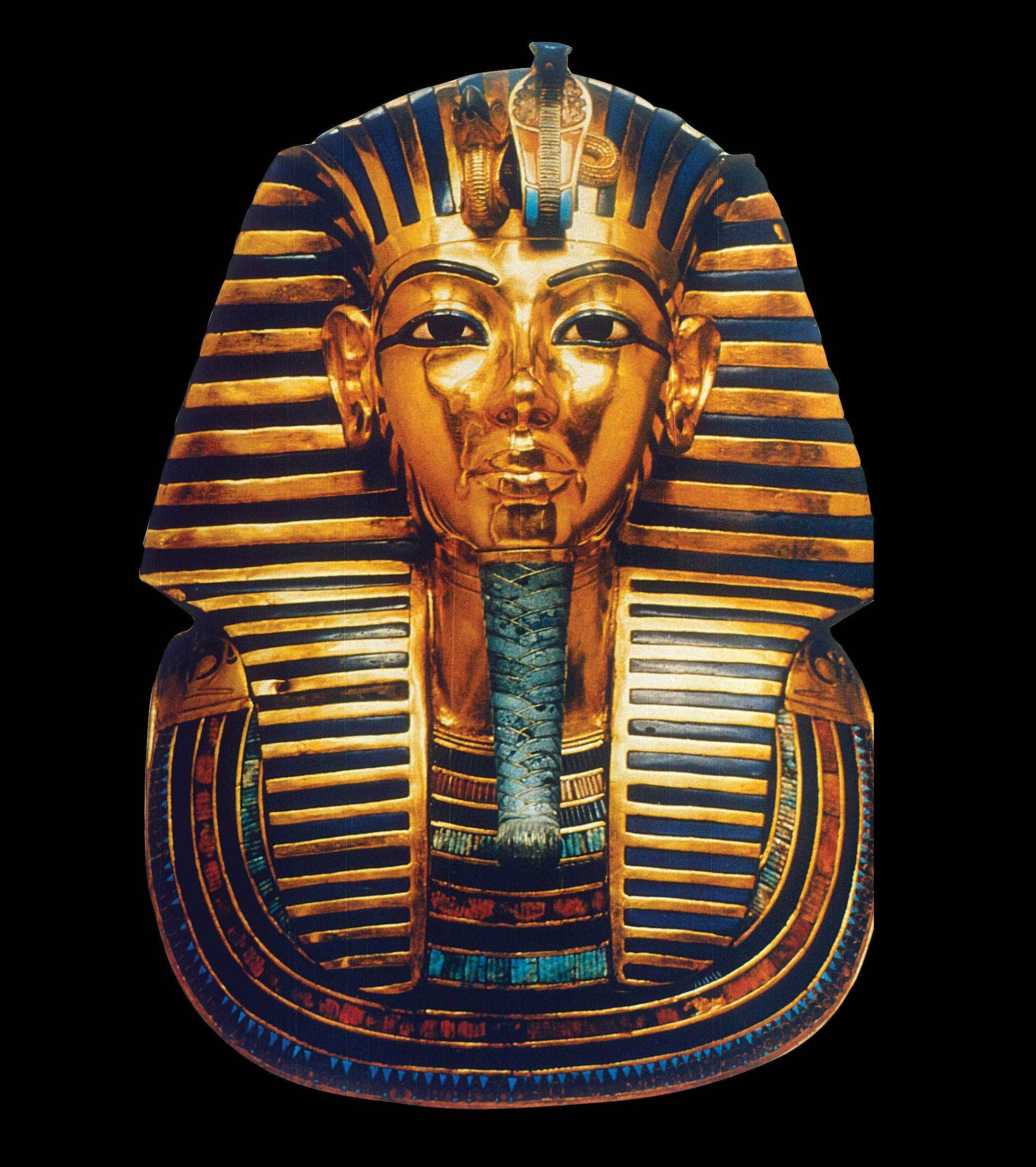
- 11—bull leaping fresco
wall painting with areas of modern reconstruction
"palace" complex, crete, late minoan period
bull sports
only profile views not composite
more stylized than egyptian art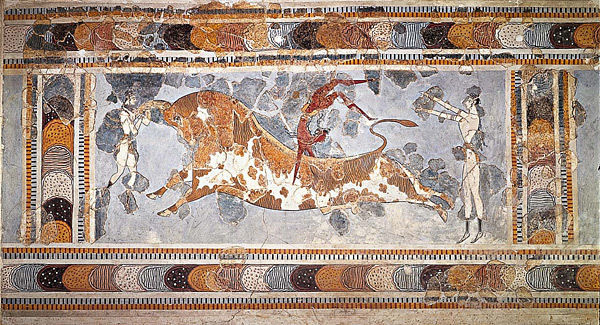
- 12—octopus flask
crete, new palace period
marine style ceramic (depict marine life) common in aegean culture
stylized and naturalistic
lively and playful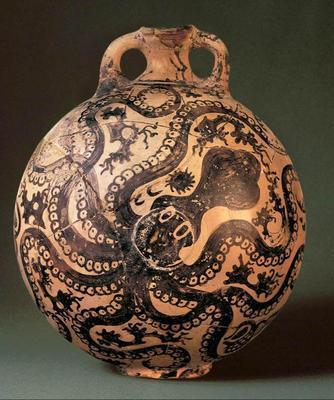
- 13—lion gate
mycenae, limestone relief
sculpture of two lionesses or lions in a heraldic pose that stands above the entrance
main entrance of citadel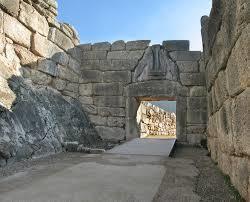
- 14—mask of agamemnon
funerary mask, mycenae, Greece
mislabelled as agamemnon by archaologist who discovered it
shapes our views of what it is like the "venus" of willendorf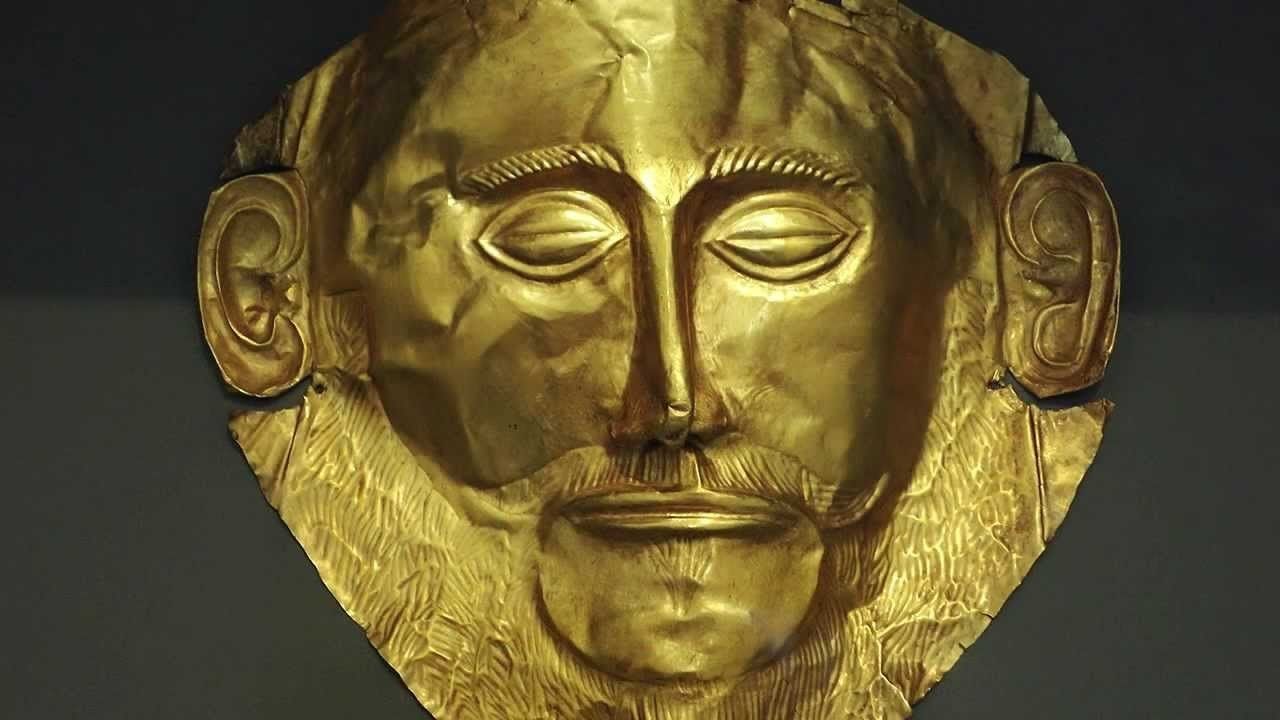
- 15—metropolitan kouros
archaic period, marble
large freestanding sculptures
some marked graves
young males=fertility and family continuity in greek culture
stance is taken from egyptian culture, rigid pose, fists clenched, one foot forward
more stylized than egyptian
"heroic male nude"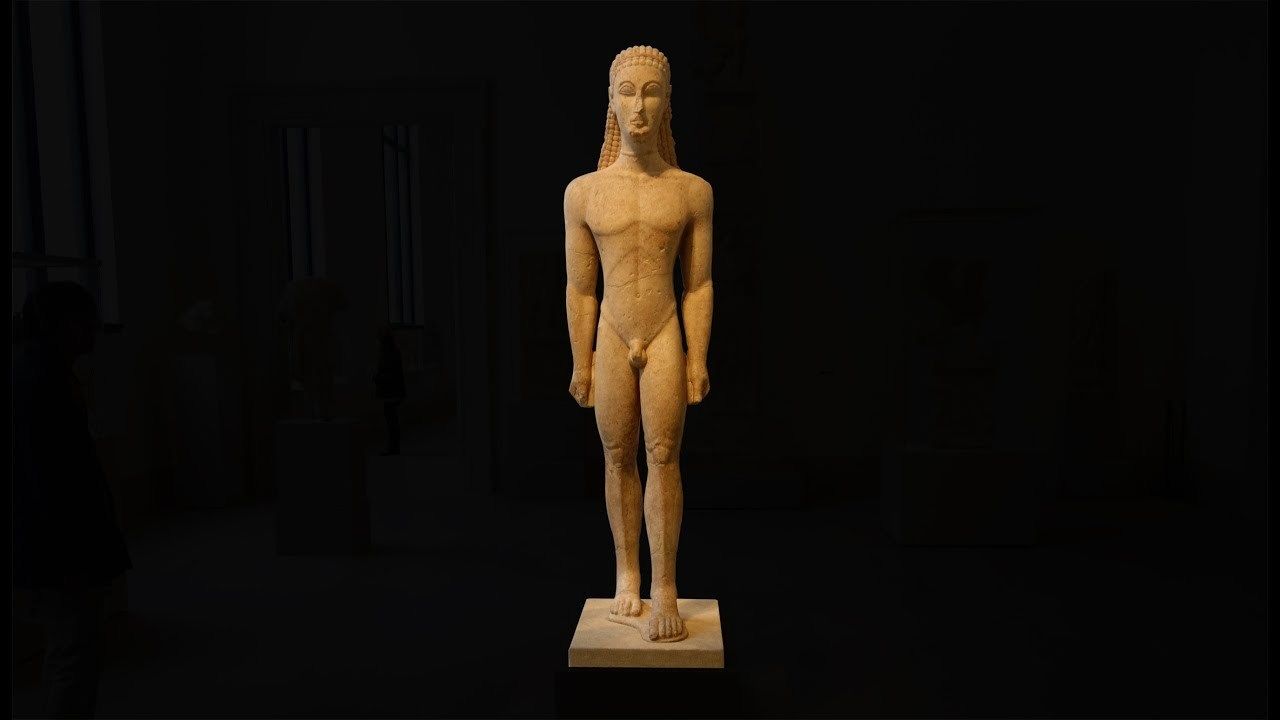
- 16—exekias
Ajax and Achilles Playing a Game
archaic period, black figure ceramics
painting on ceramic amphora
shows the hero Ajax engaged in a board game involving the throwing of dice
athena stands in the center presiding over the game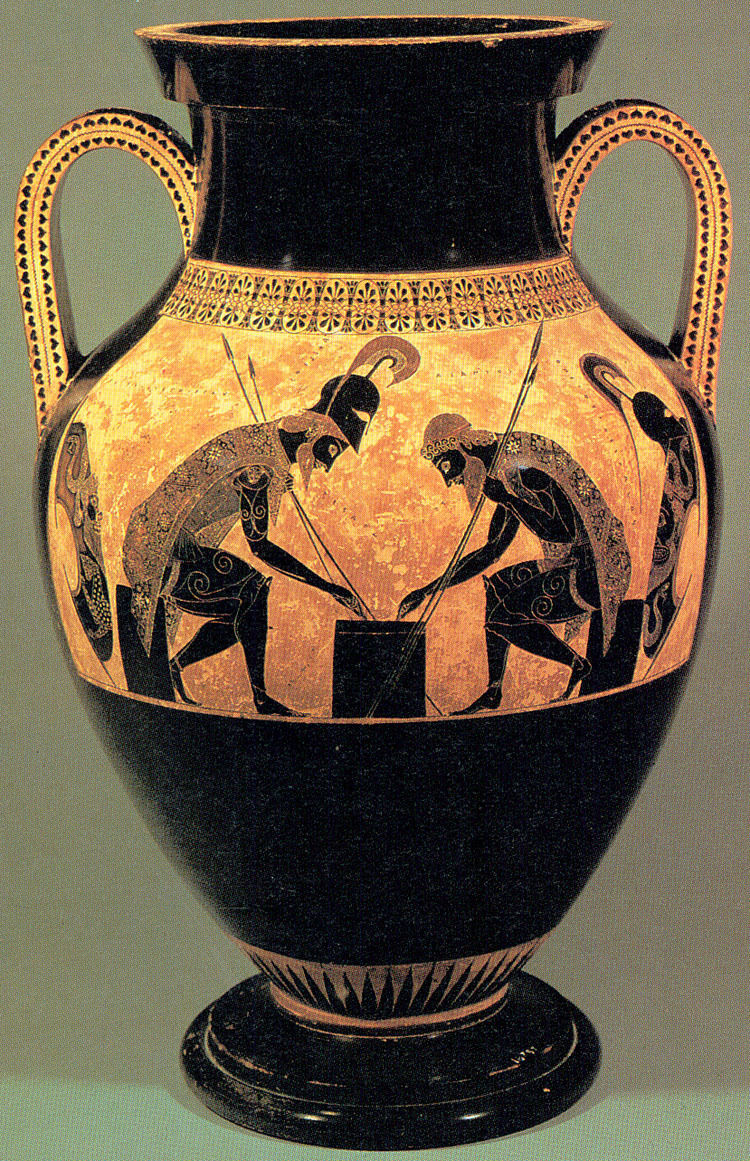
- 17—Spear Bearer (Doryphoros)
artist: Polykleitos
high classical period
naturalistic really studying people but also creating the desirable physique
observation veering away from egyptian upright pose
contraposto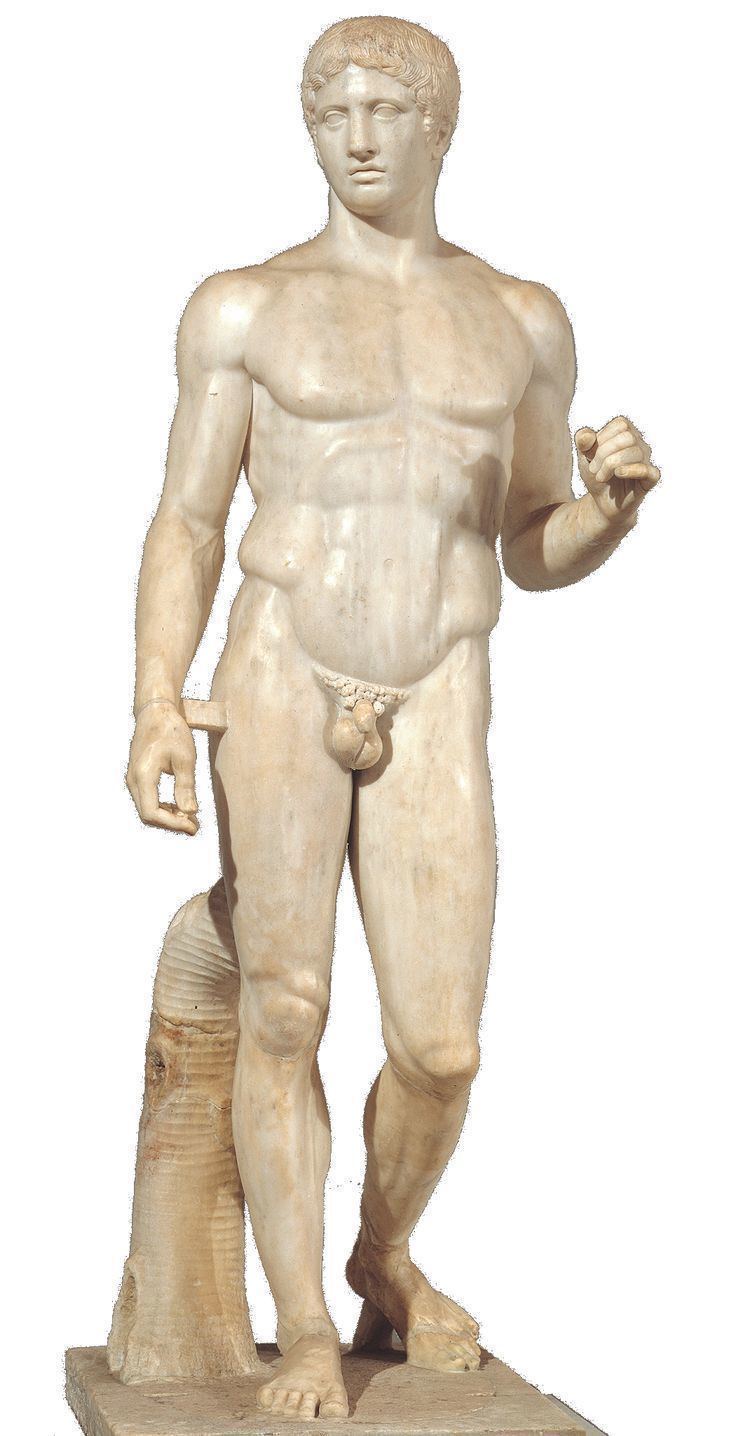
- 18—The Parthenon
Kallikrates and Iktinos
part of the akropolis (high city) athens, greece
maintains huge emphasis on beauty in greek art and translates that to architecture
doric order columns
destroyed by persians
built to show that athens is strong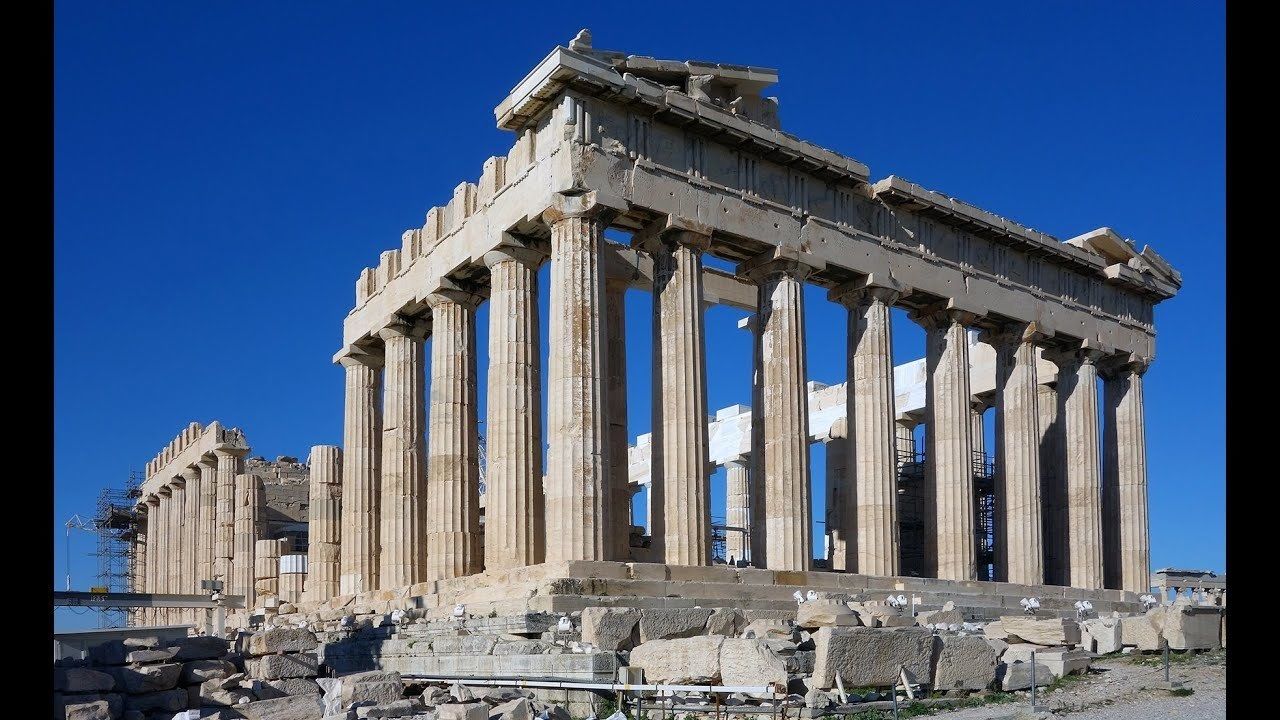
- 19—Lapith Fighting a Centaur
Hagesandros, Polydoros, and Athenodoros of Rhodes
high classical period
to show the power of the Greeks fighting the defeated persians (centaur)
doric freeze on the parthenon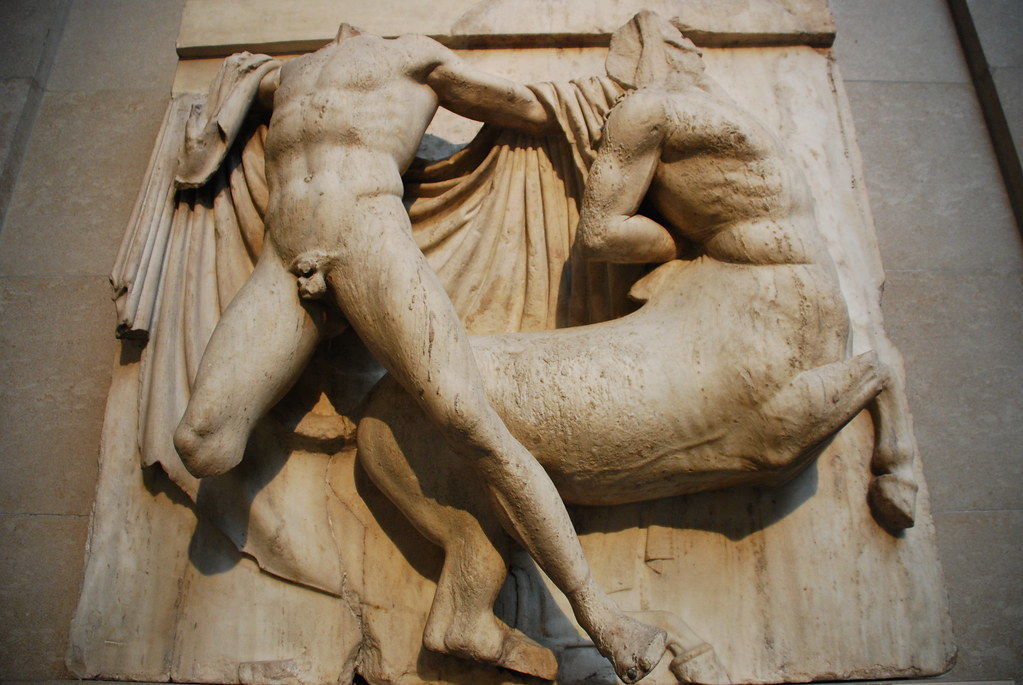
- 20—Laocoön and His Sons
hellenistic
the prototypical icon of human agony
shows suffering with no promise of reward
do not typically show facial expressions
struggling and straining bodies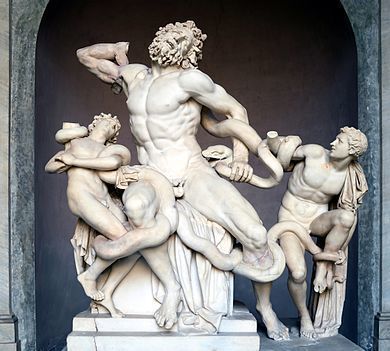
Informationen
- Beschreibung
- first art history exam studying
- Erstellt von
- Emma Chiaravalli
- Aufrufe
- 101
- Tags
- Bewertung