
Karteikarten
Unit #2 - Tissue, Stomata & Cots
Karten in diesem Stapel (11)
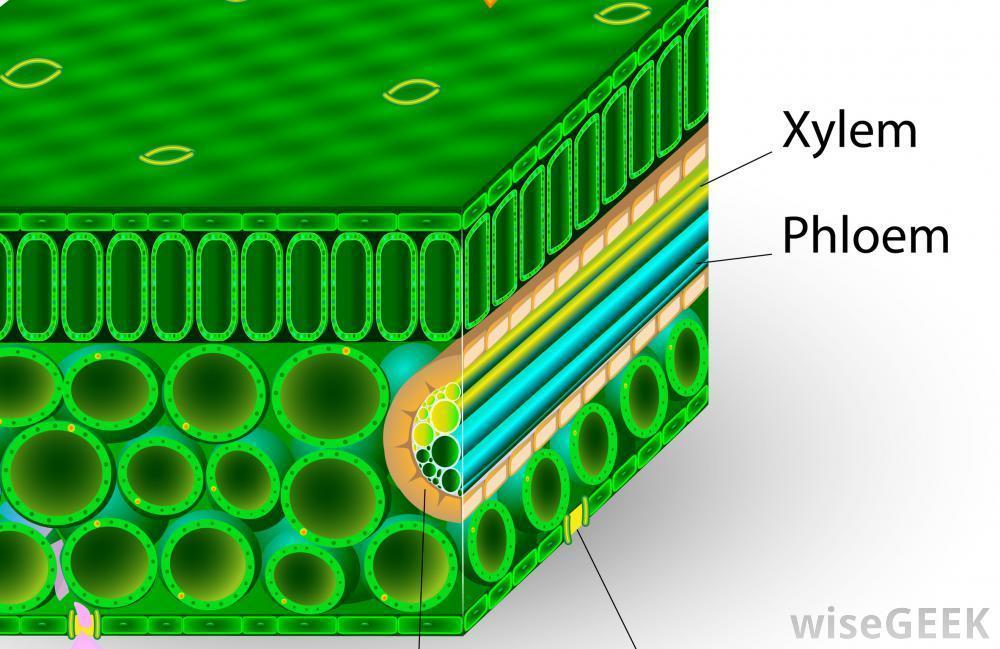
- 1Dermal Tissue•Single OUTER layer of tightly packed epidermal cells – covers entire plant
•Protects against water loss and pathogens
*Cuticle & Periderm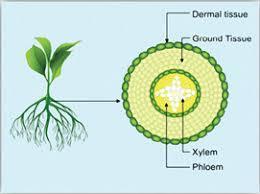
- 2Vascular Tissue•INNER layer, Transports between
roots & shoots
Xylem cells – transport water up from roots
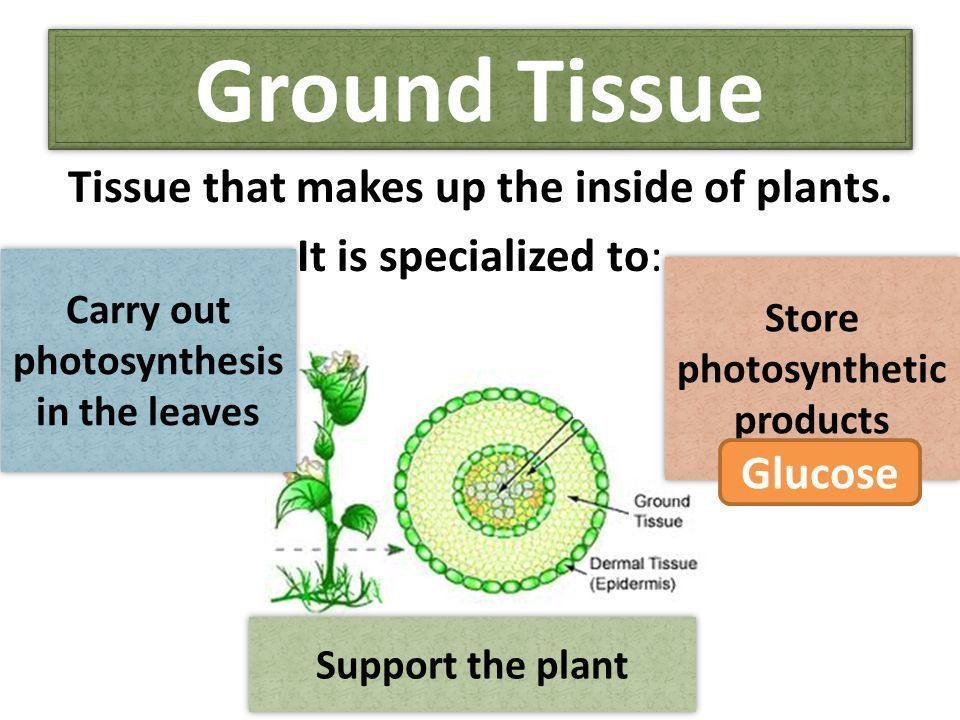
Phloem cells – transports food from leaves to other parts - 3Ground TissueMIDDLE layer, particularly parenchyma, collenchyma, & sclerenchyma cells
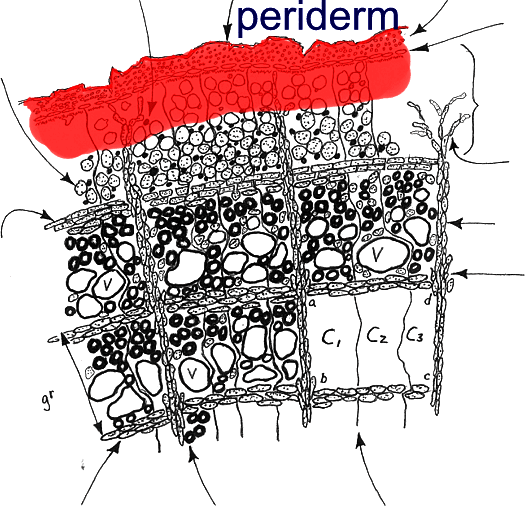
- 4PeridermProtective, dermal tissues; replaces epidermis in woody plants
- 5Parenchyma cellsMost abundant; throughout plant
Large, central space
Perform most metabolism; synthesizes and stores organic products
Ex. chloroplasts; fleshy tissue of fruit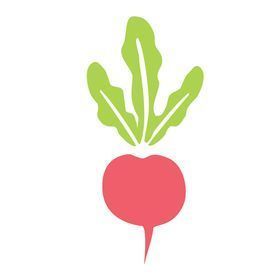
- 6Collenchyma cellsGrouped in strands; supports young parts
Thick, flexible; lack secondary cell walls
Ex. “Strings” of a celery stalk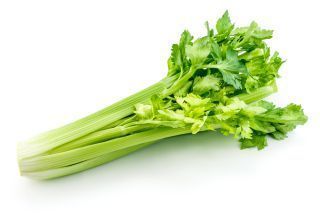
- 7Sclerenchyma cellsFiber like cells; mechanical support for older, non growing parts of plants
Rigid, thick secondary walls
Ex. Hemp, flax, nut shells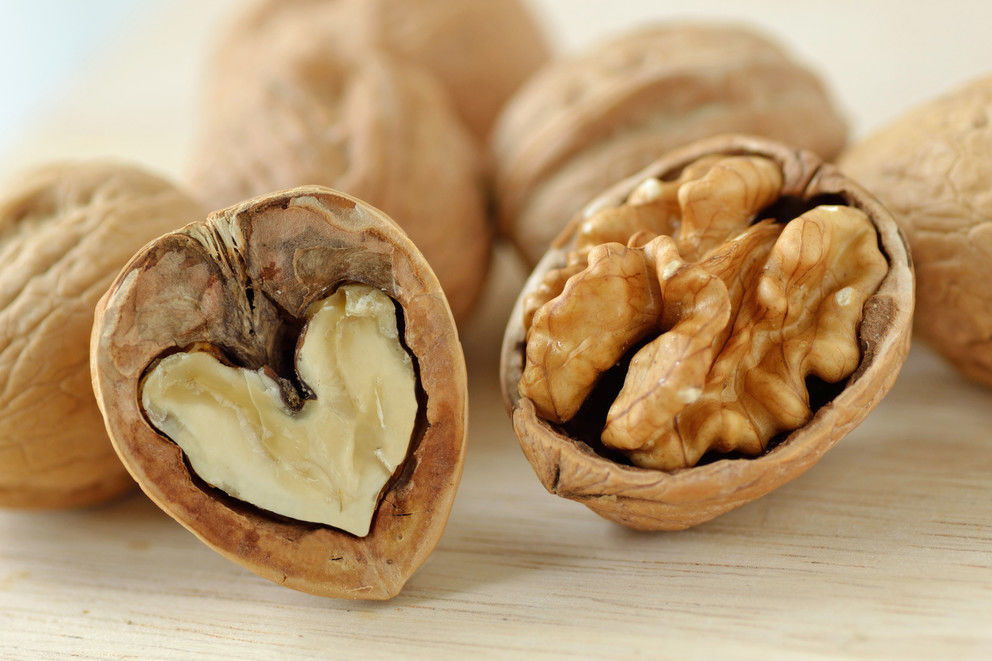
- 8If stomata is CLOSED...•No H2O lost, BUT CO2 not available, so NO photosynthesis
•Typically occurs when temps are HIGH, or at NIGHT when CO2 is HIGH from respiration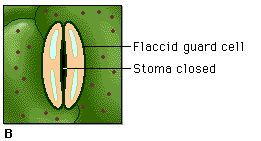
- 9If stomata is OPEN...•CO2 can enter, BUT H2O is lost (transpiration), so risk of desiccation
•Typically occurs during the DAY to provide enough CO2 for photosynthesis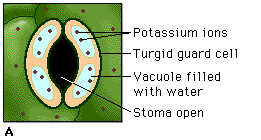
- 10Monocots•Single cotyledon (seed leaf)
•Parallel leaf veins
•Flowers = multiple of 3
Ex. Lilies, orchids, grasses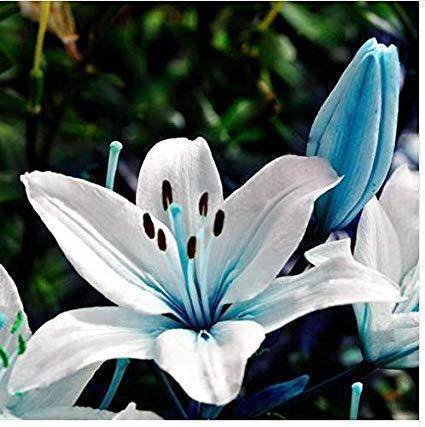
- 11Eudicots•Two cotyledons (seed leaves)
•Net leaf veins
•Flowers= multiples of 4 or 5
Ex. Roses, peas, beans, oaks
Informationen
- Beschreibung
- Organization & Movement to Land
- Erstellt von
- Miriah King
- Aufrufe
- 62
- Tags
- Bewertung