
Karteikarten
Structures of the Maxilla and Mandible as they Appear in Dental Radiographs
Karten in diesem Stapel (22)
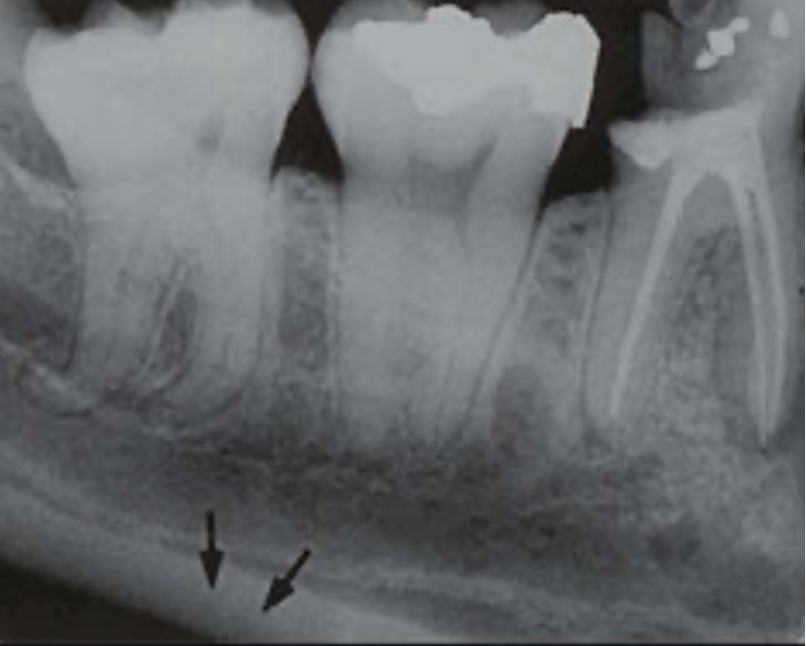
- 1—Inferior Border of the Mandible
- Appears as a heavy, broad band of bone
- Radiopaque - 2—Genial Tubercle + Lingual Foramen
- Appears on lingual surface of the mandible just above the inferior border and immediately below and between the two central incisors
- Genial tubercle is the radiopaque ring that surrounds the radiolucent lingual foramen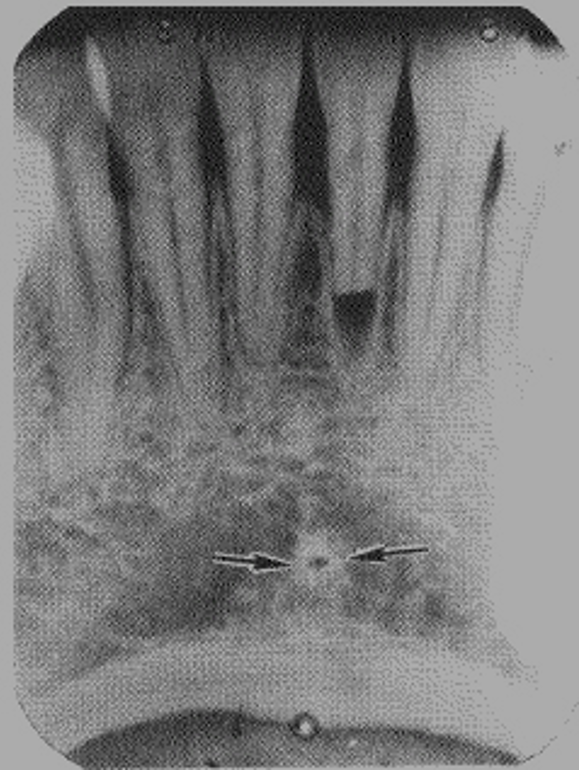
- 3—Mental Foramen
- Located below the first molar -> first premolar (varies between patients) but can be superimposed onto the tooth by poor angulation
- Examine the continuity of the lamina dura to determine if it is a pathological condition or the mental foramen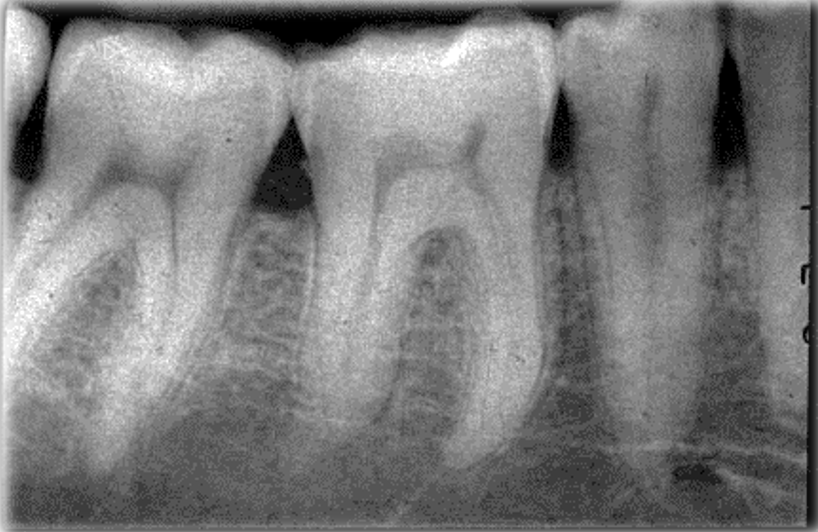
- 4—Mental Ridge
- Appears on pA's of mandibular incisors
- Bilateral "V" shape located inferior to tooth apices but may be superimposed over them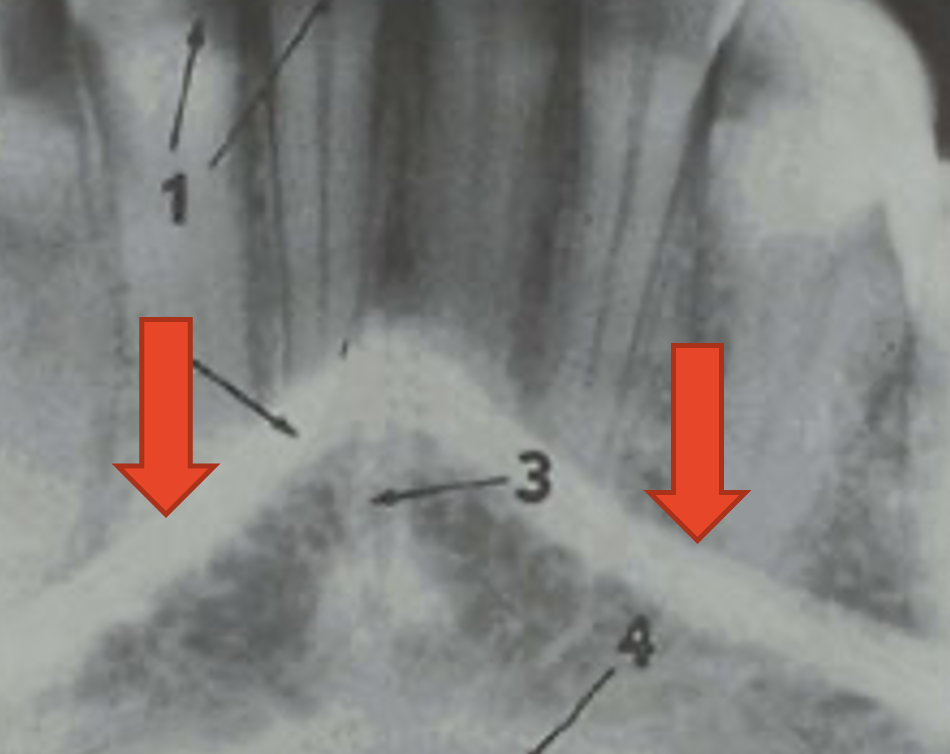
- 5—Mandibular Foramen
- Radiolucent area at the ramus of the mandible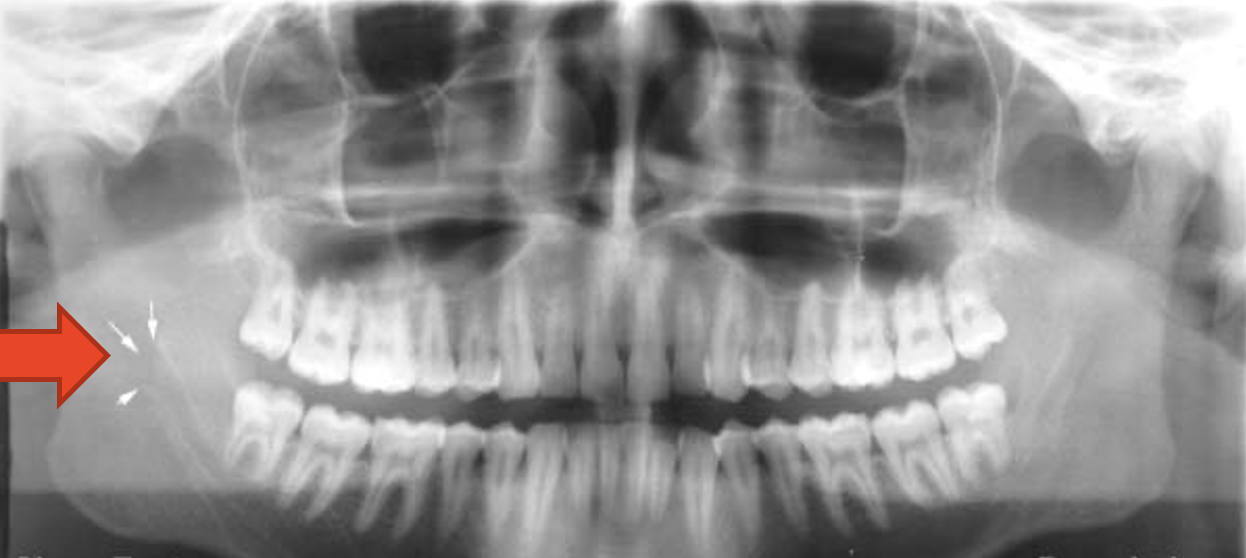
- 6—Mandibular Canal
- Begins at the mandibular foramen and terminates at the mental foramen
- Appears as a radiolucency above the inferior border
- Borders of the canal MAY be apparent as thin radiopaque lines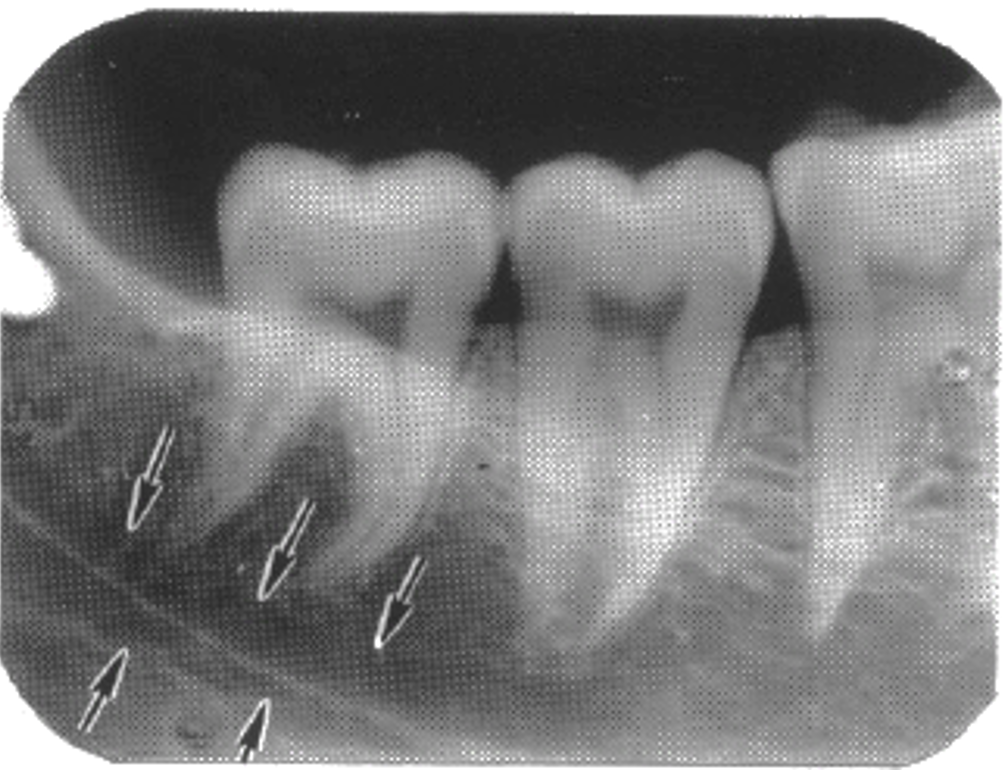
- 7—Mental Fossa
- Depression on the labial surface of the mandible around the midline and above the mental protuberance
- Appears as a generalised diffuse radiolucency as the bone here is thinner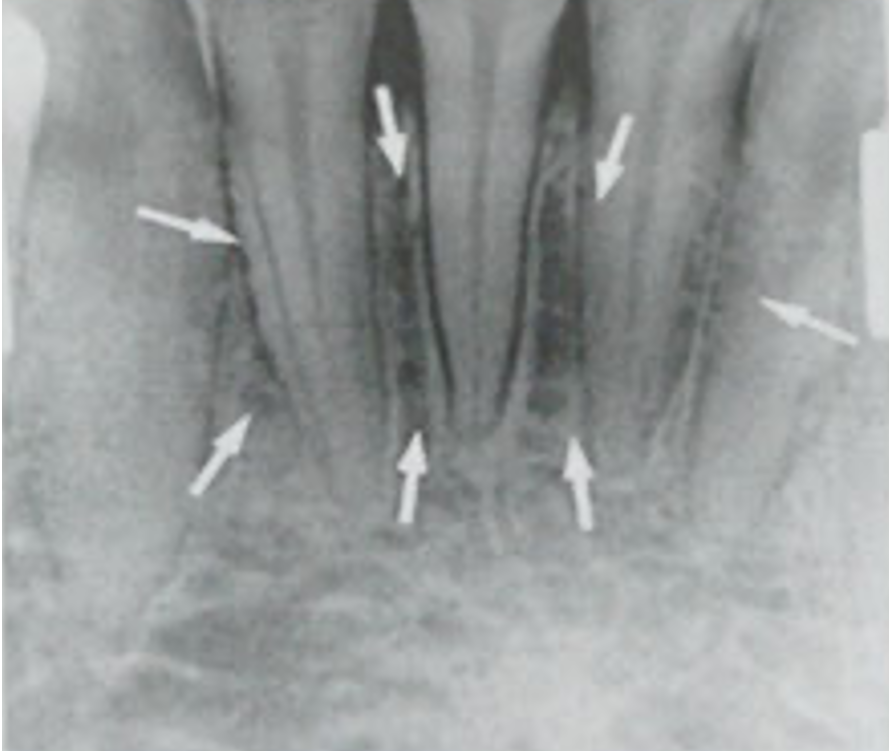
- 8—Nutrient Canals
- Not apparent in radiographs of ALL patients, but may appear in pA's of mandibular incisors
- Represent the nutrient canals of the bone, appearing fairly uniform in width and running vertically between the incisors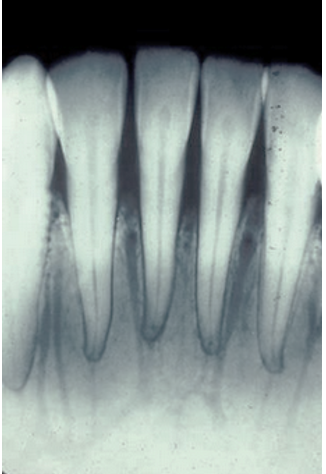
- 9—Mylohyoid Ridge
- Also known as internal oblique ridge
- Radiopaque line extending from the chin to the molar region towards the ramus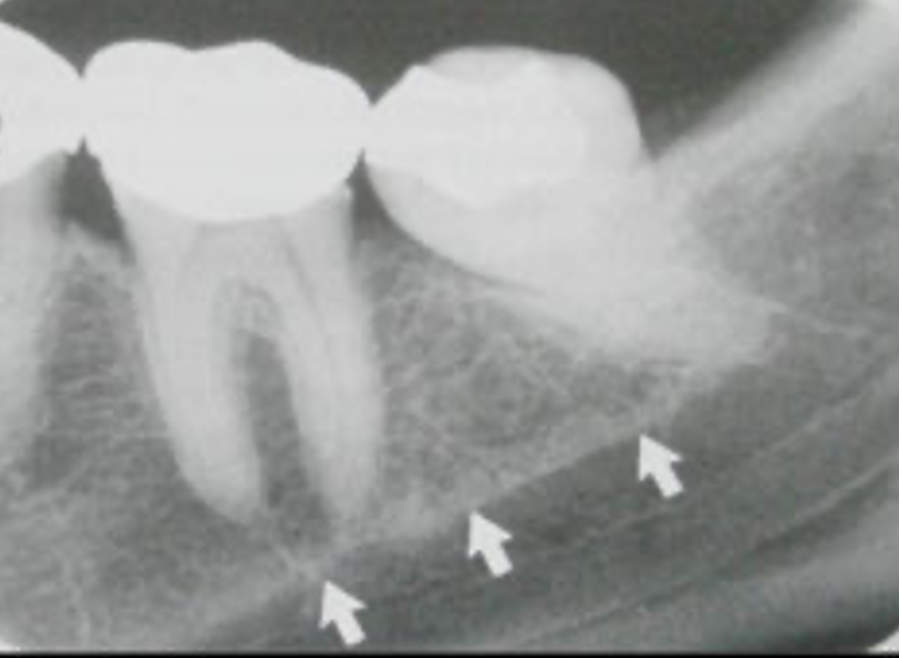
- 10—External Oblique Ridge
- Anterior portion of the descending ramus
- Varying width and density (may be so dense that it obscures tooth roots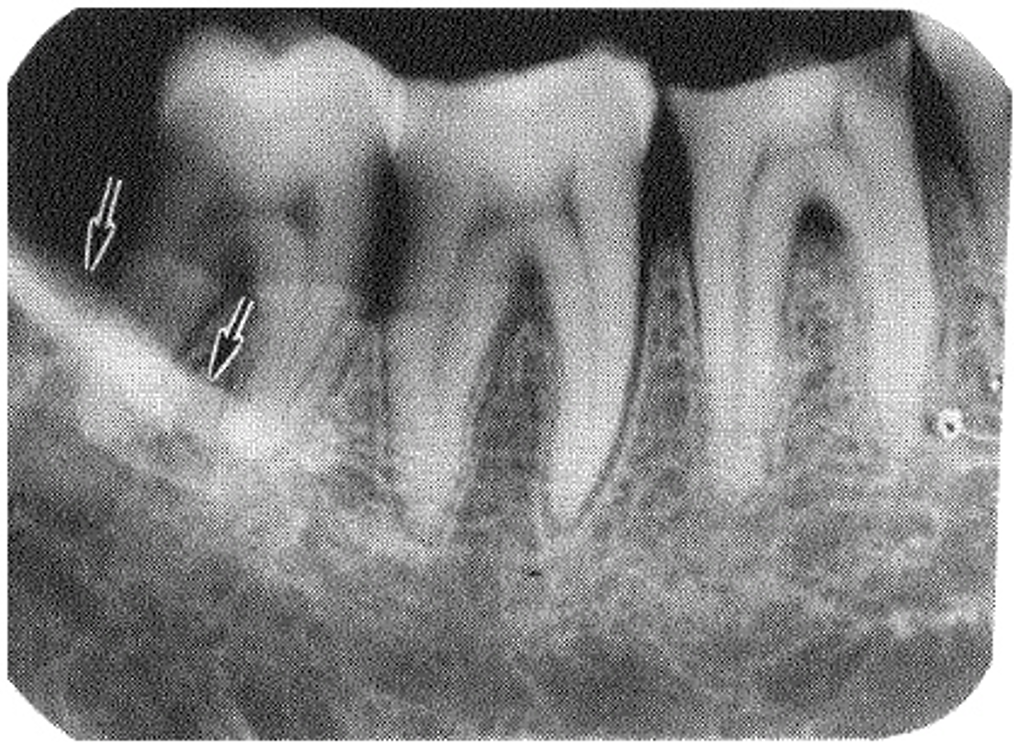
- 11—Maxillary Sinus
- Radiolucent dark area above the maxillary molars with radiopaque borders/margins
- Huge variability in sizes, enlarge during childhood maturing around 15-18
- Floor can appear above the apices or well below (extremely variable)
- Occasionally the roots will project into the sinus (take this into account when extracting)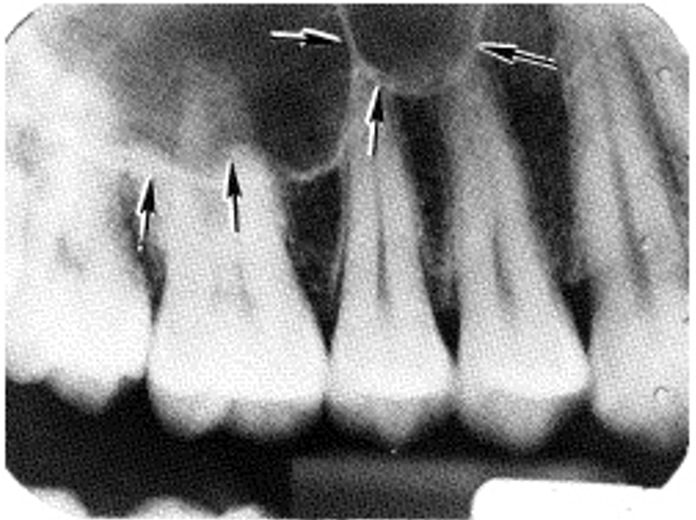
- 12—Intermaxillary Suture
- Also known as the median palatine suture
- May be mistaken for a fracture
- Thin and irregular radiolucent line usually starting between the 11 and 21, extending across the hard palate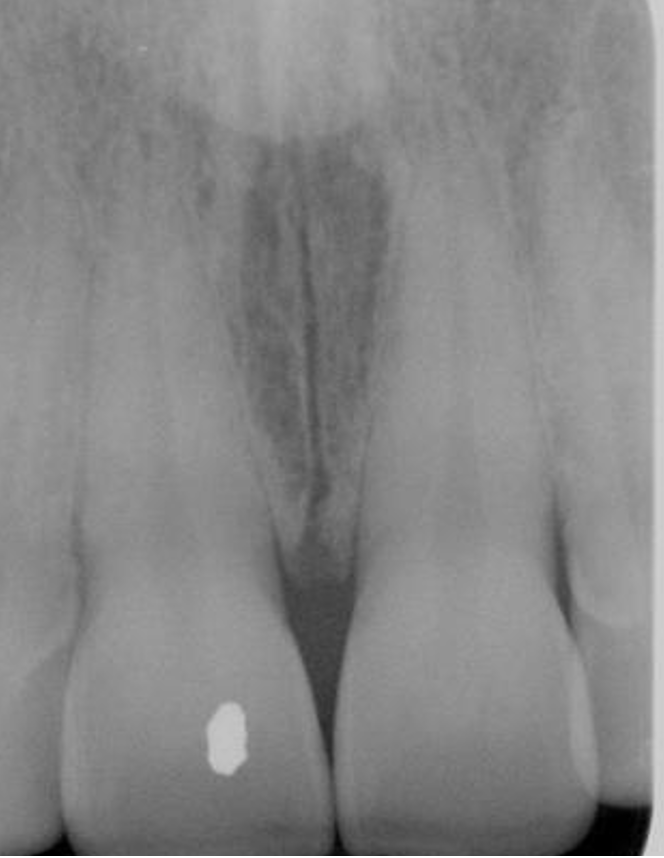
- 13—Nasolacrimal Canal
- Round/oval radiolucent area appearing on occlusal projections of upper molars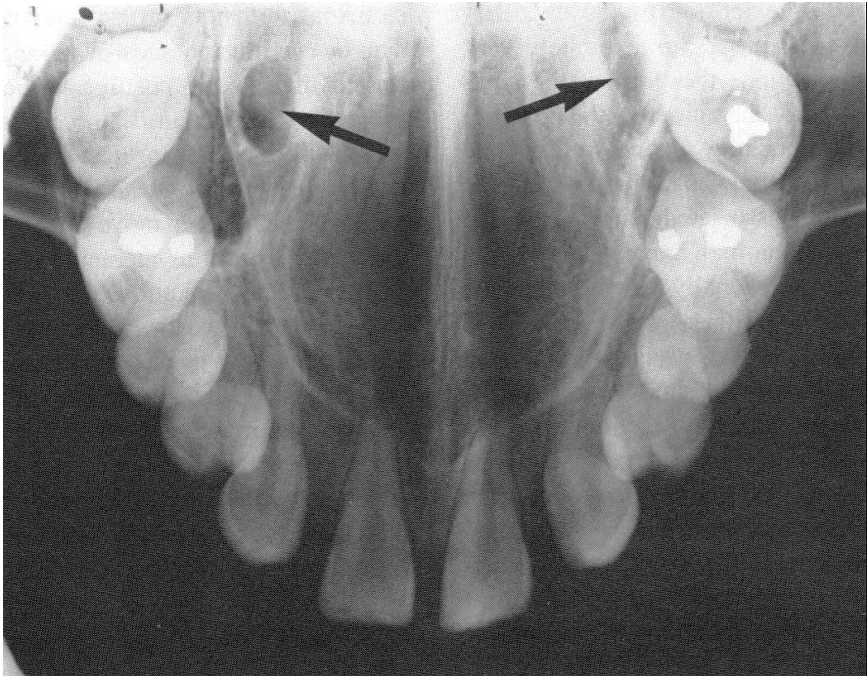
- 14—Coronoid Process of the Mandible
- Triangular grey area
- Can be superimposed ONTO upper teeth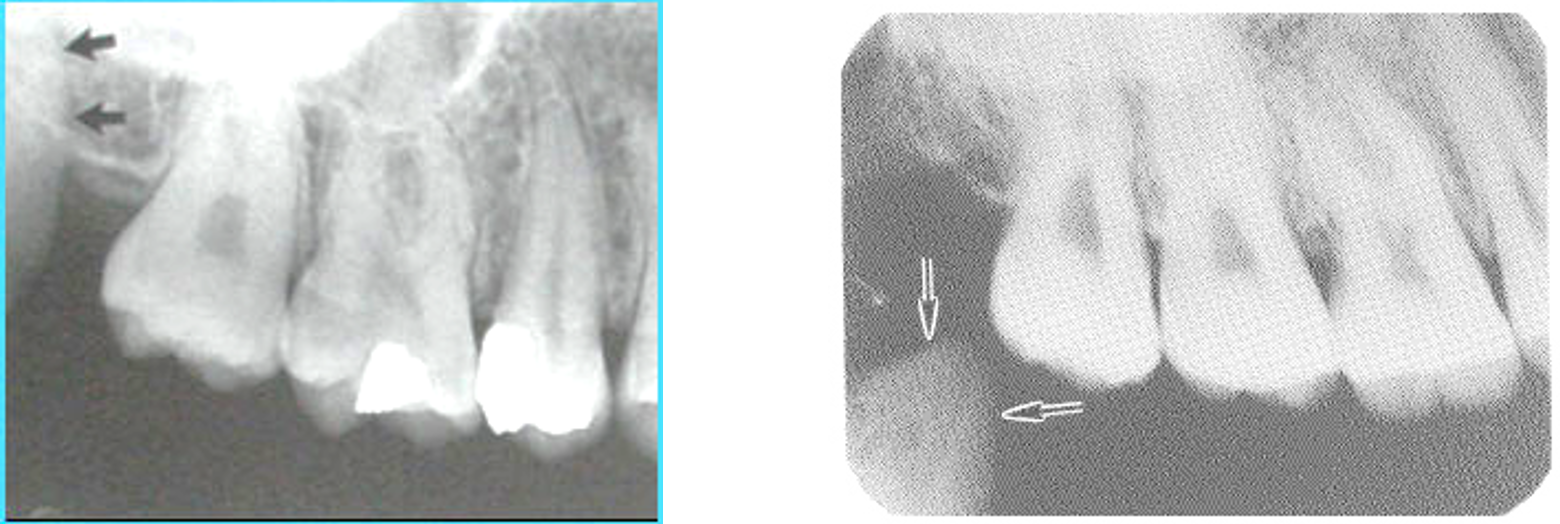
- 15—Zygomatic Process and Zygomatic Bone
- Dense radiopacity
- Apparent in pA's of upper molars, especially over the first and second molars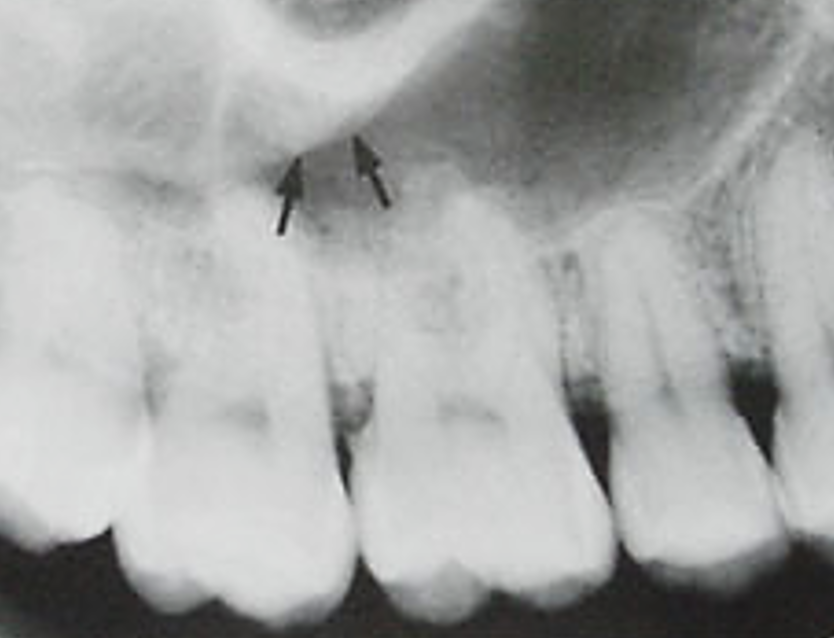
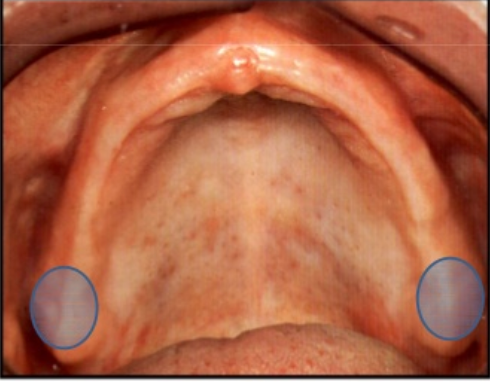
- 16—Maxillary Tuberosity and Surrounding Structures
- Appears as normal bone distal to the last molar
- Curves up and distally at the end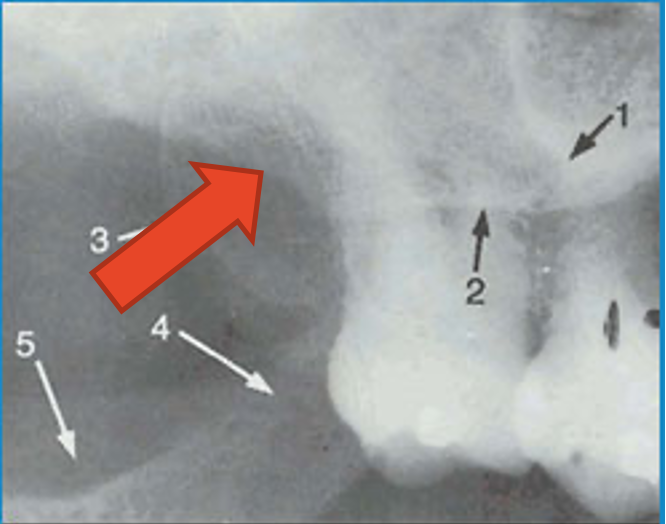
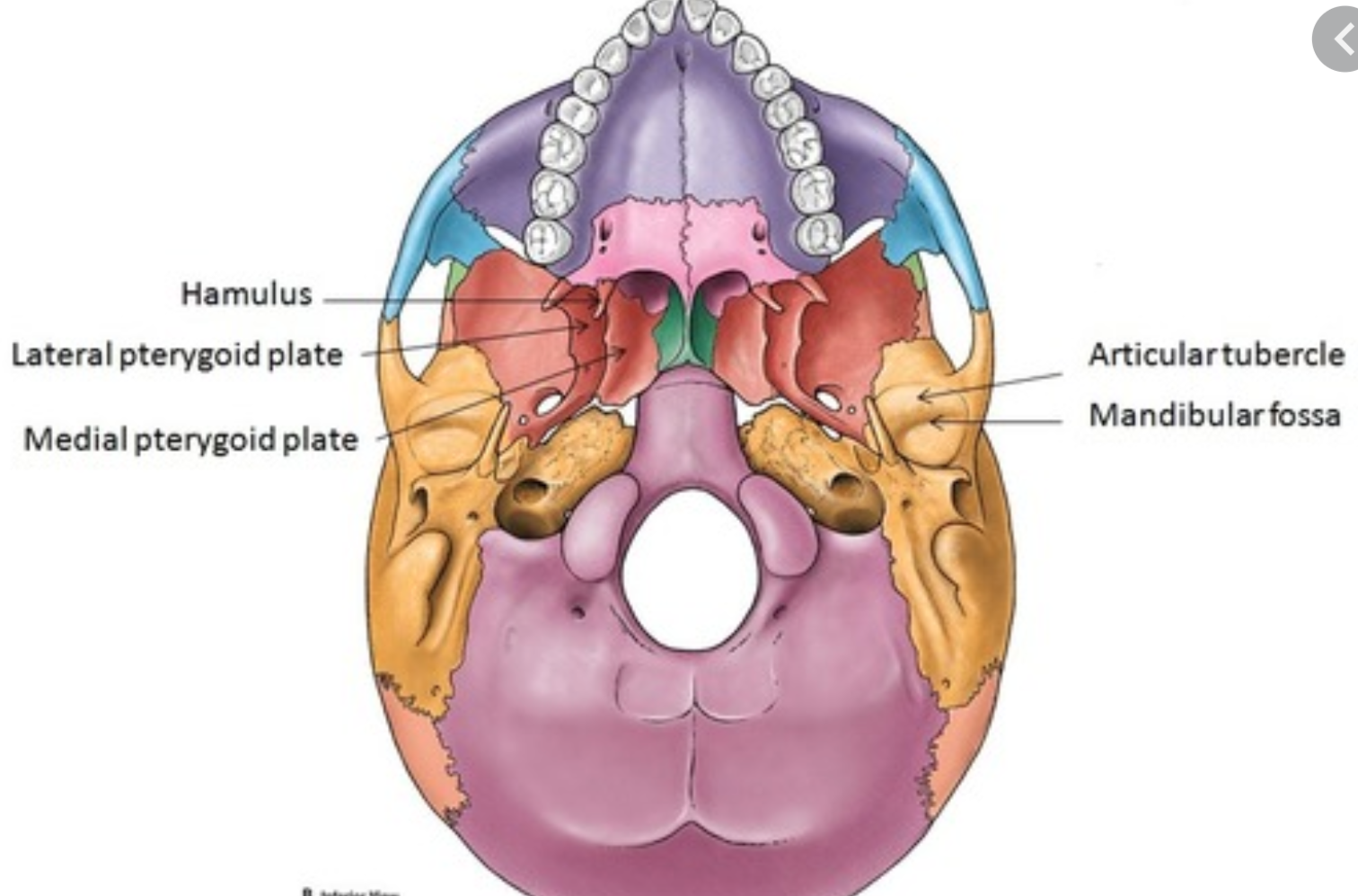
- 17—Pterygoid Plates and Hamulus
- Grey structures distal to the maxillary tuberosity on molar radiographs
- Medial and lateral pterygoid plates + hamulus of the sphenoid bone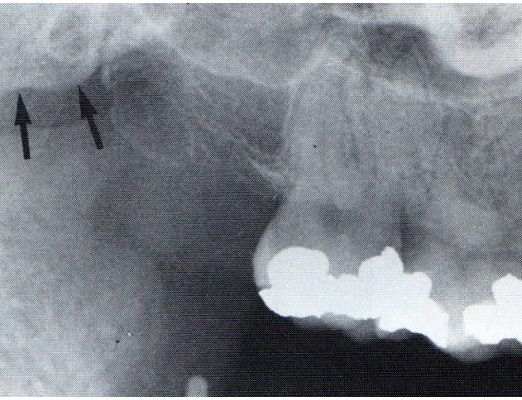
- 18—Soft Tissue Shadows
- Formed by the tip of the nose
- Typical and frequent on central and lateral incisors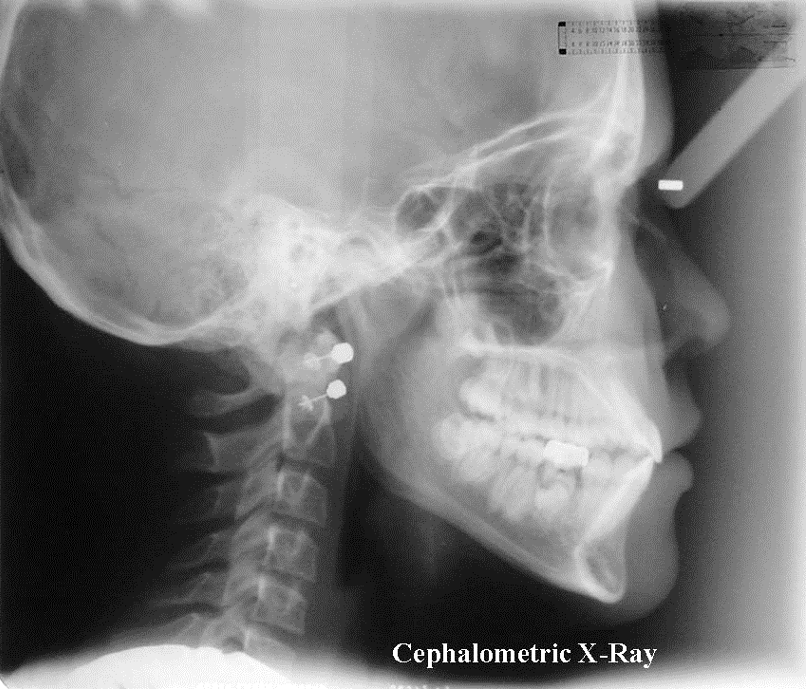
- 19—Lateral Fossa
- Gentle depression in the apex of the maxillary lateral incisor
- Present in pA's as an ill-defined radiolucency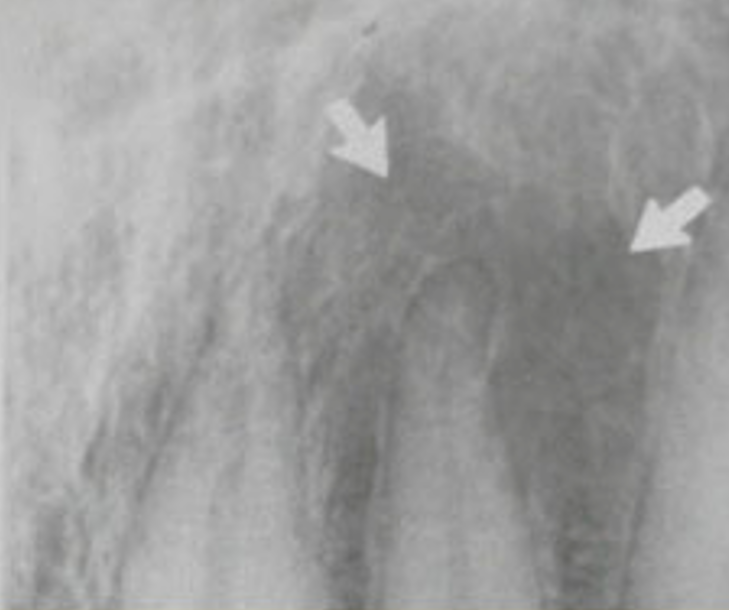
- 20—Incisive Foramen
- Usually oval shaped but varies greatly
- Found between the central incisors, located on the hard palate
- Appears in radiographs on the midline, between the two roots of the central incisors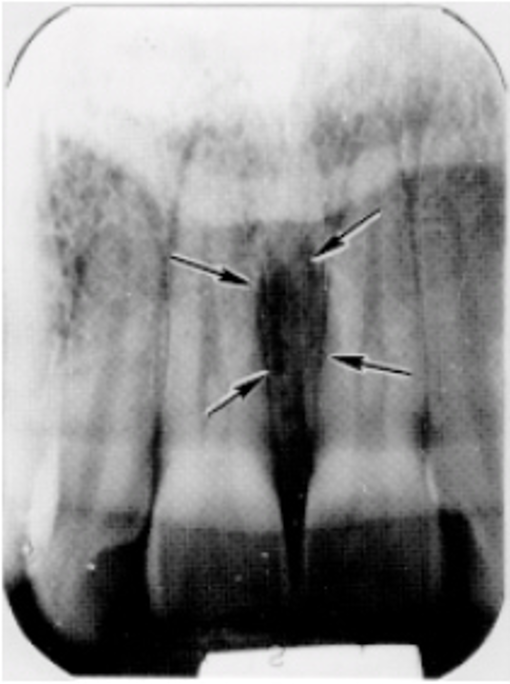
- 21—Anterior Nasal Spine and Nasal Septum
- Anterior nasal spine appears as a "V" in the midline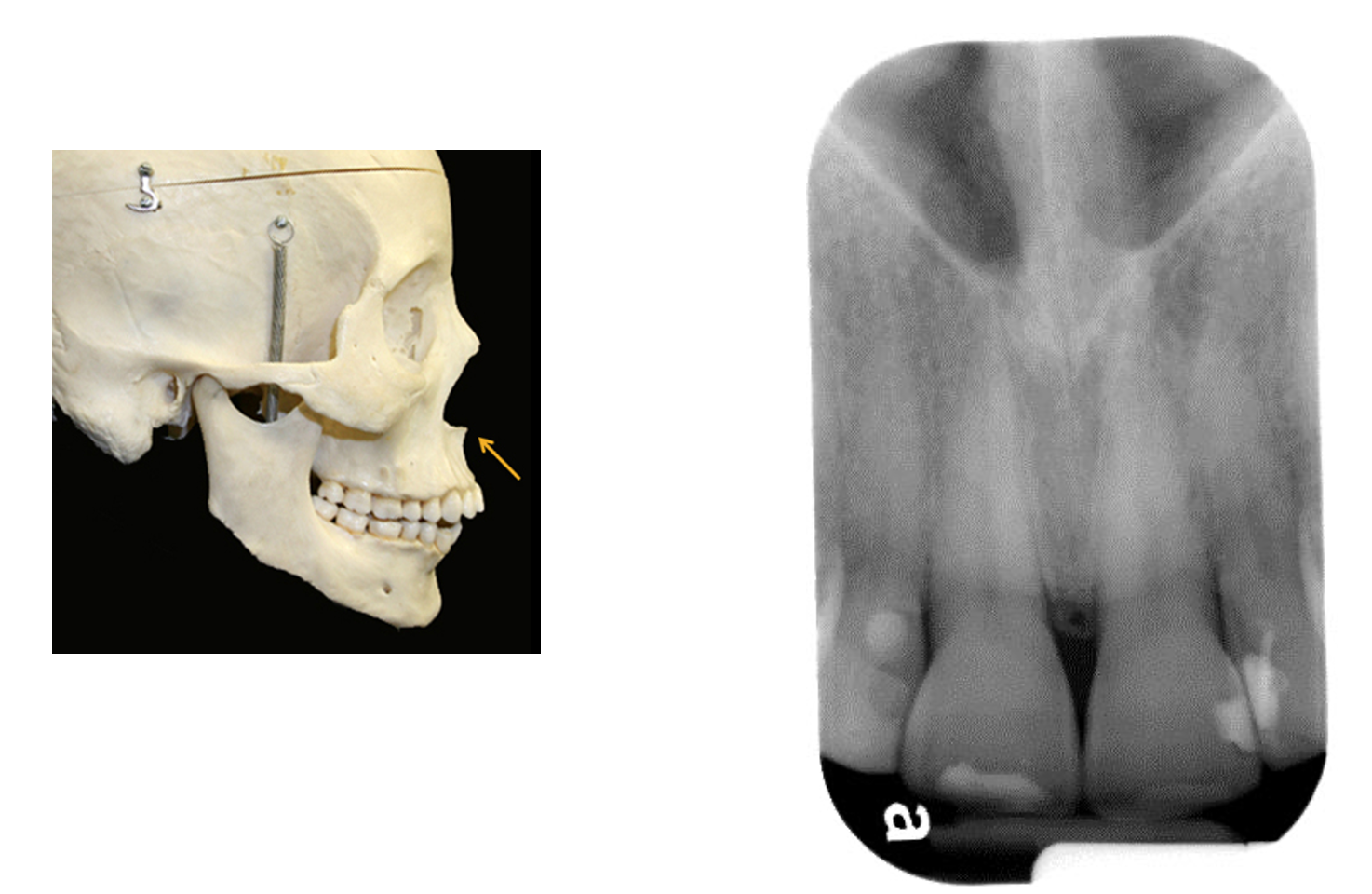
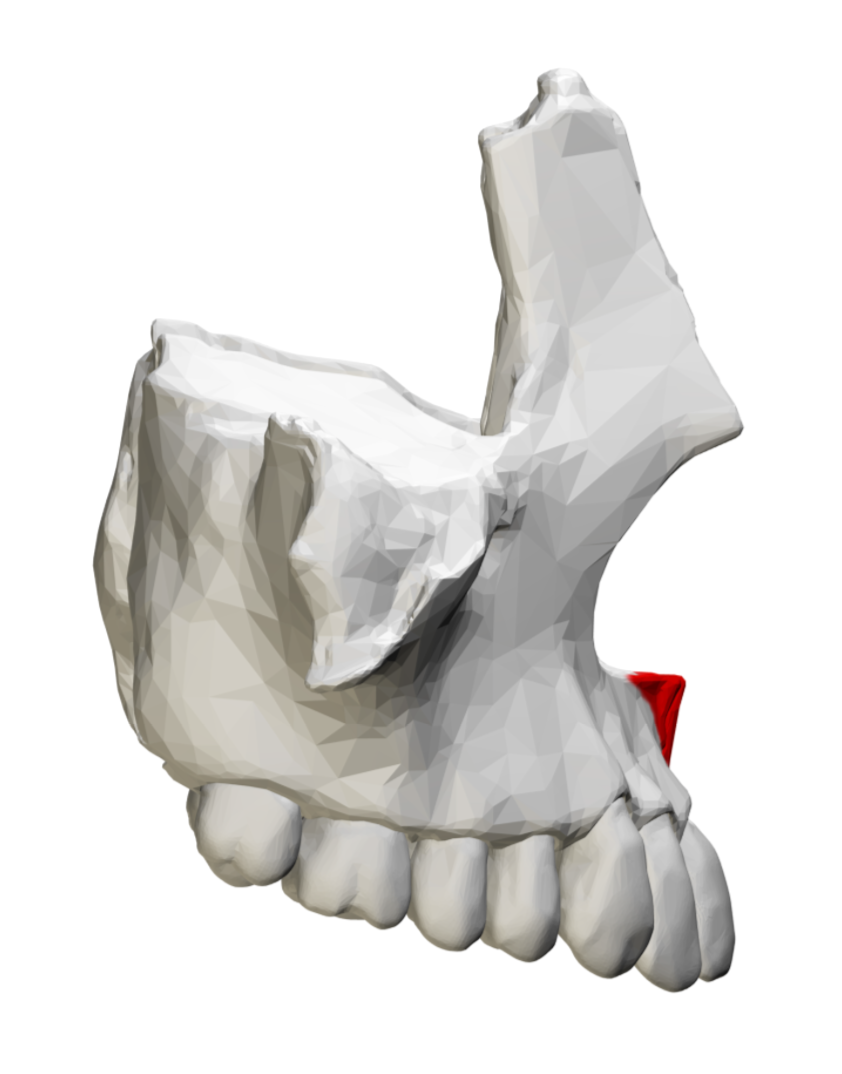
- 22—Floor of the Nasal Cavity
- Appears on radiographs above the anterior nasal spine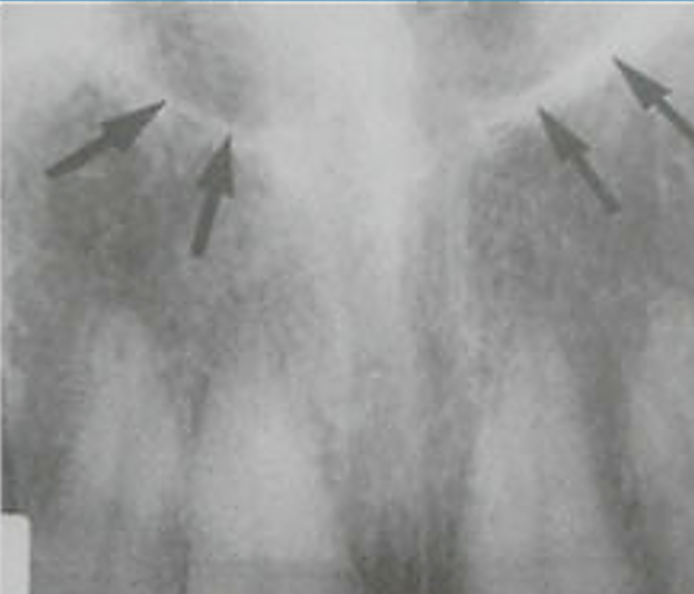
Informationen
- Beschreibung
- These flashcards are used for identifying normal structures of the mandible and maxilla which may appear on radiographs taken of the dentition/oral cavity
- Erstellt von
- Joshua Nunn
- Aufrufe
- 231
- Tags
- Bewertung