
Quiz
Secondary storage devices
Create a free account to finish this quiz
Save your progress and see your final score.
Already have an account? Sign in
Questions in this quiz (25)
1Which of the following storage devices will most likely have the highest capacity?
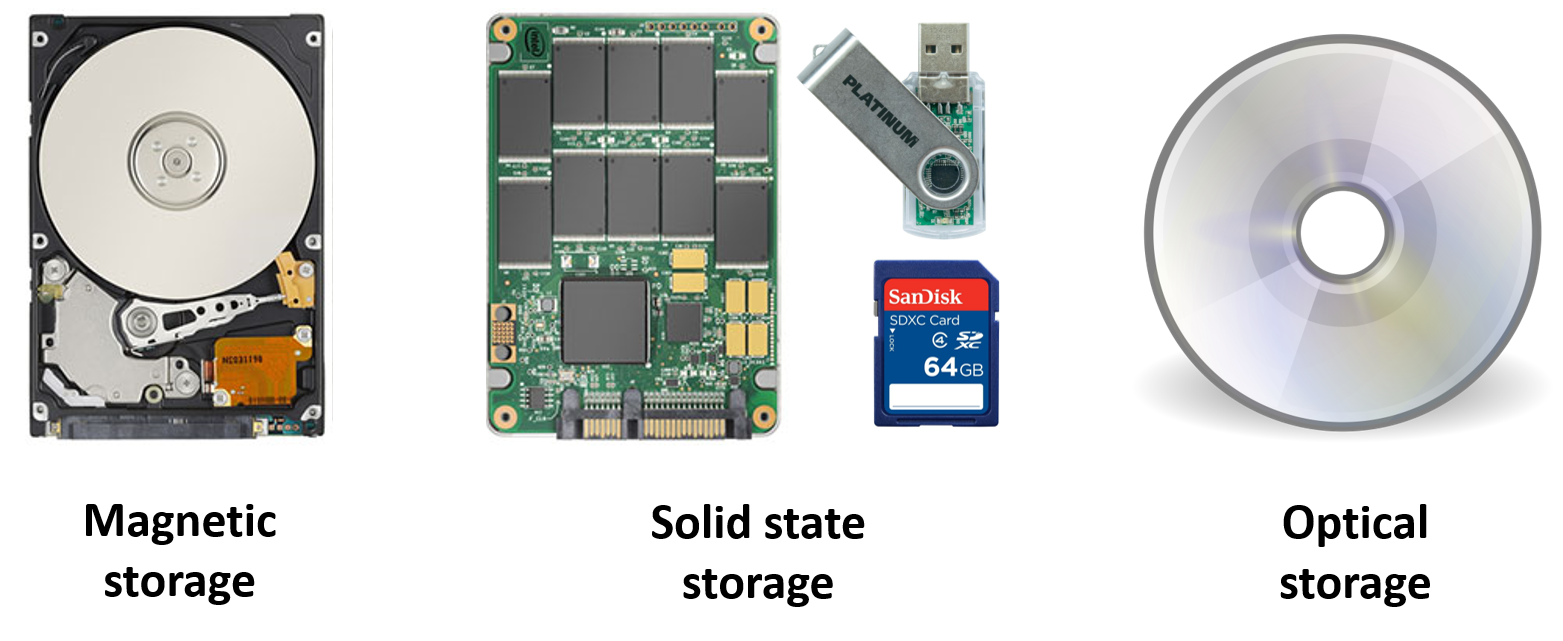
- AMagnetic storage
- BSolid state storage
2Which of the following storage devices will most likely have the smallest capacity?
- AMagnetic storage
- BSolid state storage
3Which of the following will have the fastest read/write speed?
- AMagnetic storage
- BSolid state storage
4Which of the following will have the slowest read/write speed?
- AMagnetic storage
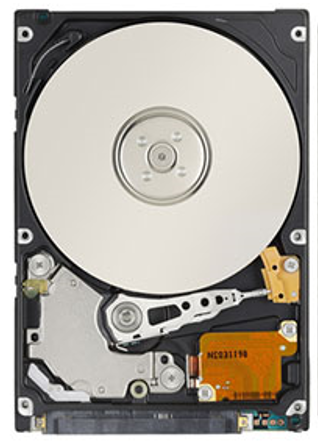
- BSolid state storage
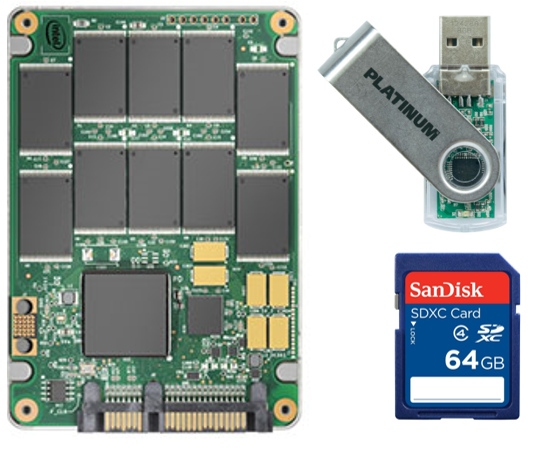
- AMagnetic storage
5Which of the following is the most portable?
- AMagnetic storage
- BSolid state storage
- COptical storage
6Which of the following is the most cost effective?
- AMagnetic storage
- BSolid state storage
- COptical storage
7USB flash drive is an example of…
- AMagnetic storage
- BSolid state storage
- COptical storage
8A portable device such as a smartphone or tablet is likely to have which type of storage?
- AMagnetic storage
- BSolid state storage
- COptical storage
9Which of the following is the most durable?
- AMagnetic storage
- BSolid state storage
10Which of the following is the least durable?
- AMagnetic storage
- BSolid state storage
11Magnetic storage is more durable than…
- ASolid state storage
- BOptical storage
12Which storage device would you most likely use to transport some files from one computer to another?
- AMagnetic storage
- BSolid state storage (USB flash drive)
- COptical storage
- DSolid state storage
13Which storage device would you most likely use to storage large amounts of backup data?
- AMagnetic storage
- BSolid state storage (USB flash drive)
- COptical storage
- DSolid state storage
14Which storage device would you most likely use to distribute a video to several people?
- AMagnetic storage
- BSolid state storage (USB flash drive)
- COptical storage
- DSolid state storage
15Programs will load faster if you have solid state storage in your computer system.
- ATRUE
- BFALSE
16Magnetic storage has lower capacity than solid state storage
- ATRUE
- BFALSE
17Magnetic storage has higher capacity than solid state storage.
- ATRUE
- BFALSE
18Magnetic storage is less durable because it has moving parts, therefore it is more likely to break if dropped.
- ATRUE
- BFALSE
19Solid state storage has a faster read write speed than magnetic storage, therefore it can load files and apps much quicker.
- ATRUE
- BFALSE
20Solid state storage has a slower read write speed than magnetic storage, therefore it load files and apps much slower.
- ATRUE
- BFALSE
21This is how much data the storage device can hold.
- ACapacity
- BDurability
- CRead/write speed
- DCost effective
- EPortability
22This is how fast the storage device can load and save data.
- ADurability
- BCost effective
- CRead/write speed
- DPortability
- ECapacity
23This is how many devices the storage device can be used on.
- ACost effective
- BPortability
- CRead/Write speed
- DDurability
- ECapacity
24This is how robust (how strong it is). The more robust, the less likely it is to break.
- ACapacity
- BRead/write speed
- CPortability
- DDurability
- ECost effective
25This is when you get the best value for money. For example, getting lots of storage space for a cheaper price.
- ACapacity
- BRead/write speed
- CDurability
- DPortability
- ECost effective
Information
- Description
- KS3 Year 8 Computing Quiz on Secondary storage devices, created by Mr A Esch on 04/01/2018.
- Author
- Mr A Esch
- Language
- English
- Views
- 1,919
- Tags
- Rating
- 4.0 out of 5 · 5 ratings Rate this quiz