
2698734
Description

Flashcards by abbiwinters, updated more than 1 year ago

|
Created by abbiwinters
over 11 years ago
|
|
| Question | Answer |
| AMENDMENT | an alteration of or addition to a motion, bill, constitution, etc. |
| ASSIMILATE | to adapt to others cultures, ways or life ect. |
| BIAS | your own opinion |
| BICAMERAL | having two branches, chambers, or houses, as a legislative body. |
| BLOCKADE | the isolating, closing off, or surrounding of a place, as a port, harbor, or city, by hostile ships or troops to prevent entrance or exit. |
| BOOMTOWN | a town that has grown very popular suddenly because of prosperity |
| CAPITALISM | an economic system in which investment in and ownership of the means of production |
| CAPTAIN OF INDUSTRY | the men who built our country in the early days |
| CHECKS AND BALENCES | to take money out and how much money you have. |
| CONGRESS | the national legislative body of a nation, especially of a republic. |
| DUE PROCESS OF LAW | the regular administration of the law, according to which no citizen may be denied his or her legal rights and all laws must conform to fundamental, accepted legal principles. |
| ECONOMICS | pertaining to the production, distribution, and use of income, wealth, and commodities |
| EMANCIPATED | freed from slavery or bondage. |
| ENFRANCHISE | to set free, liberate, as from slavery |
| ENUMERATED | name one by one, as in a list or an order. |
| FEDERALISM | the federal principle of government |
| FORTY-NINERS | a person who went to California in 1849 |
| FREE ENTERPRISE | an economic system in which private business operates in competition and largely free of state control |
| HABEAS CORPUS | requires a person under arrest to have a trial. |
| INDUSTRY | the ownership and management of companies, factories, etc. |
| JUDICIAL | pertaining to judgment in courts of justice or to the administration of justice: |
| KU KLUX KLAN | a gang that killed and terrorized African Americans after the civil war. |
| MANIFEST DESTINY | the expansion over north America. |
| MARTYR | a person who willingly suffers death rather than renounce his or her religion. |
| MONOPOLY | an exclusive privilege to carry on a business, traffic, or service, granted by a government |
| NOMADIC | to move from place to place, usually seasonally and have no permanent residency |
| OVERRIDE | to have the final say or rule, to have dominance over. |
| POPULAR SOVEREIGNTY | power is vested in the people and that those chosen to govern, as trustees of such power. |
| RATIFY | to confirm |
| RADICAL | a person who holds or follows strong convictions or extreme principles, extremist. |
| RUPUBLICANISM | the principles or theory of republican government |
| ROBBER BARON | a person who was cruel and money hungry and the opposite of a captain of industry |
| RURAL | living in the country, the country. |
| SEPARATION OF POWERS | splitting up responsibilities so that one piece doesn't get to much. |
| SOCIAL DARWINISM | the theory that individuals, groups, and peoples are subject to the same Darwinian laws of natural selection as plants and animals. |
| SUFFRAGE | the right to vote, especially in a political election. |
| SUPREME COURT | the highest court of the U.S. |
| TARIFF | an official list or table showing the duties or customs imposed by a government on imports or exports. |
| TAXATION WITHOUT REPRESENTATION | American colonists being taxed by British so they made this slogan |
| TRADE UNION | a labor union of craftspeople or workers in related crafts, as distinguished from general workers or a union including all workers in an industry. |
| URBAN | big city. |
| VETO | to say no or push to the side. |
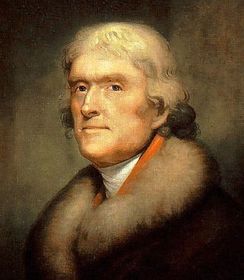
| THOMAS JEFFERSON | founding father, author of the declaration of independence and the third president. |
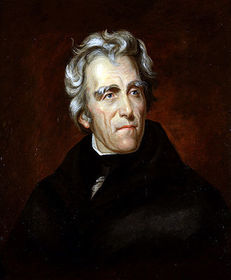
| ANDREW JACKSON | seventh president. |
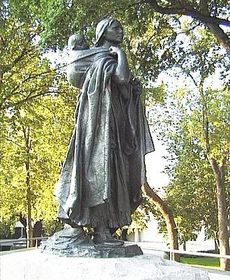
| SACAGAWEA | traveled with Lewis and Clark |
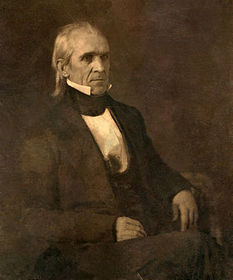
| JAMES POLK | 11th president, was a democrat, and was the 17th speaker of the house of representatives. |
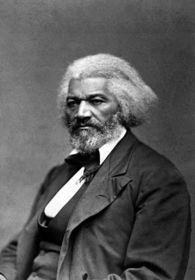
| FREDRICK DOUGLASS | was a slave who escaped from slavery, he also wrote a book. |
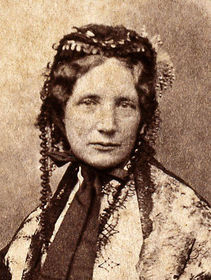
| HARRIET BEECHER STOWE | was an American abolitionist and wrote uncle toms cabin. |
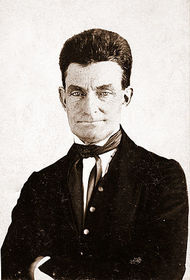
| JOHN BROWN | abolitionist who believed violence was the answer. |
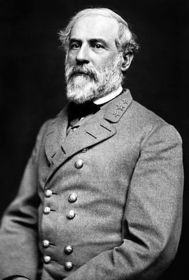
| ROBERT E LEE. | main leader of the confederate army in the civil war. |
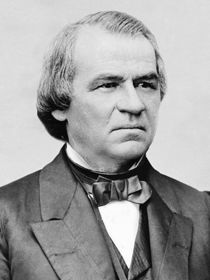
| ANDREW JOHNSON | became president after Lincoln was assassinated, he was a democrat. |
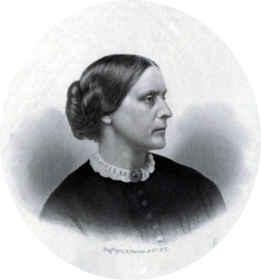
| SUSAN B ANTHONY | new yorks state agent for the antislavery society, she was also a feminist who wanted womans suffrage to end. |
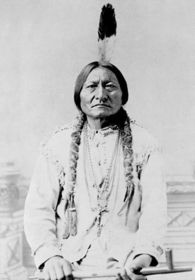
| SITTING BULL | was a lokota tribal chief during the years of resistance between the us and Indians |
| GEORGE CUSTER | he and his soldiers were killed at little big horn. |
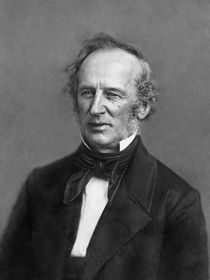
| CORNELIUS VANDERBILT | captain of industry |
| JOHN ROCKEFELLER | captain of industry (oil) |
| ANDREW CARNEGIE | captain of industry (steel) |
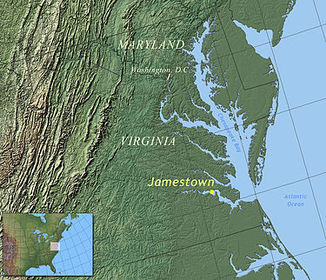
| JAMESTOWN | first official American settlement |
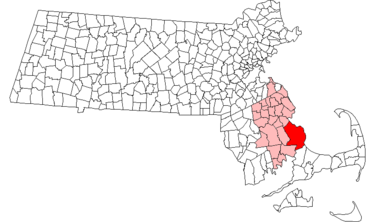
| PLYMOUTH | where the pilgrims lived and the mayflower stoped |
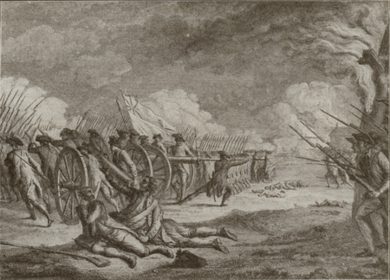
| LEXINGTON AND CONCORD | first military engagements in the American revolutionary war. |
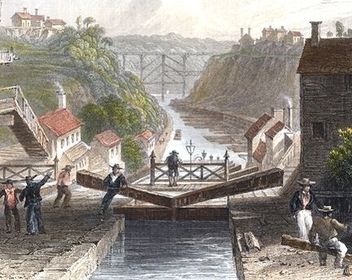
| ERIE CANAL | first transportation system between the eastern see board. |
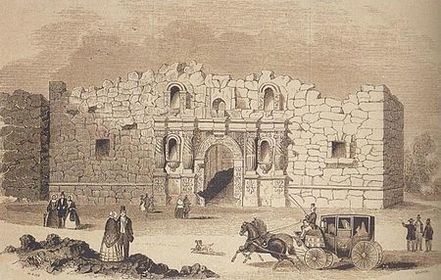
| THE ALAMO | inspired the texian army |
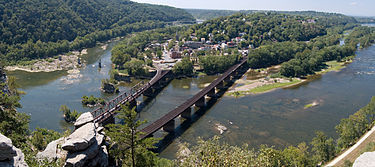
| HARPERS FERRY | where john browns raid took place. |
| FORT SUMTER | first shots of the civil war were fired. |
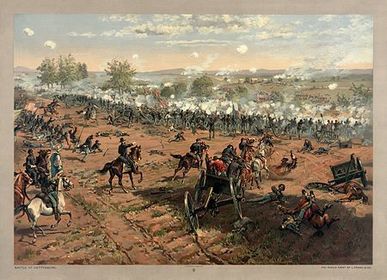
| Gettysburg | the battle that gave the union soldiers hope. and set the slaves free. |
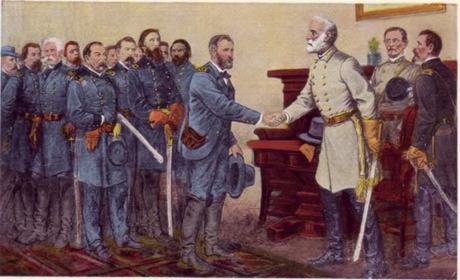
| APPOMATTOX COURTHOUSE | where the confederates surrendered |
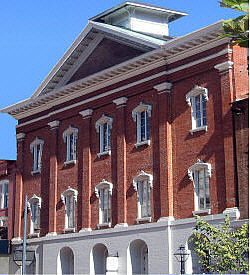
| FORDS THEATER | site of Lincolns assassination |
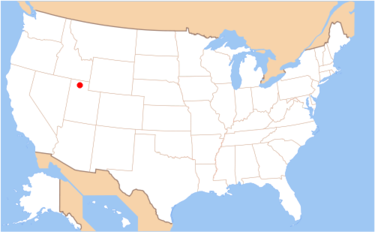
| PROMONTORY POINT UTAH | where the first rail road was built. |
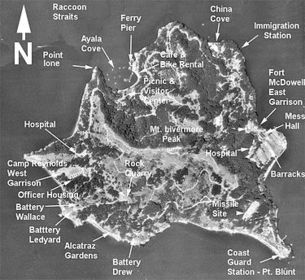
| ELLIS ISLAND AND ANGEL ISLAND | where immigrants were inspected. |
| DECLARATION OF INDEPENDANCE | lists our rights as citizens |
| REVOLUTIONARY WAR | war between great Brittan and the American colonies |
| ARTICLES OF CONFEDARATION | the original constitution of the US, ratified in 1781, which was replaced by the US Constitution in 1789 |
| GREAT COMPRIMISE | congress got 2 houses |
| PASSING OF THE CONSTITUTION | when the constitution passed. |
| ADDING THE BILL OF RIGHTS | when they decided to add the bill of rights |
| LOUISIANNA PURCHASE | the territory sold by France to the US in 1803, comprising the western part of the Mississippi valley and including the modern state of Louisiana. |
| MISSOURI COMPROMISE | The Missouri Compromise of 1820 was a congressional agreement that regulated the extension of Slavery |
| INDIAN REMOVAL ACTS | Andrew Jackson signed that the Indians would be moved to reservations |
| MEXICAN AMERCAN WAR | 1846-1848 |
| CALIFORNIA GOLD RUSH | gold was found in California and many people moved there to "become rich." |
| HOMESTEAD ACT | gave people land for little to no cost. |
| INDUSTRIAL REVOLUTION | the rapid development of industry that occurred in Britain in the late 18th and 19th centuries, brought about by the introduction of machinery |
| UNDERGROUND RAILROAD | saved many slaves, was a way for slaves to escape. |
| SENECA FALLS CONVENTION | first woman's rights convention |
| COMPROMISE OF 1850 | defused a four-year political confrontation between slave and free states regarding the status of territories acquired during the Mexican-American War |
| KANSAS- NEBRASKA ACT | separated Kansas and Nebraska opening up new lands for discovery |
| DRED SCOTT VS SANFORD | dred scott tried to sew Sanford for his freedom and failed because property cant sew people |
| FUGITIVE SLAVE ACT | fugitive slaves could be returned to their masters for money and if you knew of a fugitive slave & you didn't speak up you would be arrested. |
| BLEEDING KANSAS | violence because of unclear slave boarders |
| CIVIL WAR | union wanted slaves freed and confederates wanted slavery so they went to war and union won. |
| EMANCIPATION PROCLAMATION | Lincoln said the slaves were officially free. |
| CIVIL WAR DRAFT RIOTS | poor people were rioting rich people because they could pay not to be drafted. |
| GETTYSBURG ADDRESS | the Gettysburg address was given after the battle of Gettysburg by president Lincoln |
| RECONSTRUCTION | the period after the war when everything was being rebuilt, |
| CIVIL WAR AMENDMENTS | 13- abolished slavery. 14-granted citizenship to former slaves 15-right to vote |
| INDIAN WARS | the Indians were being taken from their lands and moved to reservations and were fighting back which caused wars. |
| GILDED AGE | rapid economic growth |
| POPULIST PARTY | represented the farmers and average citizens. |
| PLESSY VS FERGUSON | a court case over segregation |
Want to create your own Flashcards for free with GoConqr? Learn more.