
Quiz
13.- Stem cells- The future. An introduction to iPS cells
Questions in this quiz (10)
1Tissue stem cells are found in our bodies. They can…
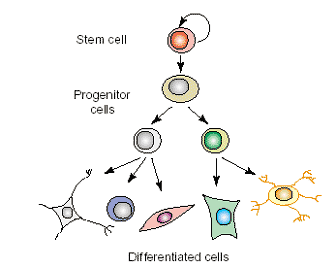
- AAll make every type of cell in our body
- BMake only the cells found in their own tissues
- CMake embryonic stem cells
- DMake only red blood cells
2Embryonic stem cells are ‘pluripotent’. This means they can…
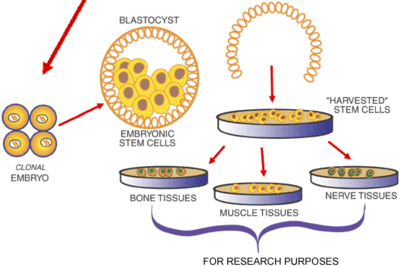
- AMake only the types of specialized cells found in the early embryo
- BMake all the different types of specialized cells found in the body
- CMake special ‘factors’ that change all other cells into stem cells
- DCopy themselves
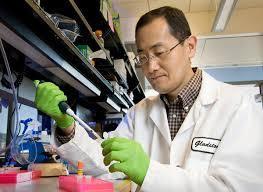
3What did Shinya Yamanaka discover?
- AThat embryonic stem cells are pluripotent
- BThat sometimes development goes backwards in our bodies
- CThat specialized cells can be reprogrammed to behave like tissue stem cells
- DThat specialized cells can be reprogrammed to behave like embryonic stem cells
4Reprogrammed cells are also called iPS cells. What does ‘iPS cells’ stand for?
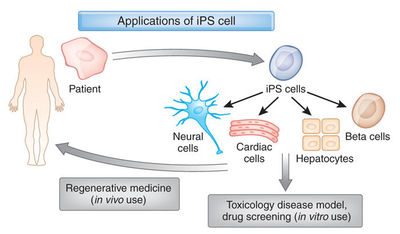
- AInduced pluripotent stem cells
- BInduced particulate stem cells
- CInductable pluripotent stem cells
- DIndividual pluripotent stem cells
5A major difference between embryonic stem cells and iPS cells is…
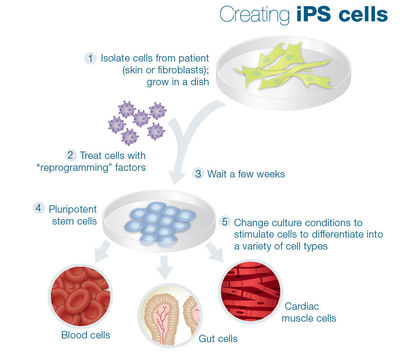
- AiPS cells can make more types of specialized cells than embryonic stem cells
- BiPS cells can only be made from animal cells
- CiPS cells can be made from an individual patient’s cells
- DiPS cells are found in our adult bodies
6Scientists expect iPS cells to be useful for…
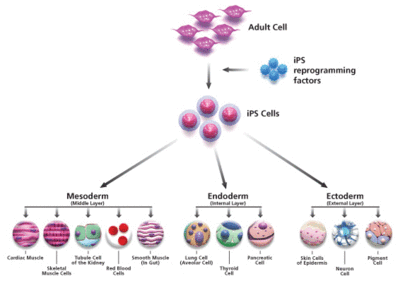
- AStudying what goes wrong in diseases
- BTesting drugs on human cells
- CMaking cells to be transplanted into patients
- DNone of the above
7Can iPS cells already be used to make cells for transplantation into patients?
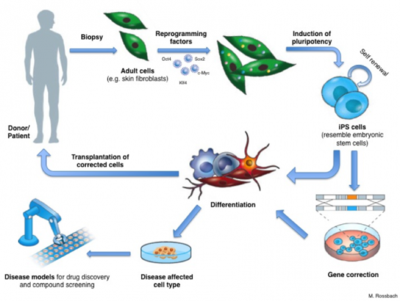
- AYes but only for genetic diseases
- BNo and scientists are sure they will never be used to make cells for transplants
- CNot yet. Scientists need to understand reprogramming better to develop therapies
- DYes but only if the patient requests iPS cells
8Why do some people think iPS cells might help answer some ethical questions?

- AiPS cells can be made without destroying an embryo
- BiPS cells are artificial so we don’t have to worry about ethics
- CShinya Yamanaka is a doctor so we can trust him
- DiPS cells are easy to make so it’s too late to think about ethics
9iPS cells could in theory be used to make sperm and egg cells. This means…
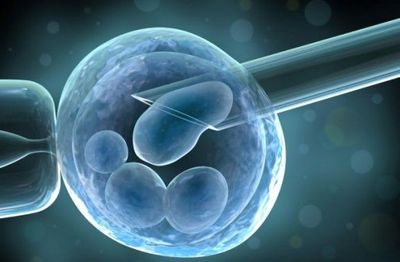
- AScientists have already made a new human being from a piece of skin
- BIn the future, iPS cells may be useful for helping infertile couples
- CiPS cells can breed with each other in a dish
- DNone of the above
10What do scientists think are some important advantages of iPS cells?
- AThey could be used to make cells for an individual patient that would not be rejected
- BThey will make it easier to identify drugs that are likely to work in humans
- CThey are very useful for studying inherited diseases
- DAll of the above
Information
- Description
- https://youtu.be/Q9-4SMGiKnE
- Author
- PEDRO ÁLVAREZ JIMÉNEZ
- Language
- English
- Views
- 773
- Tags
- Rating
- 5.0 out of 5 · 1 rating Rate this quiz