
Quiz
LS100: Chapter 3 Practice Quiz
Create a free account to finish this quiz
Save your progress and see your final score.
Already have an account? Sign in
Questions in this quiz (41)
1The federal court system consists of the following: trial courts (primarily the U.S. district courts, but also various specialized courts), appellate courts (U.S. courts of appeals), and one Supreme Court.
- ATrue
- BFalse
2Original jurisdiction: (Check all that apply)
- Ameans the power to hear and determine the case first
- Bgiven to the Supreme Court
- CDistrict courts have original jurisdiction.
- DTrial courts do not have original jurisdiction.
3What are some of the things that take place at a trial? (Check all that apply)
- Aparties resolve their disputes
- B the parties present evidence supporting their position
- C judge rules on all legal issues that arise during the trial.
- Drecorded statements of experts are taken in preparation of litigation
4A judge always makes the decisions in a trial.
- ATrue
- BFalse
5What are the two steps involved in resolving a dispute in a trial court? Check two.
- AThe court must determine the facts of the dispute.
- BThe court must issue punishment.
- CThe court must apply the appropriate law to the facts.
- DThe court must seek outside analysis from an expert witness on its own.
- EThe court picks the attorney who is the most ethical when determining how to resolve the dispute.
6Who can be a trier of fact in a trial court? (Check all that apply)
- AThe plaintiff
- BThe judge
- CThe defendent
- DThe public
- EThe jury
- FThe attorneys
7In criminal cases, federal jurisdiction exists when the crime is a violation of federal law.
- ATrue
- BFalse
8In civil cases, federal jurisdiction only occurs when the dispute revolves around the U.S. Constitution.
- ATrue
- BFalse
9Diversity of citizenship (check all that apply): A basis for federal court jurisdiction where the plaintiff and defendant are residents of different states and the amount in controversy exceeds $75,000.
- Ais a basis for federal court jurisdiction.
- Bis against the law
- Coccurrs when the plaintiff and defendant are residents of different states
- Drequires that the amount in controversy exceed $75,000
- Erequires citizenship to live in the U.S.
10Thirteen federal jurisdictions make up the intermediate appellate level of the federal court system and the United States is divided into twelve separate geographical appellate areas, called circuits.
- ATrue
- BFalse
11Any court can hear appeals in patent, copyright, and trademark cases, as well as all appeals from the U.S. Claims Court and the U.S. Court of International Trade.
- ATrue
- BFalse
12En banc relates to a case that involves a financial institution.
- ATrue
- BFalse
13Check all of the answers that apply to the appellate process!
- AThe appellate court is the first to hear a case.
- BAn appellate court is a court of review.
- CThe purpose of appellate review is to guarantee that parties receive a fair trial.
- DThe appellate judges review the case to see if they agree with the outcome at the trial court.
- EThe appellate judges review what happened at the trial court to make sure that the trial was fair.
14When there is an appeal, what needs to be prepared? (Check all that apply)
- ATranscripts of trial court proceedings.
- BAdditional testimony.
- CNew evidence
- Dappellate briefs
15In exercising its appellate jurisdiction, the court examines the record to determine whether any substantial legal errors were committed that denied the appealing party (the appellant) a fair trial. What are some examples of legal errors?
- Aerroneously admitted or excluded evidence
- Bunfavorable testimony to either side
- Cimproper jury instructions
- Dfriendship between attorneys on both sides
16In reviewing a case, the appellate court can affirm or uphold the trial court’s decision and it can reverse, or change, the trial court’s decision. It can also reverse and remand.
- ATrue
- BFalse
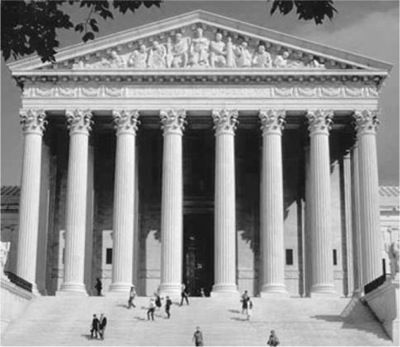
17The Supreme Court has 7 justices and two alternates, in addition to a Chief Justice.
- ATrue
- BFalse
18The Supreme Court can hear any kind of case--even those that relate to state law only.
- ATrue
- BFalse
19Parties desiring a hearing before the Supreme Court usually file a document known as :
- Aen banc
- B petition for writ of certiorari
- Cpro se
- Dappellate brief
- Eappeal notice
20Technology of any kind is not permitted in any courtroom.
- ATrue
- BFalse
21The U.S. Supreme Court is the highest court in the nation and any decision it makes is final.
- ATrue
- BFalse
22State court systems are set up differently than the federal court system.
- ATrue
- BFalse
23Trial courts are referred to in some states as: (Check all that apply)
- Asuperior courts
- Bmunicipal courts
- Clower court
- Dcircuit court
- Ekangaroo court
- Fcity court
- Gsurrogate court
- Hsupreme court
- Imagistrate court
24Federal court judges are elected by the people.
- ATrue
- BFalse
25Magistrates are appointed by the judges of the district court and must possess the qualifications to serve as a judge.
- ATrue
- BFalse
26State court judges are installed in the same way as federal court judges.
- ATrue
- BFalse
27Court personnel include: (Check all that apply)
- ACourt clerk
- Bplaintiff
- Ccourt reporter
- Dbailiff
28What are the requirements for becoming a licensed attorney? (Check all that apply)
- AMust pass a state bar examination
- BMust pay $10,000 to the court
- CMust be licensed in the state in which they wish to practice law
- DMust have completed a four-year bachelor’s degree program followed by a three-year law school program.
- EAll states now require licensed attorneys to regularly complete a certain number of hours of continuing education in order to maintain their license to practice law.
29An attorney can work in
- Aas a Law firm partner
- Bthe Prosecutor's office
- Cthe office of the Public defender
- Dlegal departments of corporations or insurance companies
- Eall of the above
30Paralegals can give legal advice.
- ATrue
- BFalse
31A hearing before an administrative agency regarding a dispute between an individual and the agency is called an administrative hearing.
- ATrue
- BFalse
32What are some common professional organizations for the various members of the legal community?
- AAmerican Bar Association
- BState Bar associations
- CLocal Bar associations
- DAmerican Trial Lawyers Association
- ENational Association of Legal Assistants (NALA)
- FNational Federation of Paralegal Associations (NFPA)
- Gall of the above
33The conduct of a judge is not regulated.
- ATrue
- BFalse
34What kind of relationship exists between client and attorney?
- Afiduciary
- Bmoral
- Cexclusive
- Dfriendship
35What are some possible ethics sanctions for an attorney who fails to adhere to their state code of ethics? (Check all that apply)
- ADisbarment
- BJail time
- Creprimand
- Dsuspension
36A paralegal does not have to abide by the rules of ethics because they are not licensed by the state.
- ATrue
- BFalse
37Lawyers have the discretion as to what client information they wish to keep confidential.
- ATrue
- BFalse
38Competency requires that attorneys have the requisite legal knowledge to handle a case.
- ATrue
- BFalse
39A conflict of interest occurs when the attorney cannot give all of his or her loyalty to the client because of some personal or financial relationship that exists.
- ATrue
- BFalse
40An attorney can set up his/her bank accounts in any way they wish.
- ATrue
- BFalse
41What are some tasks that would constitute the unauthorized practice of law if performed by a paralegal? (Check all that apply)
- AAppearing in court on behalf of a client
- BGiving legal advice
- CGiving legal information
- DGiving personal advice
- Esigning pleadings for court filings
Information
- Description
- Quiz on LS100: Chapter 3 Practice Quiz, created by cnolan9172 on 14/02/2015.
- Author
- cnolan9172
- Language
- English
- Views
- 2,671
- Rating
- No ratings yet Rate this quiz