
Fichas
Research Methodology
Fichas del conjunto (23)
- 1Deductive research– A conceptual and theoretical
structure (model) is
developed and then tested
by empirical observations
From general - to particular
1. Theory (models) as guide
2. Hypotheses
3. Data collection
4. Findings
5. Hypotheses confirmed or
rejected
6. Revision of theory - 2Inductive ResearchTheory is developed from the
observations of empirical
reality
From particular - to general
1. Compare theories
2. Gather information
3. Ask questions
4. Develop theory
5. Look for patterns
6. Form categories (Concepts)
7. New theory developed - 3Quantitative ResearchA study that involves
collecting of quantitative data
(and/or quantifiable qualitative
data) - 4Qualitative ResearchResearch design involving
collection of qualitative data
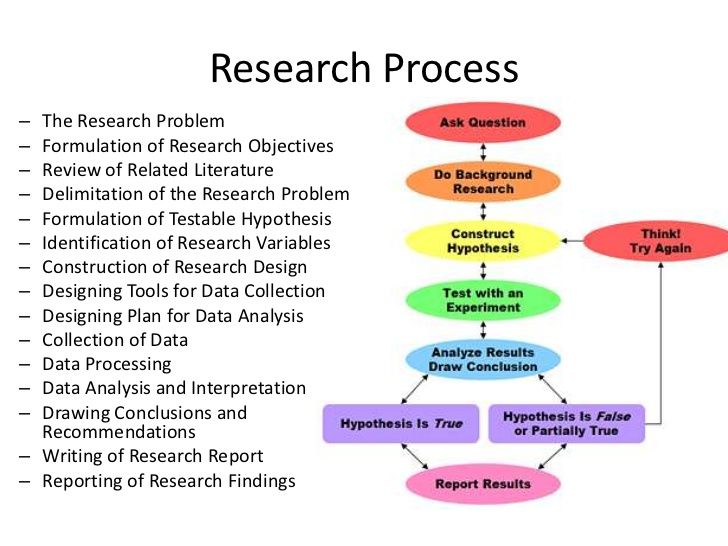
• Interviews, observations - 5Research Process
- 6Research Paradigma philosophical framework that guides how
scientific research should be conducted’ - 7Philosophy‘A set or system of beliefs [stemming from] the study of the fundamental nature of knowledge, reality, and
existence’ - 8Positivism– Reality exists independently of us, so it can be measured objectively
– Therefore, the researcher uses quantitative methods leading
to the discovery of laws/theory (e.g. chemistry) - 9Interpretivism– Reality exists within our minds, so the researcher is inseparable from that being researched
– Therefore, the researcher uses subjective, qualitative
methods leading to interpretive understanding (e.g.
behavioural psychology) - 10PragmatismPosition on each dimension is determined by the research question
“There are many ways to interpret world, no single view can give the
full picture and there might be multiple realities”. - 11Epistemology• What is (or should be) considered acceptable knowledge
• Can the social world be studied ‘scientifically’?
• Is it appropriate to apply the methods of the natural
sciences to social science research?
• Positivism vs. interpretivism - 12Ontology• Social ontology: the nature of social entities
• What kind of objects exist in the social world?
• Do social entities exist independently of our perceptions of them?
• Is social reality external to social actors or constructed by them?
• Objectivism vs. subjectivism / constructivism - 13Reliabilityy refers to the accuracy and precision of the measurement and absence of differences in the results if the
research were repeated - 14Validitythe extent a test measures what the researcher wants it to measure and the results reflect the phenomena under
study - 15X-Sectional studiesused to investigate variables or a
group of subjects in different contexts but over the same period
of time - 16Longitudinal Studiesused to investigate variables or a group
of subjects over a long period of time - 17Ethnographyresearcher uses socially acquired and shared knowledge to understand the observed patterns of human
activity - 18Case Studyexplores a single phenomenon (the case) in a natural setting using a variety of methods to obtain in-depth knowledge
- 19Action Researchapplied research to find an effective way of bringing about a conscious change in a partly controlled environment
- 20Ethical Research No harm should come to research participants,
They should agree to participate and know what the research is about (informed consent),
Their privacy should not be invaded (anonymity - confidentiality),
They should not be lied to or cheated (no deception) - 21Data Collection Quantitative study1. Choose a sampling method
2. Identify the variables
3. Choose data collection method(s)
4. Conduct pilot study and modify methods as necessary
5. Collect the research data - 22CensusData from an entire population
- 23—
Información
- Descripción
- Fichas sobre Research Methodology, creado por Maxim Murashkin el 23/04/2017.
- Creado por
- Maxim Murashkin
- Visitas
- 1
- Valoración