
Fichas
Harm Reduction: HCV Risk Assessment Game (VPI)

Fichas del conjunto (15)
- 1Sharing a needle with someone who says they don't have Hep CHigh Risk
Just because someone says they don’t have Hep C doesn’t mean it’s true! Most people don’t know they have it. Getting tested is the only way to know a Hep C status. - 2Sharing a drug strawHigh Risk
The nose bleeds really easily! The tip of the straw likely has blood on it, and that blood can enter the next person who snorts with it.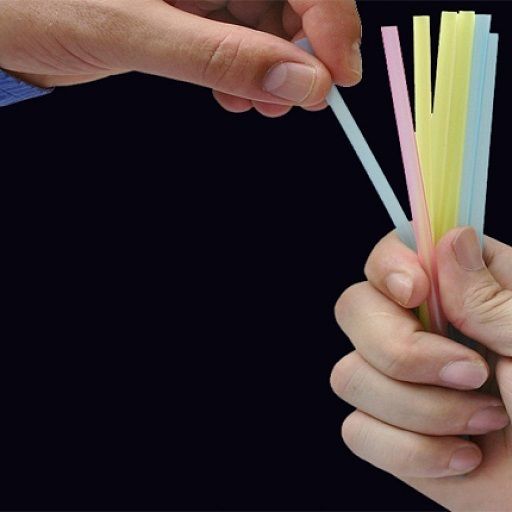
- 3Sharing nail clippersLow Risk
This still carries a risk, since some people cut too close and can bleed. Don't share nail clippers.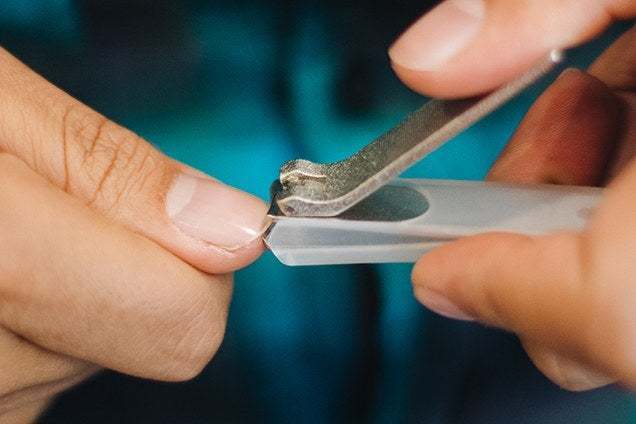
- 4Getting a stick-and-poke tattoo from a friendMedium Risk
Hep C can live inside an inkpot for up to 68 days. That’s nearly 3 months! Ideally, get tattoos from a professional, or at the very least, have them break the seal of a new inkpot.
- 5Anal sexMedium/High Risk
While Hepatitis B is actually more readily spread through anal sex, Hep C is still a risk.. Especially if insufficient lube is used, the chance of microscopic tears/chafing is high.
- 6Sharing a cigaretteLow/No Risk
Unless the person is actively bleeding through a sore onto the cigarette, it is highly unlikely to contract Hep C.
Saliva cannot transmit Hep C!
- 7Sharing cottons, cookers, or tourniquetsHigh Risk
Cottons/cookers: especially when reusing them, blood is likely introduced.
Tourniquets: if someone bleeds after a shot, transmission is possible.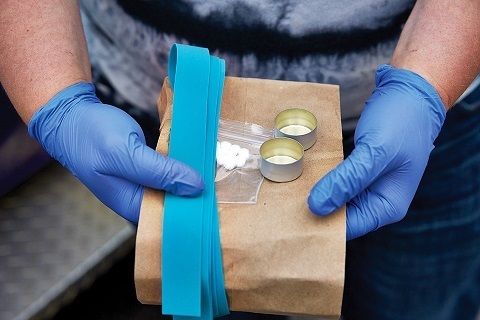
- 8FightingMedium Risk
The risk of split knuckles coming into contact with another's blood is high.
Physical violence can almost always be avoided.
- 9Kissing SomeoneLow/No Risk
Unless both people have open cuts/sores on their lips or mouth, saliva cannot spread Hep C!
- 10BreastfeedingLow Risk
Consulting with a doctor can help protect the baby while breastfeeding. If the nipple cracks and bleeds, there is a chance baby could get it. Breastmilk cannot spread Hep C.
- 11Sharing a Hot PipeMedium/High Risk
While less risky than sharing needles, hot crack/meth pipes can easily crack lips, causing them to bleed.
Always use a pipe cover if forced to share a pipe.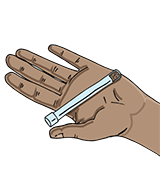
- 12Sharing a ToothbrushLow Risk
Overactive brushing can cause bloody gums, spreading Hep C if a toothbrush is shared.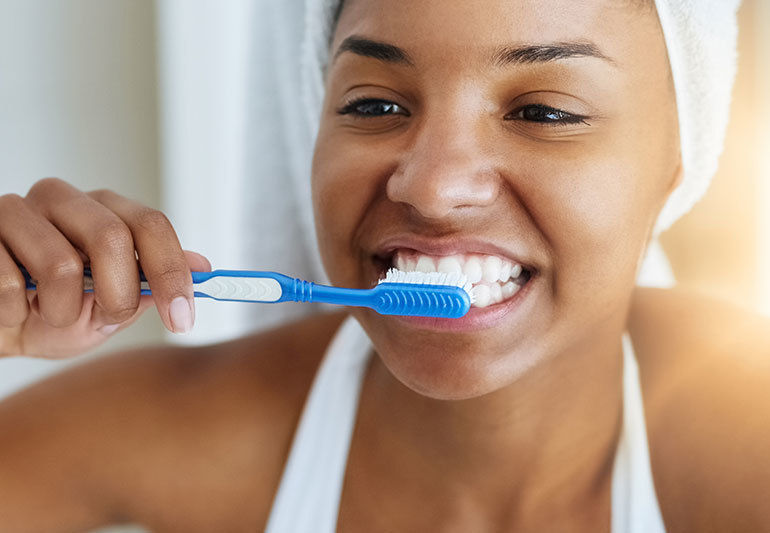
- 13Sharing a RazorLow/Medium/High
Small cuts, especially microtears, are common while shaving. Never share razors.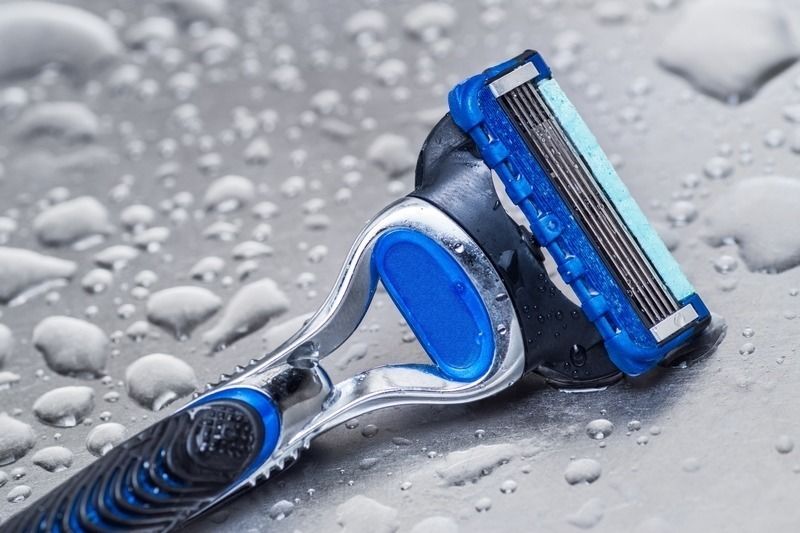
- 14Using a Syringe That has Been Cleaned with BleachHigh Risk
Bleach can kill HIV, but does *NOT* kill Hepatitis C. Always use new syringes and works.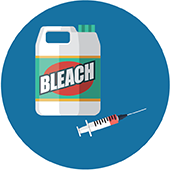
- 15Getting a Mosquito BiteNo Risk
Mosquitos feed on blood using their proboscis. Although this does pierce the skin, they only inject saliva into humans. Their proboscis has a separate tube that allows it to suck up blood. Infected blood will never enter another human in this way.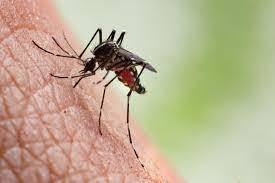
Información
- Descripción
- Flashcards for psychoeducational group learning on the risk factors that contribute to the spread of HCV (Hepatitis C).
- Creado por
- Grant Patch
- Visitas
- 27
- Etiquetas
- Valoración