
Fichas
Cells 214101
Fichas del conjunto (32)
- 1Plasma MembraneBoundary of intracellular and extracellular fluid.. Controls what goes in & out. Lipid bilayer. Think city wall/gate
- 2CytoplasmSpace between the Plasma membrane and the Nucleus. Organelles and Cytosol found here
- 3Cytosol/Intracellular FluidThe liquid inside the cytoplasm inside the cell, in between organelles
- 4MitochondriaOrganelle-where the cell's energy is produced (ATP). Have own DNA can self replicate. Think powerhouse
- 5RibosomesOrganelle-Sites of protein synthesis. Think protein factory site
- 6Smooth ER (Endoplasmic Reticulum)Organelle-Lipid metabolism. No Ribosomes. Liver detox, calcium storage in muscle. Think factory
- 7Rough ER (Endoplasmic Reticulum)Organelle-Protein manufacture. Studded with Ribosomes. Think Factory
- 8Golgi ComplexOrganelle- Receives packages (protein) from rough ER, sorts packages and labels then moves on to transport/transfer vesicles. Think Post shop
- 9LysosomesOrganelles, ensure rules are followed. Think Police.
Responsible for breakdown cells/foreign materials via digestive enzymes. Think garbage/recycle truck - 10VesiclesContainers, used for transportation, storage and digesting. Think courier
- 11NucleusMost important Organelle. Control centre of cell. governs what cell does. Contains all information and instructions including DNA. Think council
- 12CytoskeletonCell skeleton made of protein fibres responsible for movement, strength, structural support. Think infrastructure
- 13MicrovilliCellular extension, fingerlike, increase surface area for absorption eg small intestine
- 14CiliaCellular extension, fine like hair, involved in sweeping debris along cell surface eg sweep mucus off lungs
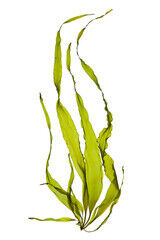
- 15FlagellaCellular Extension, like cilia but ,longer, move the whole cell eg sperm cell
- 16OrganellesSpecialised structures found in cytoplasm (mini organ), have specific role to function
- 17GlycocalyxThink sugary coat outside cell. Collective of all carb chains. For cell ID/name badge

- 18Passive transport vs Active transport mechanismsPassive-Substances move by own kinetic energy down electrical or concentration gradient until equal. No ATP required
Active-requires ATP, moving 'uphill' against gradient - 19Simple Diffusion vs Facilitated DiffusionSimple=move freely across PM eg oxygen, carbon dioxide
Facilitated='helped' need protein carrier or channel . eg sugar or potassium - 20Carrier-Mediated DiffusionFacilitated diffusion type, protein carrier, highly specific. changes shape to allow through eg sugar think turnstyle
- 21Chanel-Mediated DiffusionFacilitated diffusion type, through protein channel, doesn't change shape eg potassium think doorway
- 22OsmosisMovement of water molecules across the PM. No atp, passive. Via aquaporins protein chanel. Water level changes it moves to where there is less and so does solute concentration.
- 23Active TransportATP required. against gradient 'uphill' Solute pump eg Sodium/Potassium pump. moves solutes 'uphill'. Sodium from outside, in and Potassium from inside, out.
- 24ExocytosisExo=exit cytosis=cell Vesicular transport. Active transport ATP required. Cell attaches to PM and releases contents
- 25EndocytosisEndo=within cytosis=cell Vesicular transport. Active, ATP required. Cell swallows or engulfs and digests
- 26Phagocytosisan example of endocytosis where cell engulfs and breaks down bacteria. white blood cells engulf bacteria via phagocytes
- 27NucleolusLike a ball, in the centre of nucleus, ribosome factory
- 28PhospholipidMolecules that form the cell membrane. Hydrophilic head containing phosphate.
Hydrophobic tails contain fatty acids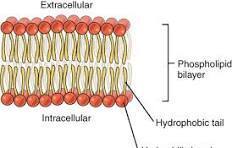
- 29Protein function of cell membraneTransportation- help substances move across PM
- 30Cholesterol function of cell membranehelps stabilise the PM
- 31Carbohydrate function of the cell membraneCell ID, binding holding things together
- 32Active transport vs transport in vesiclesActive transport uses proteins to move small molecules
Transport vesicles use sac for large or bulk movement
Información
- Descripción
- human bioscience Fichas sobre Cells 214101, creado por Kerstin Schmidt el 19/02/2026.
- Creado por
- Kerstin Schmidt
- Visitas
- 0
- Valoración