
12743981
Descripción

Mapa Mental por Muhammad Saeed, actualizado hace más de 1 año

|
Creado por Muhammad Saeed
hace casi 8 años
|
|
Chapter 2: Atomic structure &
Interatomic bonding
- Bonding
- Primary
bonding
- Metallic
Bonds
- sharing of variable
number of electrons
by a variable number
of atoms.
- force of attraction
between the positive
metal ion and "sea of
electron"formed
between atoms of
metal.
- solid in state
except mercury
- Insoluble in all
solvonts
- High boiling and
melting point as a
result of giant
mettallic structure
- malleable and ductile
- conducts electricity in
the solid and molten
state
- solid in state
except mercury
- sharing of variable
number of electrons
by a variable number
of atoms.
- Covalent
bond
- what does
covalent
means?
- if forms because
the electrostatic all
raction between
the nuclei of the
atom and shared
electrons
- non-metals react
with non- metals
and there share
electrons
- if forms because
the electrostatic all
raction between
the nuclei of the
atom and shared
electrons
- there con't
conduct
electricity
- there is no
charges
because
electrons are
shared not
transferred
- there is no
charges
because
electrons are
shared not
transferred
- the number of
bond determine the
number of
electrons
- what does
covalent
means?
- Ionic
Bonds
- occurs between metal
atoms and nonmetal
atoms
- bond formed when an electron is
transferred from one atom to another,
resulting in +ve and –ve ions.
- occurs between metal
atoms and nonmetal
atoms
- Metallic
Bonds
- secondary
bonding
- Properties
- found in most of materials,
but overshadowed by the
strength of primary bonding.
- weak in nature
- found in most of materials,
but overshadowed by the
strength of primary bonding.
- van der waals
- caused by the attractions between electron-rich
region of one molecules and electron-poor
region of another.
- caused by the attractions between electron-rich
region of one molecules and electron-poor
region of another.
- Hydrogen
bonding
- exist between some molecules that have
hydrogen as one of the constituents
- exist between some molecules that have
hydrogen as one of the constituents
- Properties
- Primary
bonding
- Electron
Configuration
- Shell (short
electron
configuration)
- Subshell (full
electron
configuration)
- they are divided into 4 :
- Subshell:s
Electrons:2
- Subshell:p
Electrons:6
- Subshell:d
Electrons:10
- Subshell:f
Electrons:14
- Subshell:s
Electrons:2
- number of subshell in
shells
- first shell
- 1s
- 1s
- second shell
- 2s,2p
- 2s,2p
- third
shell
- 3s,3p,3d
- 3s,3p,3d
- fourth shell
- 4s,4p,4d,4f
- 4s,4p,4d,4f
- first shell
- they are divided into 4 :
- Shell (short
electron
configuration)
- Valence
Electrons
- electrons involved
in bonding
- bonding great
significance in
determining the
properties of atom
- the same valance
electrons have the
same properties
- same valance
electron will be in
same group
- electrons in
the outer
shell
- electrons involved
in bonding
- atomic number
and atomic mass
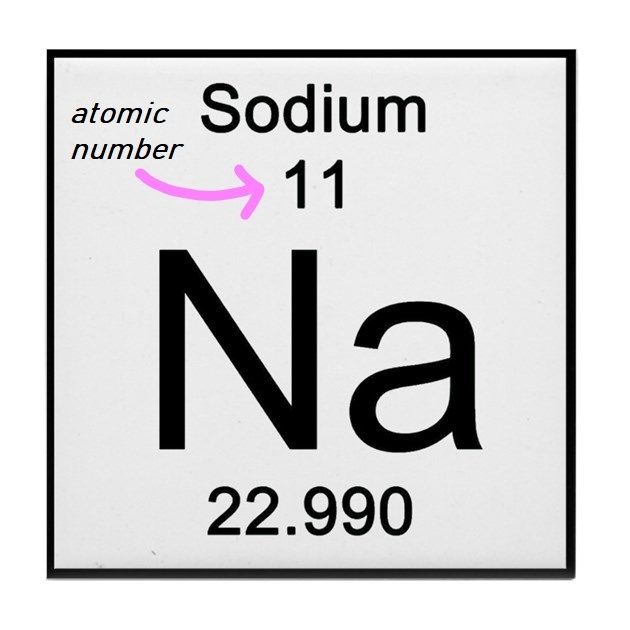
- Atomic
number
- number of electrons and
number of protons
- number of electrons and
number of protons
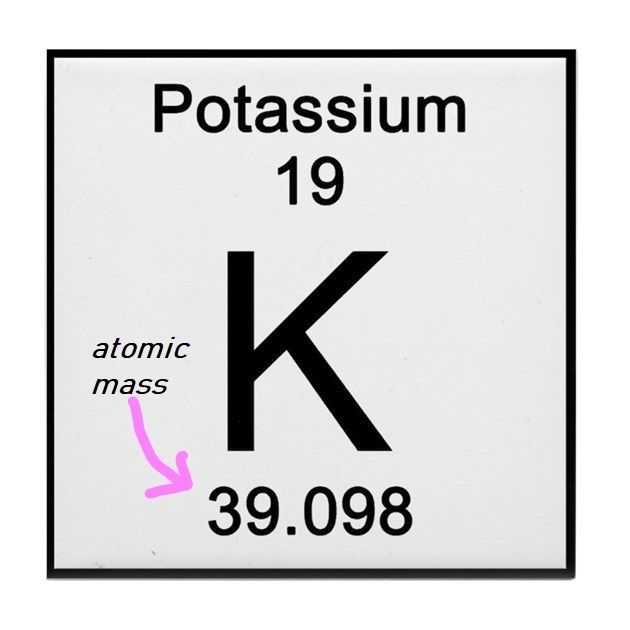
- atomic
mass
- the mas of an atom
is in atomic mass
unit
- the mas of an atom
is in atomic mass
unit
- Atomic
number
Recursos multimedia adjuntos
¿Quieres crear tus propios Mapas Mentales gratis con GoConqr? Más información.