
Mapa mental
Capitulo 5
Contenido del mapa
Capitulo 5
Ethernet
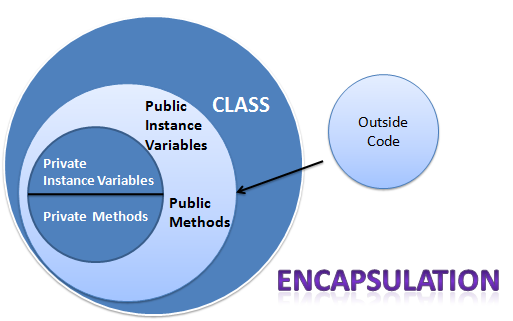
- Encapsulation
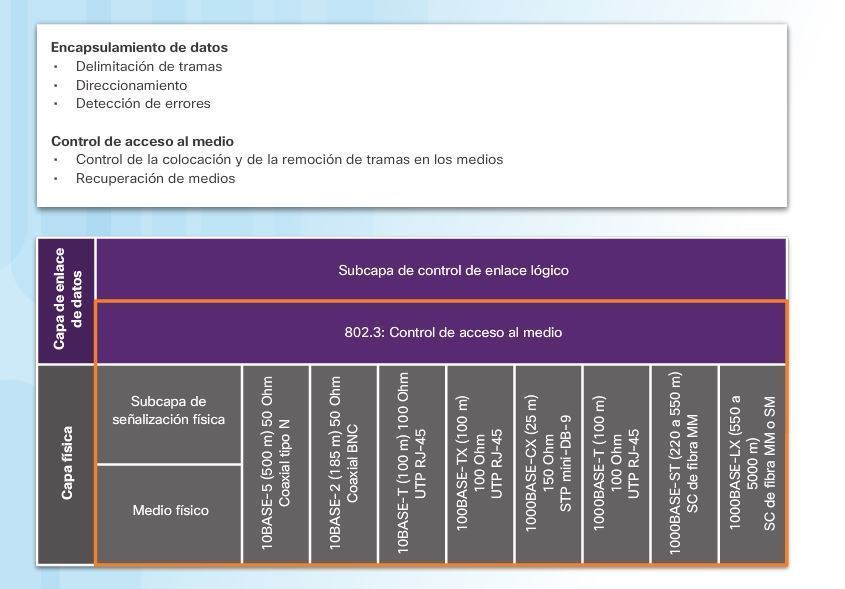
- Sublayer LLC
- MAC sublayer
- Data encapsulation
- The minimum frame size of Ethernet is 64 bytes, and the maximum It is 1518 bytes. This includes all the bytes of the “MAC Address of destination ”to the“ Sequence of frame check (FCS) ”inclusive. The “Preamble” field is not included when Describe the size of a plot.
- Encapsulation
Switches LAN
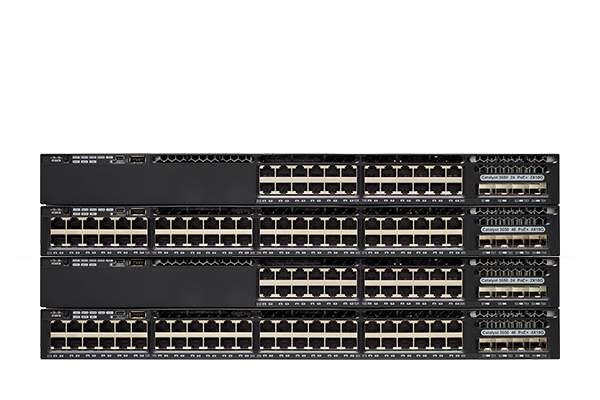
- A layer 2 Ethernet switch use MAC addresses to Make forwarding decisions. You completely don't know what protocol is transmitted in the portion of plot data, as an IPv4 package
- Obtaining MAC Addresses
- Frame Filtering
- Frame Forwarding Methods of Cisco Switches
- torage and shipping switching
- Switching by cutting method
- Fragment-free switching
- Fast forwarding switching
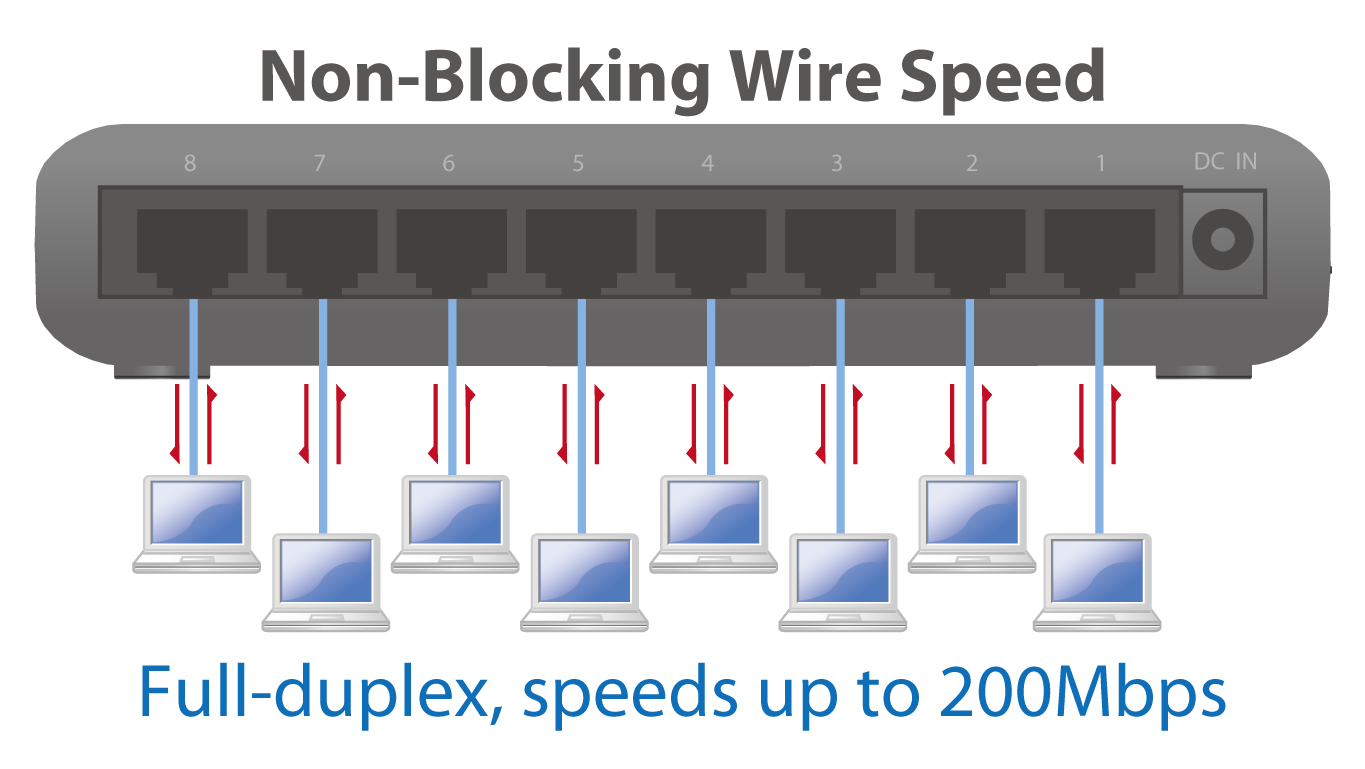
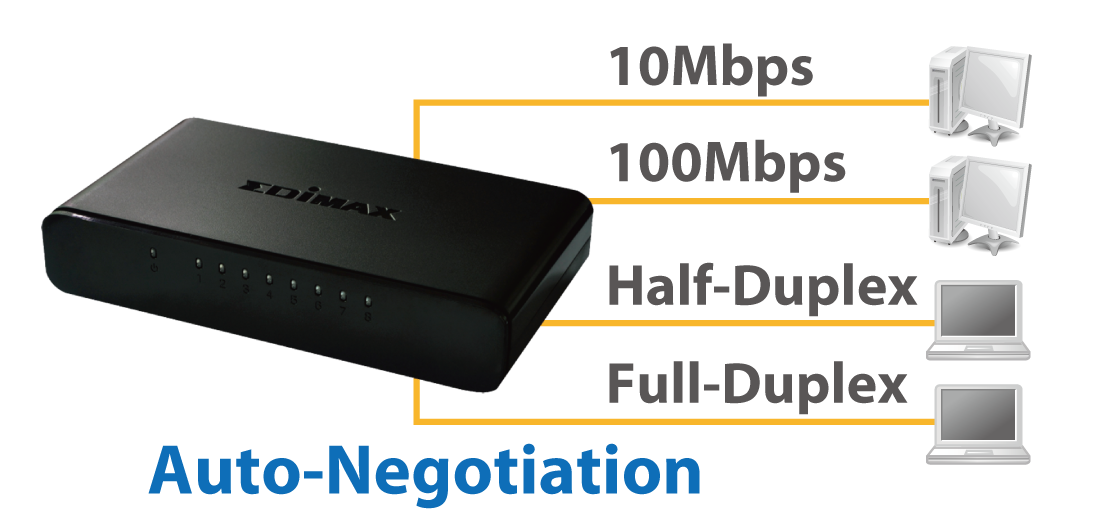
- Duplex and speed settings
- Two of the most basic parameters of a switch are the bandwidth and duplex parameters for each single switch port It is essential that Duplex and bandwidth parameters match between the switch port and the connected devices, Like a computer or other switch.
Address Resolution Protocols
- Destination on the same network
- Physical address (address MAC): used to NIC communications Ethernet to NIC Ethernet in the same network.
- Logical address (IP address): se use to send the package of initial origin to the final destination.
- Destination remote network
- ARP
- Remember that each device that has an IP address in a network Ethernet also has a Ethernet MAC address. When a device sends a frame of Ethernet, it contains these two addresses:
- Source MAC Address
- Destination MAC address
- ARP impersonation
- All devices on the local network receive and process a ARP request because it is a broadcast frame. In a network typical commercial, these broadcasts would probably have a minimal effect on network performance. However, if turn on a lot of devices that started to access network services at the same time, performance could decrease for a short period, as shown in the illustration. After the devices send the broadcasts Initial ARP and get the necessary MAC addresses, it Minimizes any effect on the network.
- ARP impersonation
- In some cases, the use of ARP can cause a risk potential security known as "impersonation of ARP ”or“ ARP poisoning ”. This is a technique used. by an attacker to respond to an ARP request from an IPv4 address that belongs to another device, such as the default gateway, as shown in the illustration. The attacker sends an ARP response with his own MAC address. The ARP response receptor add the wrong MAC address to the ARP table and send these packages to the attacker.
- Destination on the same network
Imágenes y archivos del mapa

Información
- Descripción
- Mapa Mental sobre Capitulo 5, creado por DAVID LEANDRO BARRERA PUENTES el 14/09/2019.
- Creado por
- DAVID LEANDRO BARRERA PUENTES
- Visitas
- 1
- Valoración