
Mapa mental
Computational Thinking Strands
Contenido del mapa
Computational Thinking Strands
Thinking Abstractly
- Removing all the excess details so that you are only left with the key necessities, working out what is important
- In progrming it is simplifying a problem to understand how to better solve it
- +This gives you a core or clear and achievable end goal for your program
- +It makes problems feel more manageable because you have less information to process
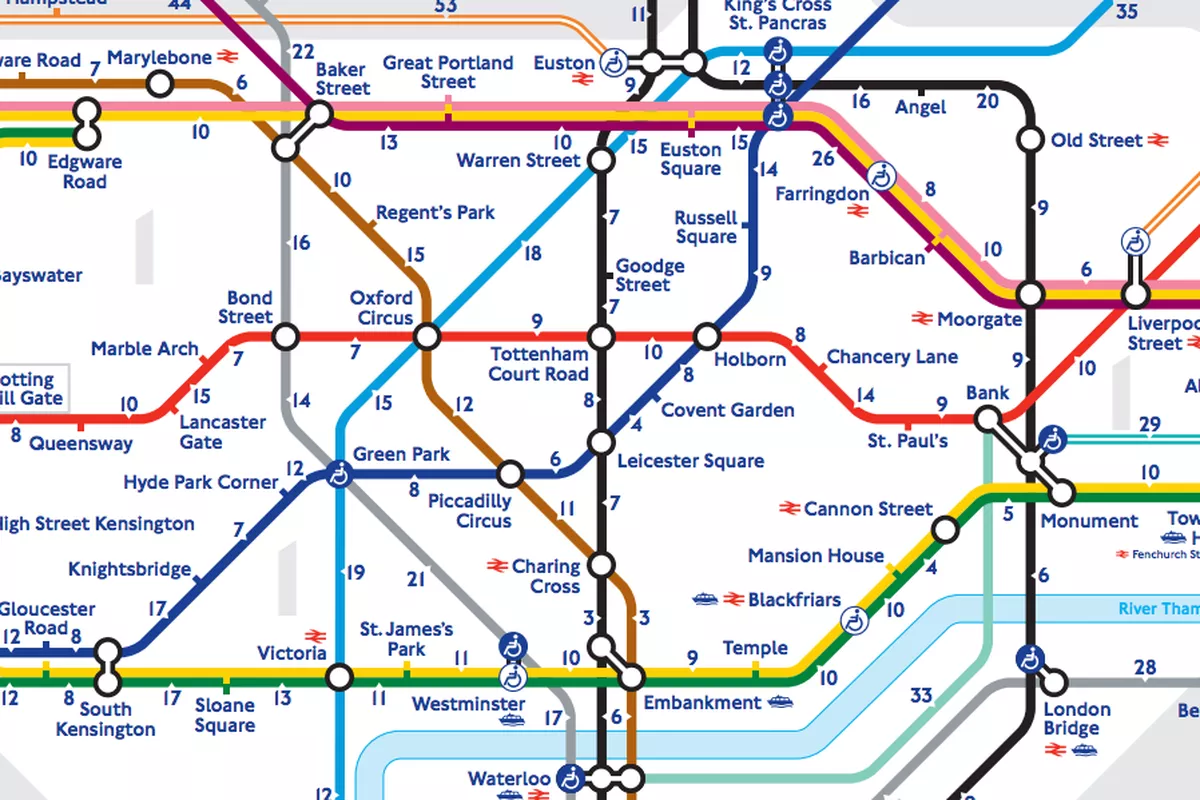
- A tube map is an abstraction of the London underground
- ---->
- - You could loose too much detail, allowing yourself to loose the end goal of the task
Thinking Ahead
- Working out what is required before starting a task
- This is also called Caching
- In programming this is working out what a program will need (eg inputs, functions, a specific database)
- +This creates a clearer image of what needs to be done to complete the program
- +as well as decreasing the time it will take to program
- +This creates a clearer image of what needs to be done to complete the program
- -The problem is that you can not move past this stage until all data has been collected
- An example could be working out how much paint is needed before painting a wall
- <-----
- Working out what is required before starting a task
Thinking Procedurally
- Breaking a problem down
- Working out sub-problems and making an order of events
- In programming this could be separating the code into separate functions and procedures
- An example could be making a cooking recipe and mixing dry ingredients and wet ingredients separatley
- ----->
- -This may not work as well with object oriented programming
- Breaking a problem down
Thinking Logically
- Looking at the problem more in depth
- In programming it is identifying decision points or working out steps after certain decision choices
- +This allows for a better understanding of the complexity of the program or solution being created
- This help to start looking closer at the plan, working out what exactly must go into each sub-section
- An example could be making a flowchart or writing pseudo code to map out a program
- <-----
Thinking Concurrently
- Things happening at the same time
- Working out what can be done by multitasking
- In programming this could be getting two programmers to work on sepoerate functions of the same code
- +This speed up the task
- -It could get confusing
- -The problem may not be one that can be done with multitasking
- An example of this could be boiling water and getting milk for tea at the same time
- <----
- Things happening at the same time
Imágenes y archivos del mapa


Información
- Descripción
- GCSE Computing Mapa Mental sobre Computational Thinking Strands, creado por Isabella Harrod el 30/04/2020.
- Creado por
- Isabella Harrod
- Visitas
- 0
- Valoración