
Mapa mental
Modal verbs

Contenido del mapa
Modal verbs
Modal verbs are auxiliary verbs that cannot function as the main verb. these give more meaning to other verbs.
- These are very specific verbs since they follow very strict rules and are also used in certain conditions.
Rules for modals verbs:
- 1) Infinitives are placed after each modal verb but without "TO"
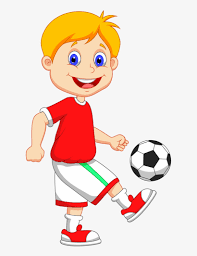
- I can play Football.
- 2) Modal verbs do not accept S in the third person singular
- She can take the children with her to his house
- 3) Modal Verbs do not change their form according to verb tense. That is, they have no form in the past or in the future.
- 4) We use Manners in negative sentences in the same way that we do with other auxiliary verbs, without the word DO, that is, the way to use them: ? + Modal verb + Not + infinitive verb.
- He oughtn´t smoke in public.
- Some verbs have contractions in their negative form, these are used informally. for example:
- Must= must not = mustn't Might= Might not= mightn't May = May not, there is no contraction here. Can = can not = can't. Could=could not=couldn't Will= Will not = Won't. Would= Would not= Wouldn't. Shall=shall not=Shan't. Should=Should not= Shouldn't.
- 5) With interrogative phrases, the modal verbs are used the same as other auxiliary verbs: Modal Verb + Subject + Verb + complement
- Can they help you with your work?
- 4) We use Manners in negative sentences in the same way that we do with other auxiliary verbs, without the word DO, that is, the way to use them: ? + Modal verb + Not + infinitive verb.
- 1) Infinitives are placed after each modal verb but without "TO"
Possibility
- "Might" can be used to express possibility. It is used for the low possibility
- I might go to the beach tomorrow
- "May" can also be used to talk about possibility, this is used for a high possibility
- She may be right
- "Must" can be used to express probability or to perform, logical assumptions.
- You must call her tomorrow.
- Can is used to suggest a possibility or give an option.
- I can have a party
- "could" is also used to express possibility and impossibility like the previous ones
- She could be here
- "Might" can be used to express possibility. It is used for the low possibility
Permission
- "May" to ask for permission. Using when requesting permission can be considered quite formal.
- May I smoke here?
- "Can" can also be used to ask for permission, this can be a little more informal.
- Can I open the window?
- "Could" can also be used for permission
- He said he could get that ticket for me.
- "May" to ask for permission. Using when requesting permission can be considered quite formal.
Need
- Must is also used to express need
- Must she stay awake?
- Must is also used to express need
Prohibition
- Mustn't we use it to indicate that something should not be done because it is prohibited
- You mustn’t make noise. The children are sleeping
- Mustn't we use it to indicate that something should not be done because it is prohibited
Promise and provision
- Will can be used to make promises or to show disposition. Similarly, it can be used to ask courteously.
- Will you help me with this?
- Shall can be used to make promises, the same is used for confirmation.
- You shall be the first person to know.
- Will can be used to make promises or to show disposition. Similarly, it can be used to ask courteously.
Invitation
- "Would is used to make invitations or express wishes or tastes.
- I would like a cup of coffee?
- "Would is used to make invitations or express wishes or tastes.
Ability
- "Can" is used to express ability.
- I can speak Russian and Japanese
- Could is used for a past skills
- I could do trigonometry five years ago.
- "Can" is used to express ability.
recommendation and advice
- Should be used to recommend, used to express what is right to do, also expresses an uncertainty
- You should try this new bar.
- Should be used to recommend, used to express what is right to do, also expresses an uncertainty
Obligation
- 'Have to' is used to express any obligation, although it is weaker than must
- He has to work everyday.
- Must is an auxiliary verb that is used accompanied by an infinitive verb to express obligation
- You must respect older people
- 'Have to' is used to express any obligation, although it is weaker than must
Imágenes y archivos del mapa











Información
- Descripción
- Mapa Mental sobre Modal verbs, creado por saul gonzalez L. el 25/06/2020.
- Creado por
- saul gonzalez L.
- Visitas
- 0
- Valoración