
Mapa mental
SEMICONDUCTOR
Contenido del mapa
SEMICONDUCTOR
INTRINSIC SEMICONDUCTOR
- An intrinsic semiconductor, also called an un doped semiconductor or i-type semiconductor, is a pure semiconductor without any significant dopant species present.
- Pure form of semiconductors.
- An intrinsic semiconductor, also called an un doped semiconductor or i-type semiconductor, is a pure semiconductor without any significant dopant species present.
EXTRINSIC SEMICONDUCTOR
- An extrinsic semiconductor is one that has been doped, that is, into which a doping agent has been introduced, giving it different electrical properties than the intrinsic (pure) semiconductor.
- Impurities are added to improve conductivity.
- An extrinsic semiconductor is one that has been doped, that is, into which a doping agent has been introduced, giving it different electrical properties than the intrinsic (pure) semiconductor.
ATOMIC STRUCTURE
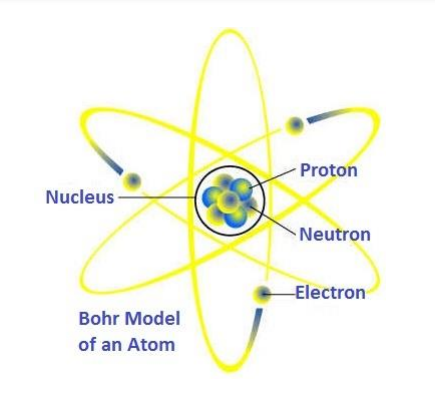
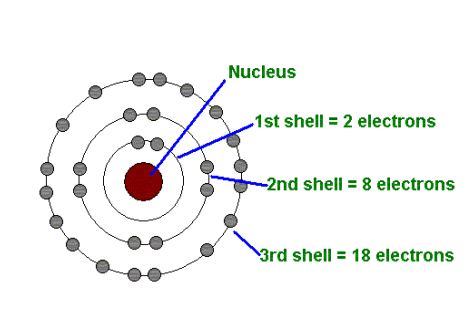
- BOHR'S ATOMIC THEORY
- * According to Bohr's, atoms have a planetary structure that consists of a central nucleus, surrounded by orbiting electrons. * Nucleus contains protons and neutrons. * Electrons orbit the nucleus.
- * The orbit paths of the electrons surrounding the nucleus are called shells. * Each shell has a defined number of electrons it will hold (2n2). * n=1,2,3,.......
- * The outer shell is called the valence shell and electrons at this layer are called valence electrons. * Maximum number of valence electron is 8. * The material is more conductive if less electron valence orbiting the outer shell
- * The orbit paths of the electrons surrounding the nucleus are called shells. * Each shell has a defined number of electrons it will hold (2n2). * n=1,2,3,.......
- * According to Bohr's, atoms have a planetary structure that consists of a central nucleus, surrounded by orbiting electrons. * Nucleus contains protons and neutrons. * Electrons orbit the nucleus.
- BOHR'S ATOMIC THEORY
MATERIAL CLASSIFICATION
- CONDUCTOR
- Low resistance which allows electrical current flow.
- Charge flows freely
- Copper, silver, gold, aluminum, nickel etc
- Charge flows freely
- Low resistance which allows electrical current flow.
- SEMICONDUCTOR
- Can allow or suppress electrical current flow.
- Conductivity lies between conductor and insulator.
- Carbon, silicon, germanium etc
- INSULATOR
- High resistance which suppresses electrical current flow.
- Almost no charge flows.
- Glass, ceramic, plastic, wood etc.
- CONDUCTOR
ENERGY BAND
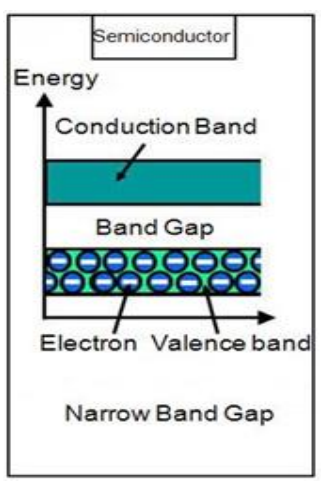
- SEMICONDUCTOR
- Enables some electrons with enough energy to jump from the valence band to the conduction band easily.
- Temperature Low - No free electron in the conduction band,
- Temperature High - Electric conductivity high.
- When potential difference is connected, the holes and electrons move in opposite directions.
- Large number of electrons being excited into the conduction band, leaving a large number of holes in valence band.
- When potential difference is connected, the holes and electrons move in opposite directions.
- Temperature High - Electric conductivity high.
- Temperature Low - No free electron in the conduction band,
- Enables some electrons with enough energy to jump from the valence band to the conduction band easily.
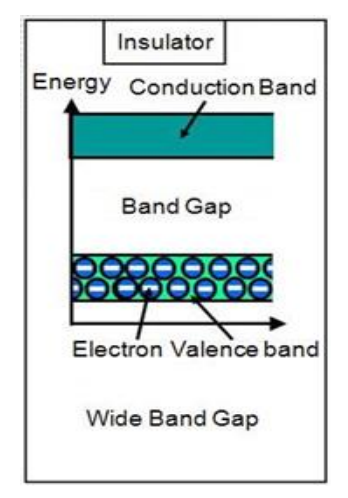
- INSULATOR
- Valence Band - Filled with electrons
- Conduction Band - Empty
- Band Gap - Empty
- Electrons are unable to gain enough energy to jump from the valence band to the conduction band
- Band Gap - Empty
- Conduction Band - Empty
- Valence Band - Filled with electrons
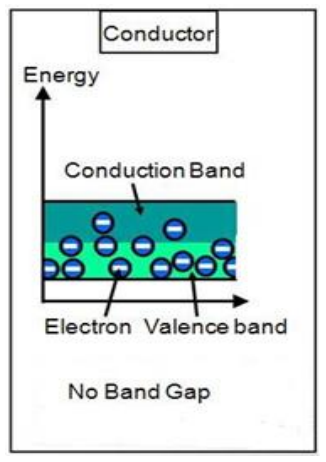
- CONDUCTOR
- Occupied by many conduction electron, causing metal to become good electric conductor.
- SEMICONDUCTOR
Imágenes y archivos del mapa
Información
- Descripción
- Mapa Mental sobre SEMICONDUCTOR, creado por Nurul Safiah el 05/07/2021.
- Creado por
- Nurul Safiah · jul 2021
- Actualizado
- 5 jul 2021
- Visitas
- 5
- Valoración