
Mapa mental
Unit 1 - Chapter 1 - Part 2
Contenido del mapa
Unit 1 - Chapter 1 - Part 2
Ionic Bonding
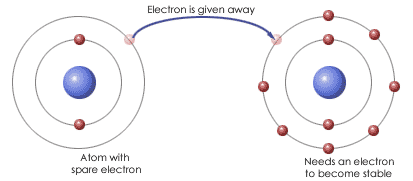
- Metal + Non-metal = Positive metal ion + Negative non-metal ion
- An electron is taken away from the metal making it positively charged and given to the non-metal making it negatively charged.
- positive and negative charged attract each other like a magnet. This is Ionic Bonding!
- Between a Metal & a Non-Metal
Covalent Bonding
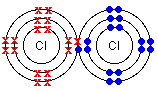
- Electrons are shared
- If two atoms have 6 electrons on the outer shell, then that would be a double covalent bond as two electrons will be shared so each tom has a full outer shell.
- Between 2 Non-metals
Metallic Bonding
- Between 2 Metals
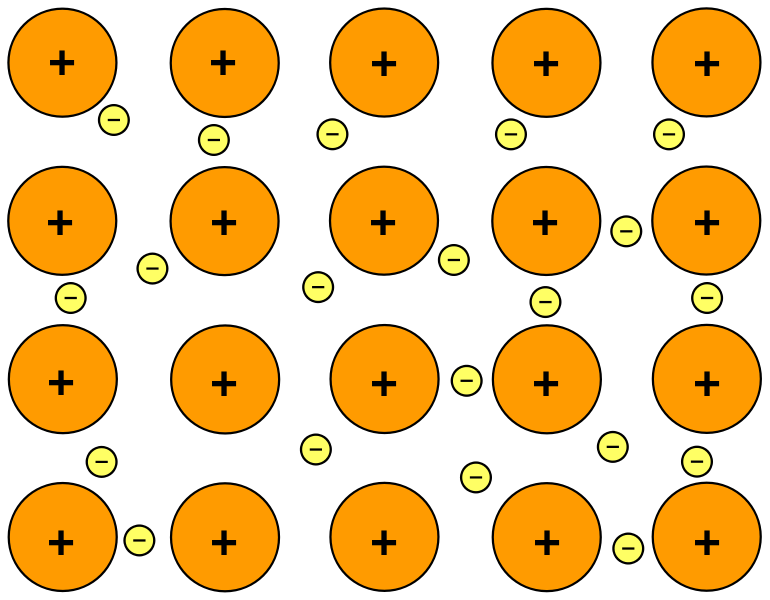
- Like Ionic Bonding but the electrons don't go to another atom, they float around and hold the positively charged metal ions together.
Chemical Equations
- Word Equations
- They are only useful if everyone who reads them speaks the same language
- They don't tell us how much of each substance is in the reaction
- They can get very complicated if lots of substances are involved
- Symbol Equations need to be balanced
- CaCO3 --> CaO + CO2 is balanced
- Reactants: 1 Ca, 1 C & 1 O3
- Products: 1Ca, 1 C & (O + O2 = O3)
- H2 + O2 = H2O isn't balanced
- If we add another H2O molecule so the O2 matches
- H2 + O2 = 2(H2O) but now we have 4 H products
- Add another H2 Molecule
- 2(H2) + O2 = 2(H2O)
- Reactants: 2 H2's & 1 O2
- Products: 2 H2's & 1 O2
- 2(H2) + O2 = 2(H2O)
- Add another H2 Molecule
- H2 + O2 = 2(H2O) but now we have 4 H products
- If we add another H2O molecule so the O2 matches
- CaCO3 --> CaO + CO2 is balanced
- Word Equations
Imágenes y archivos del mapa
Información
- Descripción
- Ionic, Metallic and Covalent Bonding, Chemical Equations
- Creado por
- brandon.fletcher · may 2014
- Actualizado
- 7 dic 2016
- Visitas
- 181
- Etiquetas
- Valoración