
Mapa mental
Ionic Bonding
Contenido del mapa
Ionic Bonding
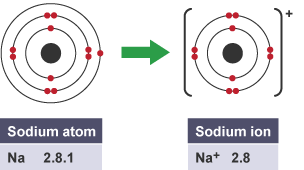
An ion is an atom or group of atoms with a positive or negative charge. Ions form when atoms lose or gain electrons to obtain a full outer shell
metal atoms lose electrons to form positively charged ions
non-metal atoms gain electrons to form negatively charged ions
Metal atoms lose electrons from their outer shell when they form ions:
the ions are positive, because they have more protons than electrons
the ions have the electronic structure of a noble gas (group 0 element), with a full outer shell
For elements in groups 1, 2 and 3, the number of electrons lost is the same as the group number.
The outer shells of non-metal atoms gain electrons when they form ions:
the ions formed are negative, because they have more electrons than protons
the ions have electronic structure of a nobal gas (group 0 element) with a full outer shell
question Iodine is in group 7. What is the charge on its ions, and is the charge positive or negative?
- answer The charge is negative, scince iodine ios a non metal. The charge on the ion is (8-7)=1.
Worked example Sulfur is in group 6 of the periodic table. What is the charge on its ions, and is the charge positive or negative? The charge is negative, since sulfur is a non-metal. The charge on the ion is (8 - 6) = 2
Imágenes y archivos del mapa
Información
- Descripción
- Mapa Mental sobre Ionic Bonding, creado por Liam Lucas el 15/03/2018.
- Creado por
- Liam Lucas
- Visitas
- 12
- Valoración