
Mapa mental
Syllabus situacional

Contenido del mapa
Syllabus situacional
Methodology
- "The teacher uses images of everyday situations, with the which expands the vocabulary, asking and correcting the pronunciation of a situation "(García Leyton, 2015, p. 12).
- Image taken from Fabiola (2012, p. 10).
- "The teacher makes a list of communication situations and another with themes, grammatical forms and vocabulary" (Beltrán, 2015, p. 9).
- Image taken from Fabiola, (2012, p. 2).
- "The teacher classifies the themes, forms and structures adjusting them with each situation" (Beltrán, 2015, p. 9).
- Image taken from Aguilar, Pérez, Hernández, & Pérez (2018, p. 2).
- "Total physical response" (Dulcey Durán & Quintero Escobar, 2015, p. 9).
- Video taken from La Teacher María (2018).
- "Communication" (Dulcey Durán & Quintero Escobar, 2015, p. 9).
- Image taken from Castañeda (2015, p. 11).
- "Audiolingual method" (Dulcey Durán & Quintero Escobar, 2015, p. 9).
- Video taken from Oupinternational (2009).
- "The teacher uses images of everyday situations, with the which expands the vocabulary, asking and correcting the pronunciation of a situation "(García Leyton, 2015, p. 12).
Examples
- "The situational syllabus prepares the student to face real situations according to their context" (Aguilar, Pérez, Hernández, & Pérez, 2018, p. 10).
- Image taken from Callejas Gaona (2015, p. 11).
- "In this example we can see how the student with his knowledge of English can talk fluently with their tourists" (Aguilar, Pérez, Hernández, & Pérez, 2018, p. 10).
- Image taken from Aguilar, Pérez, Hernández, & Pérez (2018, p. 10).
- "This is possible due to the fact that these types of conversations have already been previously learned and rehearsed" (Aguilar, Pérez, Hernández, & Pérez, 2018, p. 10).
- Image taken from Castañeda (2015, p. 11).
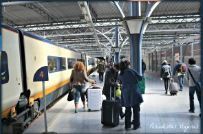
- "Dialogue at a train station" (Ayala, 2015, p. 13).
- Image taken from Ayala (2015, p. 13).
- "Means of transportation" (Dulcey Durán & Quintero Escobar, 2015, p. 8).
- Image taken from Dulcey Durán & Quintero Escobar (2015, p. 8).
- "Dialogue in an airport cafeteria" (García Leyton, 2015, p. 11).
- Image taken from García Leyton (2015, p. 11).
- "The situational syllabus prepares the student to face real situations according to their context" (Aguilar, Pérez, Hernández, & Pérez, 2018, p. 10).
Strategies
- "Expand vocabulary of the situation through images" (Ayala, 2015, p. 15).
- Image taken from Castañeda (2015, p. 12).
- "Correct pronunciation of new words" (Ayala, 2015, p. 15).
- Video taken from English with Teacher Bocarando (2019).
- "Individual work in collage" (Ayala, 2015, p. 15).
- Image taken from Ruiz (2019).
- "Group work to carry out dialogues" (Ayala, 2015, p. 15).
- Image taken from Castañeda (2015, p. 9).
- "Relevant students, from the context, must find meanings" (Corredor & Flórez, 2017).
- Image taken from Castañeda (2015, p. 13).
- "Dynamics and games, elaboration of diagrams with different materials, explanations" (Dulcey Durán & Quintero Escobar, 2015, p. 10).
- Image taken from Dulcey Durán & Quintero Escobar (2015, p. 10).
- "Use images with which to expand vocabulary" (García Leyton, 2015, p. 13).
- Images taken from Castañeda (2015, p. 13).
- "Working group dialogues" (García Leyton, 2015, p. 13).
- Image taken from Castañeda (2015, p. 9).
- "Improve the pronunciation of words with practice" (García Leyton, 2015, p. 13).
- Image taken from Gómez Balaguera (2015, p. 8).
- "Expand vocabulary of the situation through images" (Ayala, 2015, p. 15).
Means
- "Humans, the context, stationery and images" (Dulcey Durán & Quintero Escobar, 2015, p. 13).
- Image taken from Dulcey Durán & Quintero Escobar (2015, p. 13).
- "Books" (Fabiola, 2012, p. 9).
- Image taken from Fabiola (2012, p. 9).
- "Images" (Fabiola, 2012, p. 9).
- Image taken from Fabiola (2012, p. 9).
- "Humans, the context, stationery and images" (Dulcey Durán & Quintero Escobar, 2015, p. 13).
Activities
- "The form of new words and structures is shown through examples and not through descriptions or grammatical explanations" (Fabiola, 2012, p. 6).
- Image taken from Fabiola (2012, p. 3).
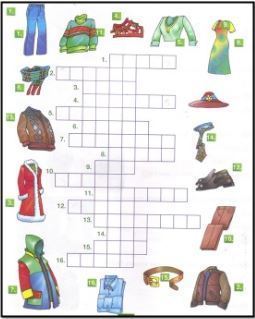
- "The meaning is visually clarified (objects, drawings, actions, mime)" (Fabiola, 2012, p. 6).
- Images taken from Fabiola (2012, pp. 5-6).
- "See videos showing images with which to learn more vocabulary" (García Leyton, 2015, p. 14).
- Image taken from Fabiola (2012, p. 4).
- "Make groups in which dialogues like this work: http://blogpara-aprenderingles.blogspot.com/2012/09/dialogos-ingles-cafeteria-avenida.html" (García Leyton, 2015, p. 14).
- "Observe the video clip of the train station" (Ayala, 2015, p. 16).
- Video taken from Iruela (2012).
- "Make a group collage with images referring to the subject" (Ayala, 2015, p. 16).
- Image taken from Reyes Martínez (2015, p. 7).
- "In a group, the organization of a dialogue with its respective pronunciation" (Ayala, 2015, p. 16).
- Image taken from Castañeda (2015, p. 10).
- "Chips, songs, word searches, role plays" (Dulcey Durán & Quintero Escobar, 2015, p. 11).
- Image taken from Dulcey Durán & Quintero Escobar (2015, p. 11).
- "Songs, role play" (Hernández, 2017, p. 9).
- Image taken from Hernández (2017, p. 9).
- Image taken from Hernández (2017, p. 9).
- Image taken from Hernández (2017, p. 9).
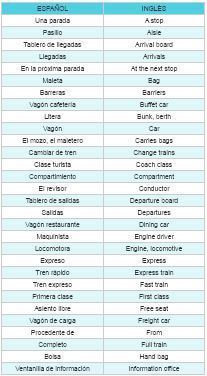
- "Train vocabulary with pictures: https://vocabulariodeingles.blogspot.com/2011/07/el-tren-train.html" (Ayala, 2015, p. 16).
- Image taken from Millon (2011).
- Video taken from English Vocabulary (2020).
- "The form of new words and structures is shown through examples and not through descriptions or grammatical explanations" (Fabiola, 2012, p. 6).
Student role
- "In the initial stages the student only listens and repeats, answering questions and orders that you receive" (Aguilar, Pérez, Hernández, & Pérez, 2018, p. 7).
- Image taken from Castañeda (2015, p. 12).
- "The student has no control over the learning content" (Aguilar, Pérez, Hernández, & Pérez, 2018, p. 7).
- Image taken from Aguilar, Pérez, Hernández, & Pérez (2018, p. 7).
- "Later, more active participation is encouraged" (Aguilar, Pérez, Hernández, & Pérez, 2018, p. 7).
- Image taken from Fabiola (2012, p. 7).
- "Students can take the initiative in the answers and ask each other" (Aguilar, Pérez, Hernández, & Pérez, 2018, p. 7).
- Image taken from Polo (2020).
- "In the initial stages the student only listens and repeats, answering questions and orders that you receive" (Aguilar, Pérez, Hernández, & Pérez, 2018, p. 7).
Role of the teacher
- As Aguilar, Pérez, Hernández, & Pérez (2018) express it: The teacher has three main functions:
- 1. "Presentation of the lesson: It serves as a model, posing situations in which the need for object structure and proposing models for students to repeat" (p. 8).
- Image taken from Castañeda (2015, p. 14).
- 2. "Practical phase of the lesson: The opportunity is given for students to use the language in situations less controlled" (p. 8).
- Image taken from Fabiola (2012, p. 8).
- 3. "Organize the reviews: Activity time, oral practice, review, adjustment to needs of each student, the development of other activities and evaluation" (p. 8).
- Image taken from Castañeda (2015, p. 14).
- 1. "Presentation of the lesson: It serves as a model, posing situations in which the need for object structure and proposing models for students to repeat" (p. 8).
- As Aguilar, Pérez, Hernández, & Pérez (2018) express it: The teacher has three main functions:
Imágenes y archivos del mapa











- En la estación de tren. Nivel A2 (Enclavar)
- Los Trenes en inglés. #Vocabulariodeingles (Enclavar)


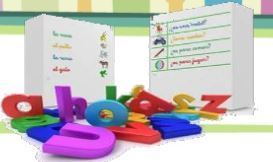











- clases de inglés para preescolar divertidas! (Enclavar)
- Jolly Phonics en Kids 3 (Enclavar)
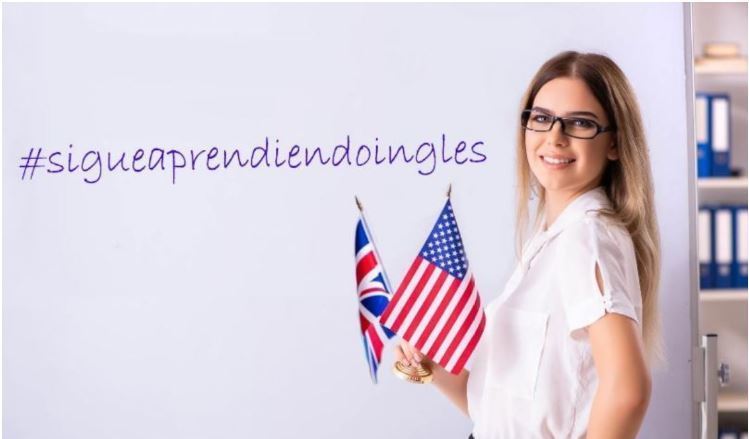
- TIPS PARA PRONUNCIAR CORRECTAMENTE MILES DE PALABRAS EN INGLÉS. (Enclavar)

Información
- Descripción
- Aspectos característicos de un programa situacional de la lengua extranjera.
- Creado por
- Jhon Jairo Patiño Acevedo · jun 2020
- Actualizado
- 22 jun 2020
- Visitas
- 97
- Etiquetas
- Valoración