
Mapa mental
1.1.1 The Operation of the Coast as a System
Contenido del mapa
1.1.1 The Operation of the Coast as a System
Sediment cells
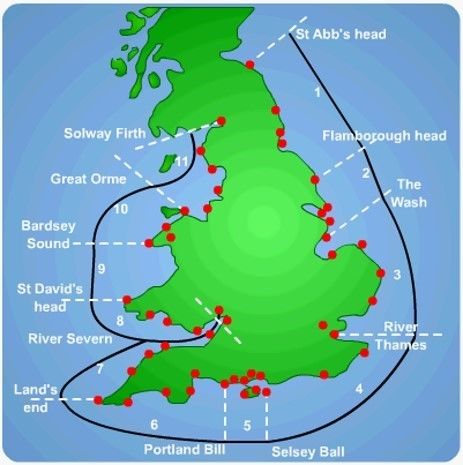
- 11 largely self contained cells around England and Wales
- Coastal system as a whole can be identified within this area
- Usually confined by morphology of the coast e.g. between two headlands
- Sediment brought from terrestrial (land) sources via watershed run-off and hillside erosion
- Material can be lost from the cell via a submarine canyon
- Cells are connected therefore if one cell is disrupted, neighbouring cells can be affected
- Aka Littoral cells
The Process Response Method
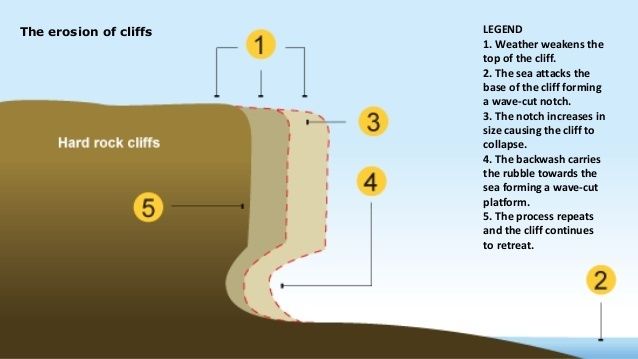
- The morphology of the coastal landforms are the result of the processes operating at the coast
- Morphology = shape of coastline
- e.g. Cliff retreat - the main process is erosion from destructive waves --> erosion of cliff base --> collapse --> changed the shape of the coastline
- The morphology of the coastal landforms are the result of the processes operating at the coast
System feedback
- Positive feedback
- Amplifies the initial input
- e.g. storm erodes at a beach and cause MORE erosion to occur at the back
- Amplifies the initial input
- Negative feedback
- Mitigates the initial input
- e.g. Eroded material can be moved offshore, reducing the energy of oncoming waves --> deposition --> LESS erosion occurs
- Mitigates the initial input
- Positive feedback
Dynamic equilibrium
- A state of balance within an ever changing system
There are two coastal subsystems
- Beach
- Aeolian transportation
- Waves bringing in material
- LSD moving sediment
- Sediment budget
- Cliff
- Subaerial weathering
- Chemical e.g. solution
- Physical e.g. freeze-thaw
- Biological e.g. plant roots exposing weaknesses in rock
- Mass movement e.g. rockfall, slumping, rock toppling
- Subaerial weathering
- Beach
The coastal system is a Dynamic Open system
- Dynamic = constantly changing
- Open system = material and energy can enter and leave
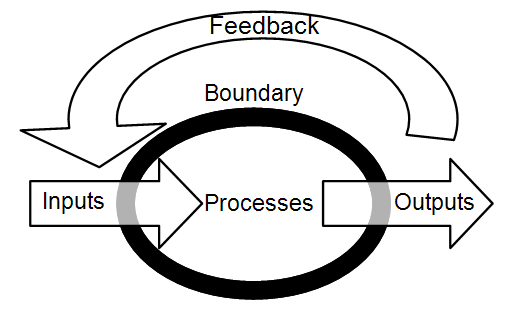
System is made up of components
- Inputs
- LSD in
- Tides, waves and wind bringing in energy and sediment
- Constructive waves
- Transfers
- Saltation
- LSD moving material
- Stores
- Beaches
- Outputs
- Dredging
- Destructive waves
- Inputs
Exam Question
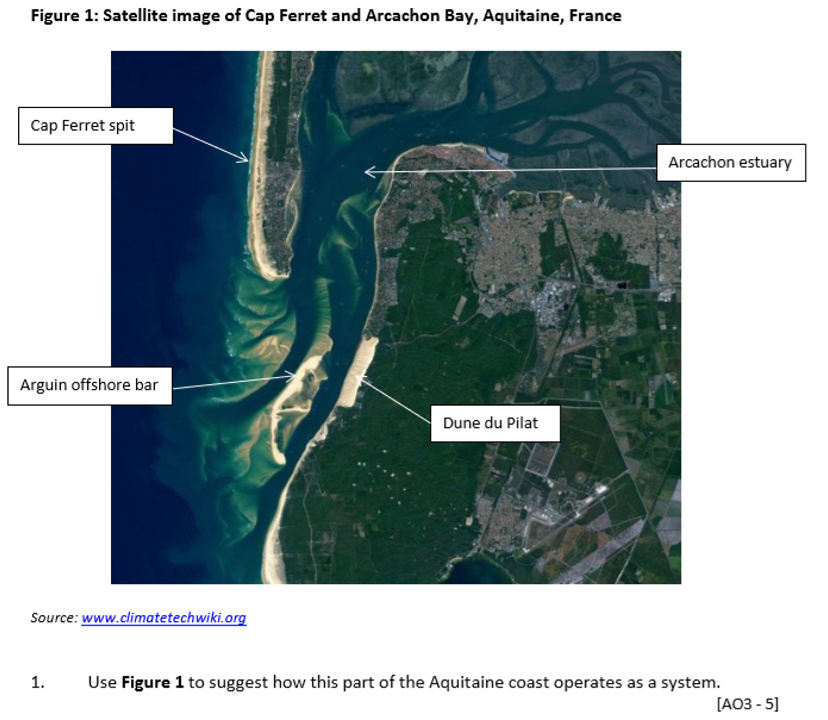
- A system is a collection of interrelated components that together form a working unit with inputs, outputs, transfers, and stores. Figure 1 shows a sub-sediment cell. Firstly, sediment is inputted from Arcachon estuary and sediment is also brought to the beach from offshore currents powered by prevailing winds. Figure 1 also shows the presence of Cap Ferret spit implying that there has been strong longshore drift which transfers sediment to Arguin offshore bar where it is deposited and held as a store. Beach sediment blown inland by the wind to form Dune du Pilat where sediment is outputted resulting in dynamic equilibrium.
Imágenes y archivos del mapa

Información
- Descripción
- A level (Coasts) Geography Mapa Mental sobre 1.1.1 The Operation of the Coast as a System, creado por Mo A el 07/10/2020.
- Creado por
- Mo A
- Visitas
- 35
- Etiquetas
- Valoración