
Mapa mental
The Lymphatic System
Contenido del mapa
The Lymphatic System
second circulatory system
Consists of a colourless fluid called lymph
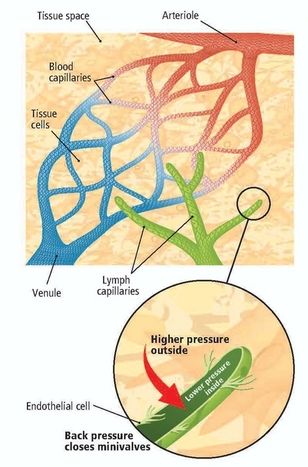
- Lymph is a clear liquid that is collected from around cells and is transported by the lymphatic system back to the bloodstream
The excess fluid surrounding cells which is collected, is called interstitual fluid (extracellular fluid)
- Is formed by plasma leaking from the capillaries
- Plasma leaks due to the blood pressure in capillaries
- Is formed by plasma leaking from the capillaries
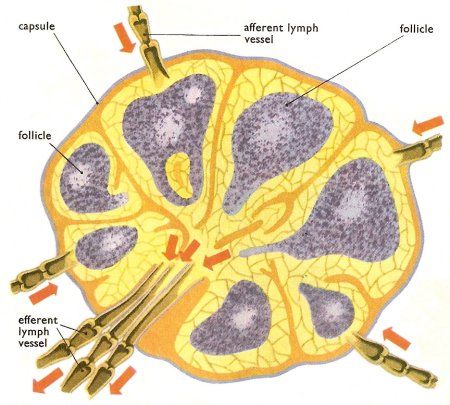
Lymph nodes are small spherical-shaped organs of the lymphatic system that contain many white blood cells
- Within are collections of specialised white blood cells that filter any harmful particles out, such as bacteria and viruses
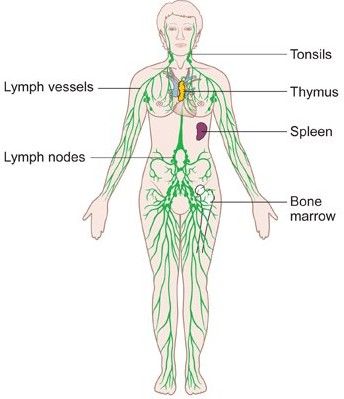
Lymph vessels are narrow, dead-ending tubes that transport lymph and are present in every tissue and organ throughout the body
- All lymph vessels join together and carry lymph back to the bloodstream at the subclavian veins
Functions of the lymphatic system
- To collect tissue fluid and return it to the bloodstream (if it fails to do this properly, swelling occurs)
- To absorb and transport fatty acids and gylcerol (each villus contains a lacteal that is full of lymph
- To fight infections. White blood cells recognise foreign invaders and react by producing antibodies
- It's responsible for maturing and storing of lymphocytes
Imágenes y archivos del mapa
Información
- Descripción
- Leaving Certificate Biology Mapa Mental sobre The Lymphatic System, creado por james liew el 09/02/2016.
- Creado por
- james liew
- Visitas
- 1.367
- Etiquetas
- Valoración