
Mapa mental
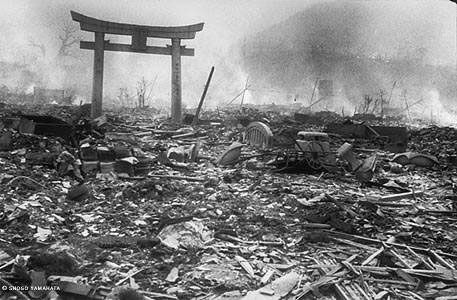
Japan after WW2
Contenido del mapa
Japan after WW2
Deming's system of profound knowledge
- The prevailing style of management must undergo transformation. The transformation requires a view from outside.
- 1. Appreciation of a system: understanding the overall processes involving suppliers, producers, and customers of goods and services.
- 2. Knowledge of variation: the range and causes of variation in quality, and use of statistical sampling in measurements.
- 3. Theory of knowledge: the concepts explaining knowledge and the limits of what can be known.
- 4. Knowledge of psychology: concepts of human nature.
- 3. Theory of knowledge: the concepts explaining knowledge and the limits of what can be known.
- 2. Knowledge of variation: the range and causes of variation in quality, and use of statistical sampling in measurements.
- 1. Appreciation of a system: understanding the overall processes involving suppliers, producers, and customers of goods and services.
- The prevailing style of management must undergo transformation. The transformation requires a view from outside.
Seven Deadly Diseases
- 1. Lack of constancy of purpose.
- 2. Emphasis on short-term profits
- 3. Evaluation by performance, merit rating, or annual review of performance.
- 4. Mobility of management
- 5. Running a company on visible figures alone
- 6. Excessive medical costs
- 7. Excessive costs of warranty
- 6. Excessive medical costs
- 5. Running a company on visible figures alone
- 4. Mobility of management
- 3. Evaluation by performance, merit rating, or annual review of performance.
- 2. Emphasis on short-term profits
- 1. Lack of constancy of purpose.
JUSE
- JUSE brought leaders and experts from all of Japan's major industries together to share the best practices.
- "Revitalise Japan's economy and (eliminate) waste by improving quality"
- Contribute to the development of culture and industry
- "Revitalise Japan's economy and (eliminate) waste by improving quality"
- JUSE brought leaders and experts from all of Japan's major industries together to share the best practices.
The 14 points of management
- 1. Create constancy of purpose toward improvement of product and service
- 2. Adopt the new philosophy.
- 3. Cease dependence on inspection to achieve quality.
- 4. End the practice of awarding business on the basis of price tag.
- 5. Improve constantly and forever the system of production and service
- 6. Institute training on the job.
- 7. Institute leadership.
- 8. Drive out fear.
- 9. Break down barriers between departments.
- 10. Eliminate slogans, exhortations, and targets for the work
- 11. Remove barriers that rob the hourly worker of his right to pride of workmanship.
- 12. Remove barriers that rob people in management and in engineering of their right to pride of workmanship
- 13. Institute a vigorous program of education and self-improvement
- 14. Put everybody in the company to work to accomplish the transformation.
- 13. Institute a vigorous program of education and self-improvement
- 12. Remove barriers that rob people in management and in engineering of their right to pride of workmanship
- 11. Remove barriers that rob the hourly worker of his right to pride of workmanship.
- 10. Eliminate slogans, exhortations, and targets for the work
- 9. Break down barriers between departments.
- 8. Drive out fear.
- 7. Institute leadership.
- 6. Institute training on the job.
- 5. Improve constantly and forever the system of production and service
- 4. End the practice of awarding business on the basis of price tag.
- 3. Cease dependence on inspection to achieve quality.
- 2. Adopt the new philosophy.
- 1. Create constancy of purpose toward improvement of product and service
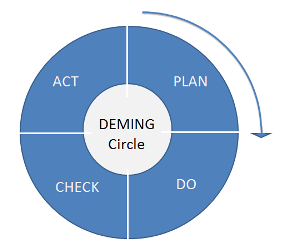
P-D-C-A
- Plan-Do-Check-Act "Corruption"
- Deductive and inductive learning built into the learning and improvement cycle.
- PDSA: Plan-Do-Study-Act
- Deductive and inductive learning built into the learning and improvement cycle.
- Plan-Do-Check-Act "Corruption"
Imágenes y archivos del mapa



Información
- Descripción
- Caso de Japón después de la 2 Guerra Mundial
- Creado por
- Dylan Castellanos Mendoza
- Visitas
- 39
- Etiquetas
- Valoración