
Mapa mental
Chemical Composition of the body
Contenido del mapa
Chemical Composition of the body
Atoms , Ions and Chemical Bonds
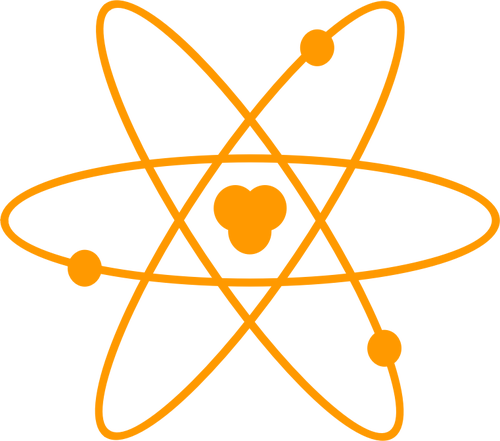
- Atoms Structure
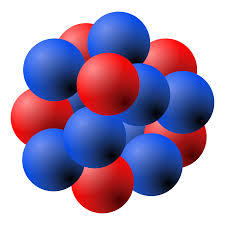
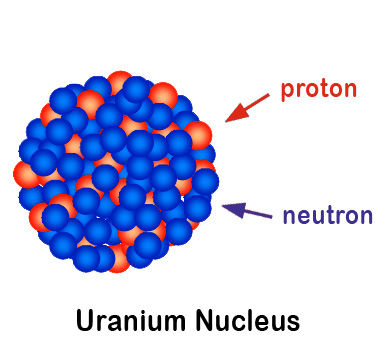
- Nucleus is the center of the atom
- Protons and Neutrons
- Protons (Positive Charge)
- Atomic Number
- Neutrons (Neutral Charge)
- Mass Number
- Protons (Positive Charge)
- Protons and Neutrons
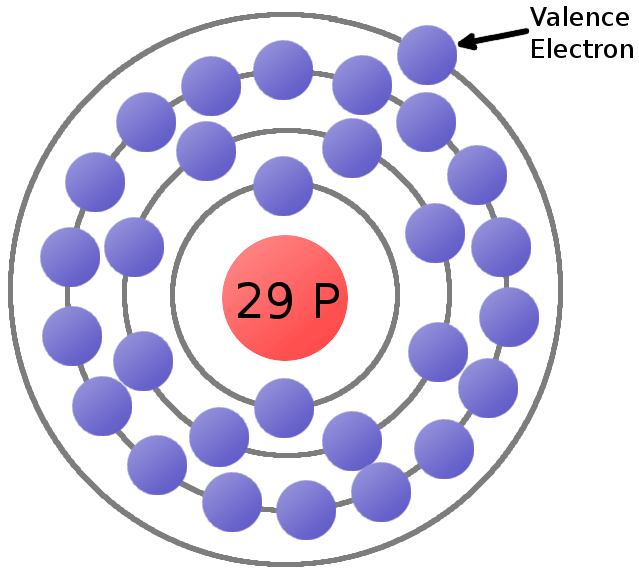
- Electron (Negative Charge )
- Valence Electrons
- Outside of the nucleus
- Orbitals
- Energy Levels
- Nucleus is the center of the atom
- Molecules
- Interactions of valence electrons between 2 or more atoms
- Produce Chemical Bonds
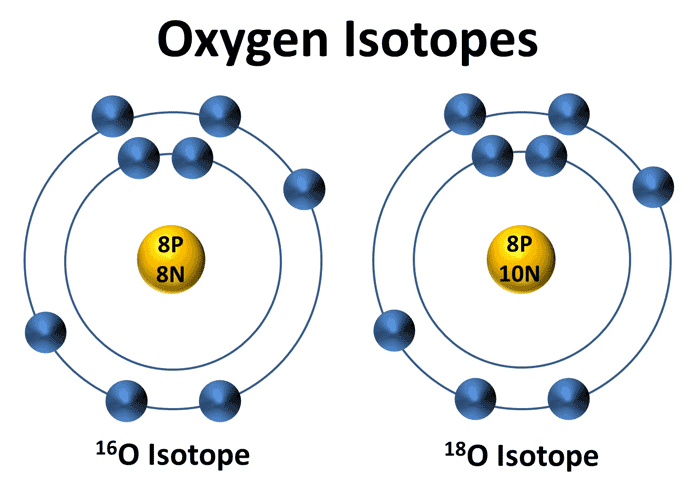
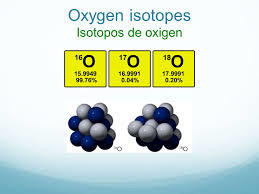
- Isotopes
- Different Forms
- Atomic Number Equal and Atomic Mass Distinct
- Different Forms
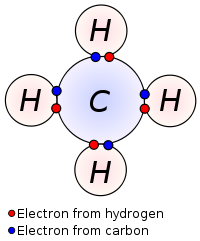
- Covalent
- Atoms share their valence atoms
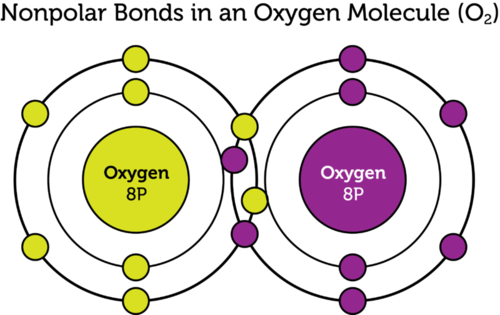
- Nonpolar
- Electrons are distributed equally between the two atoms
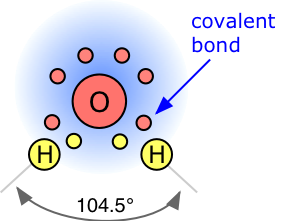
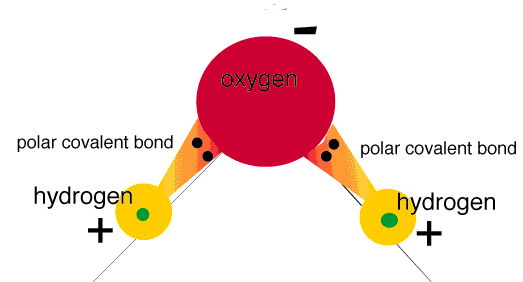
- Polar
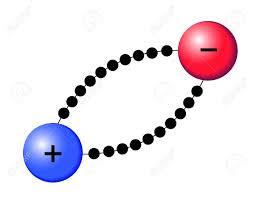
- It has a positive pole and one negative
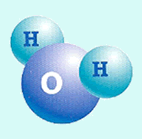
- Water in the body
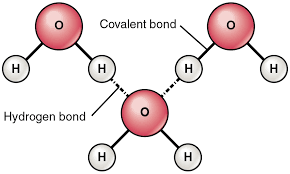
- Water and Hydrogen
- Water in the body
- It has a positive pole and one negative
- Nonpolar
- Atoms share their valence atoms
- Isotopes
- Produce Chemical Bonds
- Interactions of valence electrons between 2 or more atoms
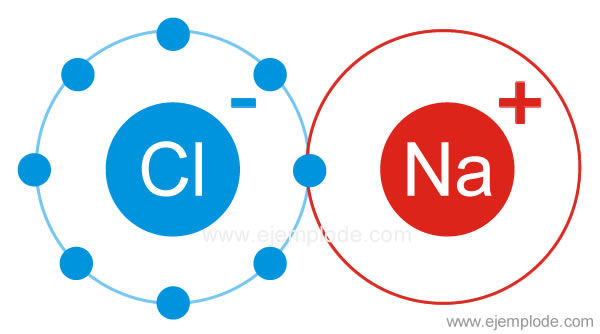
- Ionic Bonds
- 1 or more valence electrons of an atom are transfered
- Electrons are not share
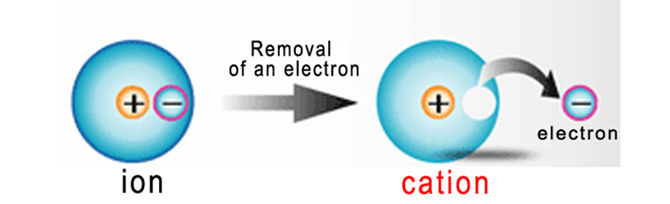
- The fist atom losses its electrons
- Then it has a positive charge
- It is called cation
- Then it has a positive charge
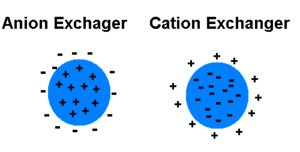
- The second atoms has a negative charge
- It is called Anion
- They are weaker than covalent bonds
- 1 or more valence electrons of an atom are transfered
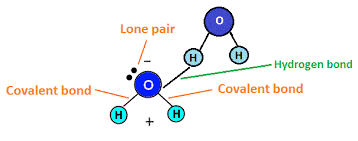
- Hydrogen Bonds
- Weak Attraction
- Hydrogen atom forms a polar covalent bond with a oxygen or nytrogen atom
- Hydrogen atom with a slight positive charge
- the other is a electronegative atom
- Hydrogen atom forms a polar covalent bond with a oxygen or nytrogen atom
- Weak Attraction
- Atoms Structure
Acid, base and pH
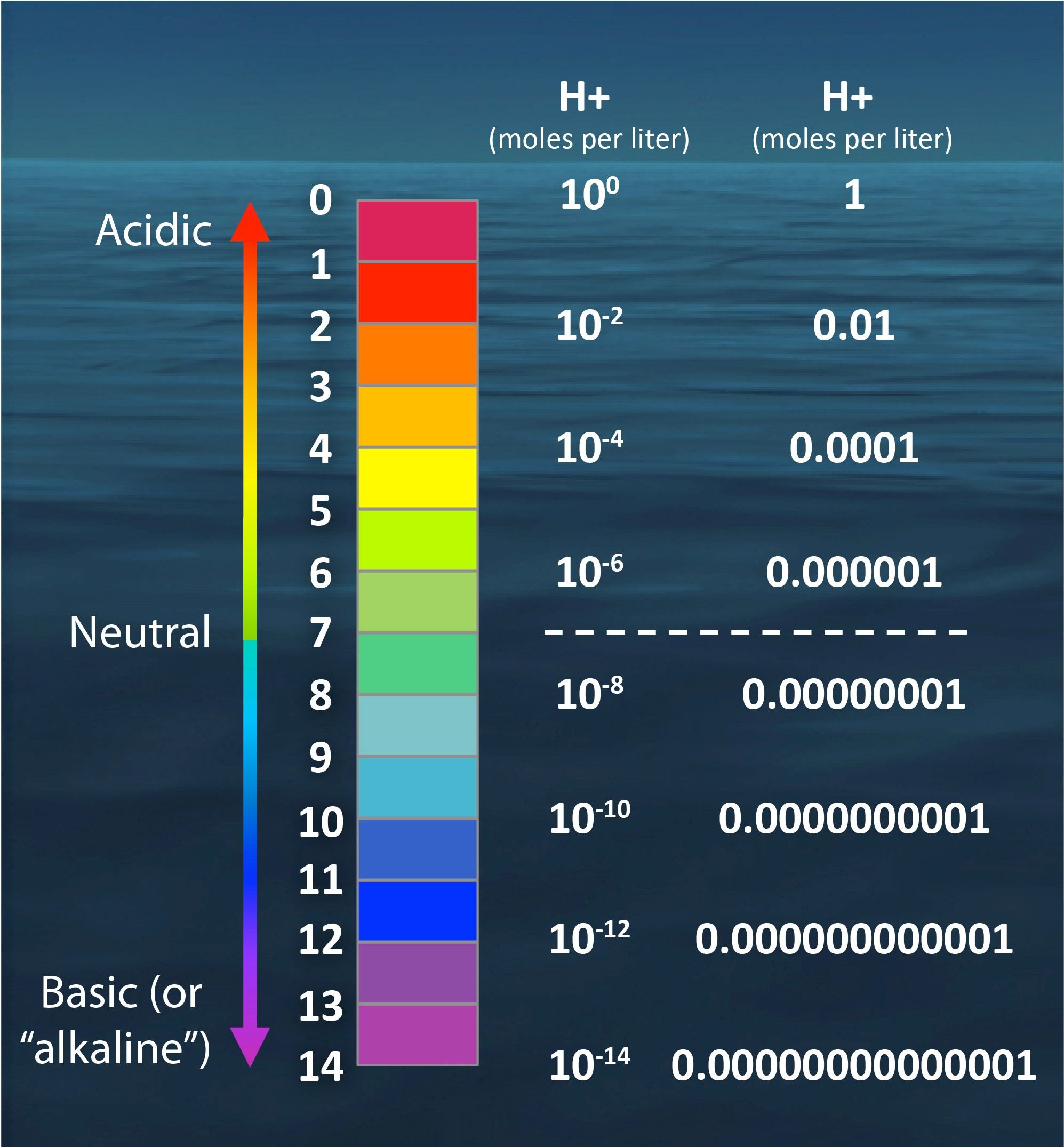
- Acids
- Donate Hydroge ions to the solution
- Increase the concentration of H+
- So reduce the pH BELOW 7
- Increase the concentration of H+
- Donate Hydroge ions to the solution
- Bases
- Ion concentration decreases in a solution of Hydrogen
- Lessen the concentration of H+
- Increase the pH above 7
- Lessen the concentration of H+
- Ion concentration decreases in a solution of Hydrogen
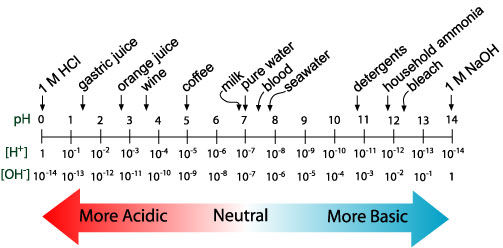
- pH Scale
- A negative function of the logarithm of the hydrogen ion concentration
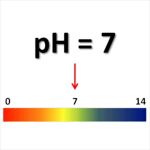
- Neutral Solution
- H+ concentration is equal to the concentration of OH-
- pH is 7
- H+ concentration is equal to the concentration of OH-
- Neutral Solution
- A negative function of the logarithm of the hydrogen ion concentration
- Acids
Organic molecules
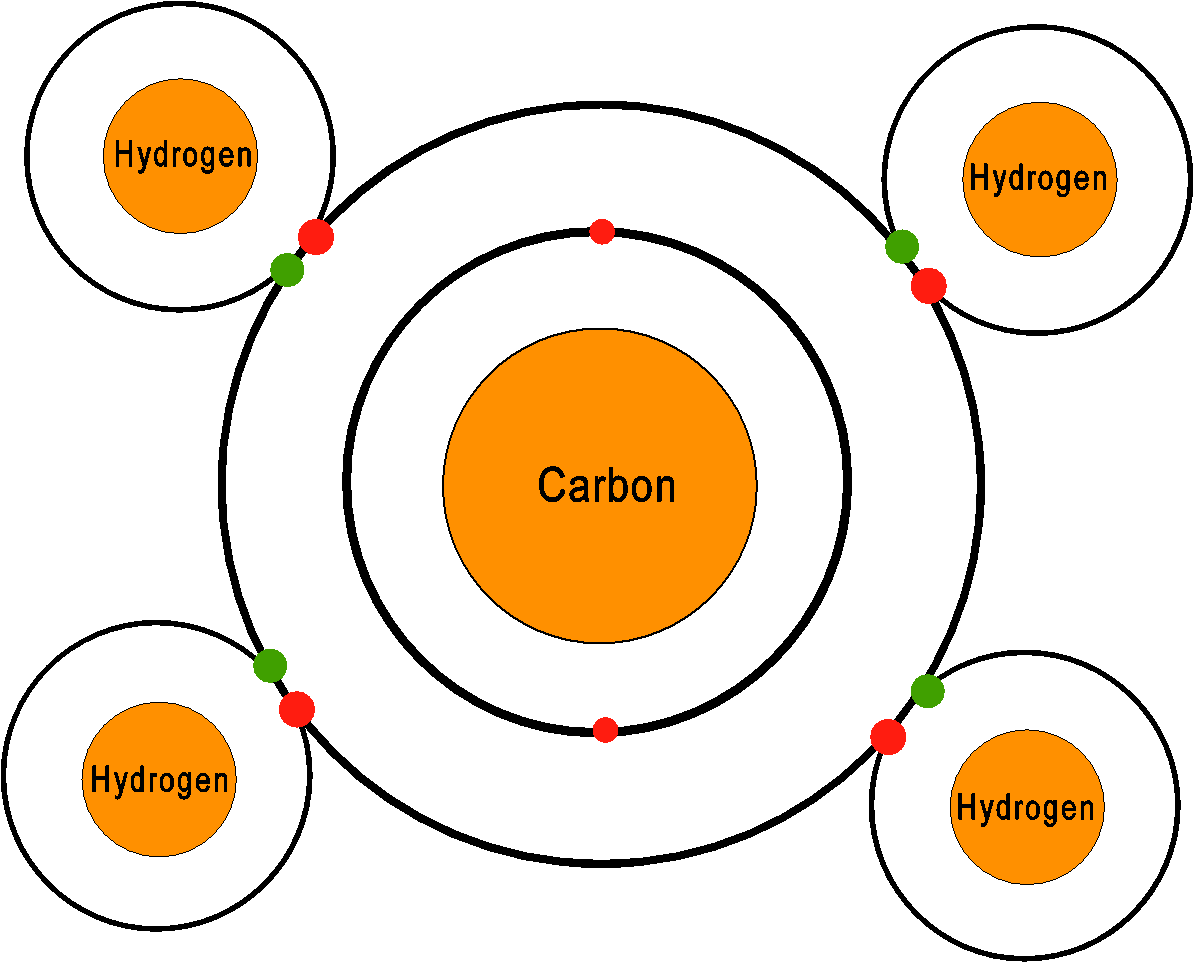
- Carbon and Hydrogen Atoms present in covalent bonds
Carbohydrates and Lipds
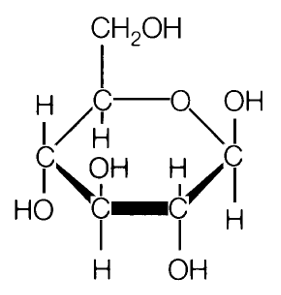
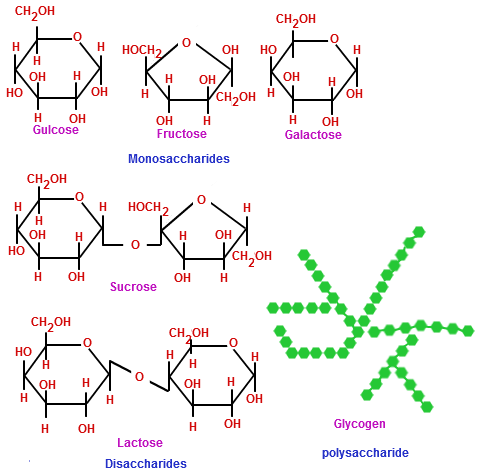
- Carbohydrates
- Consist of simple sugars
- Monosaccharides
- Dissacharides
- Polysaccharides
- Consist of simple sugars
- Lipds
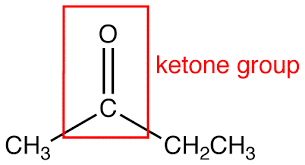
- Ketones
- Are derived smaller of fatty acids
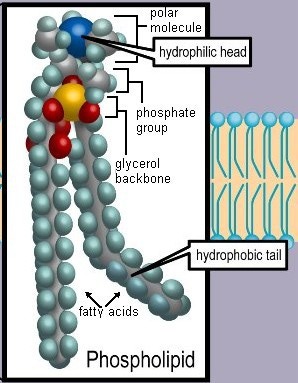
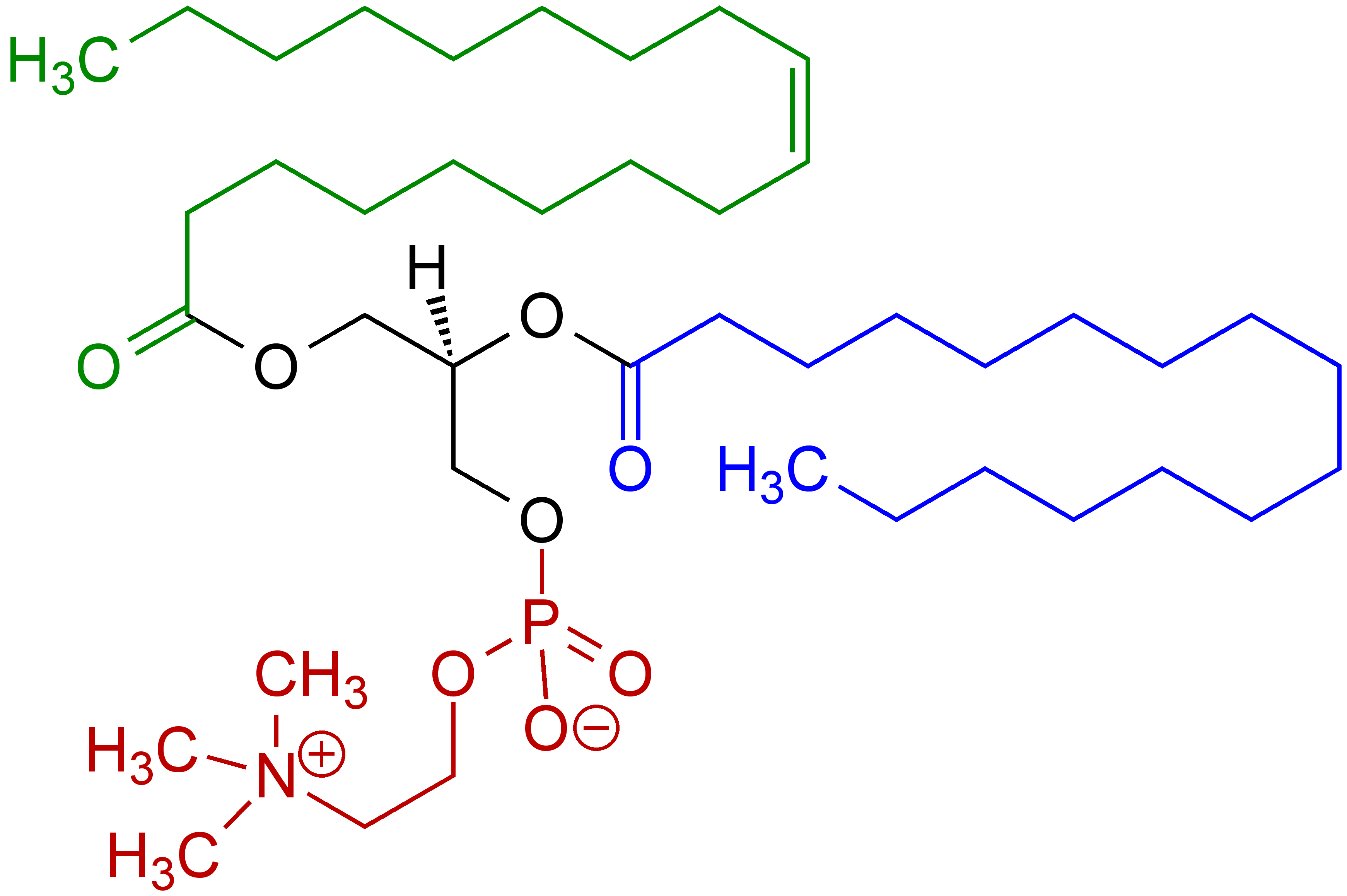
- Phospholipids
- Contains phosphate
- Have a hydrophilic polar group
- The remainder of the molecule is hydrophobic
- EXAMPLE lecithin
- Have a hydrophilic polar group
- Contains phosphate
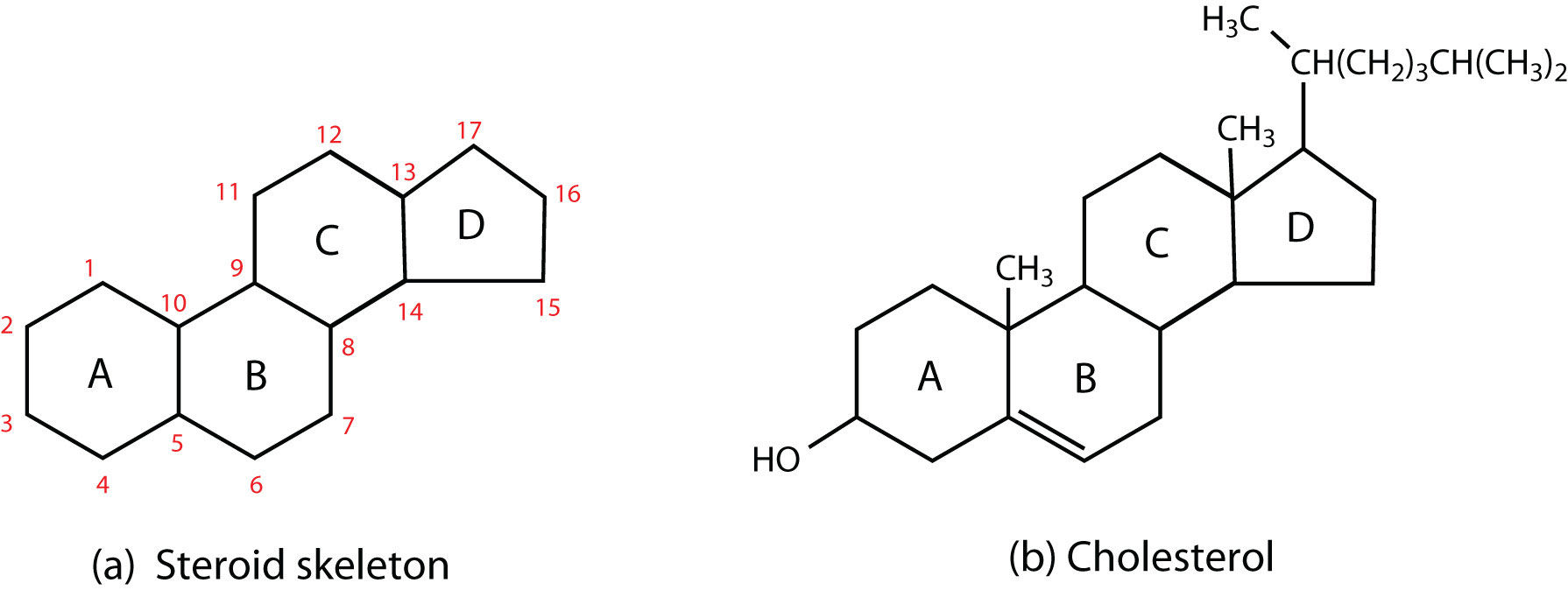
- Steroids
- Lipids structure of four charactericts rings
- Hormones of the adrenal cortex and gonads
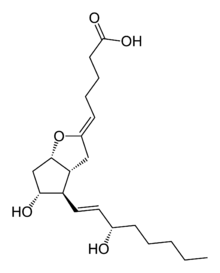
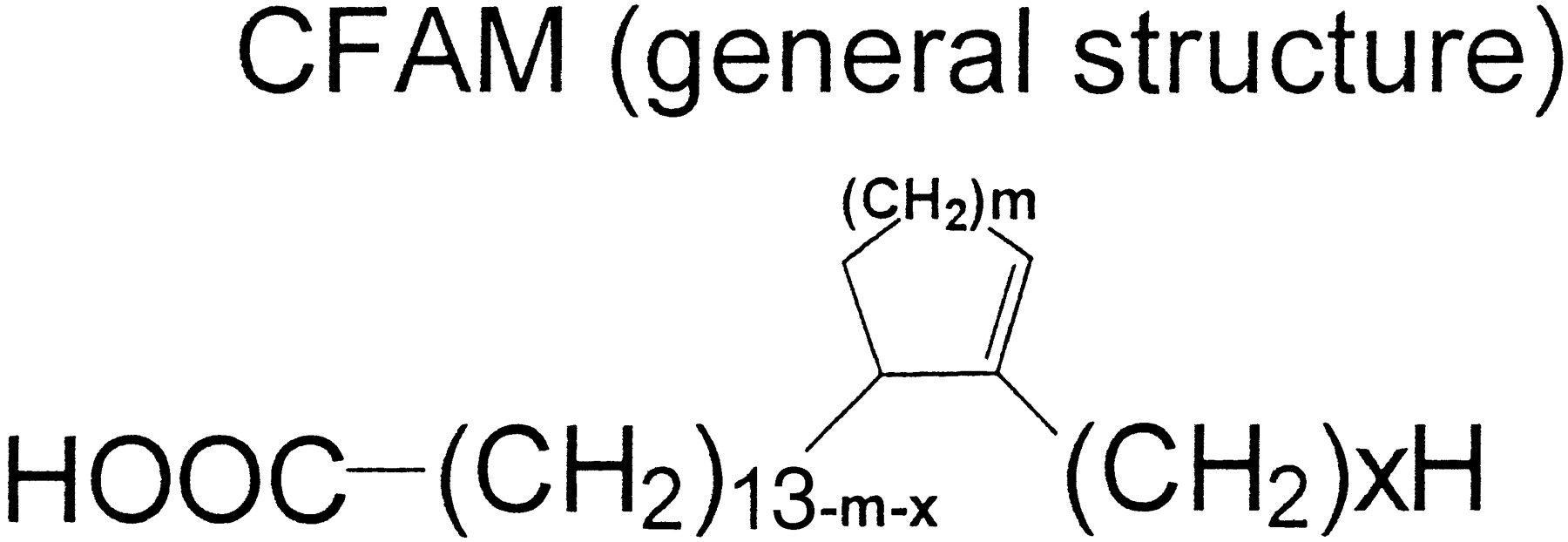
- Prostaglandins
- Family of cyclic fatty acids
- Perform a variety of regulatory functions
- Family of cyclic fatty acids
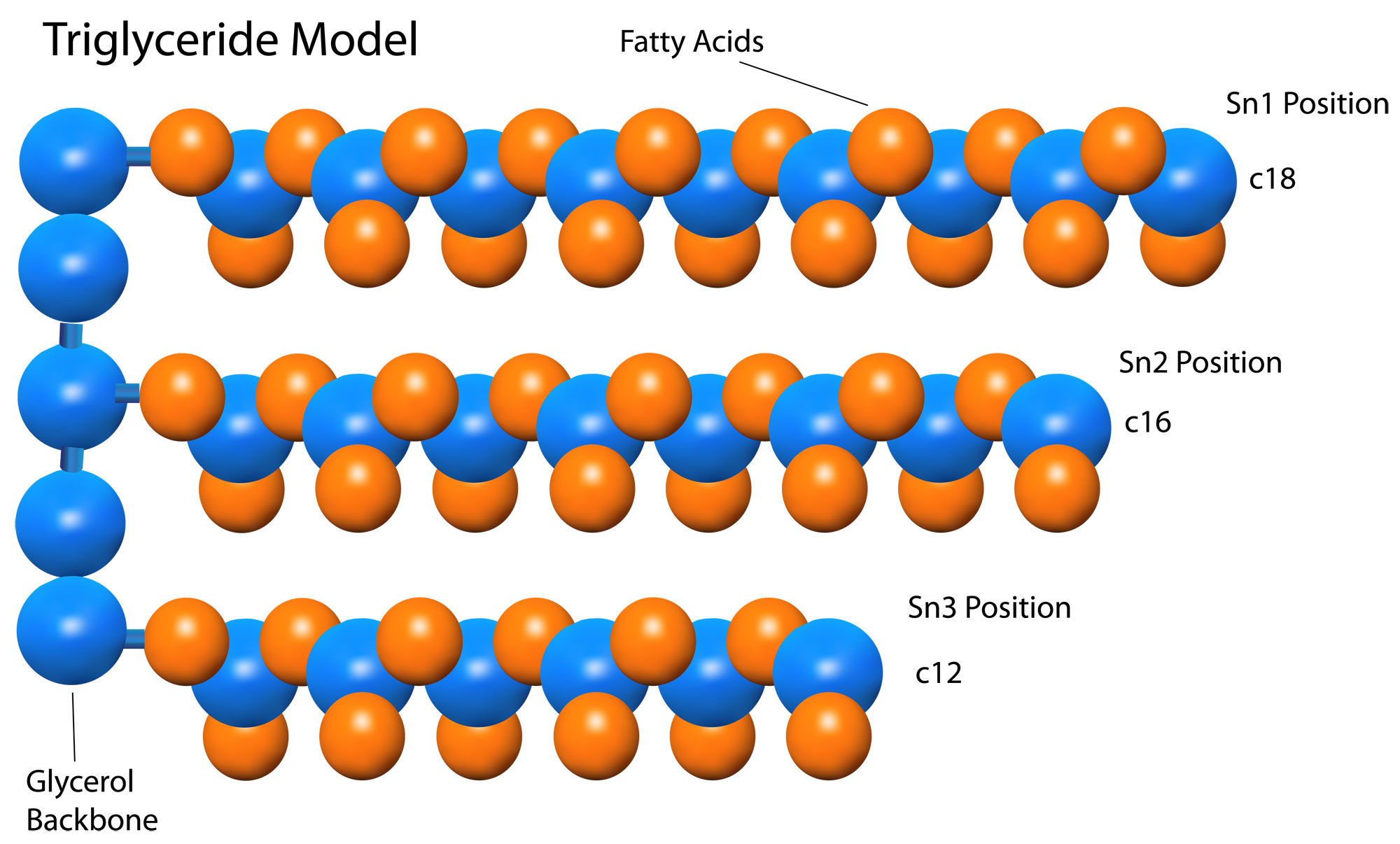
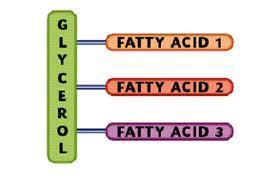
- Triglycerides
- Consists of 3 fatty acid molecules
- Attached to a GLYCEROL molecule
- Consists of 3 fatty acid molecules
- Ketones
- Carbohydrates
Proteins
- Combained with Carbohydrates , lipids and other molecules
- Structure
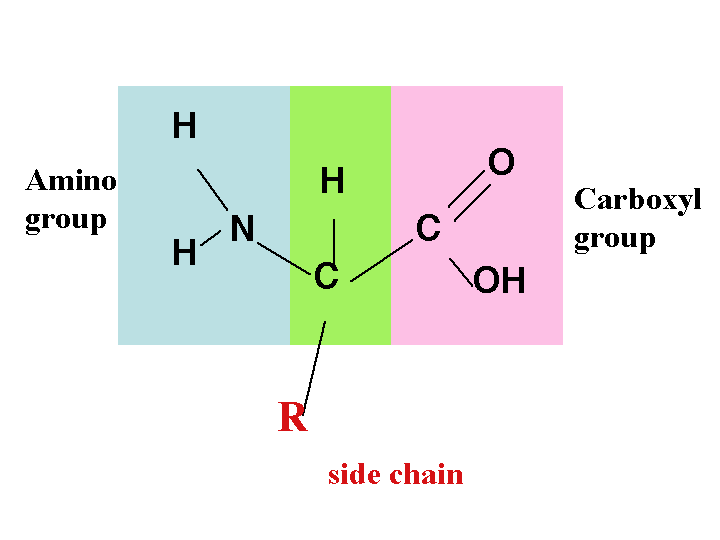
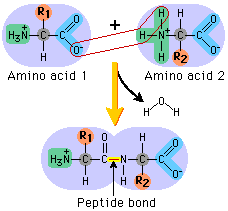
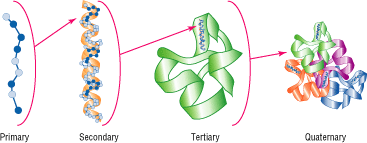
- Composed of long chains of amino acids
- attached by covalent peptide bonds
- Amino Group
- Carboxyl Group
- Functional Group
- attached by covalent peptide bonds
- The polypeptide chain can rotate and form a helix
- Flex and Bend to form the tertiary structure of the protein
- Composed of long chains of amino acids
Nucleic Acids
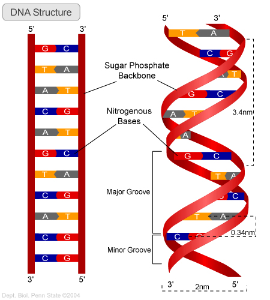
- DNA composed of 4 nucleotides
- Contein the deoxyribose sugar
- Consist of 2 polynucleotide chains
- Attached by Hydrogen bonds between their bases
- Consist of 2 polynucleotide chains
- Contein the deoxyribose sugar
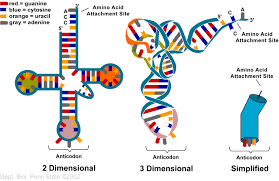
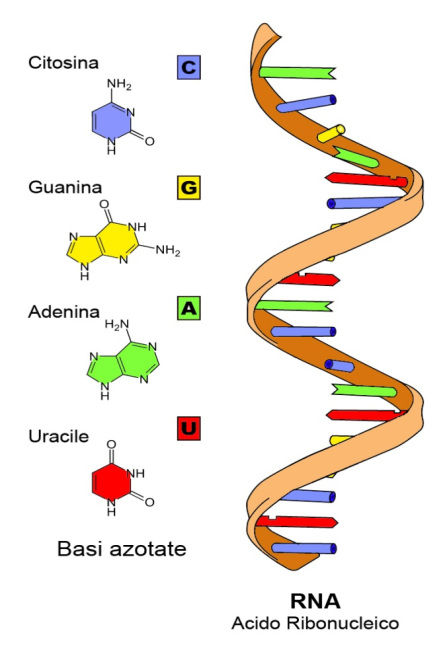
- RNA Consists of four nucleotides
- Contains the ribose sugar
- Adenine
- Guananine
- Cytosine
- Uracil
- Consists of a single polynucleotide chain
- Contains the ribose sugar
- DNA composed of 4 nucleotides
Imágenes y archivos del mapa

Información
- Descripción
- Capitulo 2 - Fisiología
- Creado por
- Alma Cariño · sep 2016
- Actualizado
- 8 nov 2016
- Visitas
- 23
- Etiquetas
- Valoración