
Mapa mental
AP US History Intro
Contenido del mapa
AP US History Intro
Time Periods
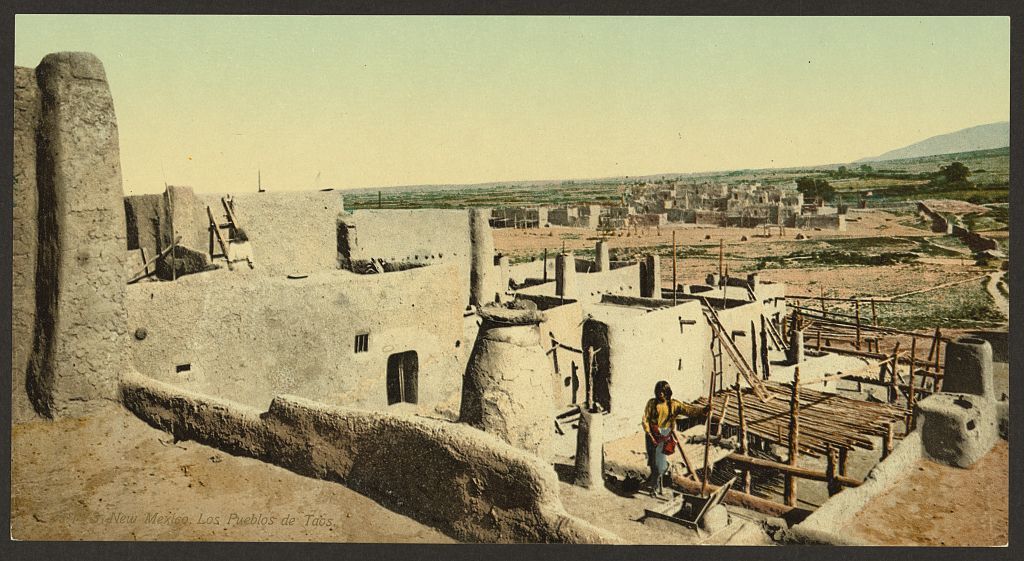
- Period 1 1491-1607
- Key Concept 1.1 — As native populations migrated and settled across the vast expanse of North America over time, they developed distinct and increasingly complex societies by adapting to and transforming their diverse environments.
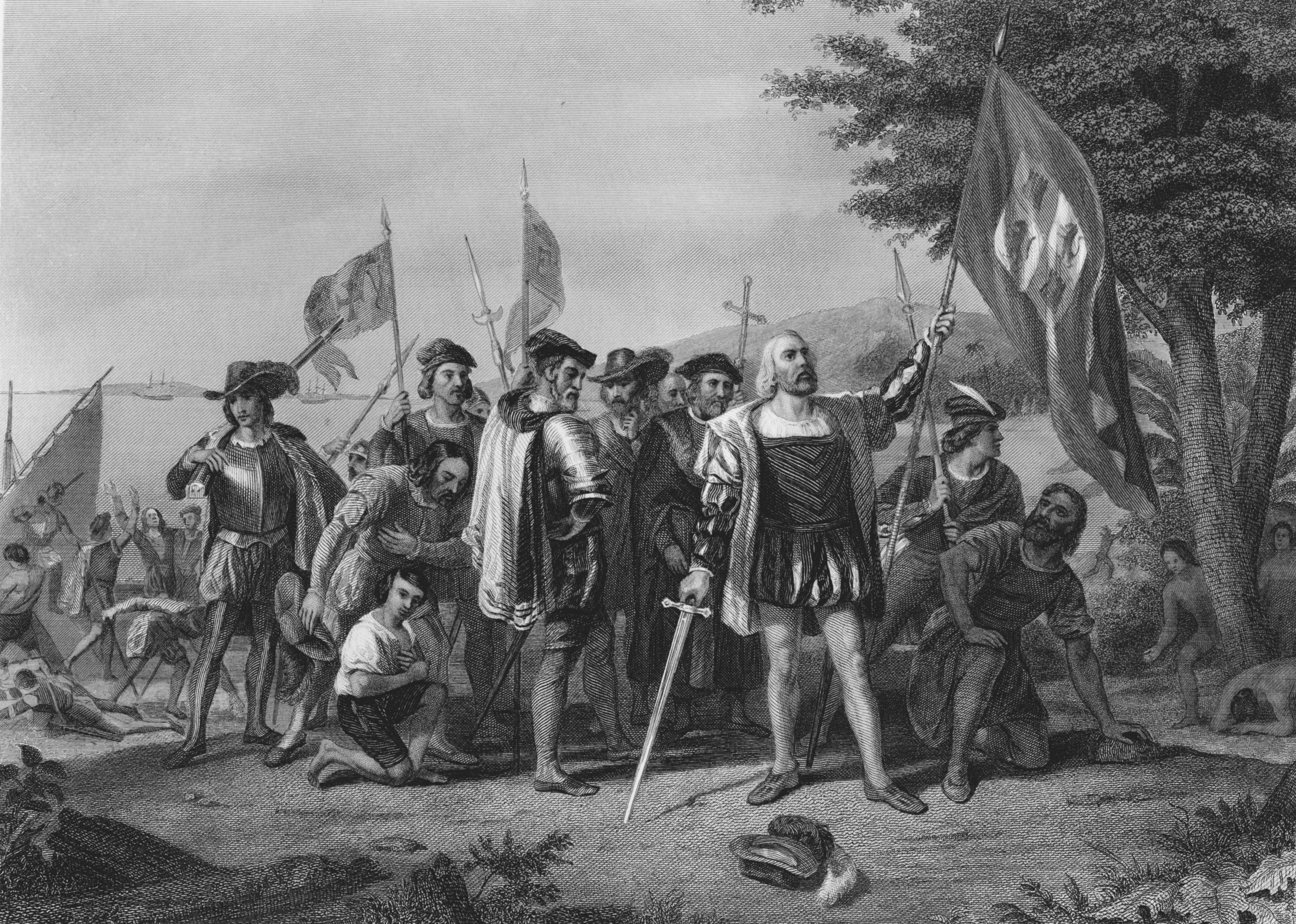
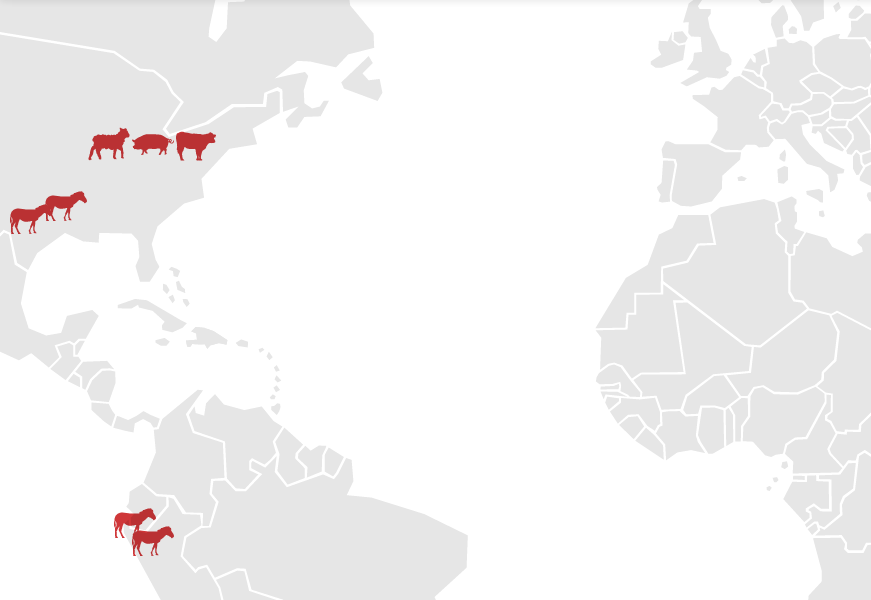
- Key Concept 1.2 — Contact among Europeans, Native Americans, and Africans resulted in the Columbian Exchange and signi cant social, cultural, and political changes on both sides of the Atlantic Ocean.
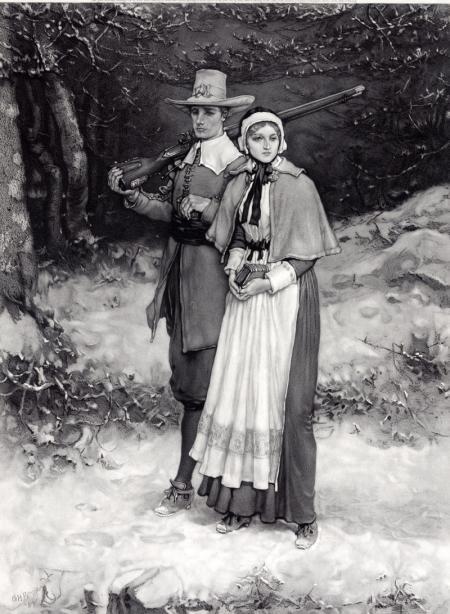
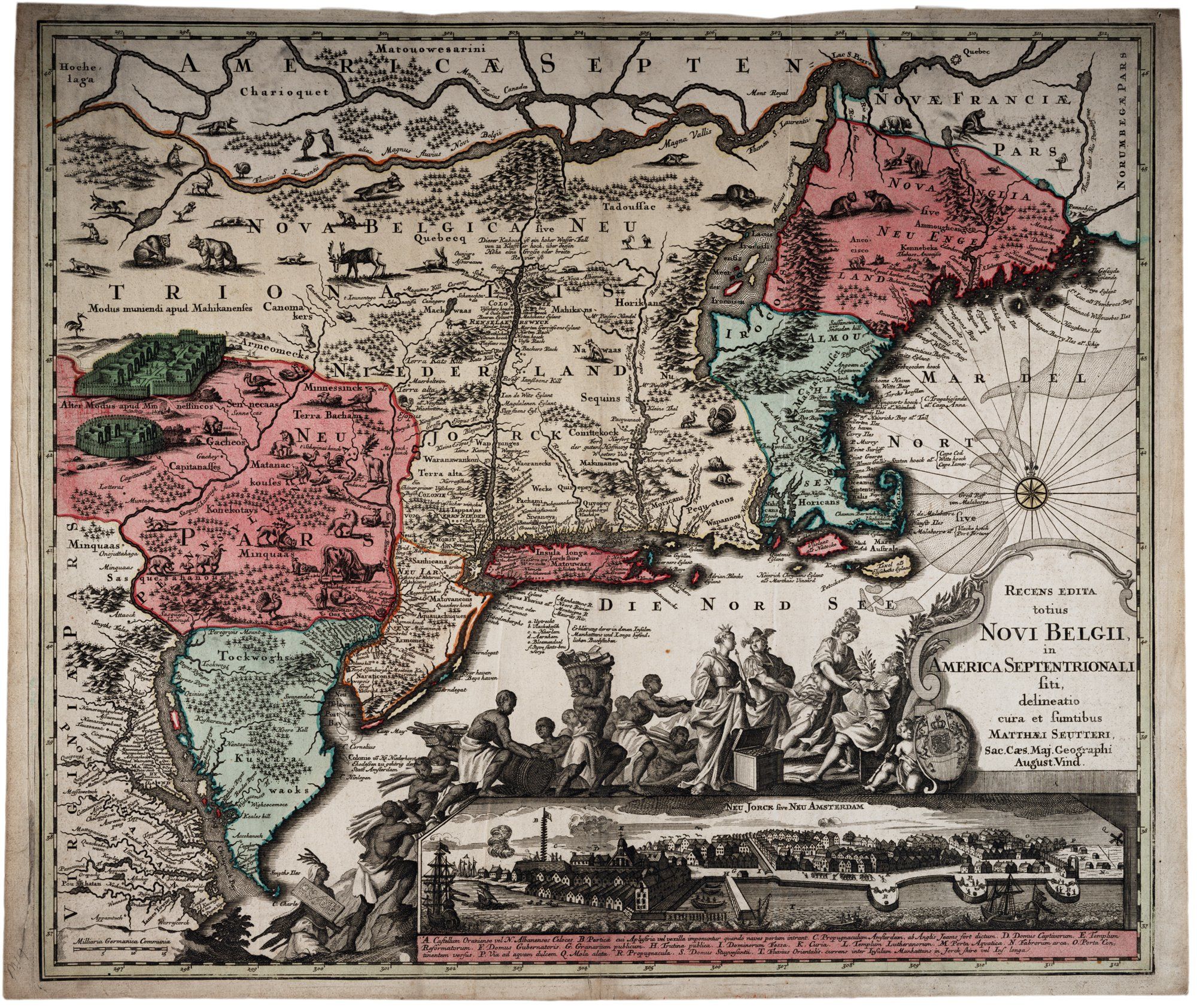
- Period 2 1607-1754
- Key Concept 2.1 — Europeans developed a variety of colonization and migration patterns, influenced by different imperial goals, cultures, and the varied North American environments where they settled, and they competed with each other and American Indians for resources.
- Key Concept 2.2 — The British colonies participated in political, social, cultural, and economic exchanges with Great Britain that encouraged both stronger bonds with Britain and resistance to Britain’s control.
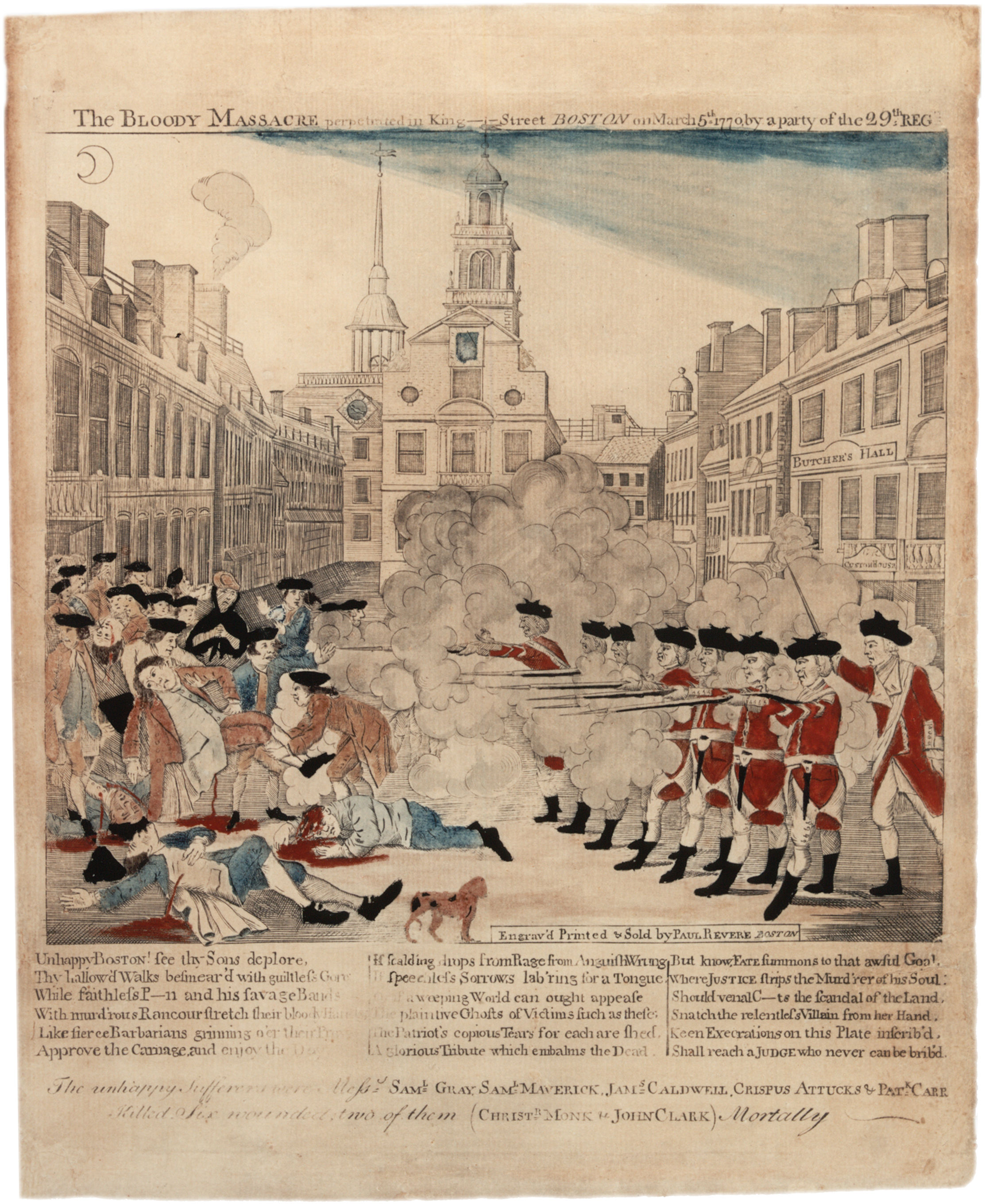
- Period 3 1754-1800
- Key Concept 3.1 — British attempts to assert tighter control over its North American colonies and the colonial resolve to pursue self-government led to a colonial independence movement and the Revolutionary War.
- Key Concept 3.2 — The American Revolution’s democratic and republican ideals inspired new experiments with different forms of government.
- Key Concept 3.3 — Migration within North America and competition over resources, boundaries, and trade intensi ed con icts among peoples and nations.
- Period 4 1800-1848
- Key Concept 4.1 — The United States began to develop a modern democracy and celebrated a new national culture, while Americans sought to de ne the nation’s democratic ideals and change their society and institutions to match them.
- Key Concept 4.2 — Innovations in technology, agriculture, and commerce powerfully accelerated the American economy, precipitating profound changes to U.S. society and to national and regional identities.
- Key Concept 4.3 — The U.S. interest in increasing foreign trade and expanding its national borders shaped the nation’s foreign policy and spurred government and private initiatives.
- Period 5 1848-1877
- Key Concept 5.1 — The United States became more connected with the world, pursued an expansionist foreign policy in the Western Hemisphere, and emerged as the destination for many migrants from other countries.
- Key Concept 5.2 — Intensified by expansion and deepening regional divisions, debates over slavery and other economic, cultural, and political issues led the nation into civil war.
- Key Concept 5.3 — The Union victory in the Civil War and the contested reconstruction of the South settled the issues of slavery and secession, but left unresolved many questions about the power of the federal government and citizenship rights.
- Period 6 1865-1900
- Key Concept 6.1 — Technological advances, large-scale production methods, and the opening of new markets encouraged the rise of industrial capitalism in the United States.
- Key Concept 6.2 — The migrations that accompanied industrialization transformed both urban and rural areas of the United States and caused dramatic social and cultural change.
- Key Concept 6.3 — The Gilded Age produced new cultural and intellectual movements, public reform efforts, and political debates over economic and social policies.
- Period 7 1898-1945
- Period 8: 1945-1980
- Period 9: 1980-Present
- Period 1 1491-1607
Themes
- Peopling
- Ideologies, Religion, Art/Literature, Cultural Values, Science/Philosophy, Ideals, Morality, Popular Culture
- Geography
- Climate, Place, Environment, Interaction, Natural Resources, Exchanges
- Economics
- Politics & Power
- America in the World
- Culture
- American Identity
- Peopling
Imágenes y archivos del mapa


Información
- Descripción
- 11th grade US History Mapa Mental sobre AP US History Intro, creado por Laurie Beaman el 13/06/2017.
- Creado por
- Laurie Beaman
- Visitas
- 6.896
- Valoración