
The Past Simple - Introduction to the tense with an excerpt of A Tale of Two Cities
Diapositivas del conjunto (4)
-
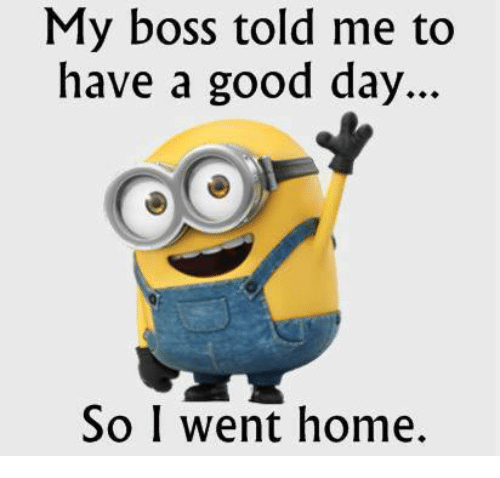
- Pie de imagen: Do you get the joke? What tense are the verbs in the joke?
-
A tale of two cities by Charles Dickens
- Read the first paragraphs of this famous novel. Turn to slide two for some comprehension questions and discussion.
- It was the best of times, it was the worst of times, it was the age of wisdom, it was the age of foolishness, it was the epoch of belief, it was the epoch of incredulity, it was the season of Light, it was the season of Darkness, it was the spring of hope, it was the winter of despair, we had everything before us, we had nothing before us, we were all going direct to Heaven, we were all going direct the other way—in short, the period was so far like the present period, that some of its noisiest authorities insisted on its being received, for good or for evil, in the superlative degree of comparison only.
- There were a king with a large jaw and a queen with a plain face, on the throne of England; there were a king with a large jaw and a queen with a fair face, on the throne of France. In both countries it was clearer than crystal to the lords of the State (...) that things in general were settled for ever.
- It was the year of Our Lord one thousand seven hundred and seventy-five.
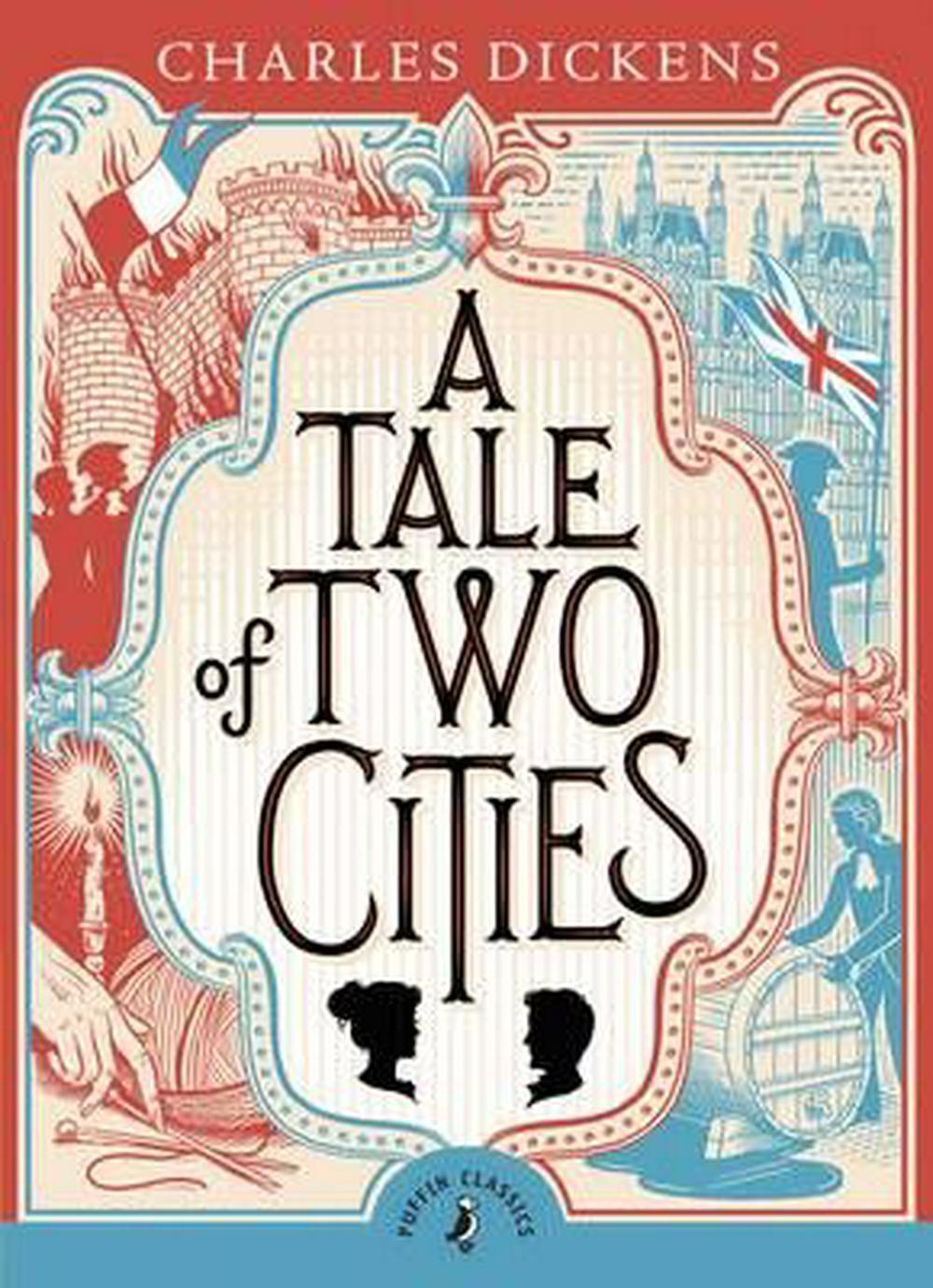
- Pie de imagen: A tale of two cities, written by Charles Dickens in 1859.
-
- Do you understand the general idea of the text? Share your ideas with a partner, then discuss with the rest of the class and your teacher. Do not ask or look up meanings of words or phrases.
- Now look up what the underlined words mean. Join a partner and compare the meanings you found. Do they make sense in the context of the sentence? Discuss with the rest of the class and your teacher.
- There are two parts of the text marked in bold. What do they mean? Join a partner and compare the meanings you found. Do they make sense in the context of the sentence? Discuss with the rest of the class and your teacher.
- Write in figures the number in red.
- What word is "the other way", marked in red, referring to?
- Make two sentences using two of the words underlined.
- Do you understand now the meaning of the text? Describe what the text is about in one sentence.
- Discuss in groups of 3:
- What do you know about the period of time the author is describing?
- Do you like history? why/why not?
- Do you like reading? why/why not? if yes, what are you reading at the moment?
- Where is Charles Dickens from? Do you know any other books by Charles Dickens? Have you read any? Did you like them? why/why not.
- Are you interested in literature? why/why not?
- What is your favourite literary period and author? why?
- Did your partner tell you anything that surprised you? Share it with the rest of the class.
-
- Now re-read the text and underline all the verbs you can find.
- What is the tense of most of the verbs?
- What is the present form of was/were? and the infinitive?
- What is the present form of had? and the infinitive?
- Are these regular or irregular verbs? Do you know any other regular or irregular verbs in this tense?
- Is there any verb in the affirmative form?
- How do we form affirmative sentences in this tense?
- Is there any verb in the negative form?
- Based on what you know from forming negative sentences with the present tense of the verb to be, how do you think it will be formed in the past tense?
- Is there any verb in the interrogative form?
- Based on what you know from forming interrogative sentences with the present tense of the verb to be, how do you think it will be formed in the past tense?
- Why is the author using this tense in his text?
- Share all your answers with your partner and then with the whole class and your teacher.
- It was the best of times, it was the worst of times, it was the age of wisdom, it was the age of foolishness, it was the epoch of belief, it was the epoch of incredulity, it was the season of Light, it was the season of Darkness, it was the spring of hope, it was the winter of despair, we had everything before us, we had nothing before us, we were all going direct to Heaven, we were all going direct the other way—in short, the period was so far like the present period, that some of its noisiest authorities insisted on its being received, for good or for evil, in the superlative degree of comparison only.
- There were a king with a large jaw and a queen with a plain face, on the throne of England; there were a king with a large jaw and a queen with a fair face, on the throne of France. In both countries it was clearer than crystal to the lords of the State preserves of loaves and fishes, that things in general were settled for ever.
- It was the year of Our Lord one thousand seven hundred and seventy-five.
Información
- Descripción
- This set of slides attempts to present the use and formation of the past simple with irregular verbs through the analysis of an excerpt of the novel by Charles Dickens, A Tale of Two Cities.
- Creado por
- Usuario eliminado · jun 2019
- Actualizado
- 13 jun 2019
- Visitas
- 208
- Etiquetas
- Historial
-
- Creado por Andrés Quevedo · 11 jun 2019
- Copiado por Andrés Quevedo · 13 jun 2019
- Valoración