
GCSE Revision Tips
Diapositivas del conjunto (6)
-
- If you’re determined to get as many 9 marks as possible when you open your GCSE results
- in August, you may be searching for better ways to revise for your
- exams to make sure you get there.
- It is important to work hard, especially
- when it comes to studying, but there are ways you can guide your brain
- to remember information easier which supports your ability to learn.
- We have gathered the best revision techniques from past GCSE students
- who have overcome exam stress to achieve top class results and help you
- understand how you can learn better to improve your GCSE results.

-
1. Create a Revision Timetable
- Building a revision timetable can add structure to your revision and help you identify which GCSE subjects you need to prioritise to get better marks.
- Creating a revision timetable is a great way to organise your study
- time, plus it also helps boost your motivation to revise for your exams.
- Recognising a need for a revision timetable means that you have already
- made a great start to combat exam stress.
- Take the first step by setting your GCSE study goals to build a strong foundation for success.
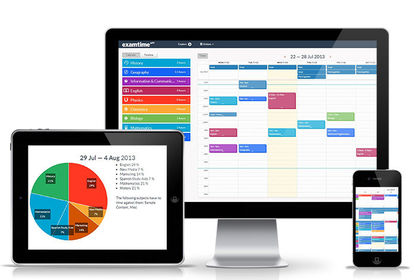
- Pie de imagen: GoConqr’s Online Calendar will help you create, manage and track tasks related to your study.
-
2. Understand your Learning Style
- Everyone thinks that there is a best way to study but the reality is that each person is different.
- One of the major theories about learning styles is the VARK theory. The VARK theory divides learners into four different categories. Those who learn by:
- Visual
- Auditory
- Reading/Writing
- Kinesthetic
- There are many VARK tests online if you want to find out what you’re preferences are. Once you understand your learning style, remembering and recalling new information
- will become much easier.
- Learning Styles
- Understanding Your Learning Styles
- Learning and Study Skills
-
- Your GCSE revision should take account of the difference between your subjects and the challenges they represent.
- Depending on the subject you are studying, there are several tools you can use.
- If you find it difficult to remember tons of new study notes, Mind Maps may be the key to improving your memory. Making associations by connecting ideas helps you to memorise information easier and quicker.
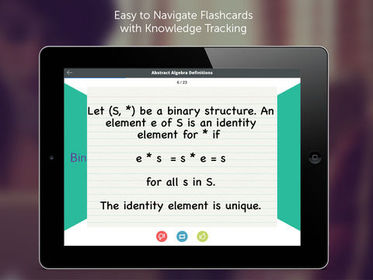
- Use Flashcards to help you prepare for a language exam where you need to remember key terms or Quizzes to test your GCSE Maths skills with sample questions.
-
- One of the biggest recommendations that past GCSE students suggest is to practice questions by doing as many GCSE past papers as you can.
- Practising past papers will help you get familiar with the:
- Exam format
- Question style
- Time pressure
- Retrieve information quicker
- As previously mentioned, testing your knowledge with Quizzes is an ideal method for GCSE preparation as they ensure that you are exam ready and confident enough to face your exams.
- https://www.youtube.com/watch?v=7PXoQYHK0-I (Enclavar)
- Pie de imagen: Create Quizzes easily with the GoConqr Quiz Maker tool
-
5. Collaborate with Classmates
- Collaboration and teamwork are very important elements of the study process. When preparing for a GCSE exam, it’s better to divide up the workload and work with your friends, teachers and classmates to share and discuss any study content you have. Doing this will also help you gain an
- insight into how other students learn. The extra benefit is that you and your classmates
- can test one other.
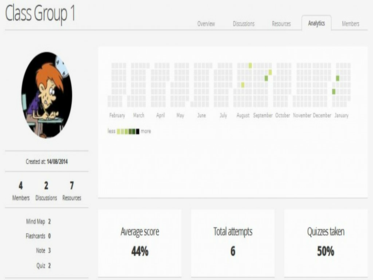
- The Groups feature on our GoConqr learning platform boosts your learning ability. You can invite whoever you want to join your study group. Once you are a
- member of a group, you can discuss ideas privately with other students sitting the GCSEs,
- share study material and work on learning resources together.
Información
- Descripción
- Here are the best revision techniques from past GCSE students who have overcome the exam stress to achieve top class results.
- Creado por
- miminoma · sep 2015
- Actualizado
- 4 dic 2018
- Visitas
- 1.524
- Etiquetas
- Valoración