
Test
Food Studies Unit 1 - Origins of food
Este test tiene tipos de pregunta que se abren en el reproductor de siempre.
Preguntas del test (24)
1Humans who obtain their food from nature, hunting animals and gathering wild plants are known as [blank_start]hunter gatherers[blank_end].
- Ahunter gatherers
2Tick the features of a hunter gatherer community.
- AMobile and nomadic
- BOnly collect food as needed
- CBuilt enclosures to keep and tame wild animals
- DStored surplus food
- EMove on when food supply in an area is exhausted
- FUse of cultivation and domestication
- GBuild simple shelters due to moving frequently
- HRely on the natural food supply
3Sedentary hunter-gatherer communities are groups of people who settled in [blank_start]one place, near a rich food resource.[blank_end]
- Aone place, near a rich food resource.
- Bone place and hoped wildlife came past.
4The process of using selective breeding to make wild plants and animals more useful to humans.
- APreservation
- BDomestication
5To cultivate means to [blank_start]deliberately[blank_end] sew and tend crops on nearby land.
- Adeliberately
- Baccidentally
6Agricultural production developed side by side with hunter gatherer communities and it is believed it took what sort of time frame to be established?
- A6 - 12 months
- B5 - 10 years
- CMany hundreds of years
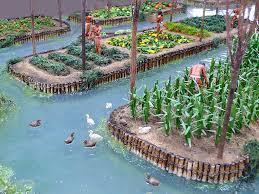
7[blank_start]Chinampus[blank_end] are plant beds built by Mayan farmers on floating plots of land.
- AChinampas
8Select the characteristics of agricultural farming systems.
- ASelective breeding was used to develop positive traits such as size and strength
- BOnly collect food as needed
- CBuilt stronger, more permanent homes and communities
- DUse of cultivation of wild plant and domestication of wild animals to make them more useful for humans
- EMove on when food supply in an area is exhausted
- FBuilt enclosures to keep and tame wild animals
- GChoose animals that could be fed on food sources such as grass that was not a food source for humans
9Food sources for hunter gatherers varied depending on their natural surroundings.
- AVerdadero
- BFalso
10What foods hunter gatherer societies collected, depended on what grew in the area. Choose the typical foods they gathered.
- AMilk, cheese and butter
- BFruit, roots, nuts and seeds
11Societal structure of the hunter gatherer tribes was:
- ASmall tribe groups because enough food could be found by being nomadic
- BEqual power and respect within the tribe, with everything being shared
- CUsually men hunted, while women and young children undertook the gathering and domestic tasks
- DWomen carried one child at a time, and breastfeeding for four years spaced births until the child could walk independently
- EAll of the above
12Which of the following, that were relied upon by the hunter gatherer tribes, were affected by climatic changes and access to water?
- AAnimal numbers
- BDistribution and growing patterns of wild grains and crops
13An agricultural technique that involves slashing and burning plants in a forest to create fields to grow crops is called [blank_start]swidden[blank_end] farming.
- Achinampus
- Bswedish
- Cswidden
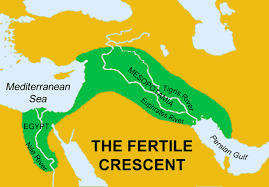
14The earliest village settlements began to appear in northern [blank_start]Mesopotamia[blank_end] about 10 000 - 6 000 BCE.
- AMesopotamia
- BMesoamerica
15[blank_start]Mesopotamia[blank_end] covers much of what is today Iraq and parts of Syria and Turkey.
- AMesoamerica
- BMesopotamia
16Reliable water supply, locating and adapting fertile landscapes as well as the development of tools enabled the development of [blank_start]agriculture[blank_end] in Mesopotamia and Mesoamerica.
- Aagriculture
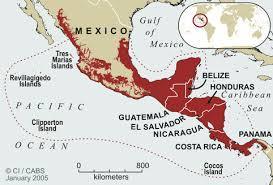
17Mesoamerica was an early agricultural system that covers part of present day Mexico and Central America.
- AVerdadero
- BFalso
18An important difference between Mesoamerica and Mesopotamia was the domestication process. In Mesoamerica they mostly focussed on domesticating plants with little attention to animals whereas in Mesopotamia [blank_start]both plants and animals[blank_end] were domesticated.
- Aboth plants and animals
- Bmostly animals
19Which of the following statements are true regarding early agriculture?
- AMesopotamia and mesoamerica both developed irrigation systems.
- BMesoamerica is a mountainous area that made traditional irrigation systems a challenge, they were difficult to build and maintain.
- CMesopotamia is a mountainous area that made traditional irrigation systems a challenge, they were difficult to build and maintain.
- DChinampas, swidden farming and terraced farming all took place in Mesoamerica.
- EMesoamerican farmers used ploughs drawn by horses to prepare the land.
- FIn Mesopotamia the fields were prepared by ploughs pulled by oxen.
20In [blank_start]Mesopotamia[blank_end], barley and what were widely grown, along with oats and lentils.They also grew date palms that shaded vegetables from the hot sun, such as peas, beans, cucumber, eggplant and leeks and fruit that included grapes, apples, melons and figs.
- AMesopotamia
- BMesoamerica
21Maize was a very important crop to the Mesoamerica region as surplus could be stored. Maize is commonly called [blank_start]corn[blank_end] in Australia.
- Acorn
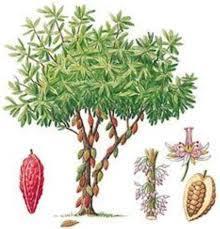
22In Mesoamerica the [blank_start]cocao[blank_end] plant was culturally important plant and continues to be important in the area.
- Acacao
23Fruit trees were thought to be some of the first plants domesticated and cultivated in:
- AMesooamerica
- BMesopotamia
24In Mesoamerica, the "three sister" crops grew. Corn provided a stalk for beans to grow while squash grew across the ground stopping weeds from growing. The beans also added nitrogen to the soil. This is known as [blank_start]companion[blank_end] planting.
- Acompanion
Información
- Descripción
- Use this quiz to test your knowledge of Food Solutions 1 & 2: Chapter 1 - Origins of food
- Autor
- Cynthia Kennedy
- Idioma
- English
- Visitas
- 266
- Etiquetas
- Valoración
- Aún sin valoraciones Valora este test