
Test
401004 PPE2 Week 5: Revision Quiz
Este test tiene tipos de pregunta que se abren en el reproductor de siempre.
Preguntas del test (18)
1What is the primary function of the heart?
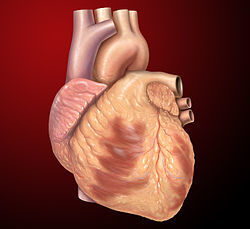
- ATo pump blood throughout the body to deliver oxygen and remove waste products
- BFor gas exchange to remove C02 and deliver 02
- CHelps to maintain homeostasis through the release of hormones
- DTo cause pains in the chest
2What is systemic circulation?
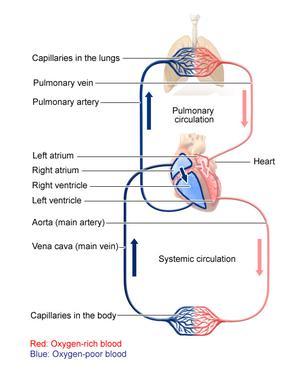
- AThe circulation of fluid within a system
- BDeoxygenated blood returning from the body is pumped from the heart to the lungs for gas exchange
- CBlood entering the ventricles
- DBlood pumped throughout the body to deliver nourishment to all body tissues
3What is pulmonary circulation
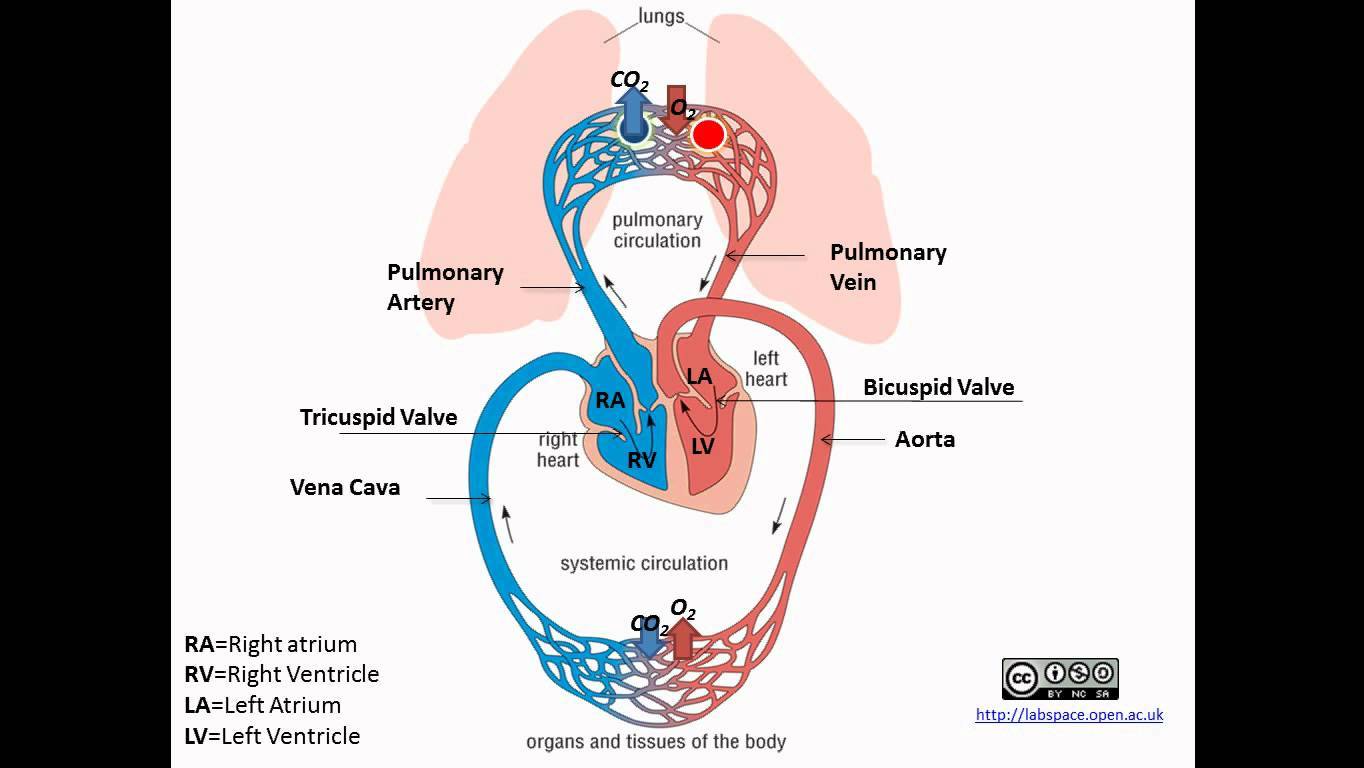
- ADeoxygenated blood returning from the body is pumped from the heart to the lungs for gas exchange
- BBlood pumped throughout the body to deliver nourishment to all body tissues
- CBlood entering the atria
- DFluid circulating within a system
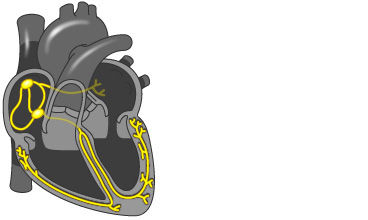
4What stimulates the heart to contract?
- AAdrenaline
- BAn electrical signal
- CNoradrenaline
- DSerotonin
5The heart has a natural pacemaker. What is it called and where is it located?
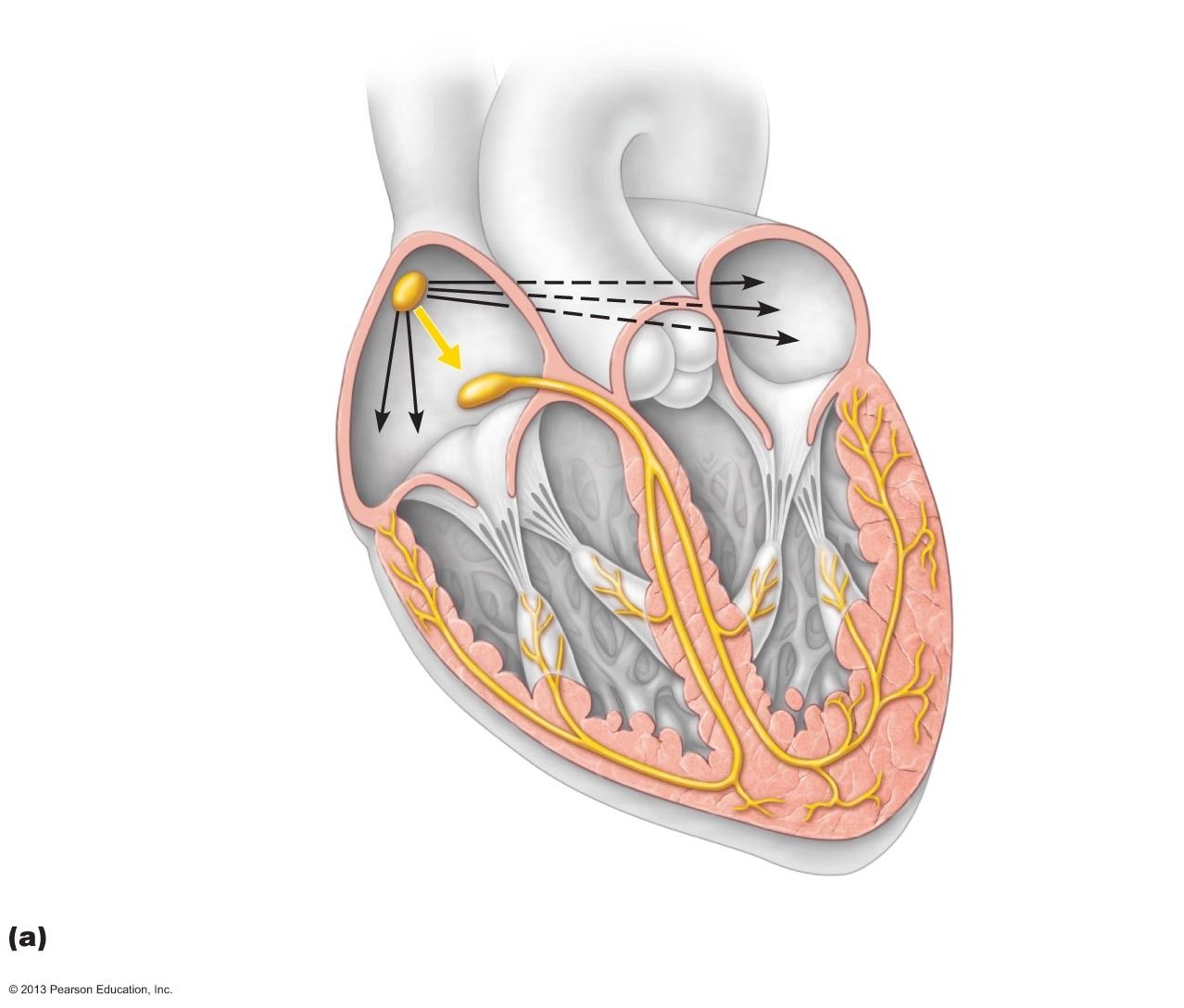
- AAtrioventricular node, floor of the right atrium
- BLymph nodes: Axillary, vcervical, inguinal and thymus
- CSinoatrial node, upper wall of the right atrium
- DInternodes, in the stem between nodes
6Label the main components of the cardiac conduction system.
- ASinoatrial (SA) node
- BAtrioventricular (AV) node
- CAtrioventricular (AV) bundle
- DRight and left bundle branches
- EPurkinje fibres
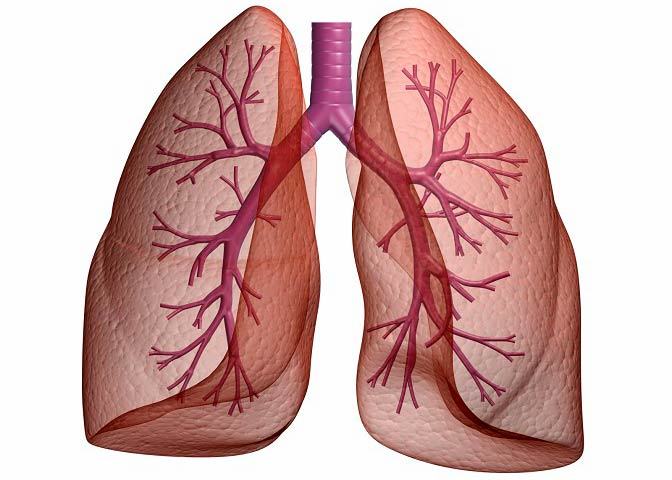
7Label the diagram below to reflect the path air moves through the respiratory system to reach the alveoli.
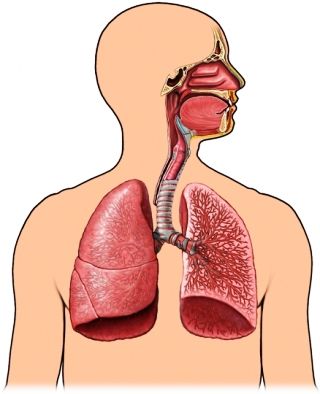
- ANasal cavity
- BPharynx
- CLarynx
- DTrachea
- EPrimary bronchus
- FSecondary bronchus
- GTertiary bronchhus
- HTerminal bronichioles
- IRespiratory bronchioles
- JAlveolar ducts
- KAlveoli
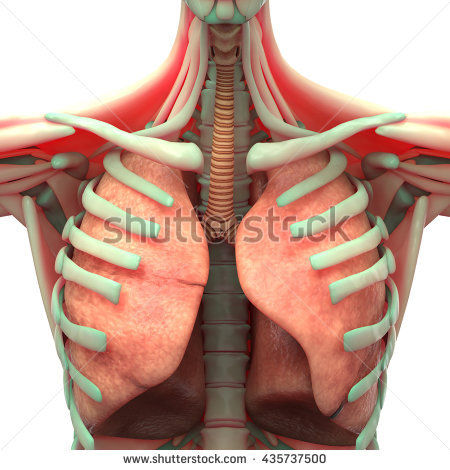
8What are the main muscles involved in pulmonary ventilation?
- AQuadriceps and hamstrings
- BDiaphragm and intercostal muscles
- CBiceps and triceps
- DTibialis anterior and gastrocnemius
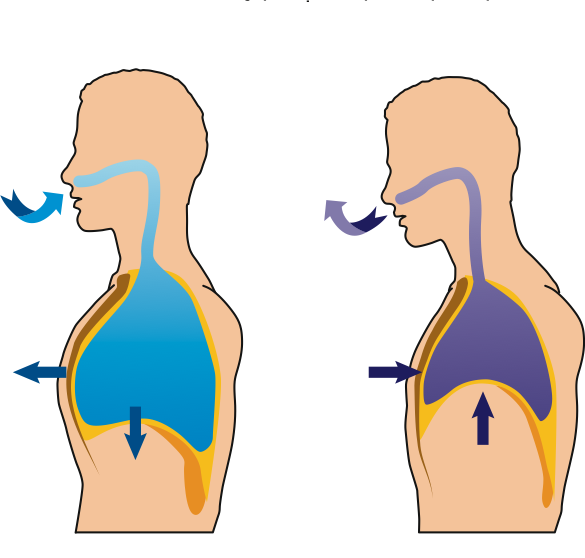
9What happens to the intercostal muscles and diaphragm on inspiration?
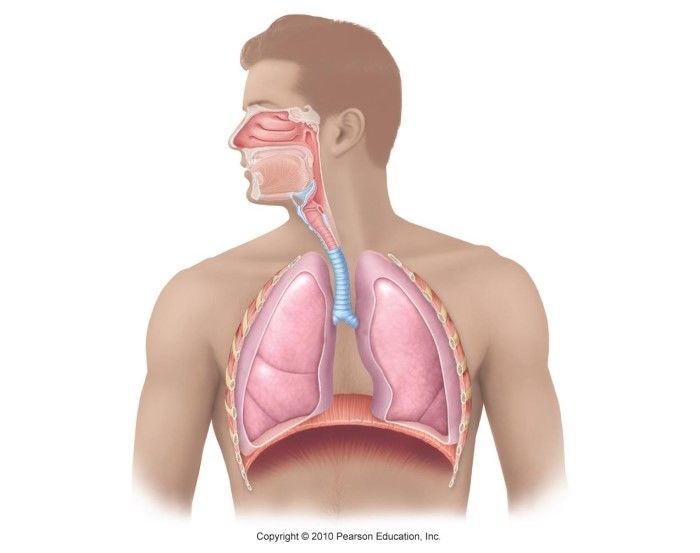
- AIntercostal muscles contract to elevate the sternum and rib cage. The diaphragm contracts downward and flattens.
- BNothing. It does not involve muscles contracting.
- CIntercostal muscles and diaphragm relax
- DThe intercostal muscles and diaphragm recoil due to the elasticity of lung tissue
10What happens to the intercostal muscles and diaphragm on expiration?
- ANothing, it does not involve muscles relaxing
- BIntercostal muscles contract to elevate the sternum and rib cage. The diaphragm contracts downward and flattens
- CIntercostal muscles relax causing the rib cage to return to its original position. The diaphragm relaxes and resumes its dome shape.
- DThe intercostal muscles relax and the diaphragm contracts to form a dome shape.
11What happens when inspiratory muscles contract?
- AThe thoracic cavity increases in length
- BThe thoracic cavity increases in diameter
- CThe volume of the thoracic cavity decreases
- DThe thoracic cavity increases in size and length
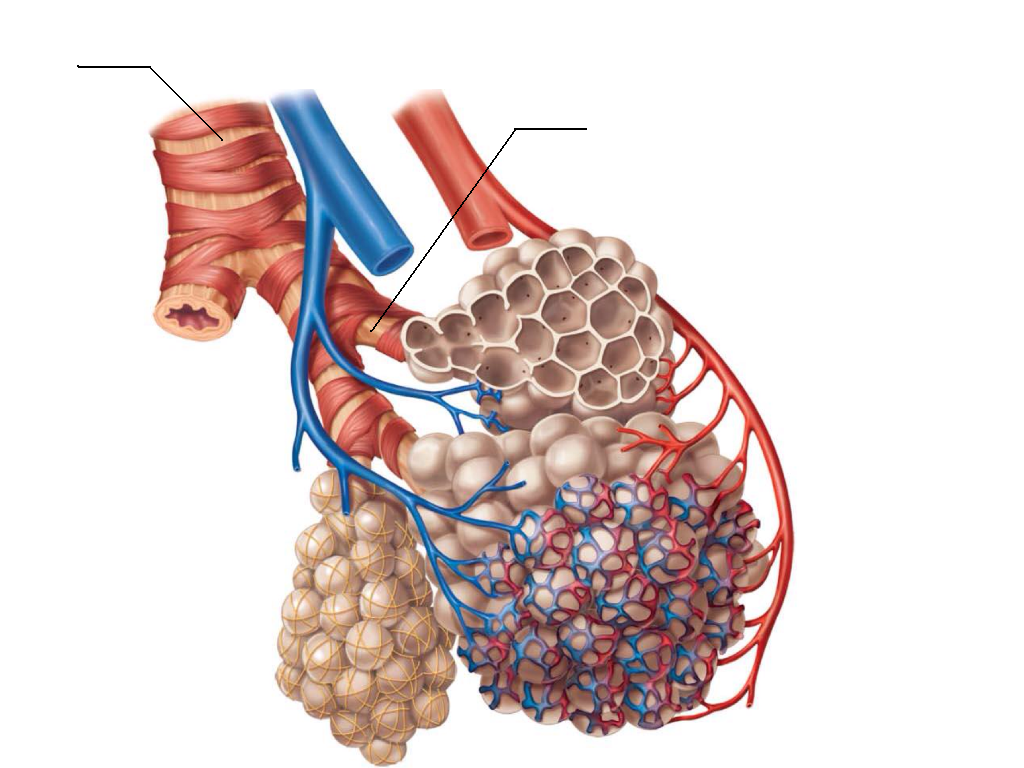
12What is the substance that prevents alveoli collapse between breaths by reducing the surface tension of the water film in the alveoli called?
- ASurfactant
- BReluctant
- CBile
- DInterstitial fluid
13What is glucose?
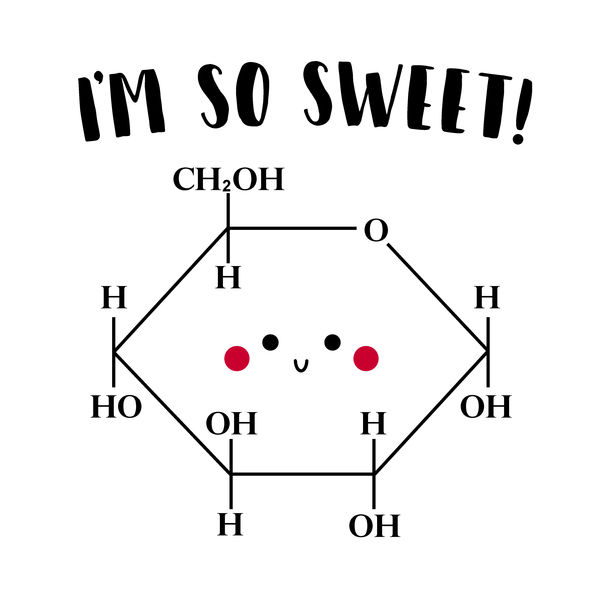
- ASugar
- BOne of the body's primary sources of energy
- CThe cause of diabetes
- DA catecholamine
14What is insulin and what is its main function?
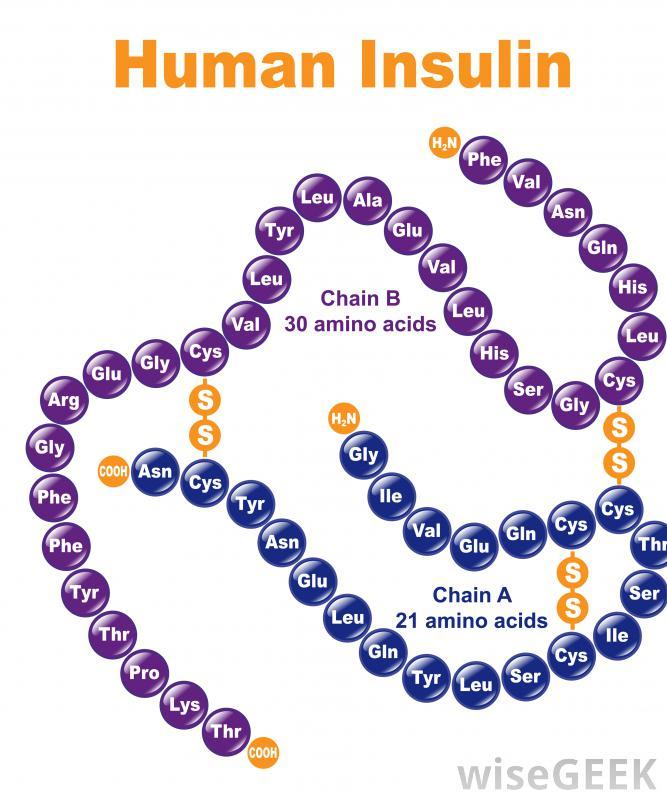
- AA hormone that stimulates the release of glucose into the bloodstream
- BA hormone that reduces gut motility so that absorption of nutrients is slowed
- CA hormone that promotes the release of glucogen and suppresses the release of insulin
- DA hormone that stimulates the uptake of glucose from the bloodstream by cells therefore lowering the blood glucose level
15What is the role of the pancreas as an endocrine gland?
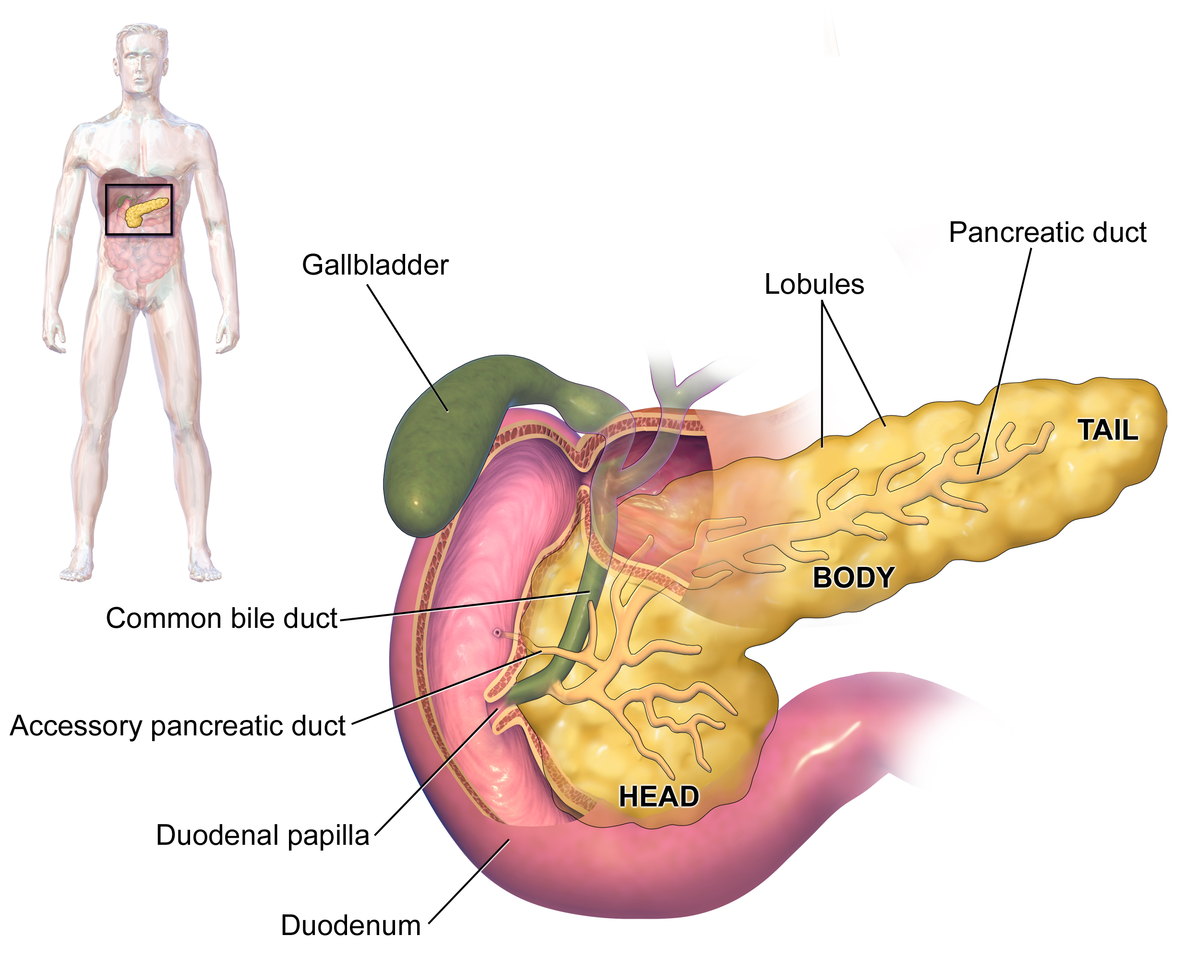
- ASecrets digestive enzymes to breakdown proteins, lipids, and carbohydrates
- BEnhances the uptake of glucose and conversion into glycogen for storage in the liver
- CSecrets hormones to regulate blood glucose such as insulin and glucagon
- DAssists in maintaining blood volume
16What is the acceptable range for a fasting blood glucose level?
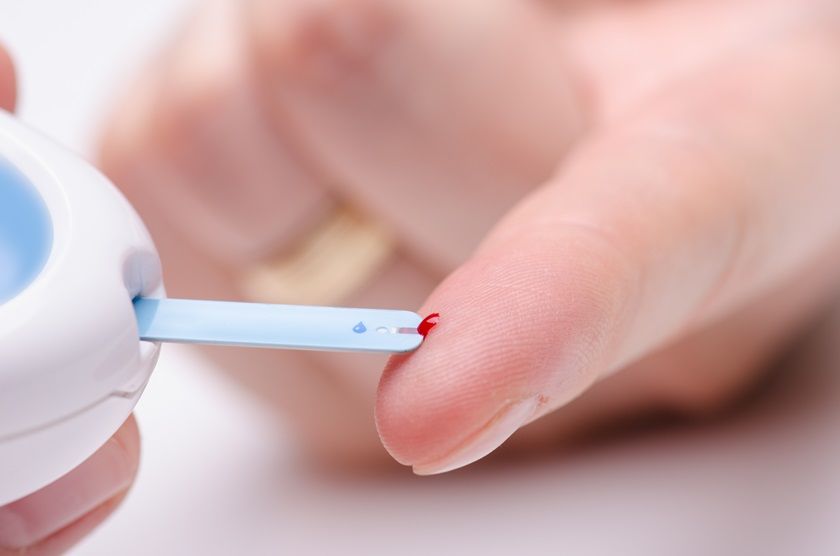
- A3.3mmol/L - 6.1mmol/L
- B12mmol/L - 18mmol/L
- C8.0mmol/L - 12mmol/L
- D1mmol/L - 5mmol/L
17What are the receptors that detect elevated blood glucose and where are they located?
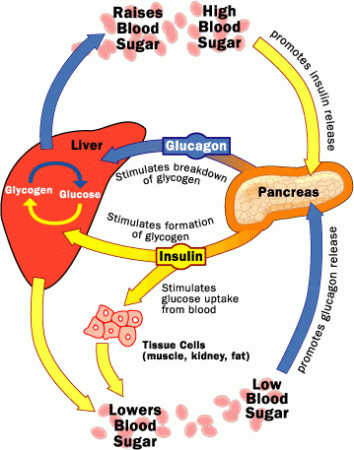
- AAlpha cells located in the pancreas
- BAlpha cells located in the heart
- CBeta cells located in the pancreas
- DBeta cells located in the lungs
18Why is it important to maintain blood glucose levels within normal range?
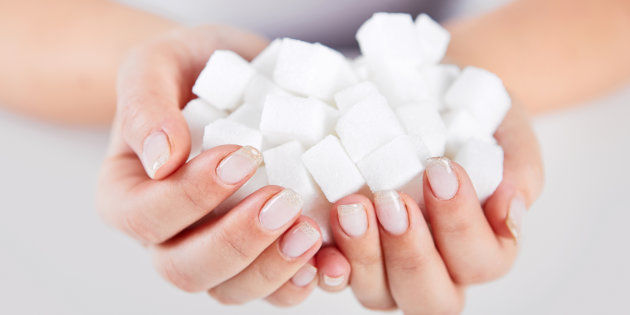
- AA low or high blood glucose level can compromise brain function to cause confusion
- BElevated blood glucose levels that do not naturally drop can lead to issues with blood pressure, kidneys, and eyesight
- CA low or high blood glucose levels can compromise nerve function that can result in tremors
- DAll of the above
Información
- Descripción
- This quiz is a revision of the cardiac, respiratory and endocrine systems. Please complete this quiz prior to your PPE2 week 5 session to help you in understanding content in the CPU.
- Autor
- Cris Algoso
- Idioma
- English
- Visitas
- 525
- Etiquetas
- Valoración
- Aún sin valoraciones Valora este test