
Flashcards
Neuroscience in Education

Cards in this deck (25)
- 1NeuroscienceInvestigates the processes by which the brain LEARNS and remembers, from the molecular and celular levels, to the brain systems.
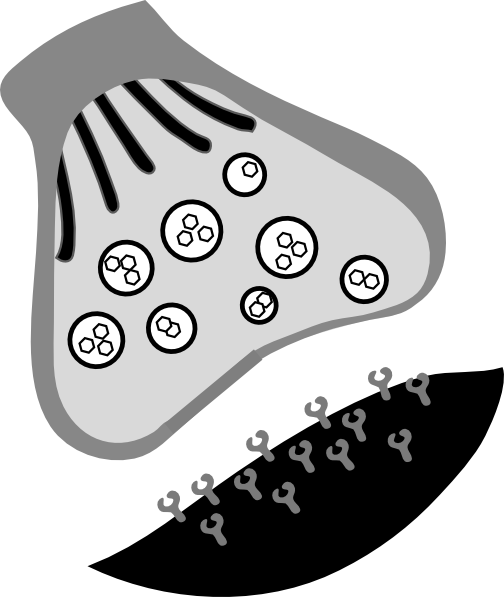
- 2SynapseThe way in which one brain cell CONNECTS to another.
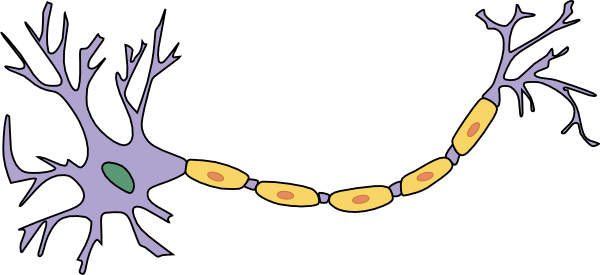
- 3Brain cells aka NeuronsTRANSMIT INFORMATION via electrical signals via synapses, triggering the release of neurotransmitters (chemical messengers)
- 4LearningBroadly comprises CHANGES IN CONNECTIVITY either via changes in potentiation at the synapse, or via the strengthening or pruning of connections
- 5Brain development- Prior to birth critical aspects are completed
- Following birth consists almost exclusively of the growth of axons, synapses and dendrites (fiber connections; this process is called SYNAPTOGENESIS
- 6Brain development patternConsists mainly of burst of synaptogenesis, peaks of density and then synapse rearrangement and stabilization with myelinization, occurring at different times and rates in different brain regions (different sensitive periods for the development of different types of knowledge).

- 7Why are there large individual differences between brains and their cognitive function?- The SIZE of different brain structures
- The # of neurons used to carry out various brain functions
- Considerable environmental differences
- 8—- FRONTAL LOBE: planning, reasoning, speech & emotional reactions
- TEMPORAL LOBE: memory, audition, language & object recognition
- PARIETAL LOBE: sense of touch, spatial processing & perception
- OCCIPITAL LOBE: vision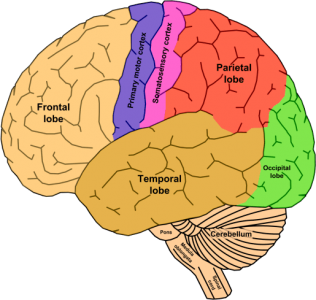
- 9TOOL: Neuroimaging studiesBased on the assumption that any cognitive task makes specific demands on the brain which will be met by changes in neural activity. These changes in activity affect local blood flow.
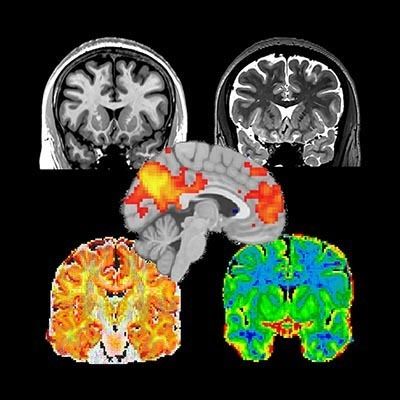
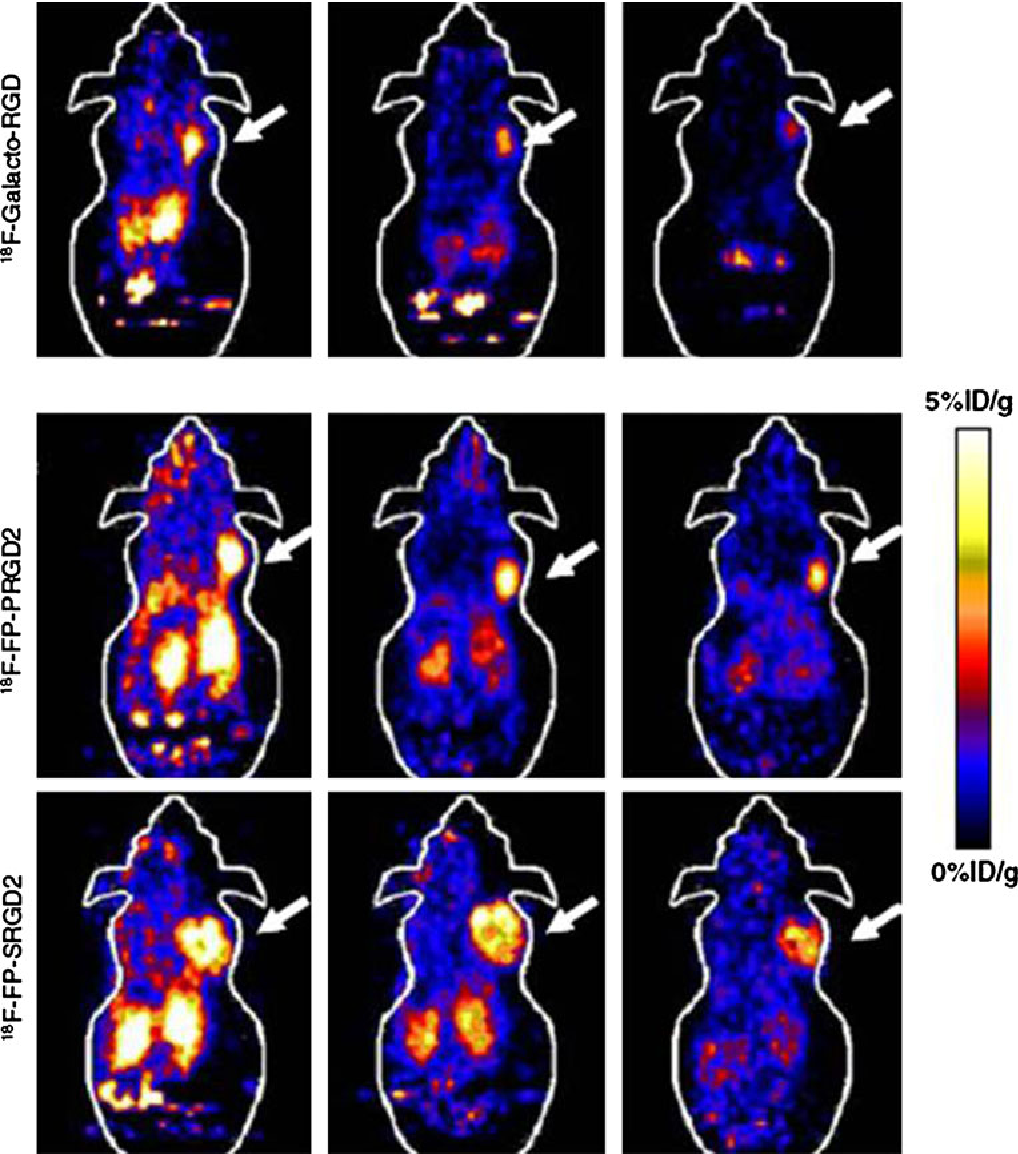
- 10TOOL: PET (Position Emission Tomography)Relies on the injection of radioactive tracers, highlighting the areas of the brain with higher blood flow and larger amounts of tracer. This enables the localization of various neural functions.
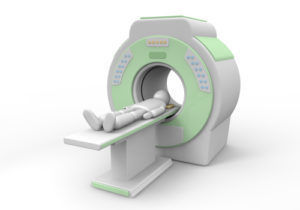
- 11TOOL: fMRI (Functional Magnetic Resonance Imaging)Enables localization of brain activity. The participant is inserted in a large magnet and works by measuring the magnetic resonance signal generated by protons of water molecules in neural cells. When blood flows to areas of the brain, water distribution also changes.
- 12MEASUREMENT: BOLD (Blood Oxygenation Level Dependent)A measurement enabled by the MRI, which measures the oxygenation state of hemoglobin associated with neural activity.
The measure of BOLD response is the outcome of most MRIs.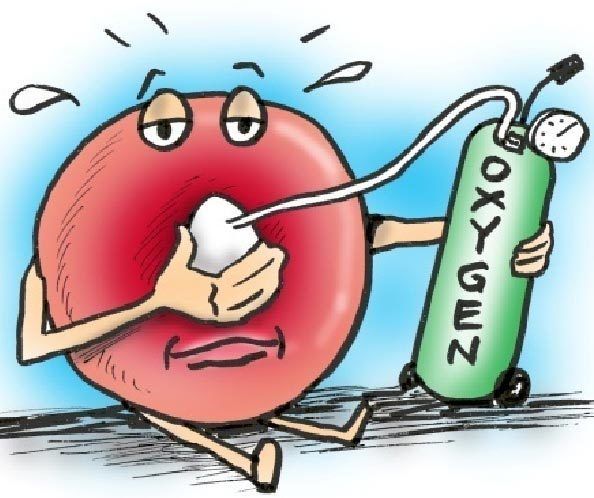
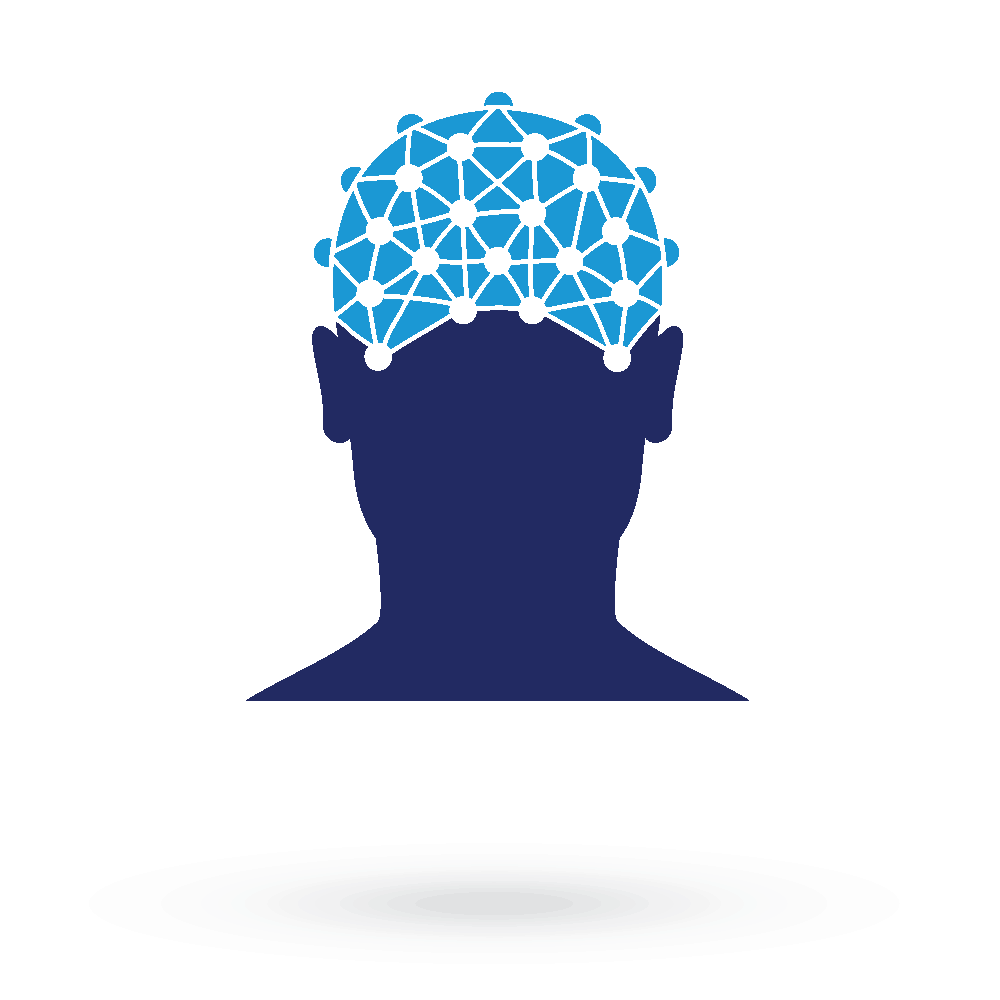
- 13TOOL: ERP Event Relate PotentialEnable the timing rather than the localization of neural events. Sensitive electrodes are placed on scalp, allowing recordings of brain activity.

- 14TOOL: ERP ElectroencephalograhySystematic reflections in electrical activity that may occur to precede, accompany or follow experimenter-determined events. ERP rhythms are time-locked to specific events designed to study cognitive function.
- 15The tools of cognitive neuroscience offer:- Early diagnosis of special education needs
- The monitoring and comparison of the effects of different kinds of education input on learning
- Increased understanding of individual differences in learning and the best way to input to the learner
- 16LANGUAGEAccurate vocal imitation appears to be critical for the development of speech.
The brain systems in charge of syntactic and grammatical processing are more vulnerable to altered language input than the brain systems in charge of semantic and lexical functions.
- 17READINGMajor systems in charge of reading alphabetic scripts:
- lateralized to the lateral hemisphere
- alphabetic/orthographical processing seems mainly associated with occipital, parietal and temporal areas.
- PHONOLOGICAL is focused on the temporo-parietal junction. - 18MATHEMATICSThere is more than one system for the representation of numbers

- 19The Direct Effects ofIncreasing neural representations in areas directly relevant to the skills involved. Examples:
-musical experience (enlarged cortical representations in the auditory cortex)
- Braille readers (more sensitive to tactile controls than controls)
- Gifted taxi drivers (enlarged hippocampus regions, involved in spatial perception and navigation)
- 20SLEEP & COGNITIONREM (Rapid Eye Movement) sleep is associated with self-reports of dreaming and learning and memory.
REM allows the consolidation of memories and forgetting of unnecessary material.
- 21Emotion and Cognition- The emotional brain is the limbic system.
- Learning is affected when learner is experiencing fear or stress.
- Stress or fear can cause affect social judgement and responses to reward and risk.
- Affects the ability to value the information being perceived.
- 22The lay belief in hemispheric differences ('left brain' vs. 'right brain' learning) NEUROThere are massive cross-hemisphere connections in the norma brain and both hemispheres work together in every cognitive task.

- 23The brain is only plastic for certain kinds of information during certain 'critical' periods, so education must occur during these periods. NEUROOptimal periods for certain types of learning clearly exist in development, but they are sensitive periods, rather than critical ones. The existence of these does not mean that an adult is incapable of acquiring skills later on in life.
- 24The most effective educational interventions need to be times with periods of synaptogenesis. NEUROAny kind of specific environmental stimulation causes the brain to form new connections, but it does not mean that greater synaptic density predicts a greater capacity to learn.
- 25BIBLIOGRAPHYGoswami, Usha. 2004. Annual Review - Neuroscience and education. British Journal of Education Psychology, 74 (1-14), Cambridge, UK. Retrieved from bps.org.uk
Information
- Description
- Neurolearning Flashcards on Neuroscience in Education, created by Colleen Rogers Keenan on 27/05/2018.
- Created by
- Colleen Rogers Keenan
- Views
- 73
- Tags
- Rating