
16637489
Description

Flashcards by Noelia Godinez, updated more than 1 year ago

|
Created by Noelia Godinez
about 7 years ago
|
|
| Question | Answer |
| Godínez Franco Noelia Patricia Yamila Torres Sarauz Ana Karime Aparicio Juarez | |
| If someone has copyright on a piece of writing or music, it is illegal to reproduce or perform it without their permission. | |
| To order a book one first had to get permission from the monastery that held the copyright. She threatened legal action for breach of copyright. | |
|
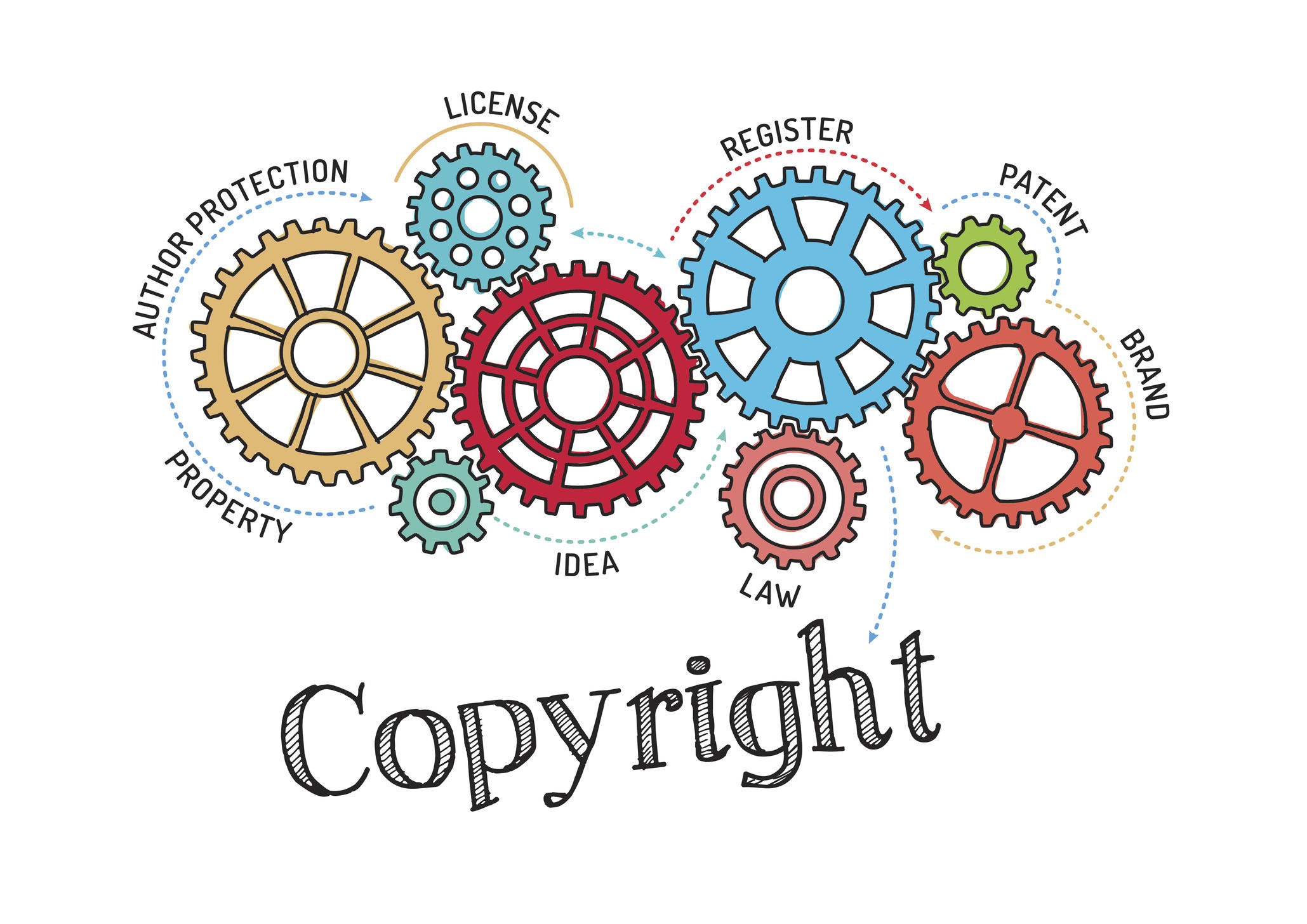
Image:
Copy 3 (binary/octet-stream)
|
Ignorance in what copyright laws prohibit. Following the models of the behavior of their peer group (“hey, have you seen that HBO episode yet? You can get it on Torrent.”) |
| And all of these are enabled by just how easy a personal computer makes copyright infringement these days. | |
| No one seems to understand (often because they choose not to) that all content on the internet is protected by copyright. So simple, yet so easy to ignore. After all, where do you actually ever see that message communicated to people? | |
|
Image:
Copy 5 (binary/octet-stream)
|
Although ignorance is not a defense, there are some exceptions to the copyright infringement laws. There is an exception called “fair use,” which is often associated with education. |
| Web sites can help you register a copyright for your works, and you can puts you in touch with an independent attorney who can answer questions about copyright infringement. Get started today. | |
| The steps to avoiding copyright infringement are quite simple: identify and protect original works, and educate family and/or employees about copyright infringement. | |
| if you are clearly stating an opinion, and not fact your statement should not be defamatory, truth is a defense to a defamation lawsuit | |
| Where you are losing out substantially, you can take the offender to court under the provisions of section 1498 of title 28. | |
|
Image:
Xopy (binary/octet-stream)
|
This grants temporary and final injunctions to prevent copyright infringement. Copyright is automatic, and exists from the moment of creation. |
| 1. Plagiarism, which can be resolved in court. 2. Ownership, details of which should be set out in your contract. | |
| 3. Website content stealing, which falls under copyright law and can go to court. 4. Creative Commons, freeware and shareware, for which you can gain protection through licenses and legal agreements. | |
| 5. Copyright provides lifetime protection and beyond, so you can sue for breach of copyright on older pieces of work. | |
| Ethical publication standars and principles, including adherence to the stipulations of copyright agreement, are key to the integrity of our life | |
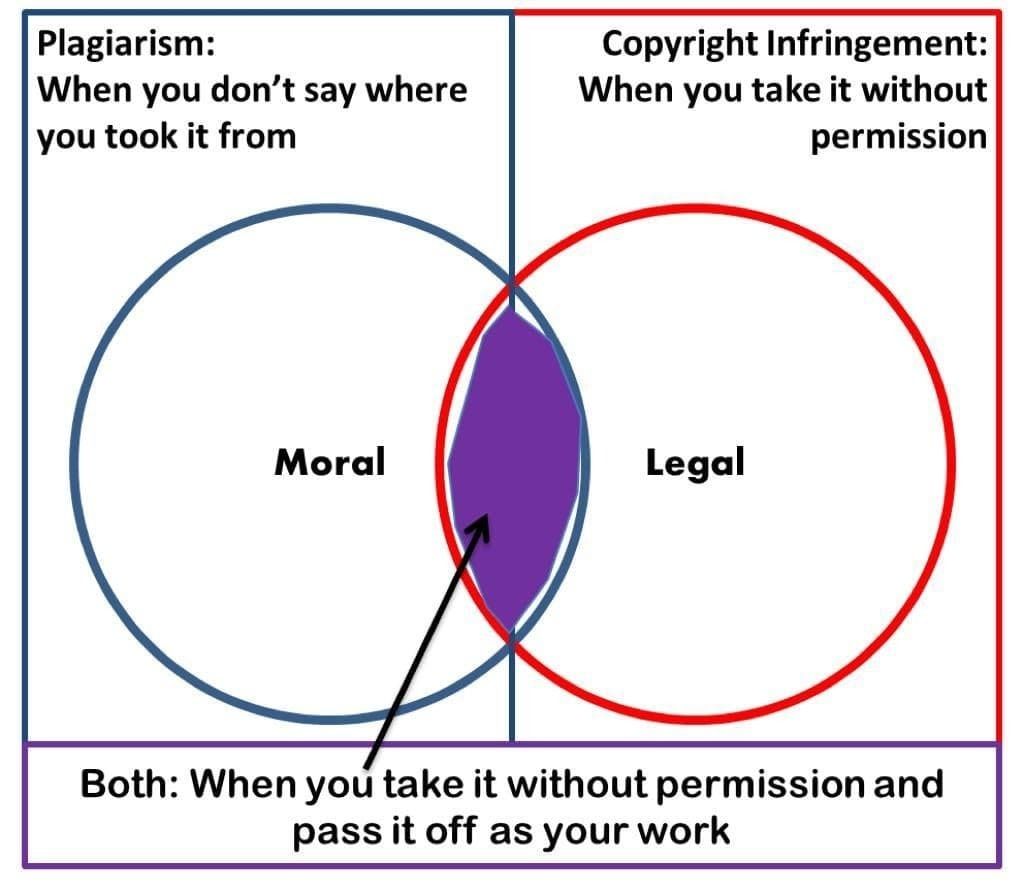
| Plagiarism has been the most direct encounter with the ethical problems that now seem to be plaguing our discipline | |
| Thou shalt not steal" 2 is an axiomatic rule of both law and morality for all societies | |
| Premise number one is first of all to try to create original content. Not only at the time of writing, but also for example to complete a post with a photograph or a gallery of images with a song. | |
| It is not enough to say that you have found it by searching on Google or Flickr, or that others also do it and nothing happens. | |
| Creative Commons A good method to do things "in the right way" is to use content with Creative Commons licenses. There are different types of licenses, some more restrictive than others. | |
| Ensure your work is properly marked. A correctly worded notice will deter infringement, as it states that the work is protected under law. | |
|
Image:
Awere (binary/octet-stream)
|
Although a copyright notice is not required, (work is automatically subject to copyright protection under law). |
| Register your work.If your work is infringed and your claim to copyright is disputed (i.e. in a plagiarism case - where the other party claims the work is theirs), you may need evidence to help prove your claim. | |
| Footprints or watermarking This is normally evidence inserted into finished documents that will identify the author in some way, such as deliberate mistakes, or hidden data that can be read using special applications. | |
| Computer-generated work is included - defined as "where the work is generated by computer in circumstances such that there is no human author of the work." The author is the person "by whom the arrangements necessary for the creation of the work are undertaken." | |
| Infringement of copyright. This basically means no reproduction (copying) of the work in any material form and includes performing, broadcasting, adapting, scanning into electronic format etc. This can also include plagiarism - where there are substantial similarities. It also includes software piracy. | |
| The text and images are used for educational purposes, all copyrights reserved. |







Want to create your own Flashcards for free with GoConqr? Learn more.