
Flashcards
Listening difficulties
Cards in this deck (17)
- 1Katy Burgos000103492
- 2—Listening difficulties

- 3IntroductionTraining our students to develop their listening skills can be difficult and requires special attention. Students should be exposed to the language and make the practice of listening skill an enjoyable task in class. A good listener is a good responder.
- 4—Listening

- 5What makes listening difficult?As teachers, when we are planning and designing our classes, in this case Listening classes, we need to take into consideration a number of special characteristics, for example, special attention factors, because they highly influence the process of comprehension.
- 6—The following eight characteristics and their difficulties of spoken language are adapted from “Teaching listening Comprehension”, Penny Ur, 1984.
- 7ClusteringDue to memory limitations and our predisposition for “chunking” or clustering, we break down speech into smaller groups of words. Sometimes second language learners will try to retain overly long constituents, or they will go wrong in the other direction in trying to attend to every word in an utterance.
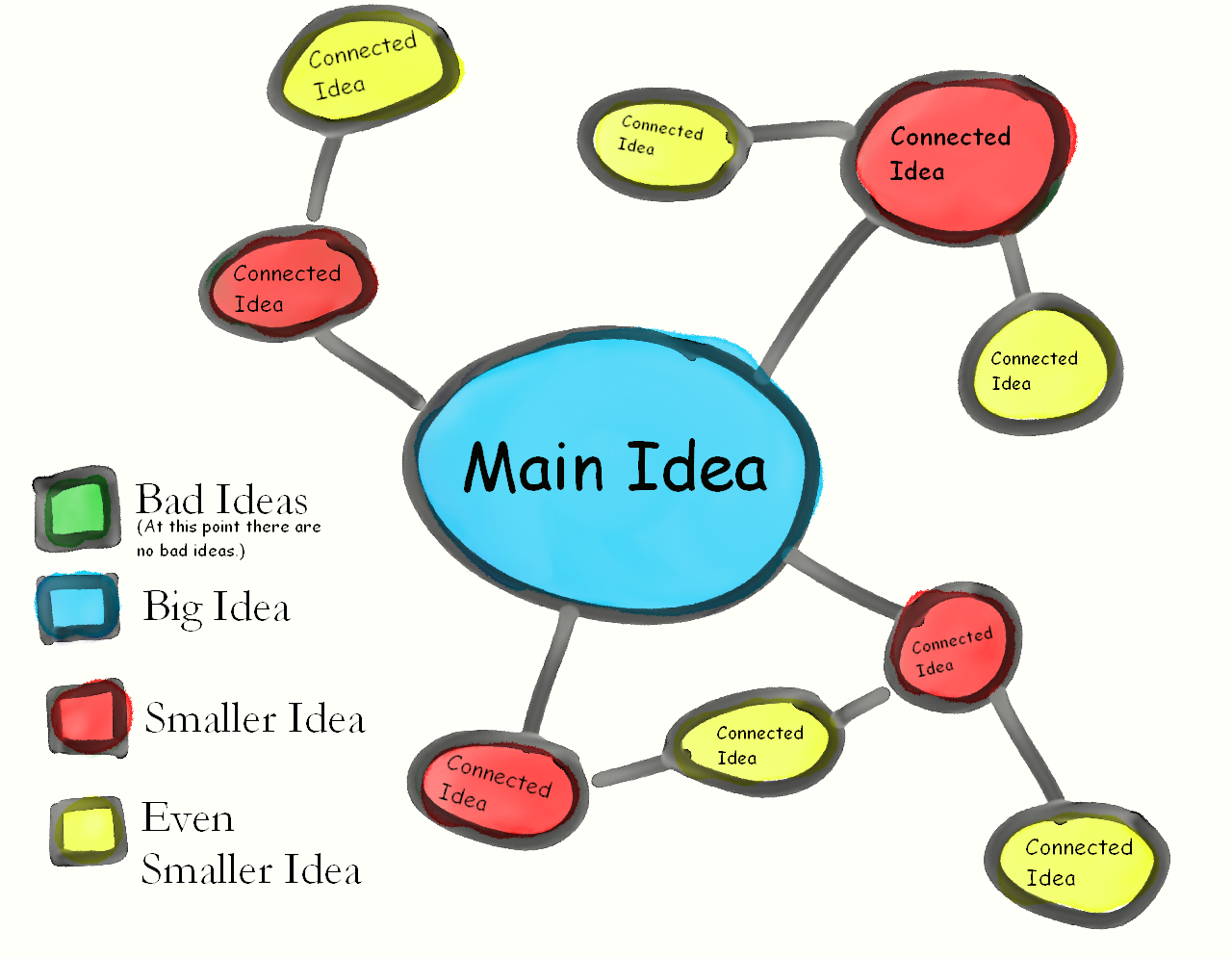
- 8RedundancyMost written language, has a good deal of redundancy. Learners can train themselves to profit from such redundancy by first becoming aware that not every new sentence or phrase will necessarily contain new information and by looking for the signals of redundancy.

- 9—
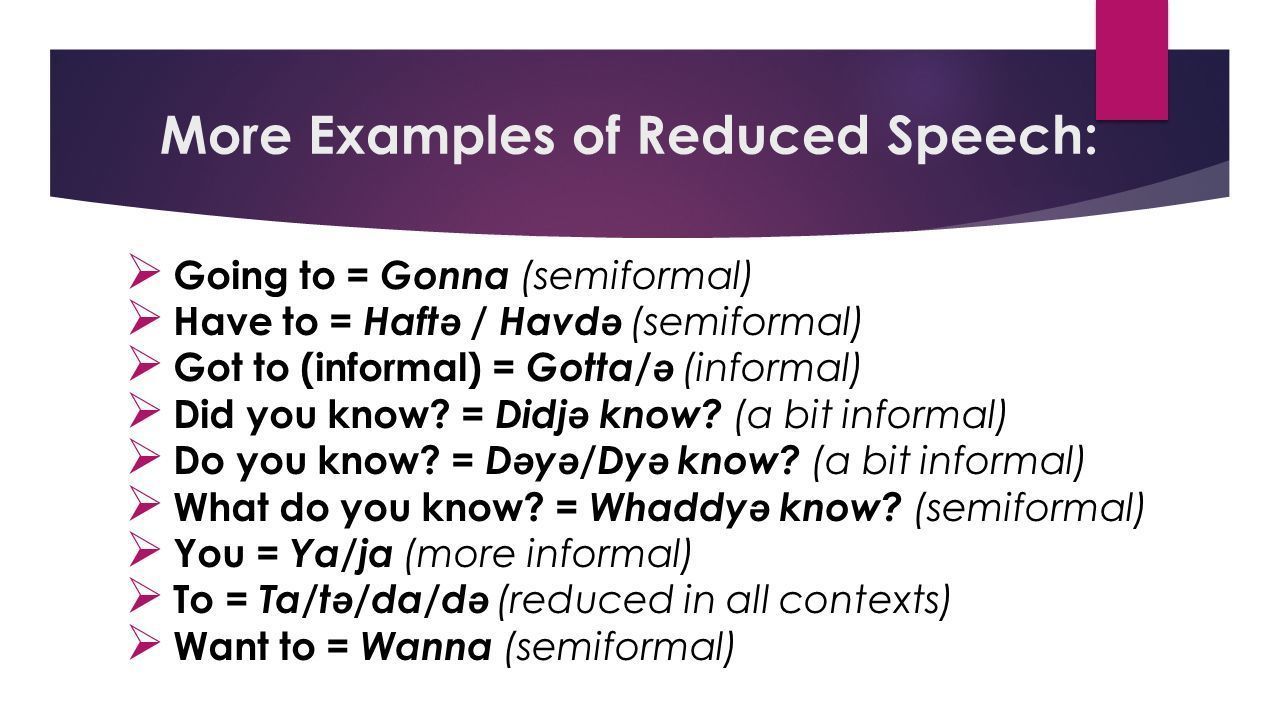
- 10Reduced FormsReduction can be phonological, for example, “djeetyet?” for “Did you eat yet?”. These reductions pose significant difficulties especially to classroom learners who may have initially been exposed to the full forms of the English language.
- 11Performance VariablesNative listeners are conditioned from very young ages to “weed out” such performance variables whereas they can easily interfere with comprehension in second language learners. They have to train themselves to listen for meaning in the midst of all these distracting performance variables. Everyday casual speech by native speakers also commonly contains ungrammatical forms.
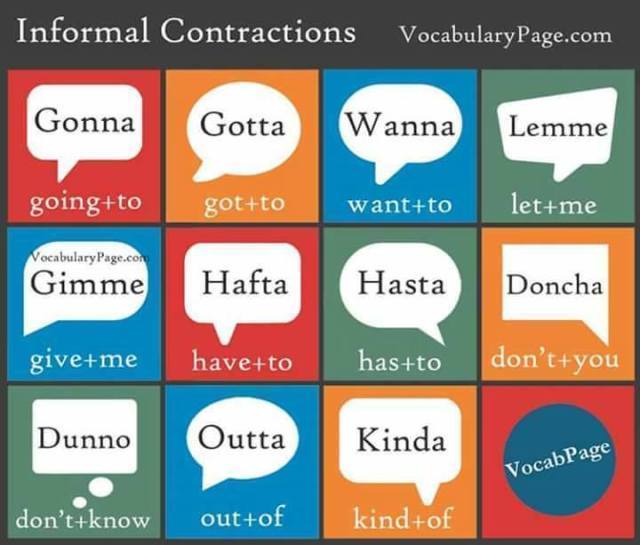
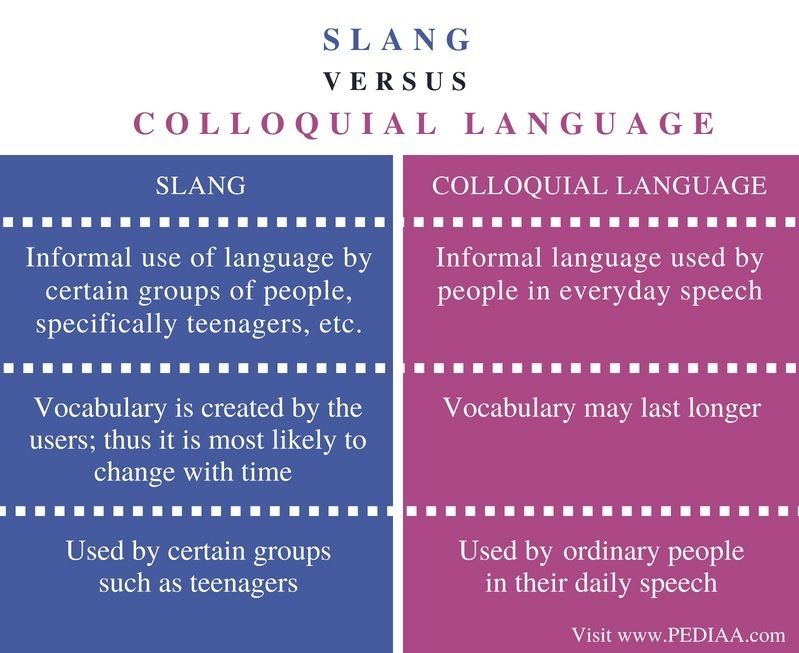
- 12Colloquial languageWith colloquial language. Idioms, slang, reduced forms, shared cultural knowledge are all manifested at some point in conversations. Colloquialisms appear in both monologues and dialogues.
- 13Rate of DeliveryTo stop the speaker. Instead, the stream of speech will continue to flow. The number and length of pauses used by a speaker is more crucial to comprehension that sheer speed. When listening, the learner may not always have the opportunity
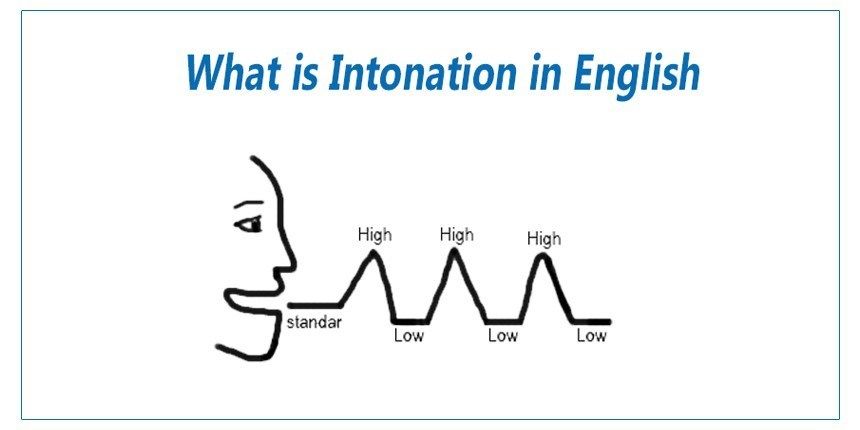
- 14Stress, rhythm and intonationThe prosodic features of the English language are very important for comprehension. As a stress-timed language, English speech can be a terror of some learners as mouthfuls of syllables come spilling out between stress points.
- 15InteractionLearn to listen is also learn to respond. Classroom techniques that include listening components must at some point include instruction in the two-way nature of listening. Students need to understand that good listeners are good responders.

- 16ConclusionThe teacher is an invaluable source of listening practice.
For that reason, we should always think about what to say and how to say in order to help students in the listening process. There has to be a balance between what the teacher says and what the student is learning. We have to give students space to talk and improve their ability to communicate. - 17Sources-Brown, H. Douglas, (1994). Teaching by Principles, An Interactive Approach to Language Pedagogy. Upper Saddle River, New Jersey. Prentice Hall.
-Gower, Roger; Phillips, Diane; Walters, Steve, (1995). Teaching Practice Handbook. United Kingdom, Oxford. MacMillan Heinemann.
Information
- Description
- Flashcards on Listening difficulties, created by Alejandra Burgos on 30/09/2020.
- Created by
- Alejandra Burgos · Sep 2020
- Updated
- Oct 1, 2020
- Views
- 2
- Rating