
Flashcards
Geometry Chapter 3
Cards in this deck (49)
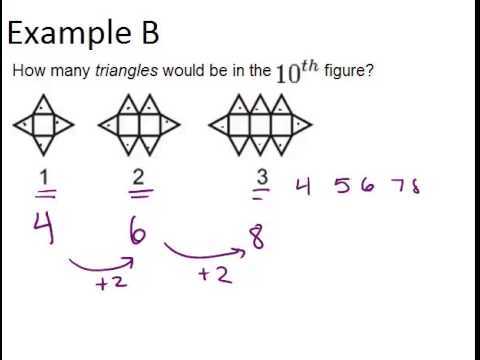
- 1Inductive ReasoningBased on patterns, observations, and assumptions (what you believe to be true but it hasn't been proven).
- 2Deductive ReasoningBased on facts, definitions, and postulates. It is proven to be true.
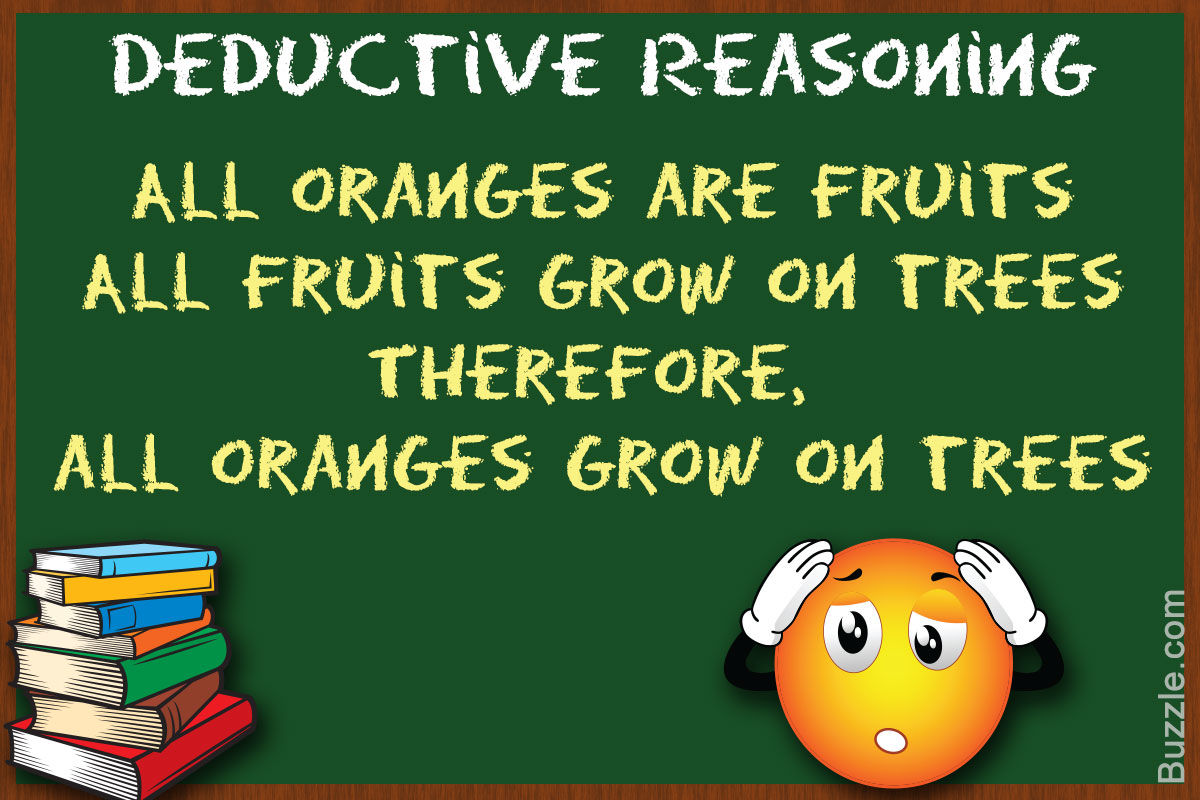
- 3ConjectureAn educated statement that is based on well known information. It is believed to be true but is not yet proven.

- 4CounterexampleAn example that proves a conjecture to be false. It can be a drawing, statement, or number.
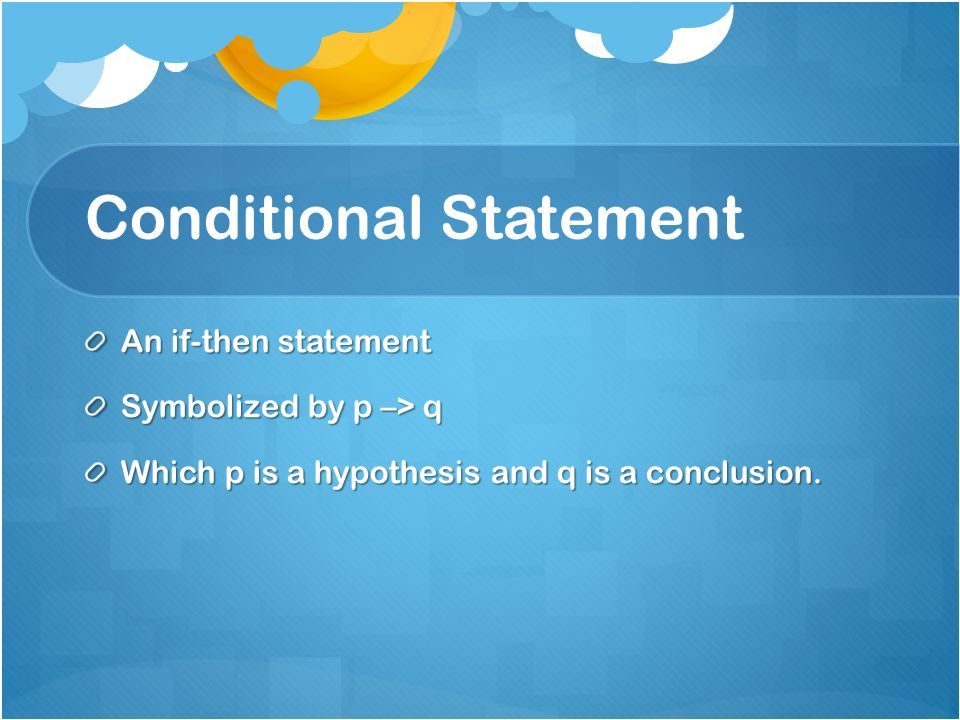
- 5Conditional StatementAn if-then statement. The original statement. If p, then q.
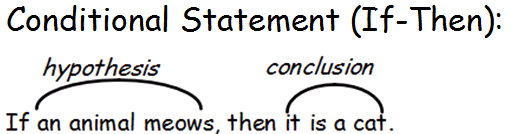
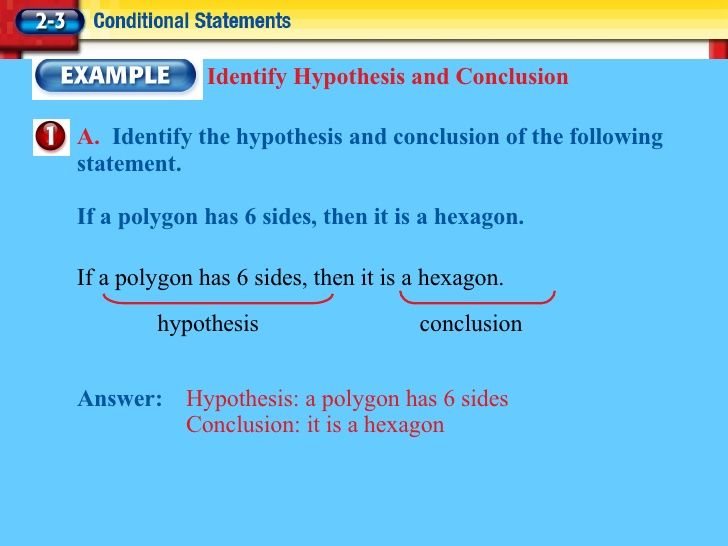
- 6HypothesisThe part "p" of a conditional statement following but not including the word "if."
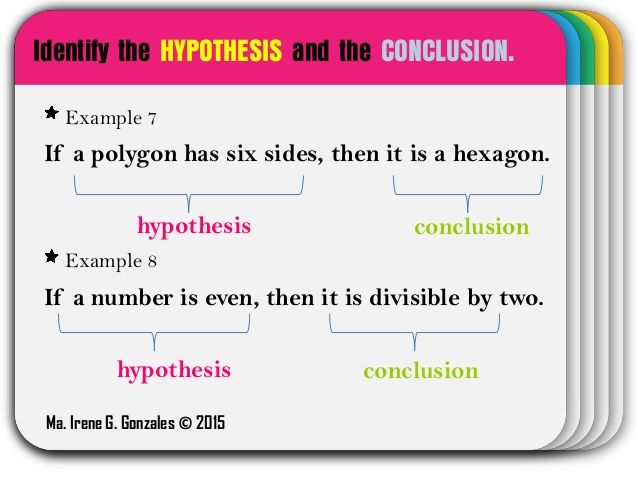
- 7ConclusionThe part "q" of a conditional statement following but not including the word "then."
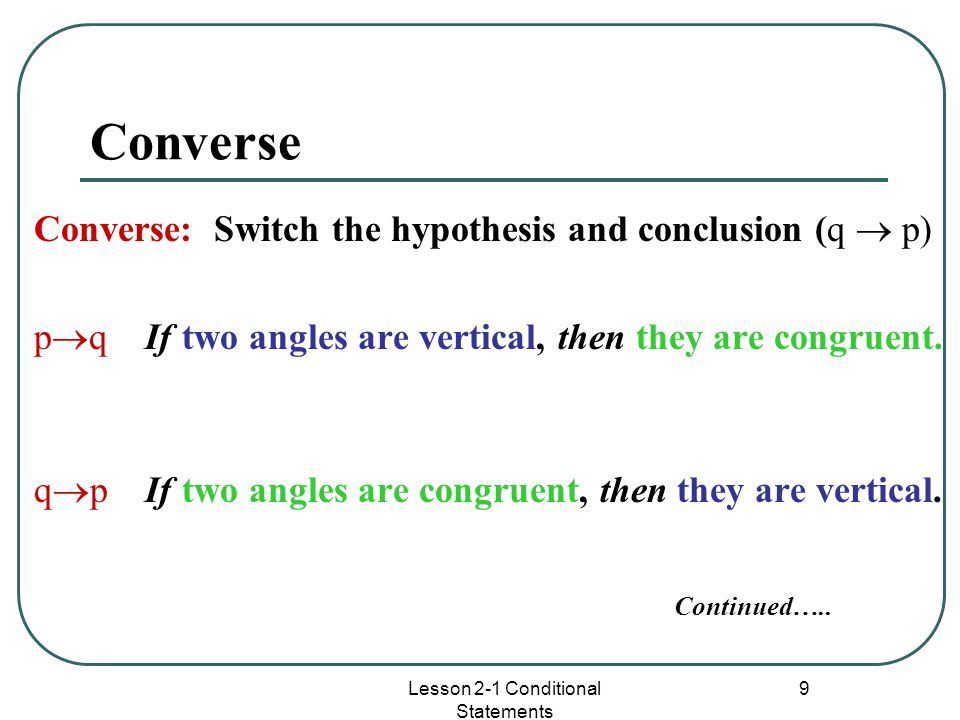
- 8ConverseSwitch the hypothesis and conclusion around. If q, then p.
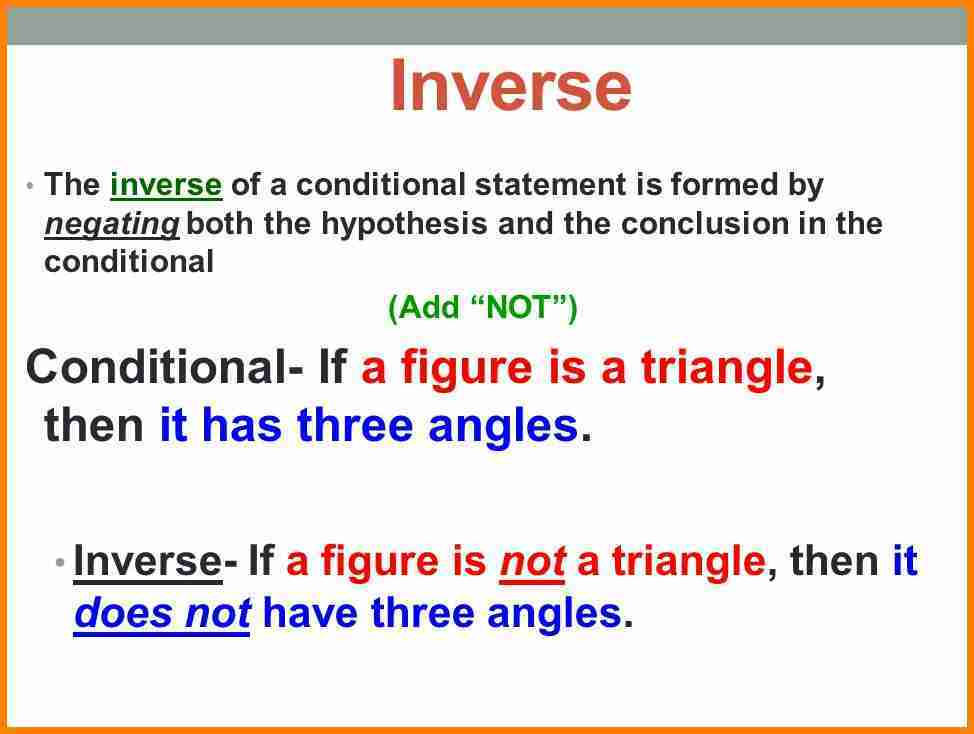
- 9InverseAdd "not" in front of the hypothesis and add "not" in front of the conclusion. If not p, then not q.
- 10Contrapositive"Switch" the hypothesis and conclusion around and add "not" in front of the hypothesis and add "not" in front of the conclusion. If not q, then not p.
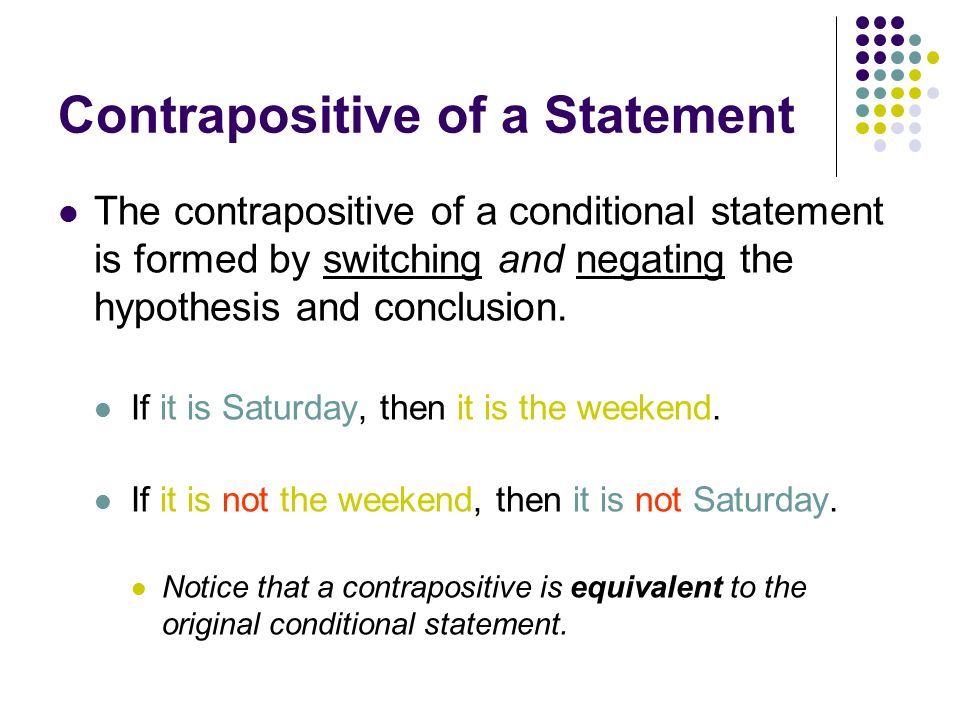
- 11The Conditional Statement (original statement) and the ContrapositiveThe conditional statement and the contrapositive go together, they have the same truth value. Either they are both false or both true.
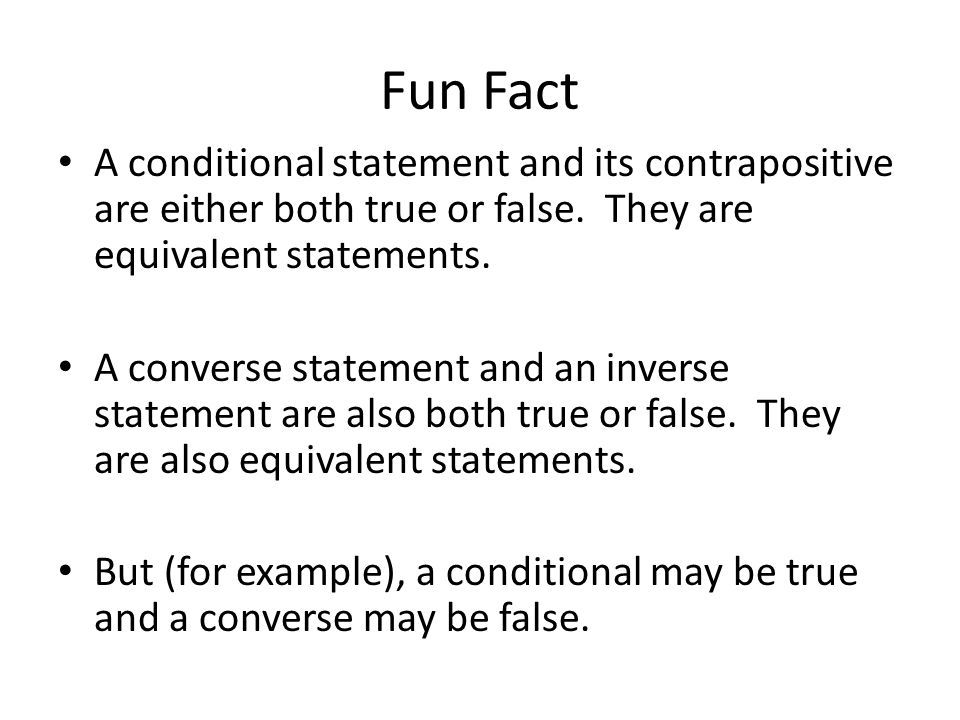
- 12The Inverse and the ConverseThe inverse and the converse both go together. They have the same truth value. Either they are both false or both true.
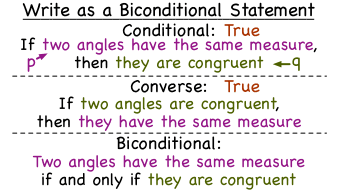
- 13Bi-conditional StatementBi-conditional statement: "p if and only if q." If the conditional and converse statements are true, then you write a bi-conditional statement.
- 14Addition POE (Property of Equality)If a = b, then a +c = b + c.
If 4x -2 = 5, then 4x =7. You just have to think to yourself, "How did they get from 4x -2= 5 to 4x =7, well they just added 2." So that is why this is called the "Addition POE!"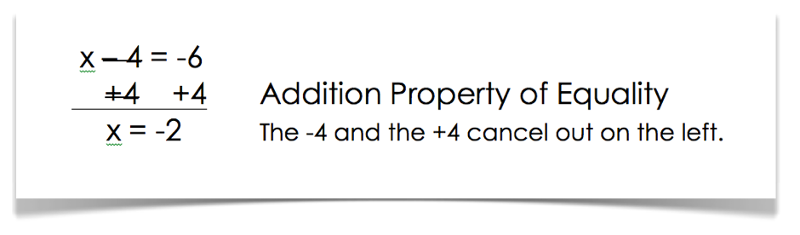
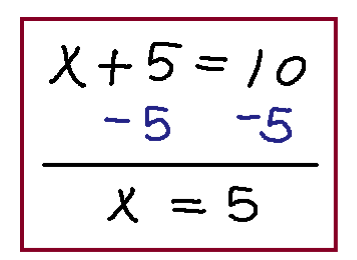
- 15Subtraction POE (Property of Equality)If a = b, then a -c = b -c. If 6x + 2 =5, then 6x = 3. You just have to think to yourself, "How did they get from 6x + 2 = 5 to 6x = 3?" Well they just subtracted 2. " So that is why this is called the "Subtraction POE."
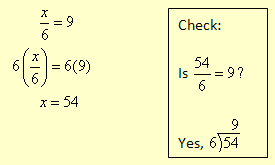
- 16Multiplication POE (Property of Equality)If a = b, then ac = bc. If x/3= 5, then x=15. You just have to think to yourself, "How did they get 15?" Well, they just multiplied both sides by 3, and that is how they got x = 15. So that is why this is called the "Multiplication POE."
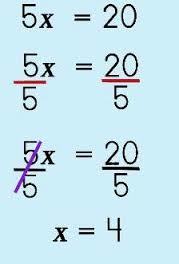
- 17Division POE (Property of Equality)If a = b, and c does not equal 0, then a/c = b/c. If 2x = 10, then x = 5. You just have to think to yourself, "How did they get from 2x = 10 to x = 5?" Well they just divided by 2, so that is how they got x =5. That is why this is called the "Division POE."
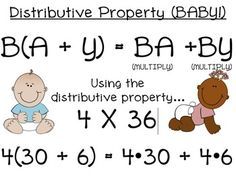
- 18Distributive POE (Property of Equality)a(b + c)=ab + ac. If 5(x -2) =20, then 5x -10 =20. So you just have to think to yourself, "How did they get from 5(x -2) = 20 to 5x -10 =20?" Well, all they did was multiply 5 to the x and 5 to the -2, so that is how they got 5x - 10 =20. That is why this is called the "Distributive POE."
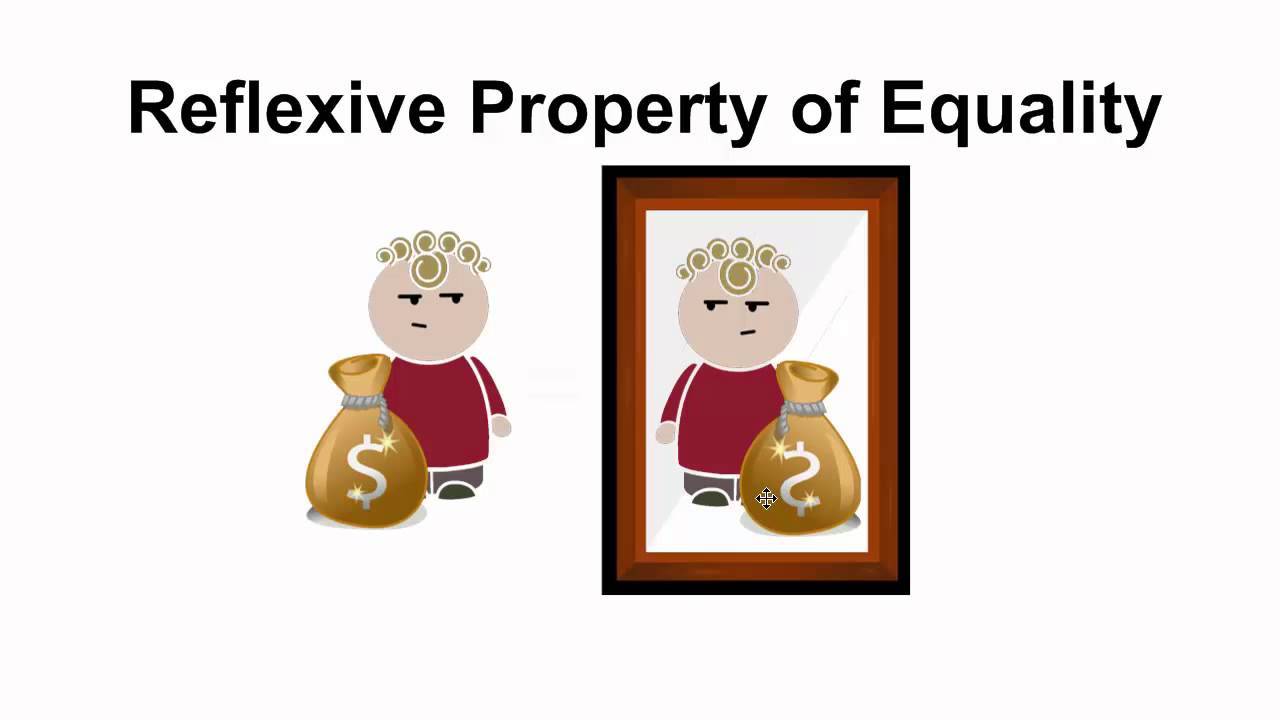
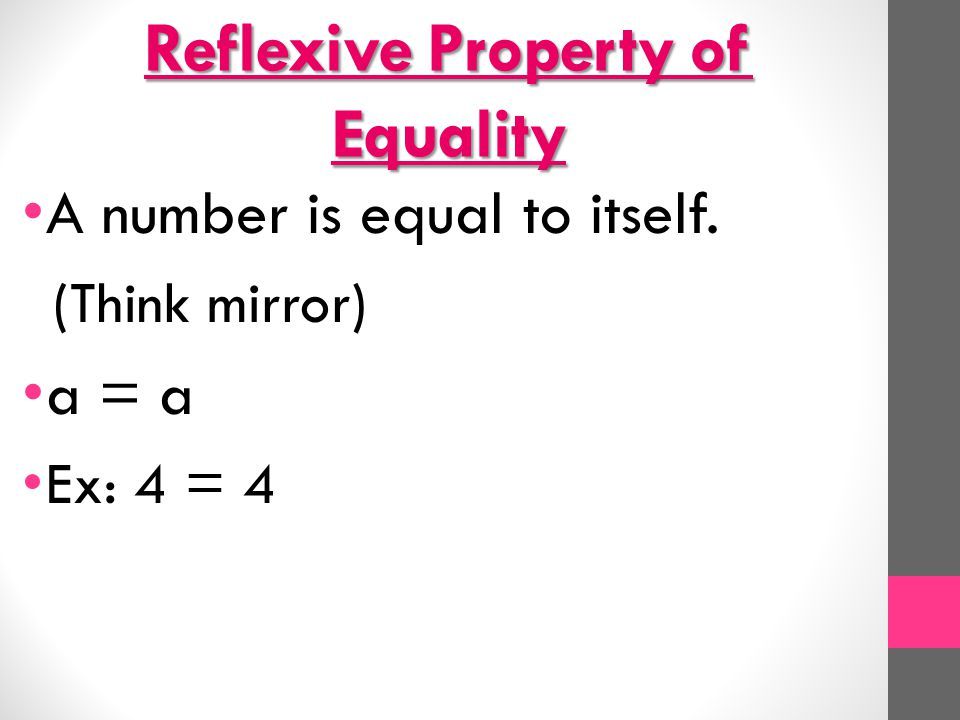
- 19Reflexive POE (Property of Equality)When you think of this property, think of when you look in the mirror, you see yourself. You see your reflection. A= A or AB = AB. It equals itself.
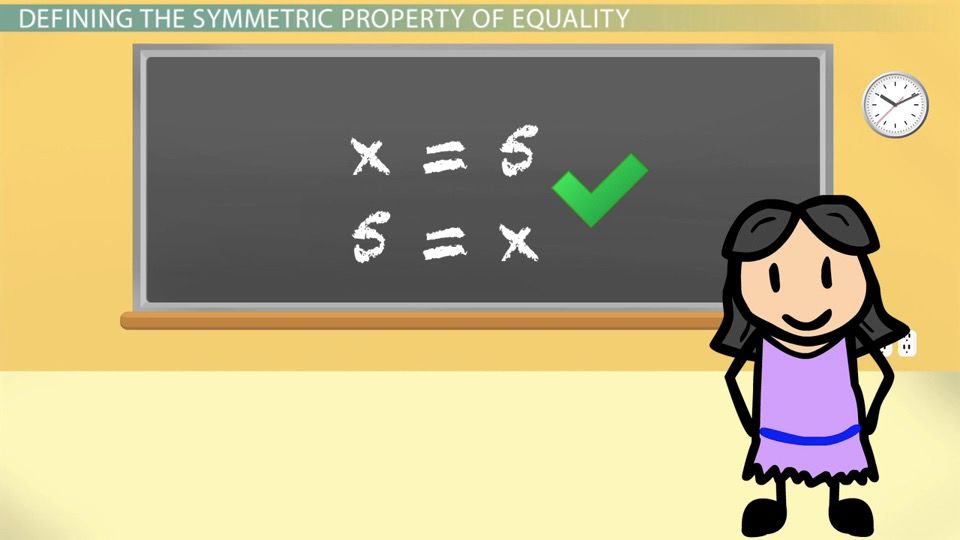
- 20Symmetric POE (Property of Equality)For this property just remember that you flip them around. If a = b, then b = a, all we did was switch or flipped them around.
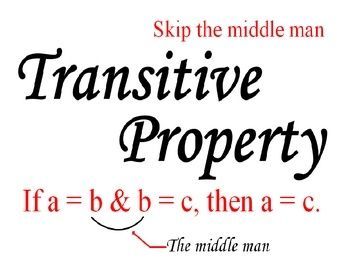
- 21Transitive POE (Property of Equality)If a = b and b =c, then a = c. If x =2 and 2 =y, then x = y.
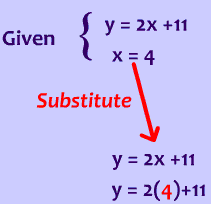
- 22Substitution POE (Property of Equality)If a = b, then b can be substituted for a in any expression. For this property you are just replacing something. If x =5 and 20 = x + 15, then we have 20 = 5 + 15. So all we did was replace the x with the number 5.
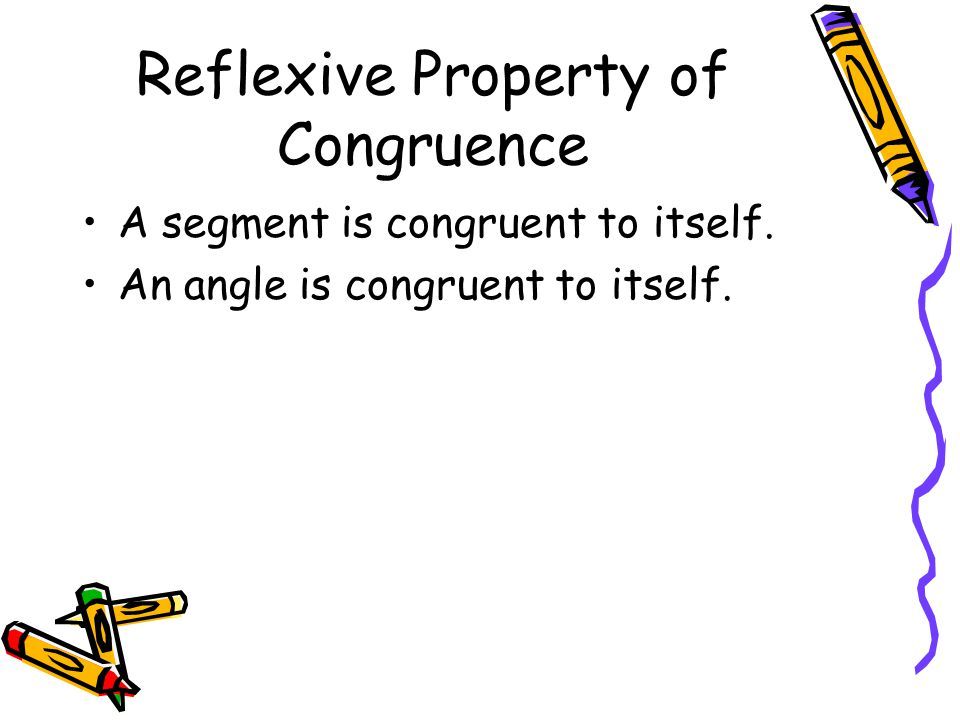
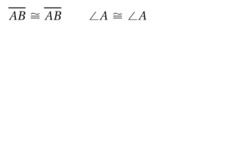
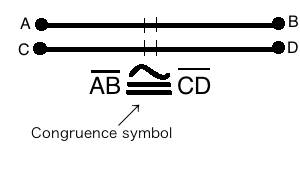
- 23Reflexive POC (Property of Congruence)Figure A is congruent to Figure A. Segment AB is congruent to Segment AB. For this property just think reflection and looking in the mirror you see yourself.
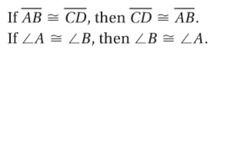
- 24Symmetric POC (Property of Congruence)If figure A is congruent to figure B, then figure B is congruent to figure A. If angle A is congruent to angle B, then angle B is congruent to angle A.
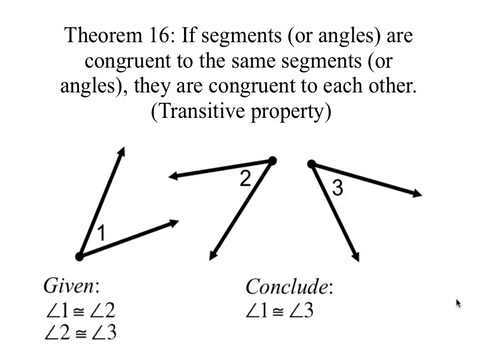
- 25Transitive POC (Property of Congruence)If figure A is congruent to figure B and figure B is congruent to figure C, then figure A is congruent to figure C. If angle A is congruent to angle B and angle B is congruent to angle C, then angle A is congruent to angle C.
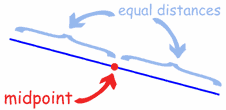
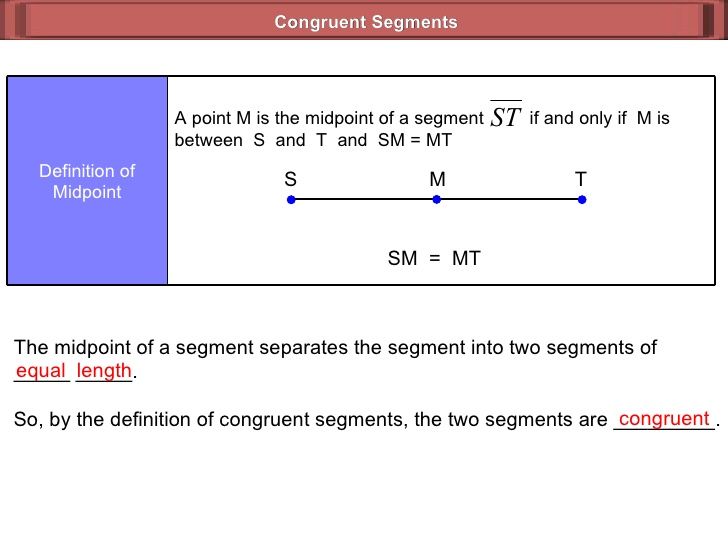
- 26Definition of MidpointIf a point is a midpoint, then it divides a segment into two congruent parts.
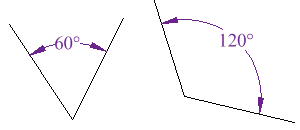
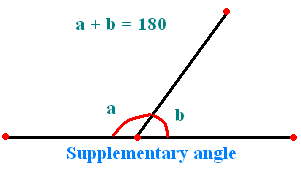
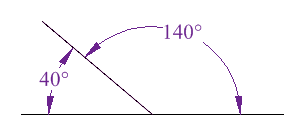
- 27Definition of Supplementary AnglesIf two angles are supplementary, then they have a sum of 180 degrees.
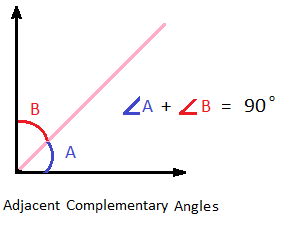
- 28Definition of Complementary AnglesIf two angles are complementary, then they have a sum of 90 degrees.
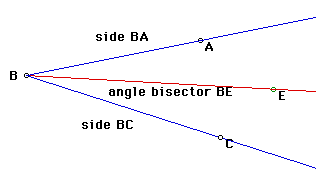
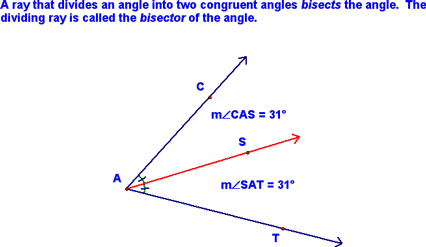
- 29Definition of Angle BisectorIf a segment is bisected, then it is divided into two congruent angles. Remember the word "Bisect" means to cut into two equal parts.
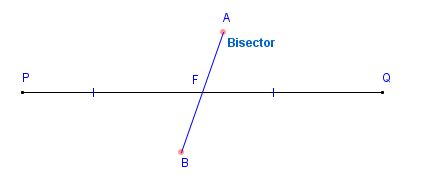
- 30Definition of Segment BisectorIf a segment is bisected, then it is divided into two congruent segments. Remember the word "Bisects" means to cut into two equal parts.
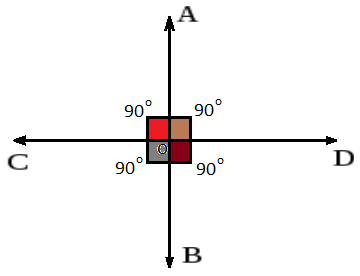
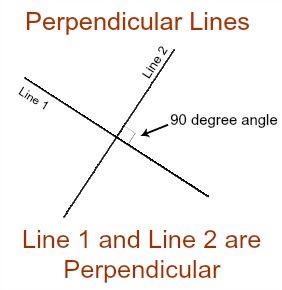
- 31Definition of PerpendicularIf lines form right angles at their intersection (the word intersection means they cross each other) then they are perpendicular.
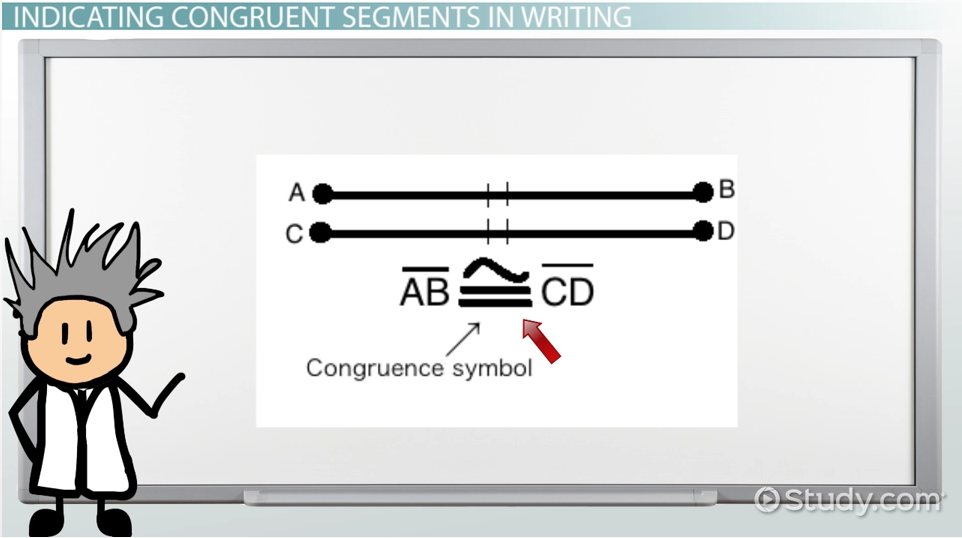
- 32Definition of CongruenceIf two figures are congruent, they they have the same measure or length.
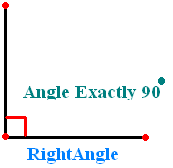
- 33Definition of Right AngleIf an angle is right, then it measures 90 degrees.
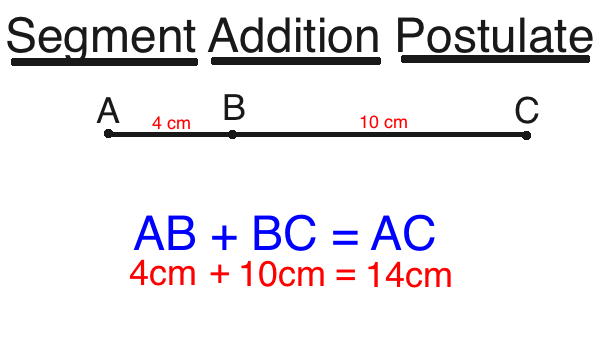
- 34Segment Addition PostulateIf B is between A and C, then AB + BC = AC.
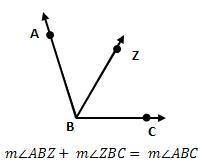
- 35Angle Addition PostulateIf X is in the interior of angle ABC, then the measure of angle ABX + the measure of angle XBC = the measure of angle ABC.
- 36Linear Pairs TheoremIf two angles form a linear pair, then they are supplementary.
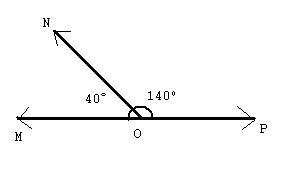
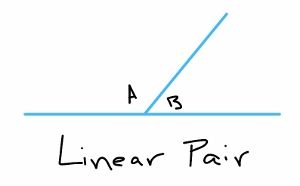
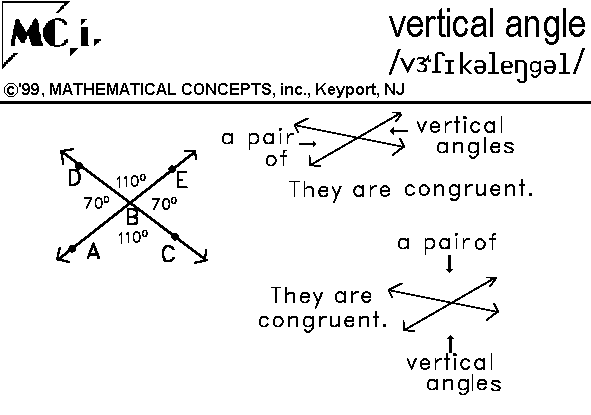
- 37Vertical Angles TheoremIf two angles are vertical, then they are congruent.
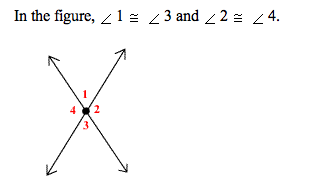
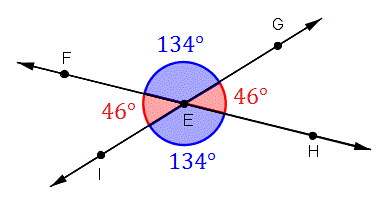
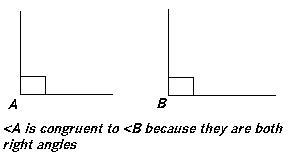
- 38Right Angles Congruence TheoremAll right angles are congruent.
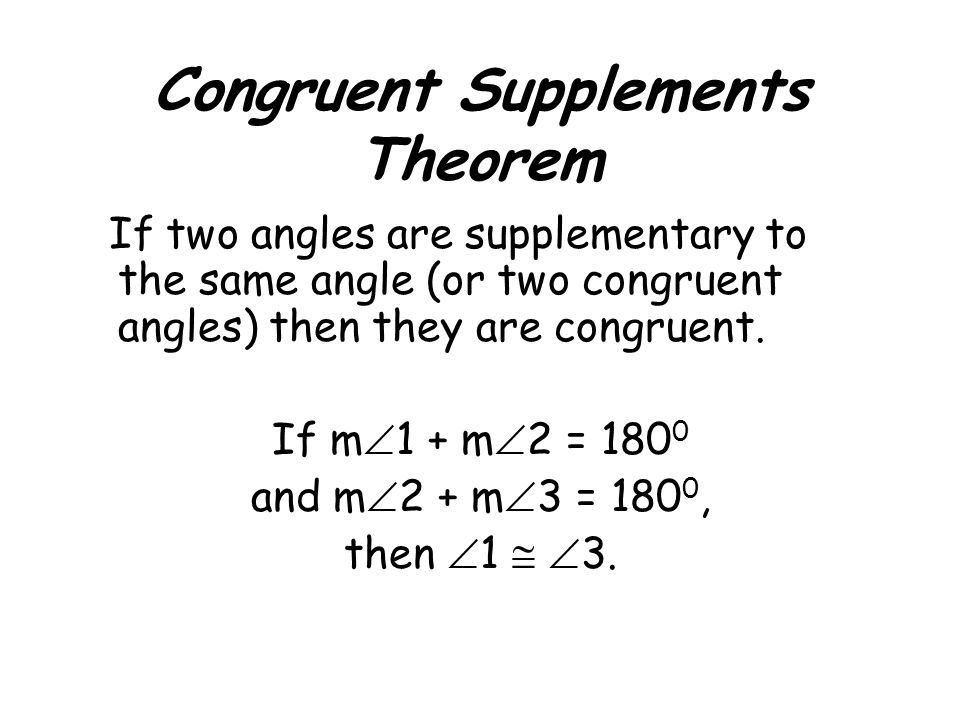
- 39Congruent Supplement TheoremIf two angles are supplementary to the same angle then the two angles are congruent.
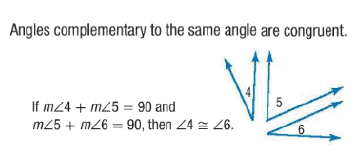
- 40Congruent Complements TheoremIf two angles are complementary to the same angle, then the two angles are congruent.
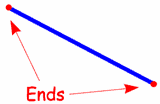
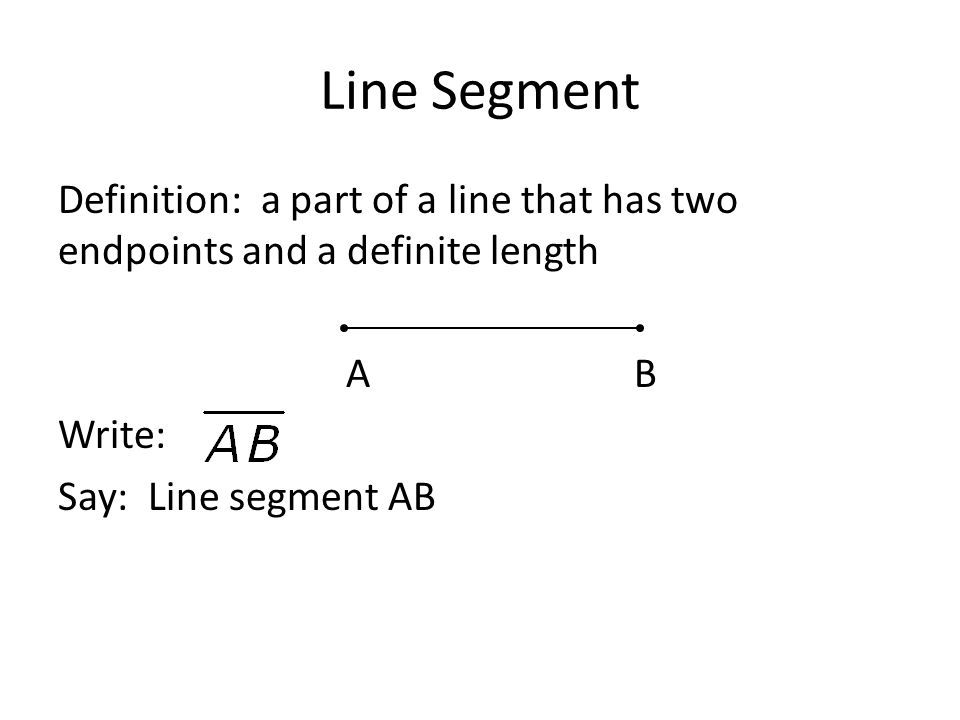
- 41SegmentThe part of a line that connects two points. Basically it is a line that has two endpoints.
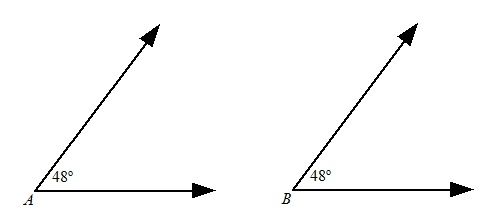
- 42CongruentThe same shape and size. Angles are congruent when they are the same size in degrees. Sides are congruent when they are the same length.
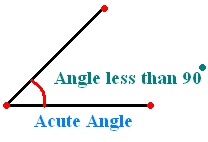
- 43Acute AngleIt is less than 90 degrees.
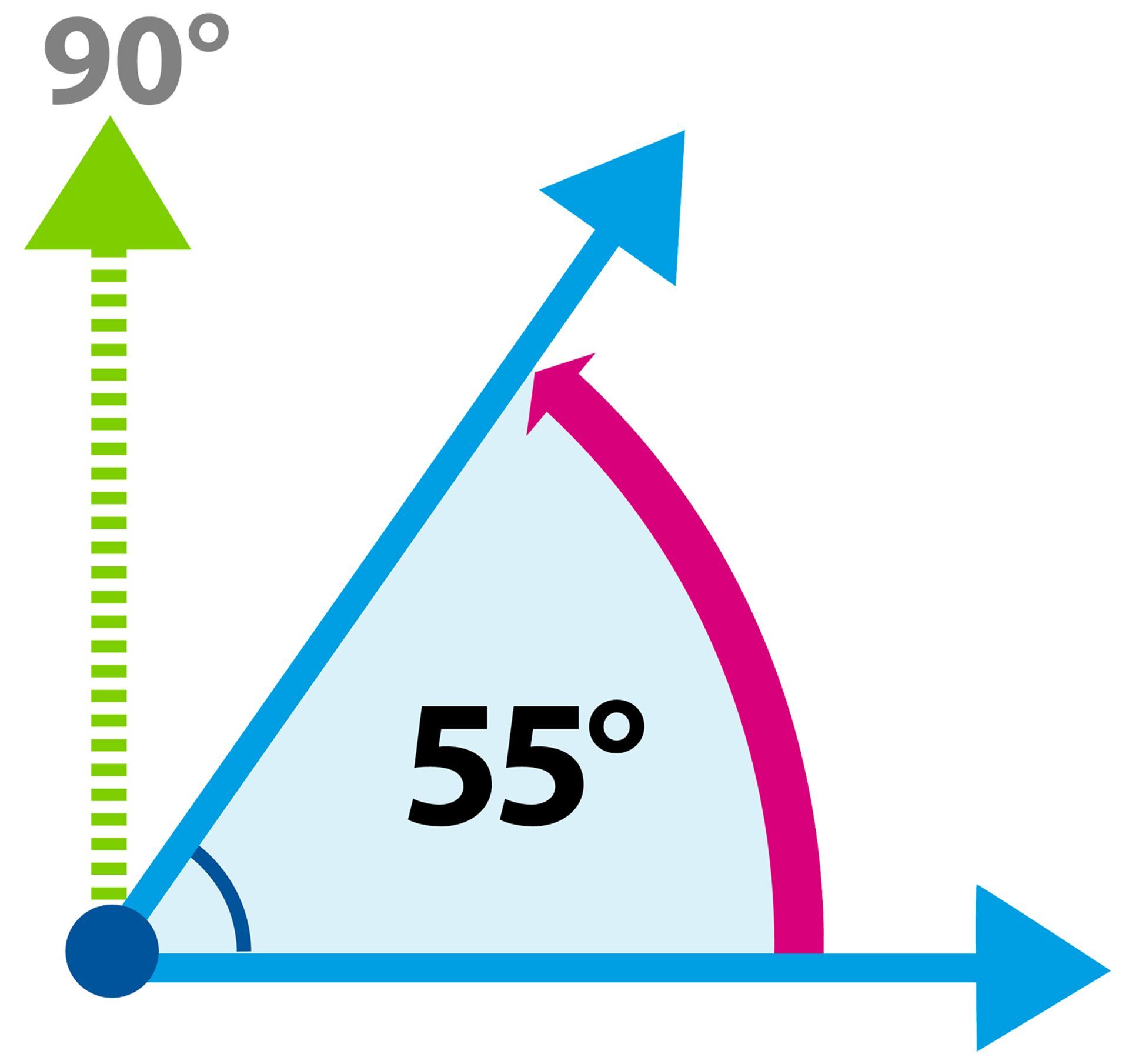
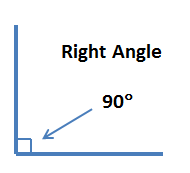
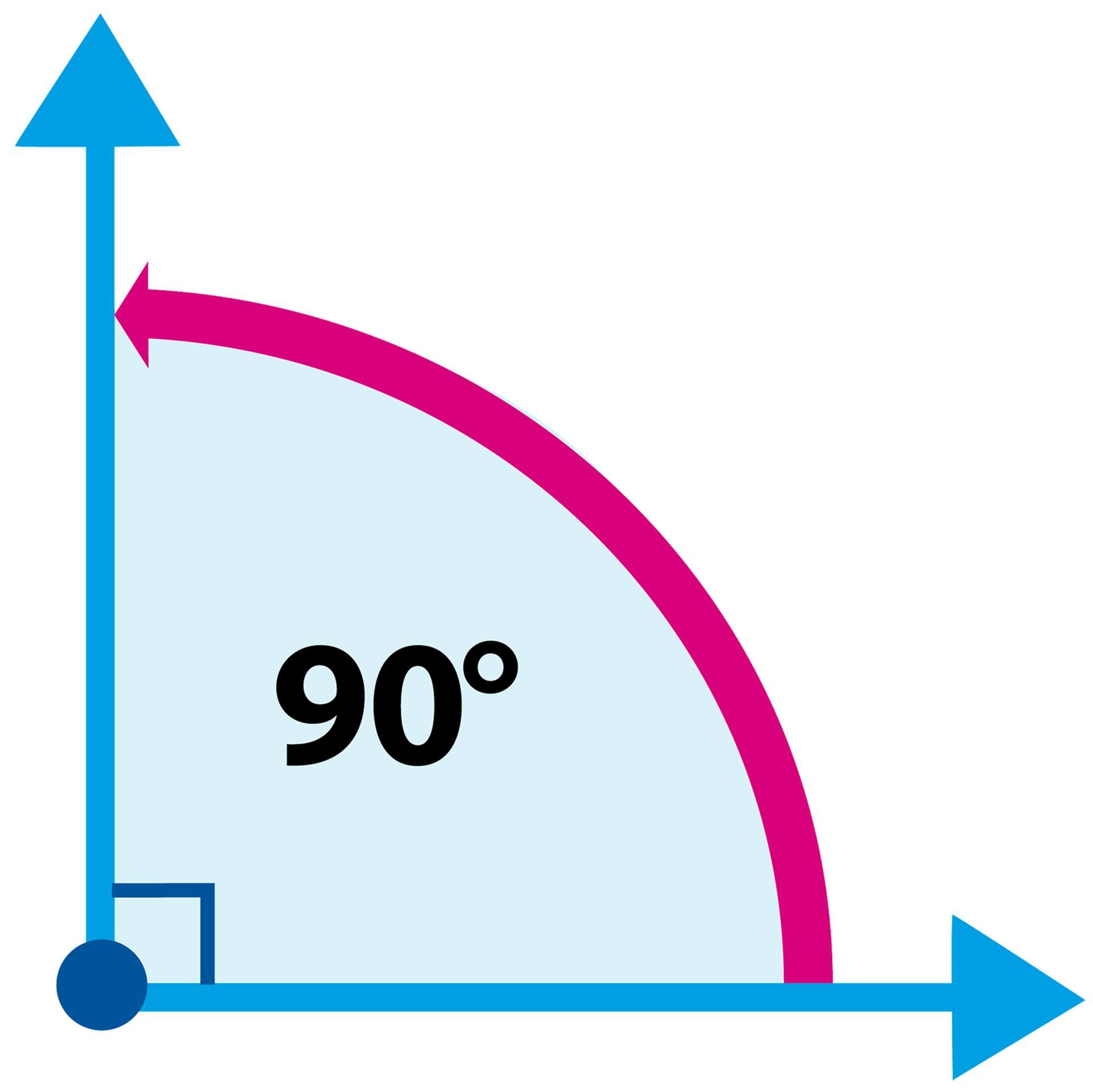
- 44Right AngleEquals exactly 90 degrees.
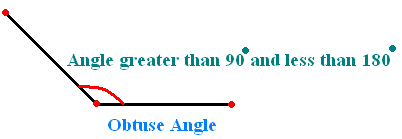
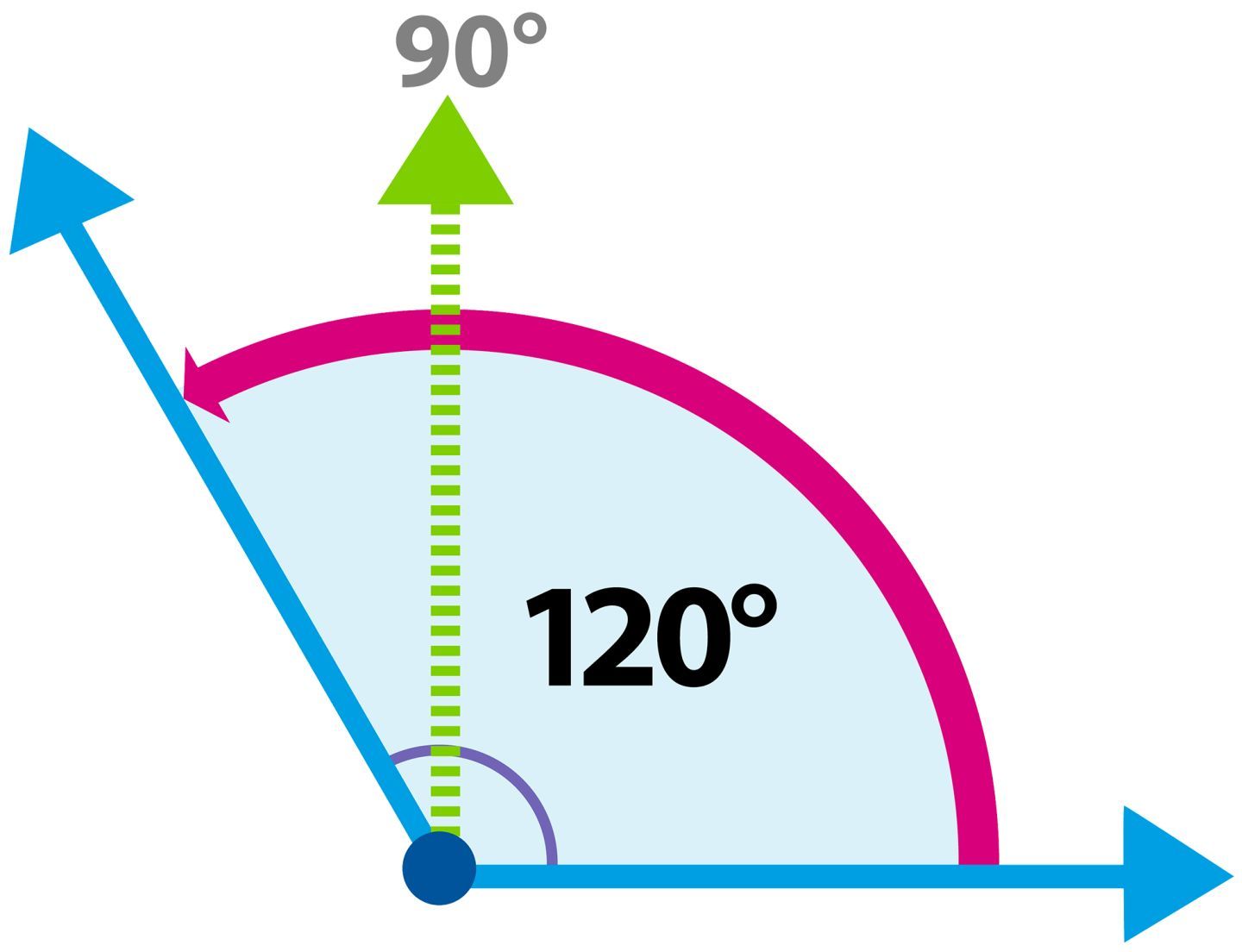
- 45Obtuse AngleIt is greater than 90 degrees but less than 180 degrees.
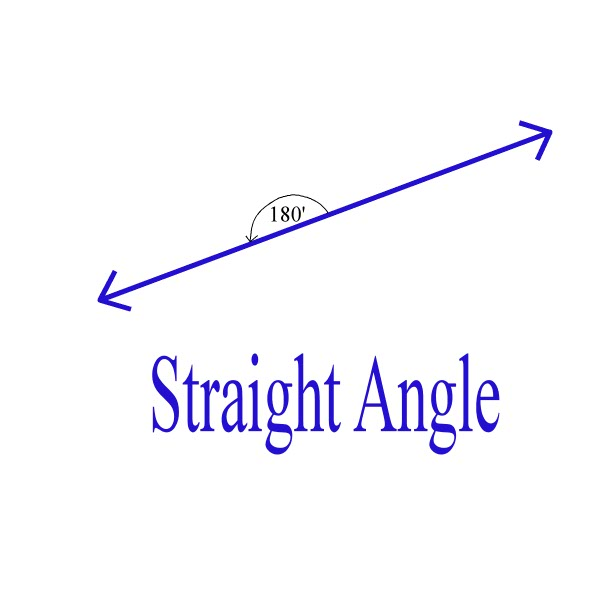
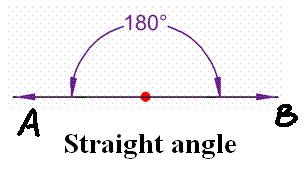
- 46Straight AngleEquals exactly 180 degrees.
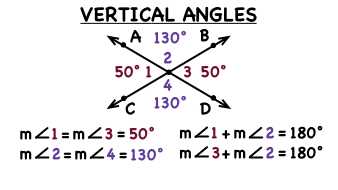
- 47Vertical AnglesVertical Angles are the angles opposite each other when two lines cross.
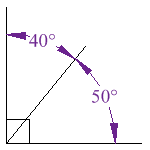
- 48Complementary AnglesTwo angles are Complementary when they
add up to 90 degrees.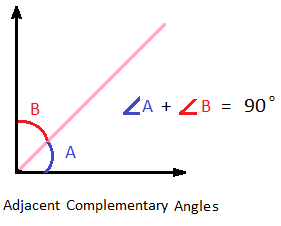
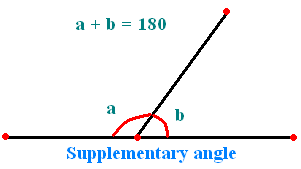
- 49Supplementary AnglesTwo Angles are Supplementary when they add up to 180 degrees.
Information
- Description
- Flashcards on Geometry Chapter 3 , created by Zozan Khoshan on 23/10/2017.
- Created by
- Zozan Khoshan
- Views
- 1
- Rating