
13208096
Description

Flashcards by Isabel McLaughlin, updated more than 1 year ago

|
Created by Isabel McLaughlin
over 8 years ago
|
|
| Question | Answer |
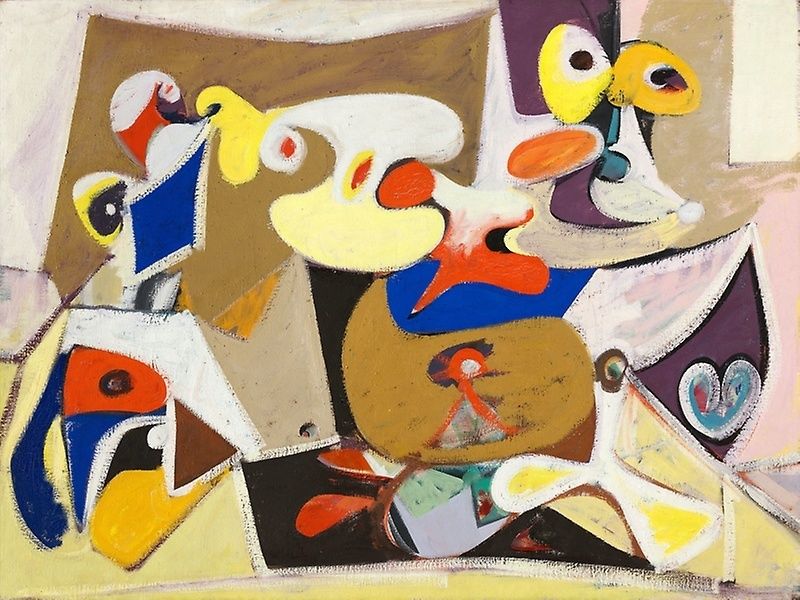
| Arshile Gorky, After Khorkom, 1940 | |
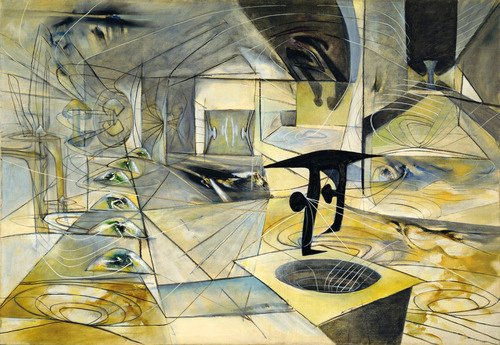
| Roberto Matta, The Onyx of Electra, 1944 | |
|
Image:
Img002 (binary/octet-stream)
|
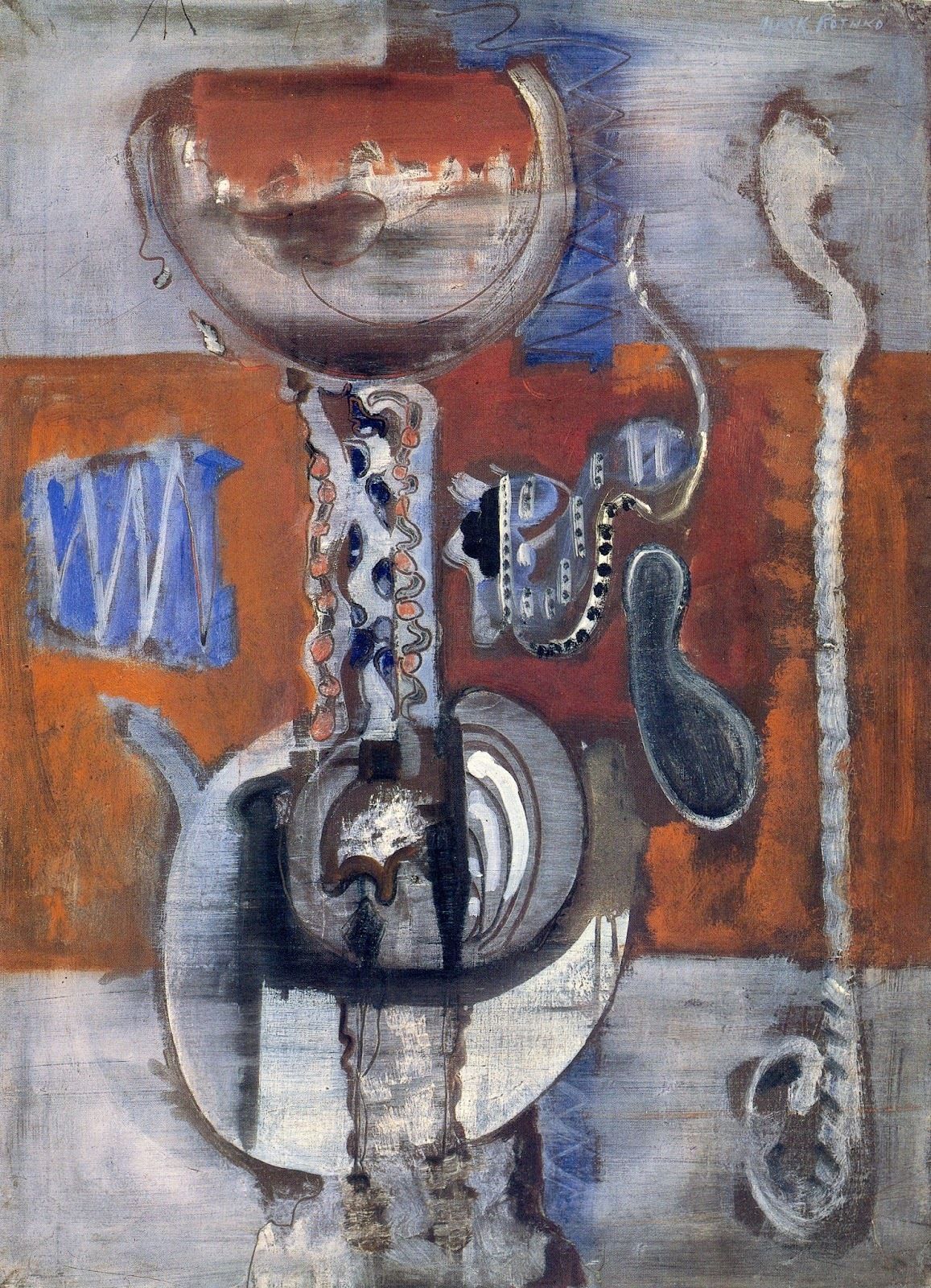
Mark Rothko, Hierophant (Untitled), 1945 |
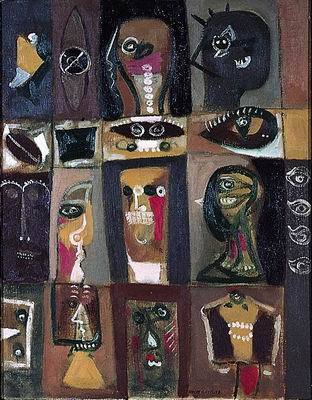
| Adolph Gottlieb, Eyes of Oedipus, 1945 | |
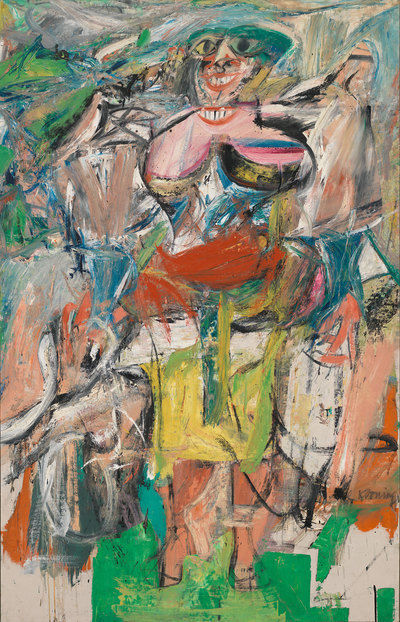
| William de Kooning, Woman and Bicycle, 1952 | |
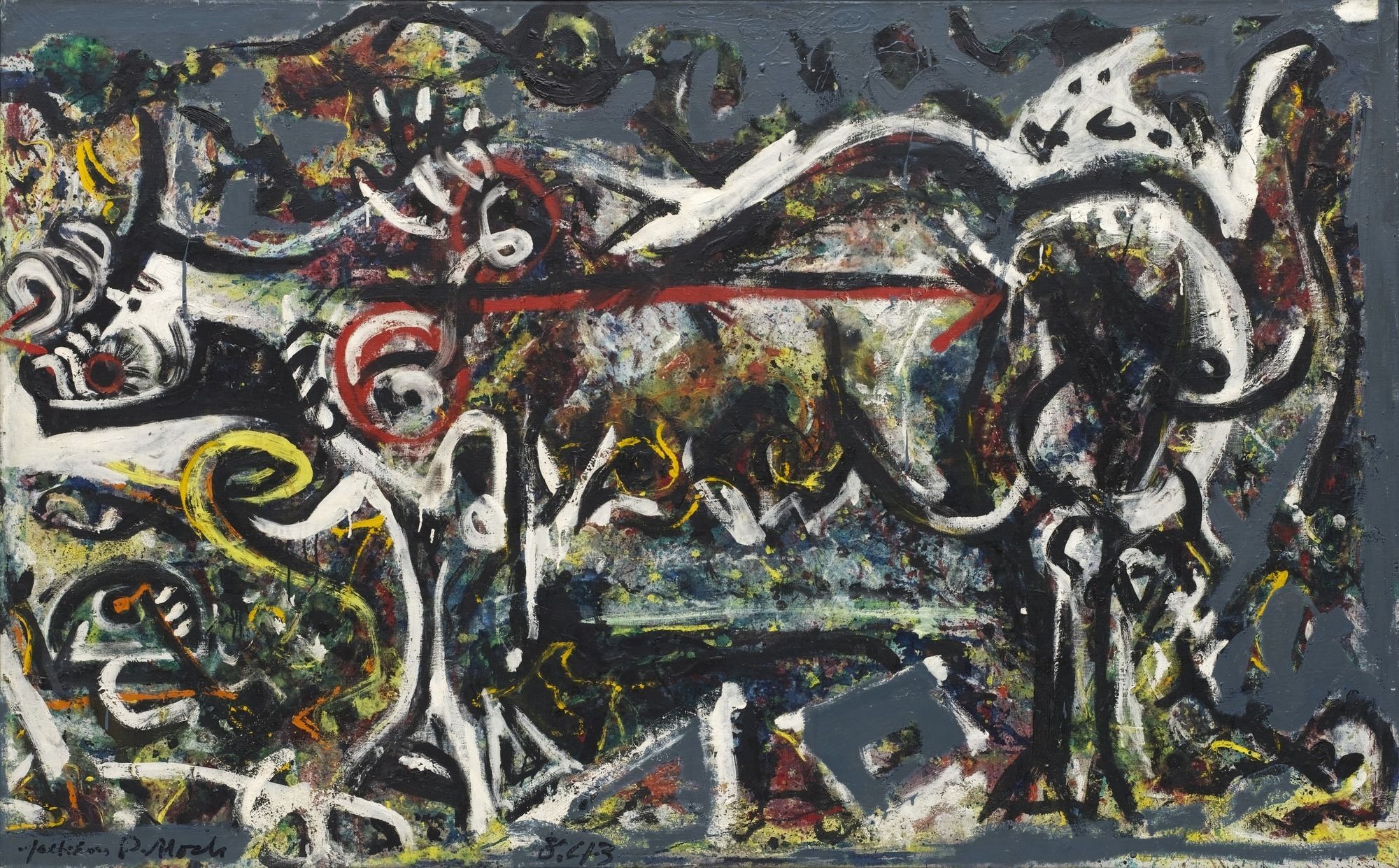
| Jackson Pollock, She-Wolf, 1943 | |
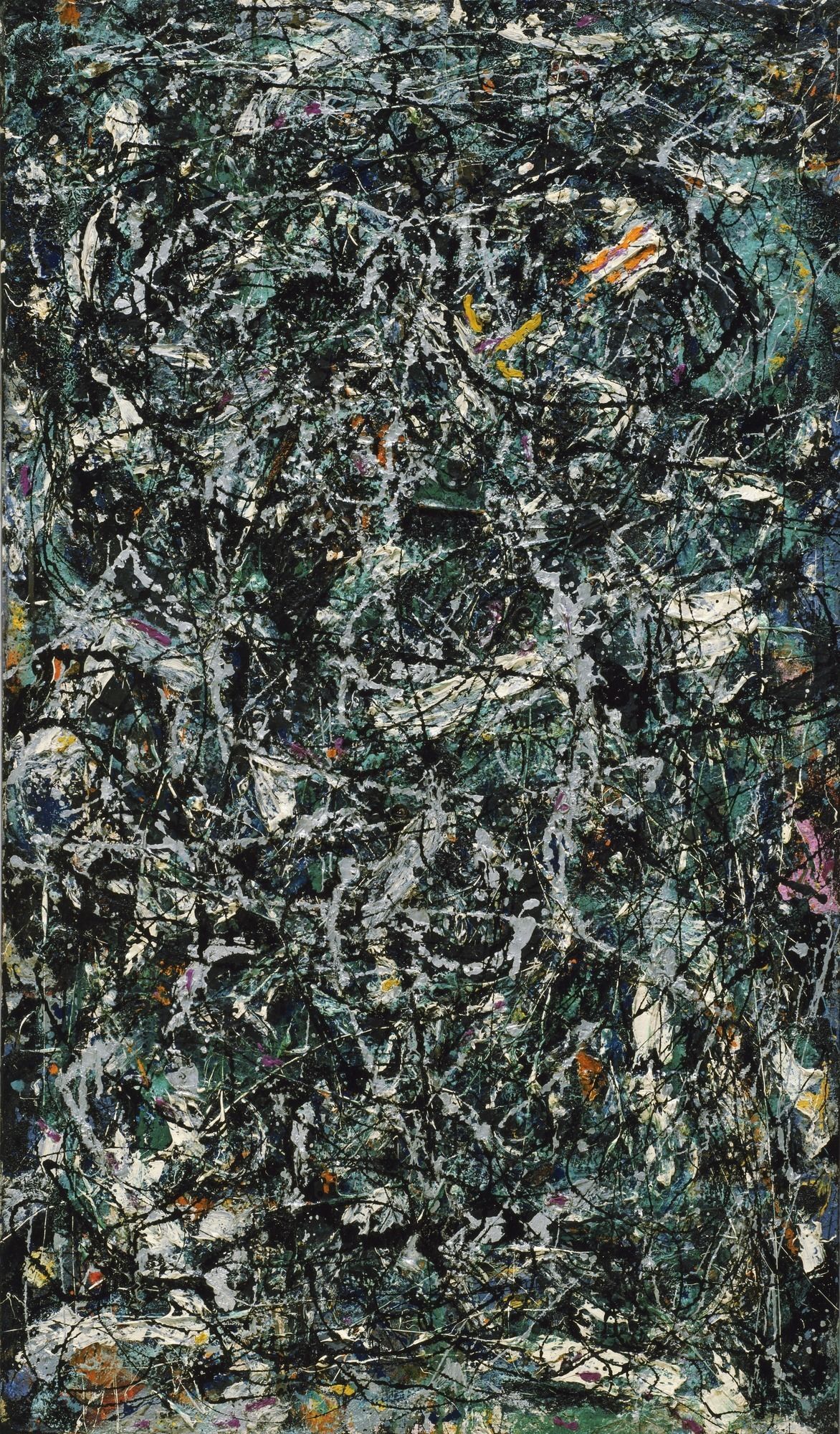
| Jackson Pollock, Full Fathom Five, 1947 | |
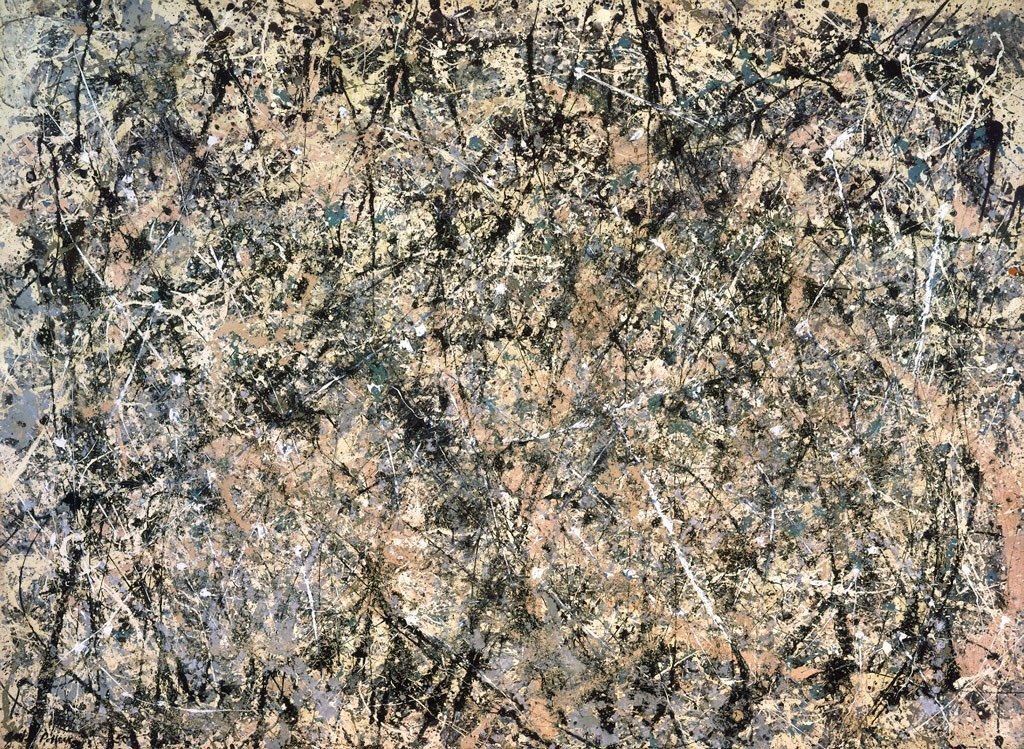
| Jackson Pollock, Number 1, 1950 | |
| Clement Greenberg | Art Critic - 1960; Modernism calls attention to art, uses Kant philosophy. Good painting taps into things that are solely painting= flatness, figure/ ground relationship. "Painting went abstract for autonomy". Art is continuity. |
| Automatic Writing | Alternative Conscious, free flowing, automatic creation of art |
| Biomorphic Forms | tendency to exhibit the appearance or qualities of a living thing (usually "other worldly") |
| Grattage | a surrealist painting technique that involves laying a canvas prepared with a layer of oil paint over a textured object and then scraping the paint off to create an interesting and unexpected surface |
| Frottage | a surrealist and ‘automatic’ method of creative production that involves creating a rubbing of a textured surface using a pencil or other drawing material |
| Peggy Guggenheim | Art of this Century gallery |
| Uncanny (unheimlich) | unknown |
| Works Progress Administration | Most Abstract Expressionists worked for WPA; the employment program created in 1935 by Roosevelt in response to the Great Depression |
| American Regionalism | Art movement emerged in early 1930's midwest. Deep roots in romantic landscape painting of the Hudson River School. Explored traditional American values and lifestyles during the Great Depression. Unofficial style of the WPA. |
| Carl Jung | Jungian psychotherapy |
| Autographic gesture | Individuality and originality of artist |
| Harold Rosenberg | popularized critic of art- article "Action Painters" states Abstract Expressionist art must show the artists struggle. |
| All-over painting | refers to nongeometric abstract paintings featuring relatively uniform surfaces and no obvious references to directional format or traditional structure |
| Universal subject | ideals of desire, war, love, women, are communicated as "universal truths" by abstract expressionists - their privilege allows them to do this |
Want to create your own Flashcards for free with GoConqr? Learn more.