
Flashcards
Untitled
Cards in this deck (200)
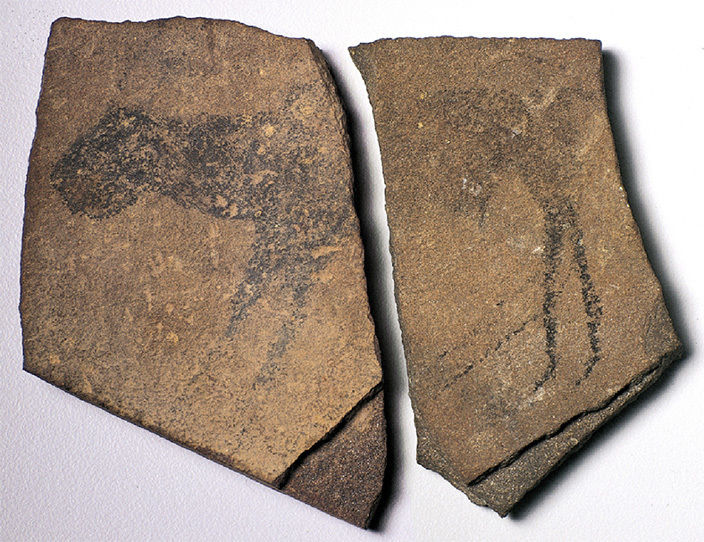
- 1—Apollo 11 stones
Charcoal on Stone
Portable
Depiction of Therianthrope
Animal or supernatural being
Found along with other tablets - 2—Venus of Willendorf
Austria
Limestone
4.5 inches
National History Museum in Vienna
Icon of fertility
Red ochre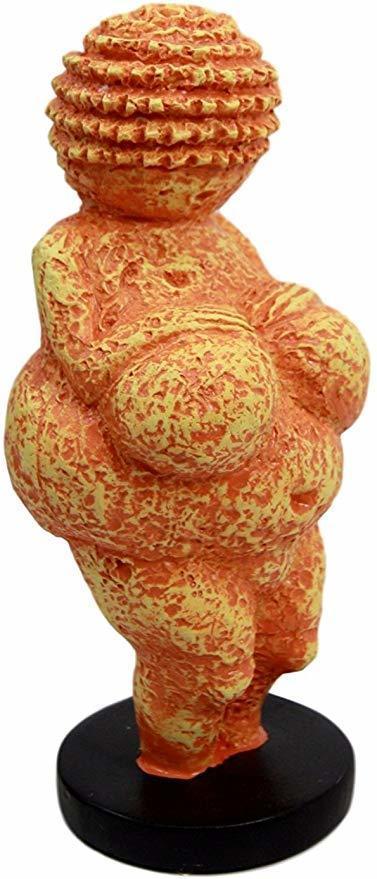
- 3—Great Hall of the Bulls
Lascaux France
Rock Painting
60 ft long
quality deterioration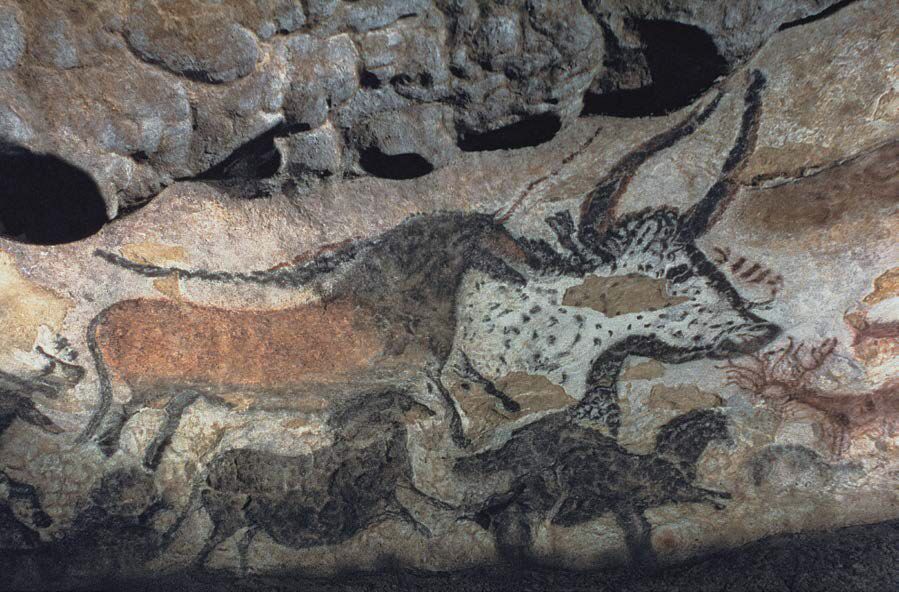
- 4—Camelid sacrum in the shape of a canine
Tequixquiac, Central Mexico
Bone
Museum of Anthropology, New Mexico
Looks like a dog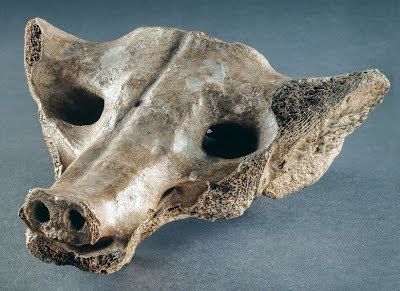
- 5—Running Horned Woman
Tassili n'Ajjer, Algeria
Pigment on Rock
8 ft tall
on a plateau
no hands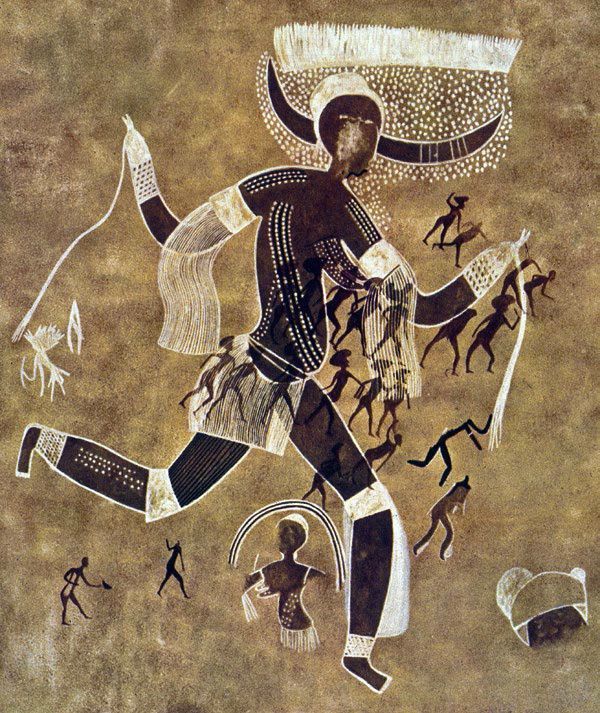
- 6—Beaker with Ibex Motifs
Susa, Iran
Painted Terra Cotta
Found in a cemetery
11 inches, at Louvre
saluki: hunting dogs
ibex: mountain goat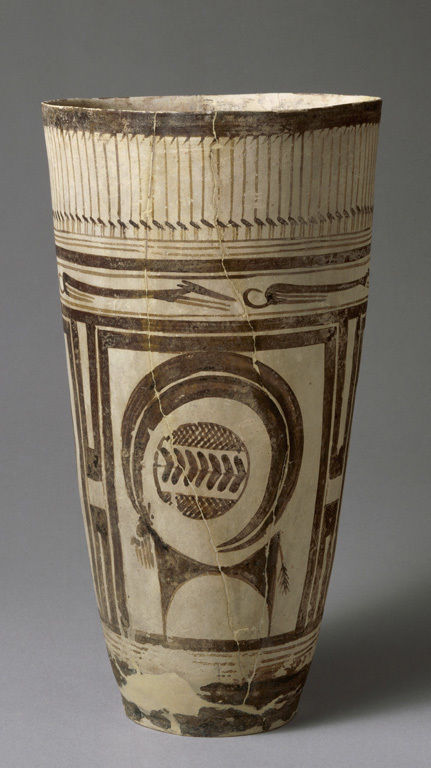
- 7—Anthropomorphic Stele
Arabian Penninsula
Sandstone
3 ft tall, 8 inch
grave marker
minimalistic
necklace, dagger, awl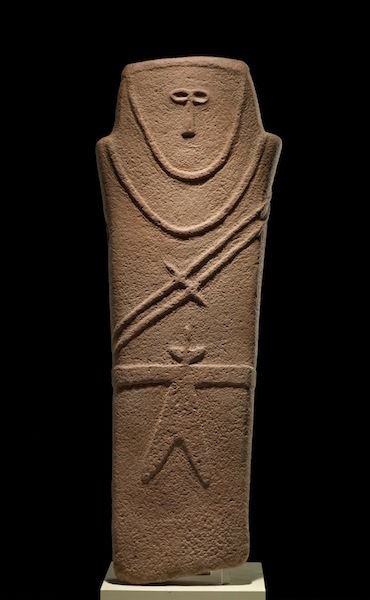
- 8—Jade Cong
Liangzhu, China
Carved Jade
found in tombs with bi's
like a tube
currently in a private collection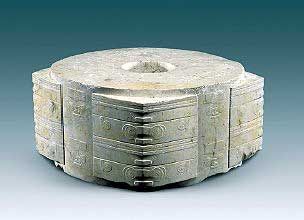
- 9—Stonehenge
Wiltshire, UK
Sandstone
posts + lintels
bluestone
trilithons
calendar + burial area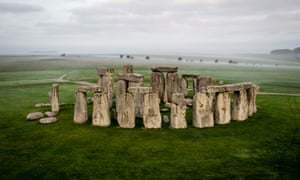
- 10—The Ambum Stone
Papua New Guinea
Graywacke
mortar + pestle
echidna
8 inches
buried with rich people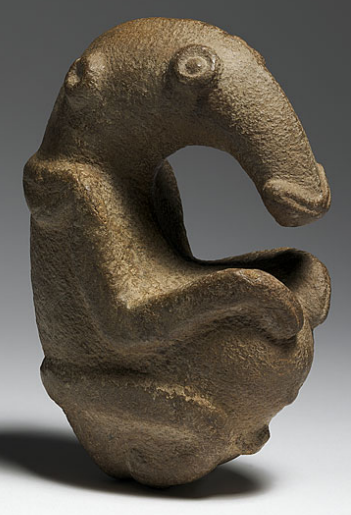
- 11—Tlatilco female figurine
Central Mexico
Ceramic
4 in by 2 inches
at Princeton
blended heads
duality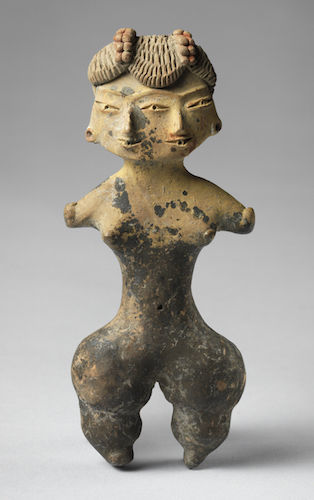
- 12—Terra Cotta Fragment
Lapita
Solomon Islands, Reef Islands
Incised
University of Auckland, New Zealand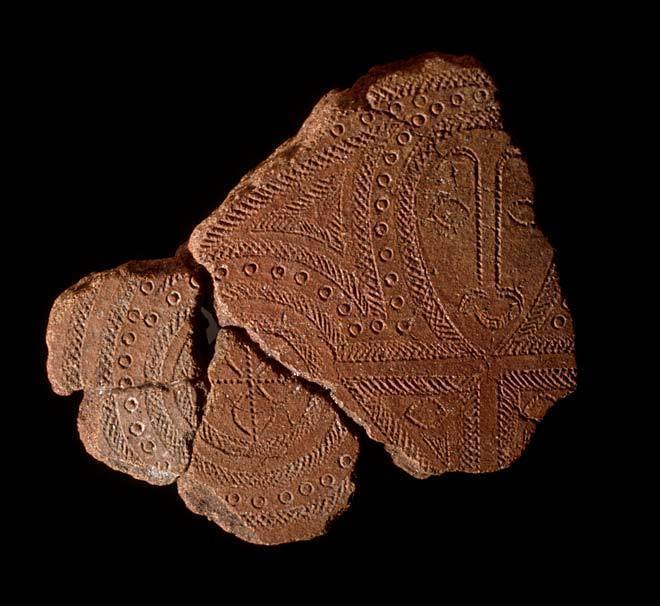
- 13—White Temple and its ziggurat
Urak (modern Iraq)
Mud brick
sky god, Anu
corved labor: slavery?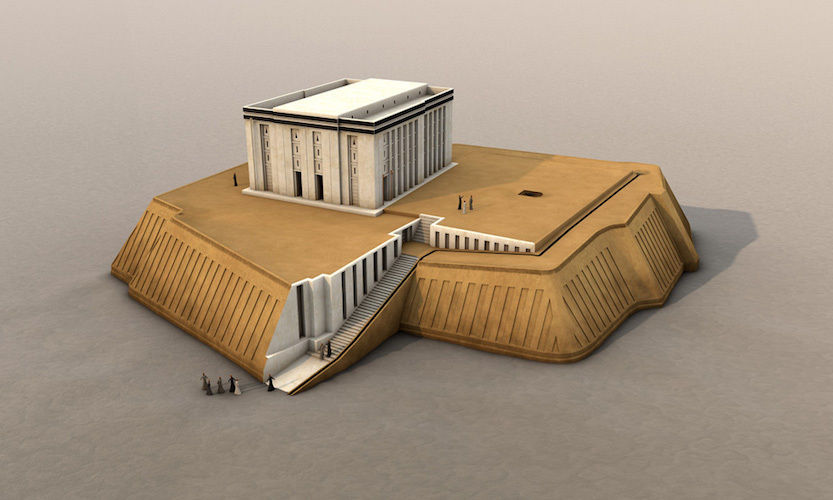
- 14—Palette of King Narmer
Egypt
Greywacke
registers
mixed makeup
Museum of Cairo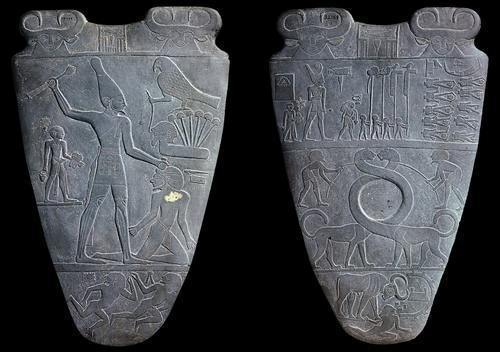
- 15—Statues of votive figures, from the Square temple at Eshnunna (modern Iraq)
Gypsum inlaid with shell and limestone
Iraq Museum + the Met
oversized eyes, eternal awakeness
more naturalistic
offered for worship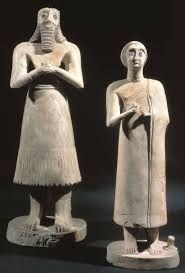
- 16—Seated Scribe
Old Kingdom, Egypt
Painted limestone
Naturalistic, chubby
at Louvre
scroll of papyrus + missing brush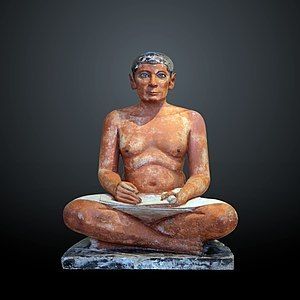
- 17—Standard of Ur from the Royal Tombs at Ur
Wood inlaid with stuff
registers
at British Museum
hierarchical scale
peace side + war side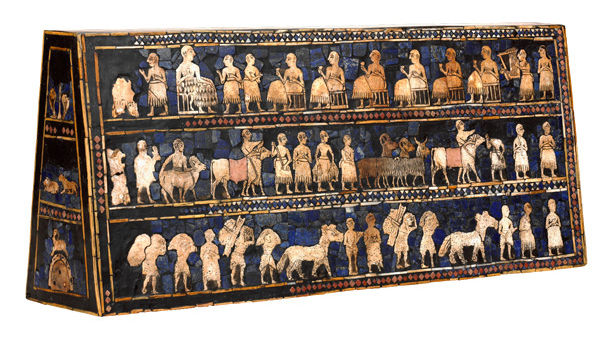
- 18—Great Pyramids
Giza, Egypt (Old Kingdom)
Cut Limestone
cemeteries
mastaba: tomb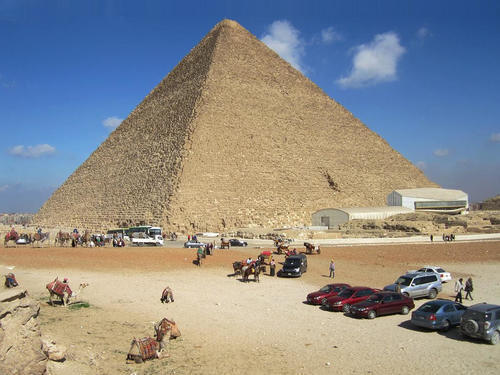
- 19—King Menkaura and queen
Old Kingdom Egypt
Greywacke
Museum of Art in Boston
step forward
dyad: two people
unfinished (no polish + writing)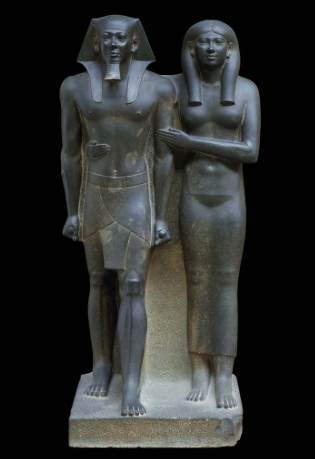
- 20—Code of Hammurabi
Babylon
Basalt
7.5 ft tall, 2.5 ft wide
cuneiform
de jour: in law, de facto: in actuality
Ham + god of justice same height
laws in sections: intro, laws, and epilogue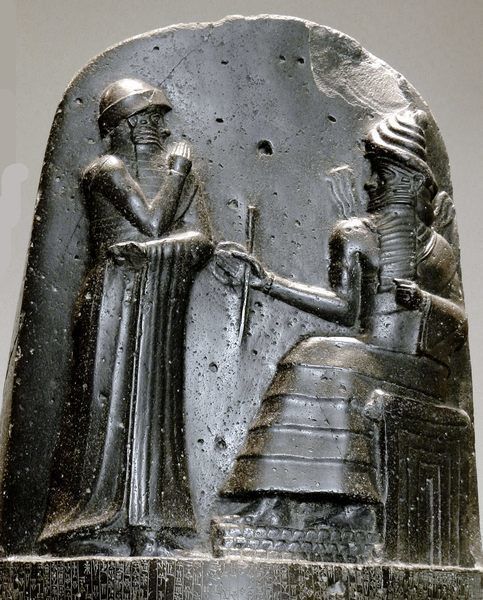
- 21—The Temple of Amun-Re and Hypostle Hall
Luxor Egypt, New Kingdom
Cut sandstone + Mud brick
Amun: fertility
Re: sun, origin of life
clerestories: little top windows
pylons: gates where you walk, floor rises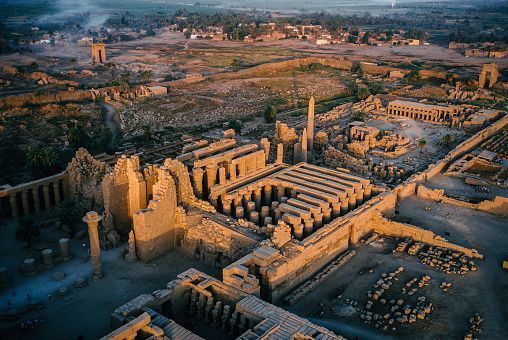
- 22—Mortuary Temple of Hatshepsut
Luxor, Egypt New Kingdom
Sandstone, carved into cliff, red granite
statue in Met
nemes: traditional head cloth
fake beard, broader shoulders,
flattened chest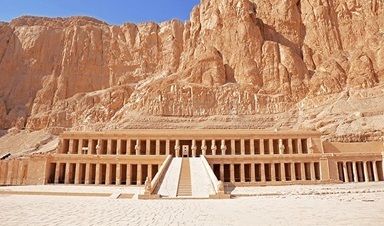
- 23—Akhenaton, Nefertiti and three daughters
Amarna Period, New Kingdom
Limestone
worship Aten: new sun god
ankh: symbol of life
Egyptian Museum in Cairo
cartouch: pharaoh's name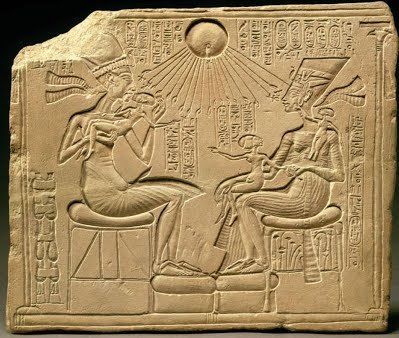
- 24—Tutankhamun's Tomb, innermost coffin
Gold inlay of enamel + semiprecious stones
3 coffins, gilded wood
nekhbet: vulture
wabjet: snake
crook: upper Egypt
flail: lower Egypt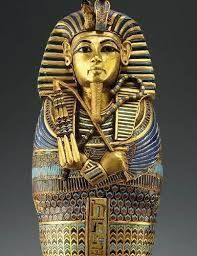
- 25—Last judgement of Hu-Nefer, from his tomb (page from the Book of the Dead)
Painted papyrus scroll
British Museum in London
canopic jars with stomach, intenstines, lungs, and liver
prove lived ethical life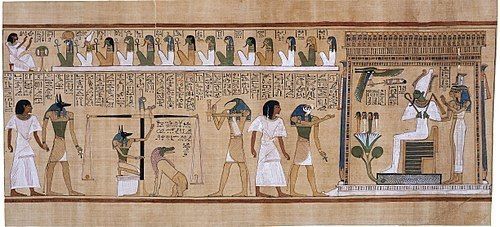
- 26—Lamassu from the citadel of Sargon 2
Alabaster
stood in gates of citadel to keep people out
not moving in front, but on side
human head, wings, body, bull earring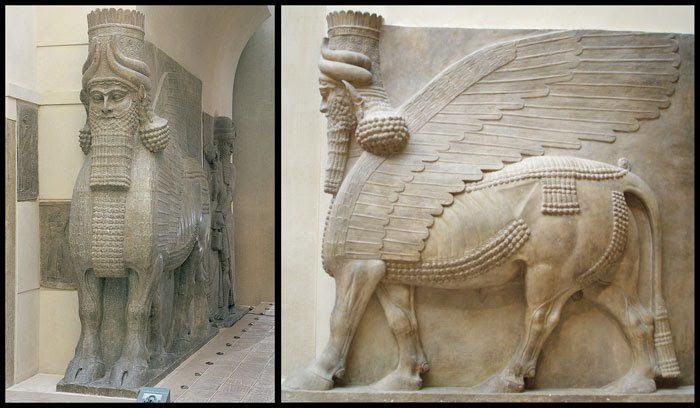
- 27—Athenian Agora
Archaic through Hellenistic Greek
stoa: building for certain god or business
bouletarion: business, administration, government building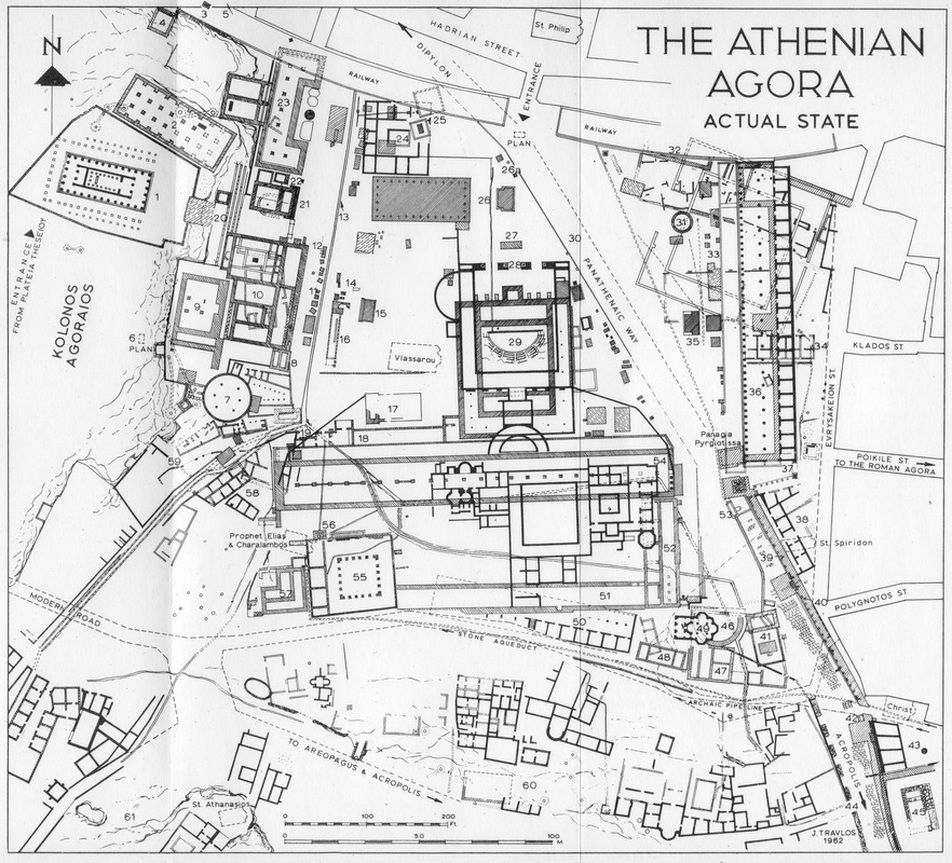
- 28—Anavyos Kouros
Archaic Greek (w/smile)
marble
nudity
National Archaeological Museum of Athens
gravemarker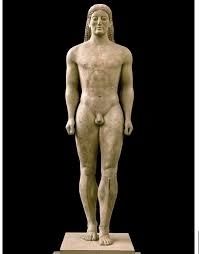
- 29—Peplos Kore
Archaic Greek
Marble + painted details
missing diadem
Acropolis Museum of Athens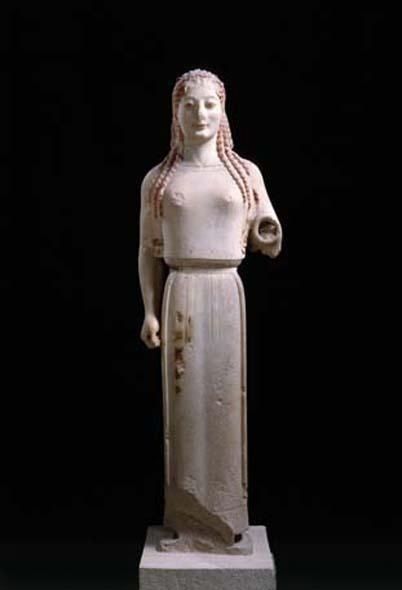
- 30—Sarcophagus of the Spouses
Etruscan
Terra Cotta
urn for ashes
archaic smile
banqueters: lie down to eat
sagital split (kiln to small)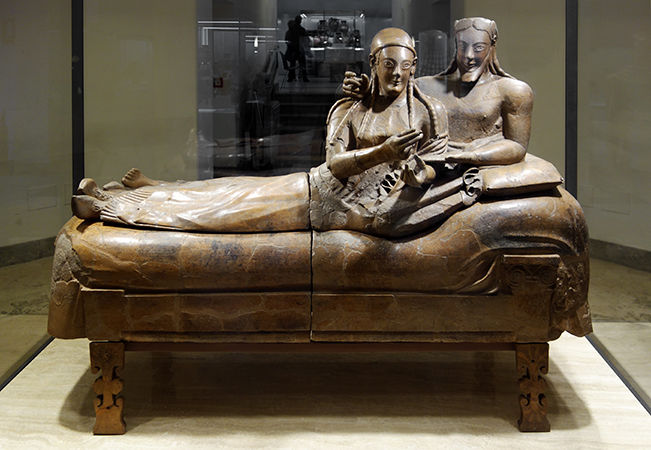
- 31—Audience Hall (apadana) of Darius + Xerxes
Persepolis, Iran
Limestone
bull + lion motifs
different people represented in carving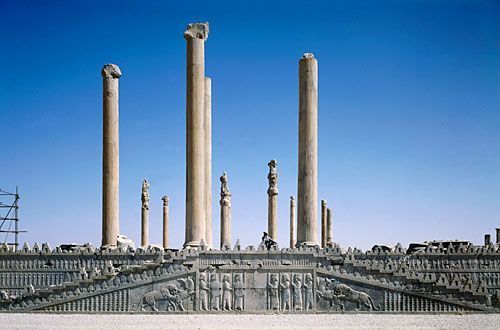
- 32—Temple of Minerva and sculpture of Apollo
Master sculptor Vulca
temple of wood, mud brick, or tuffa
terra cotta sculpture
gods: Minerva, Tinia (Zeus), and Uni (Hera)
detailed in Vitruvius' book, gone today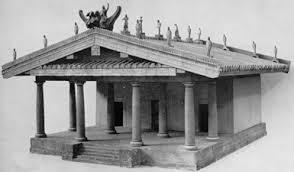
- 33—Tomb of Triclinium
Tarqunia, Italy (Etruscan)
Tufa and fresco
fresco bueno (not secio)
polychromatic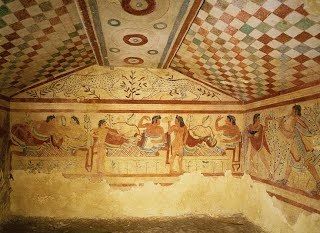
- 34—Niobides Krater
Clay, red-figure technique (white highlights)
no registers
used to mix water + wine
isocephalism: everyone is at the same height, same depth
Niobie bragged about her kids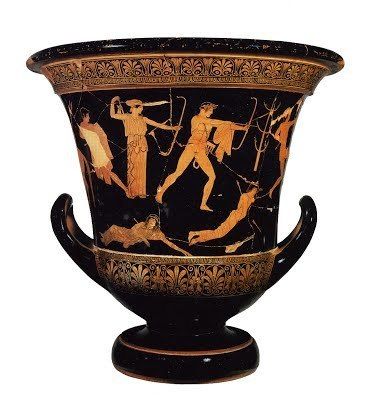
- 35—Doryphoros (Spear Bearer)
Polykleitos Original
Roman marble copy, Greek bronze original
National Museum in Naples
guidelines of ideal man (cannon)
contraposto (bent knee, heel raised)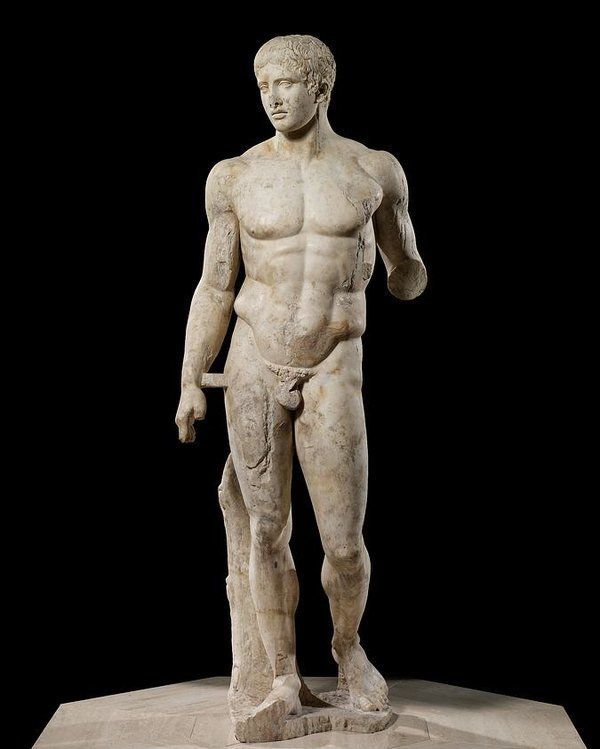
- 36—Acropolis
Athens, Greece
Marble
Parthenon
Athena Parthenos
Nike Statue
Pediment freize (Elgium marble)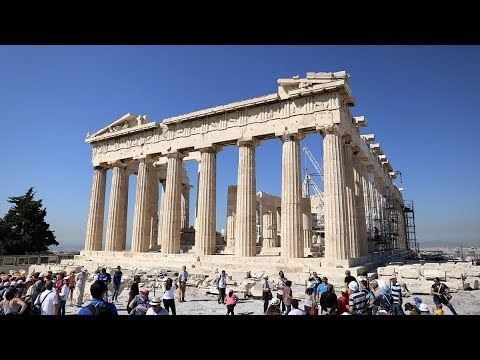
- 37—Grave Stele of Hegeso
Kallimachos
Marble + paint
daughter of someone
servant holding jewelry box: necklace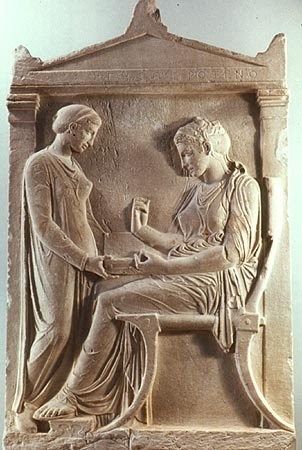
- 38—Winged Victory of Samothrace
Marble
hellenistic (objects showing motion, energy)
wet drapery
voluptuous
sanctuary for god of fertility to protect sailors for safe travels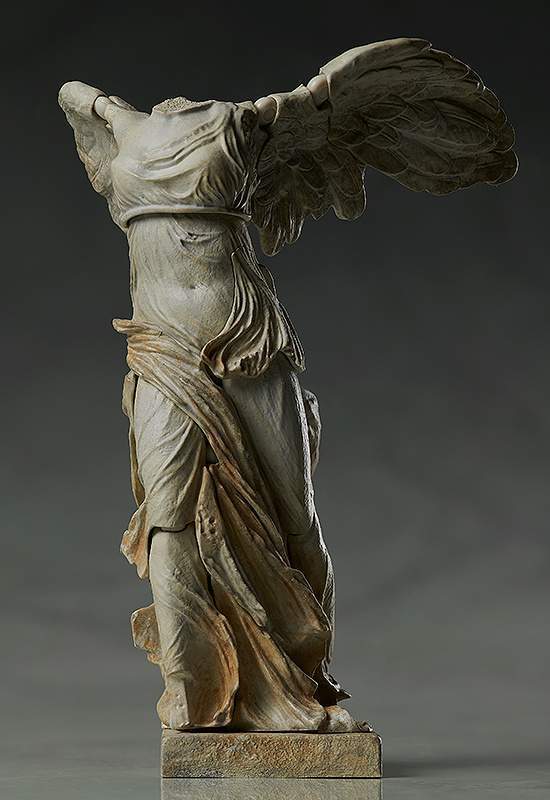
- 39—Great Altar of Zeus and Athena at Pergamon
modern-day Turkey
Marble
Museum in Pergamon, Germany
Freize of gods versus giants
Hellenistic (hyper-muscular)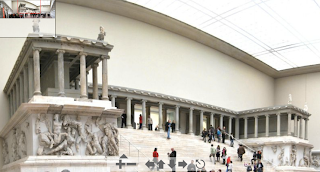
- 40—Petra, Jordan: Treasury and Great Temple
Nabatean Ptolemaic
Cut rock
trading location (perfume)
broken pediment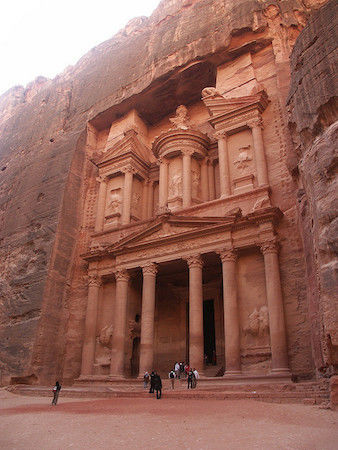
- 41—House of the Vettii
Pompeii, Italy
cut stone and fresco
impluvium for rain
wall paintings and decorations to show wealth and status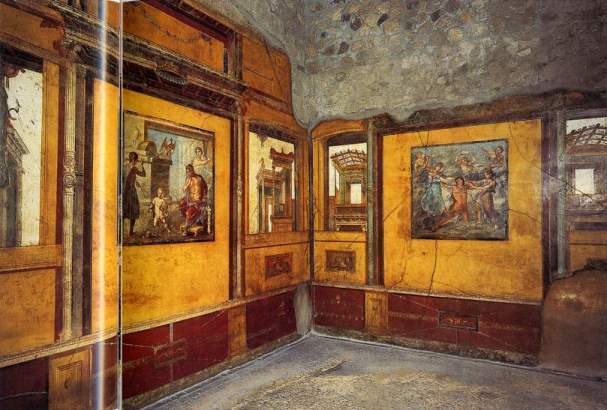
- 42—Alexander Mosaic from the House of the Faun, Pompeii
depiction of depth
preserved in the ash
foreshortening (picture a pencil)
spears pointing at Alexander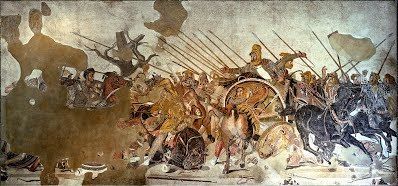
- 43—Seated Boxer
Hellenistic (beaten up)
National Museum of Rome
Lost wax casting technique
cauliflower ear
emotional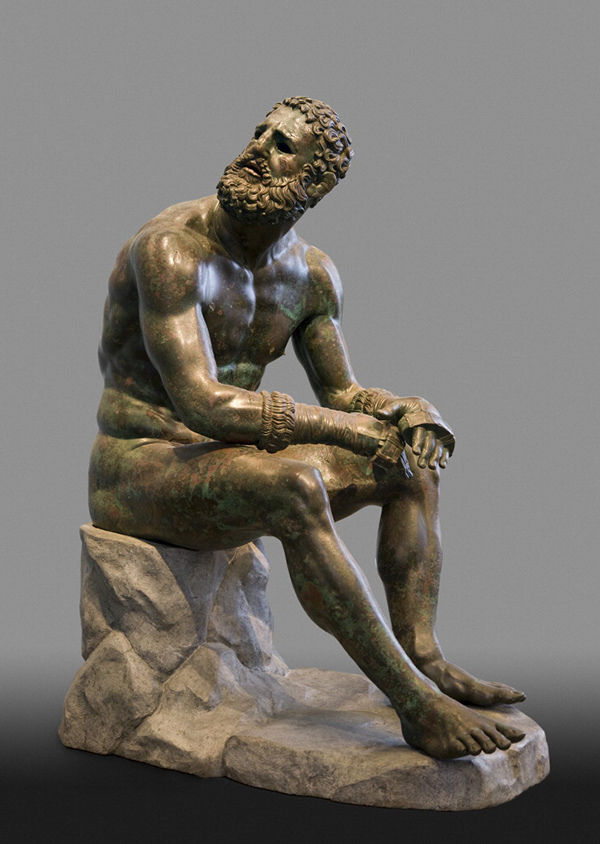
- 44—Head of a Roman Patrician
Republic Rome
oligarchy: gov run by few people
verrism: what you see, exaggerate
wrinkles for wisdom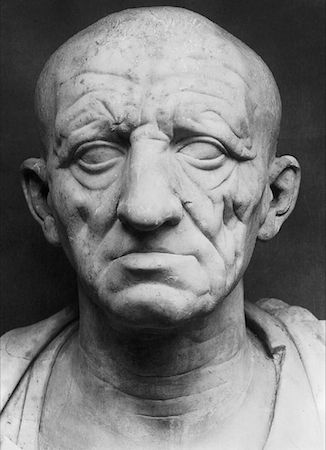
- 45—Augustus of Prima Porta
found in the Olivia's house
in Vatican Museum
contraposto
first emperor of Pax Romana
idealized: youthful and flawless
addressing troops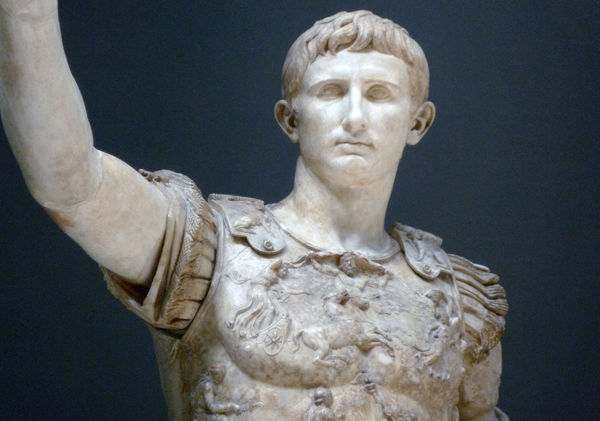
- 46—Colosseum (Flavian Amphitheater)
Rome, Italy
Concrete
Levels from high to low: doric, ionic, corinthian
wooden flooring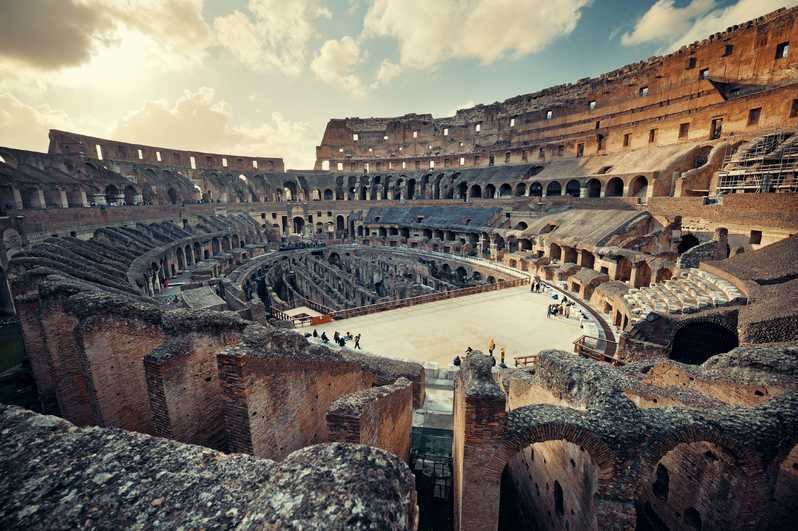
- 47—Forums of Trajan
spirals of story (Trajan defeating Dacians)
commemorated Trajan's death
near an open air market
- 48—Pantheon
Concrete with stone facing
Rotunda with columned face
Marcus Agrippa
Catholic Church today
Cut niches into roofing to make lighter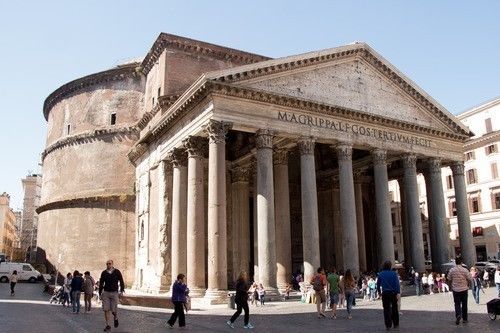
- 49—Ludovisi Battle Sacrophagus
depicts battle between Romans + Goths
high high relief (high as a kite)
everyone except hero is turned
hero has helmet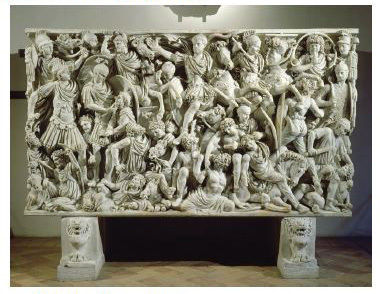
- 50—Catacomb of Priscilla
Excavated tufa and fresco
iconography
orant
Book of Daniel
Christian typology
Jonah was a prophet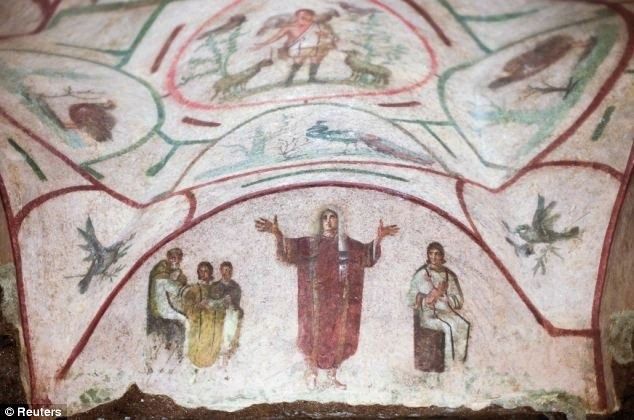
- 51—Santa Sabina
Brick, stone, wooden roof
like a Roman basilica
scenes from Testaments
nave: central area
large space for congregation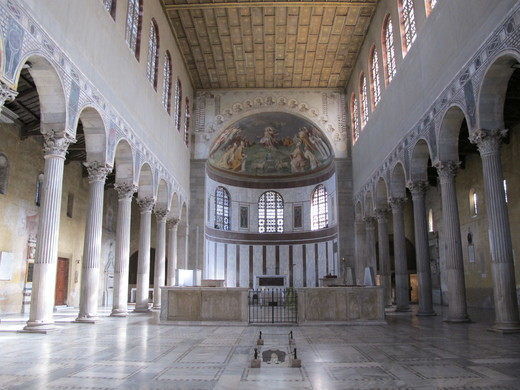
- 52—Rebecca and Eliezer at the Well and Jacob Wrestling the Angel from the Vienna Genesis
Illuminated manuscript
tempera, gold and silver on purple vellum
Austrian National library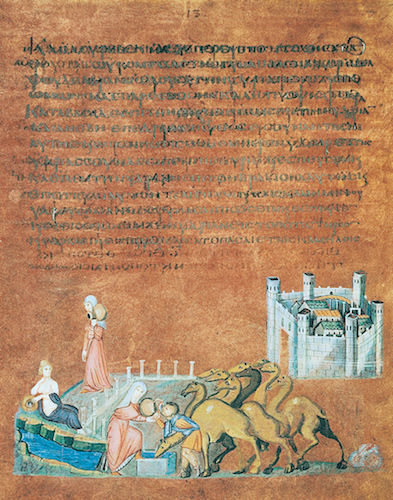
- 53—San Vitale
Ravenna, Italy
central plan
apse: semicircles
Justinian mosaics
egg and dart element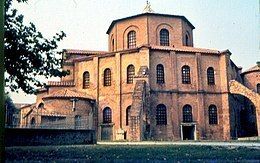
- 54—Hagia Sophia
Constantinople (Istanbul)
mihrab: wall facing mecca
clerestories
iconoclasm
commissioned by Justinian
today it's a Museum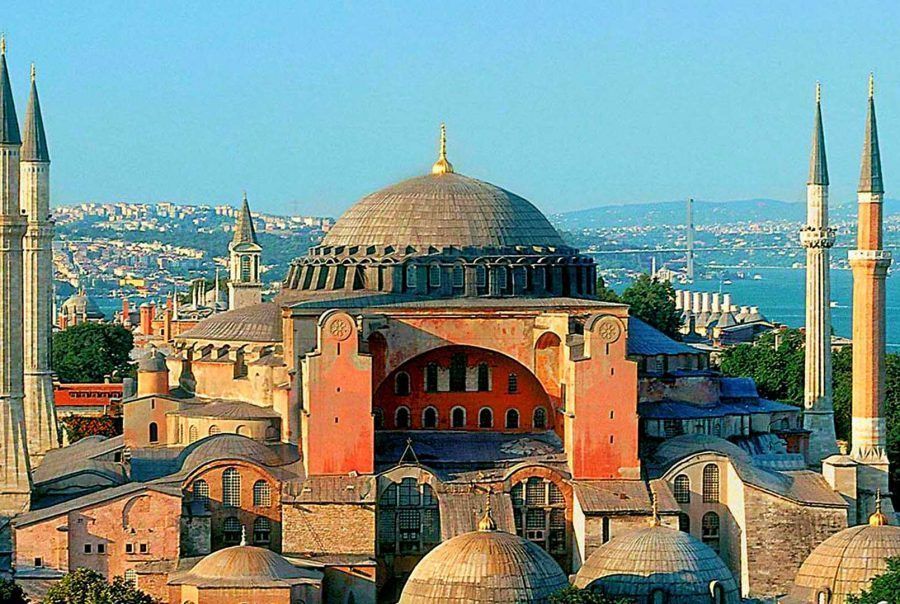
- 55—Merovingian looped fibulae
broach
silver gilt worked in filigree, inlaid stones
4 inches long
migratory art, Visigoths of northern Gaul
cloisonne: inlaying semiprecious stones using solder for metal frameworks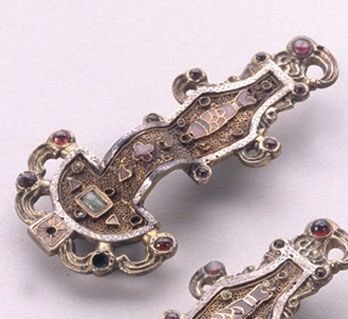
- 56—Virgin Theotokos and Child between Saints Theodore and George
Encaustic (wax) on wood
compressed plain with limited body movement
symbolism over naturalism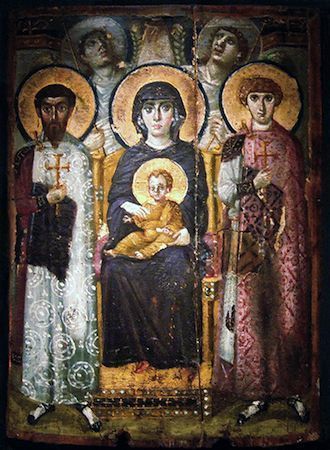
- 57—Lindisfarne Gospels: St. Matthew cross carpet page, St. Luke incipit page
Illuminated manuscript
golden halo: divinity
interlace, influenced by Celtic, Irish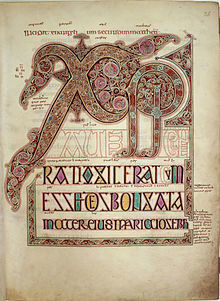
- 58—Church of Saint-Foy
Conques, France
Reliquary of Saint Foy
hosted people going on pilgrimage
miserable time for children (plague)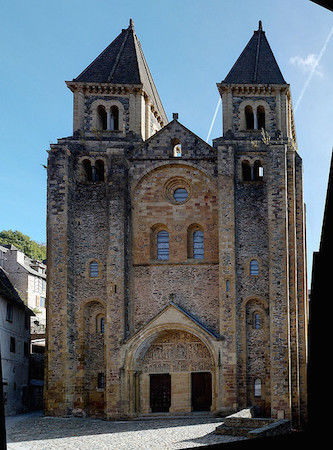
- 59—Bayeux tapestry
Battle of Hastings (Norman vs England)
William the Conqueror
Embroidery on linen
no depth, registers
230 ft by 20 inches
like a comic strip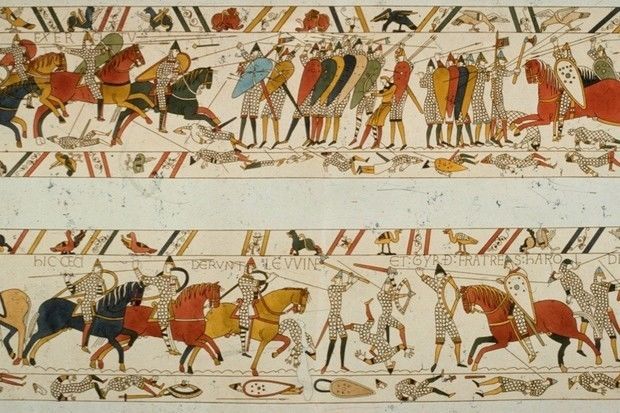
- 60—Chartres Cathedral
Chartres, France
Limestone, stained glass
tympanium
pointy arches
relic: tunic of Virgin Mary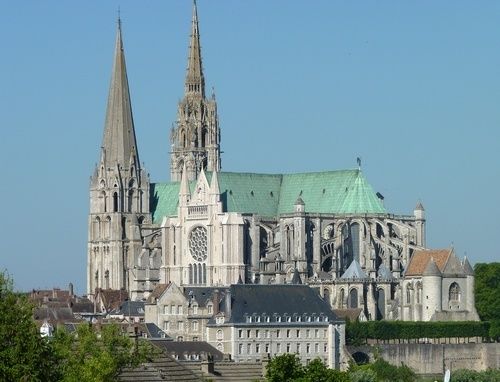
- 61—Dedication Page with Blanche of Castile
Illuminated manuscript
precious resources, expensive as hell
luxurious materials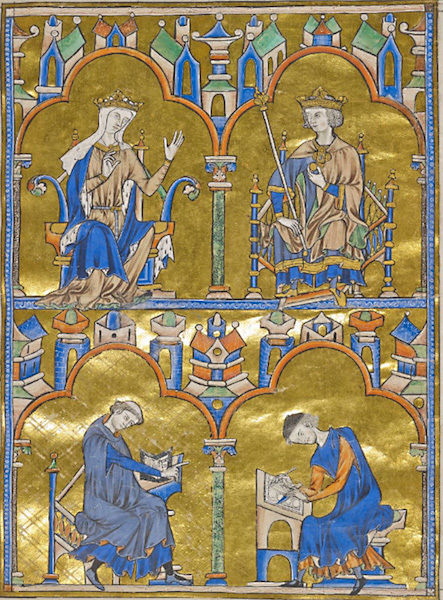
- 62—Rottgen Pieta
Painted wood
lamentation
grief
wormhole infestation
big head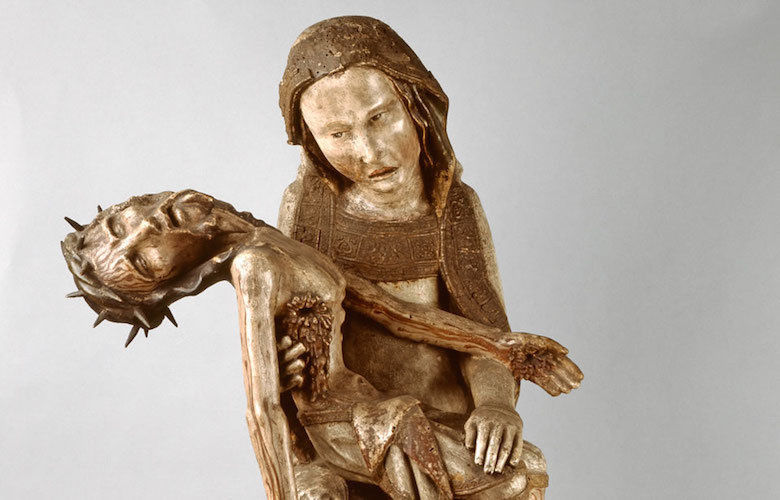
- 63—Arena (Scrovengi) Chapel + Lamentation
Padua, Italy
brick and bueno fresco
angels + 12 disciples
slightly gothic: pointed arches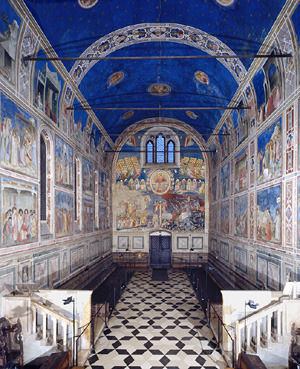
- 64—Golden Haggedah (Plagues of Egypt)
illuminated manuscript
educational usage instead of graven images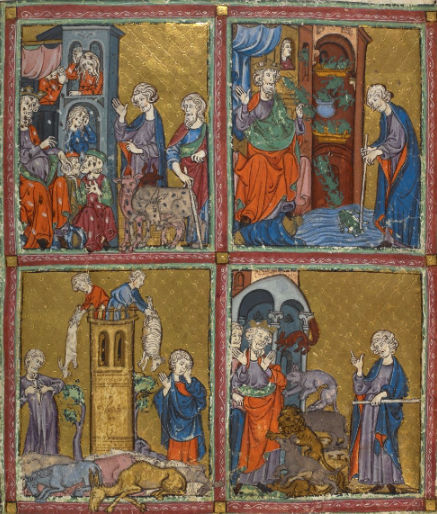
- 65—The Kaaba
Mecca, Saudi Arabia
hajj: pilgrammage to Mecca
touch the black stone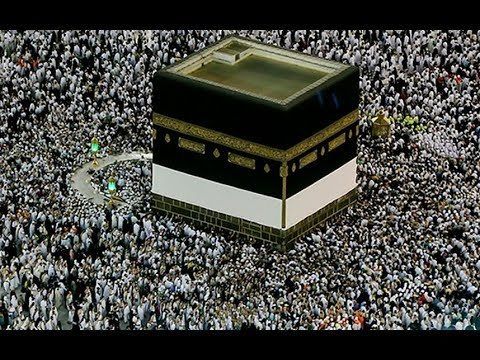
- 66—Dome of the Rock
Jerusalem, Palestine
aluminum and bronze dome
ambulate around
spolia: repurposed stuff
No Jews allowed
Jews: Temple Mount
Muslim: Holy Sanctuary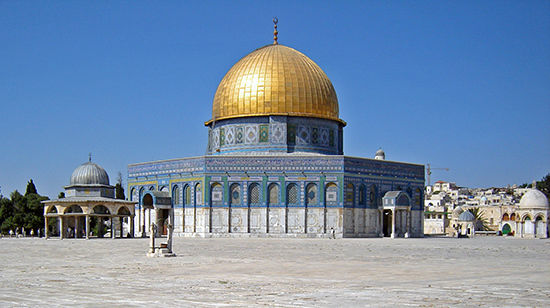
- 67—Basin (Baptistere de St. Louis)
Brass inlaid with gold and silver
niello: black mixture of copper, sulfur, + lead
at Louvre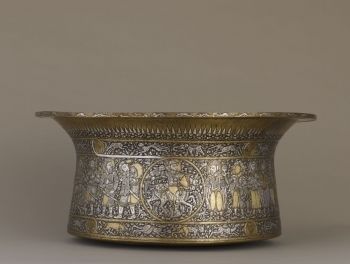
- 68—Alhambra
Granada, Spain
Whitewashed adobe stucco
garden representing paradise
caligraphy and vegetal patterns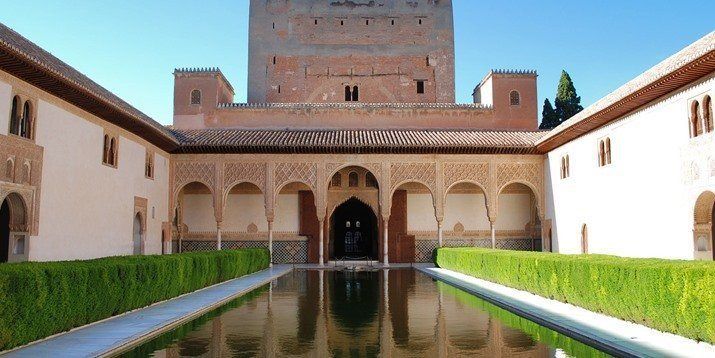
- 69—Great Mosque (Masjid-e Jameh)
Isfahan, Iran
blue from lapis or cobalt
minarets like Trajan columns
muqarnas: cupped niches
ogival arches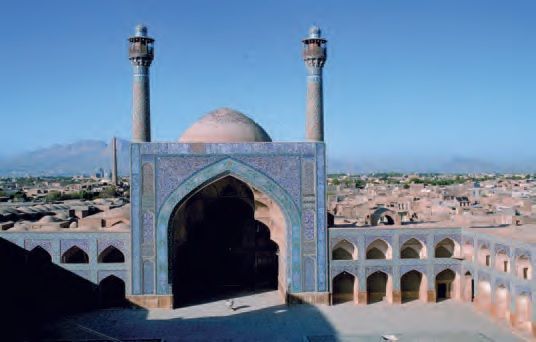
- 70—Foilo from a Qur-an
currently at Morgan Library
mathematical rations of length + height
sura: chapter of the Qur-an
this was the story of the Spider about the fragility believing in a fake god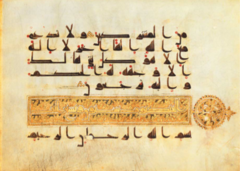
- 71—Great Mosque at Cordoba, Spain
red brick, horseshoe arches
vegetal patterns with repeated geometry
orange garden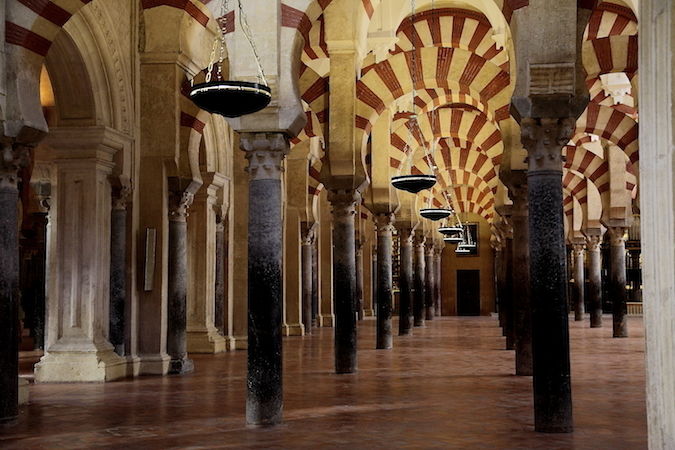
- 72—Pyxis of al-Mughira
Ivory
given as a gift, not for worship
storing cosmetics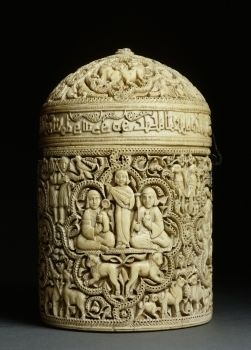
- 73—Bahram Gur Fights the Karg, folio from the Great Il-Khanid Shahnama
opaque watercolor
calligraphy
Chinese influence: trees, animals, positioning, and landscape
European: halo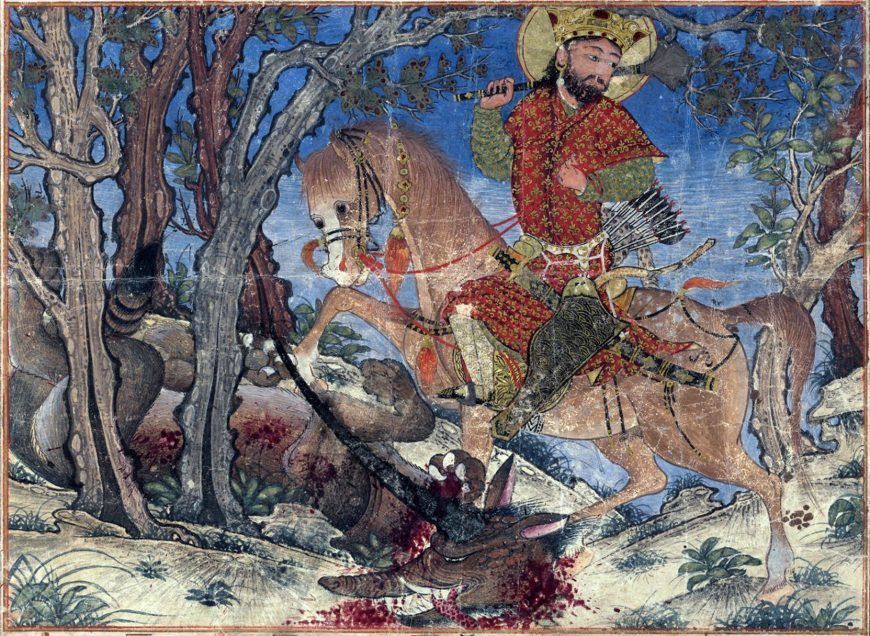
- 74—The Court of Gayumars, folio from Shah Tahmasp's Shahnama
opaque watercolor
blending, luminous pigments
Chinese swimming clouds + branches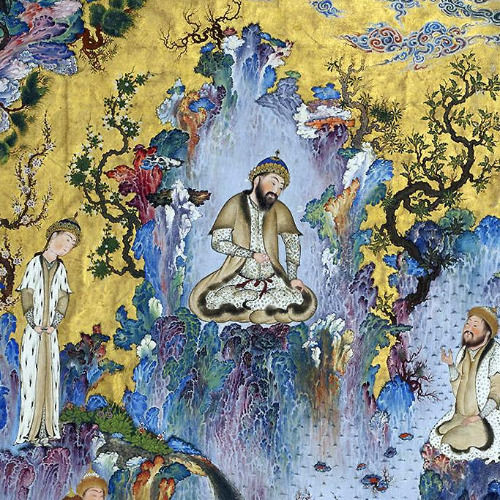
- 75—The Ardabil Carpet
Silk and wool
cartuse: rectangular square for caligraphy
mordant: dye + cloth
340 knots per square inch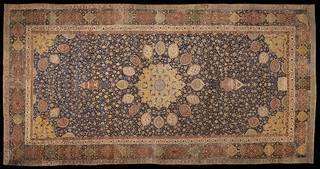
- 76—Mosque of Selim II
Edirne, Turkey
Qibla wall: wall facing Mecca
madrassa: islamic schools
built to top Hagia Sophia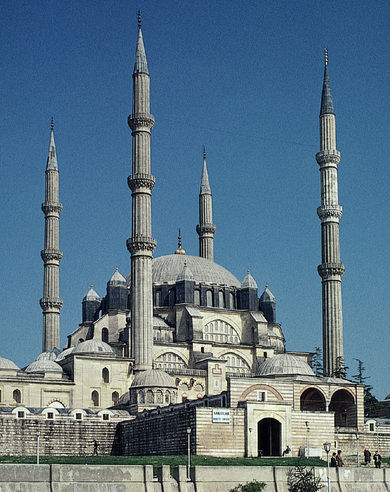
- 77—Jahangir Preferring a Sufi Shaikh to Kings
cherub: winged baby angels
Ottoman Sultan
James the first
Painter in corner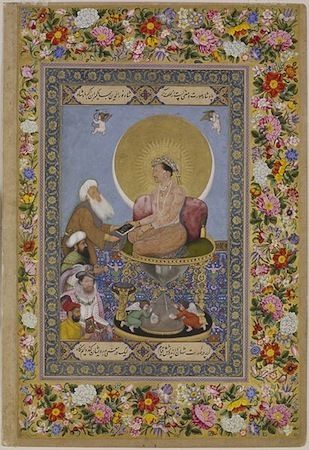
- 78—Taj Mahal
Agra, Uttar Pradesh, India
Mughal Empire
tourist attraction today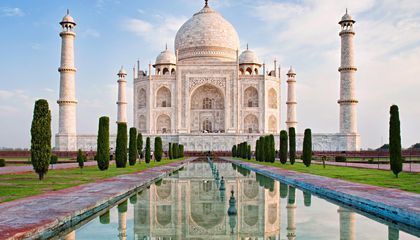
- 79—Great Stupa at Sanchi
circumambulation
high relief carvings of Buddha in lotus
chattras: symbolizes the three plates of Buddhism, darma, buddha, sangha
Four Noble Truths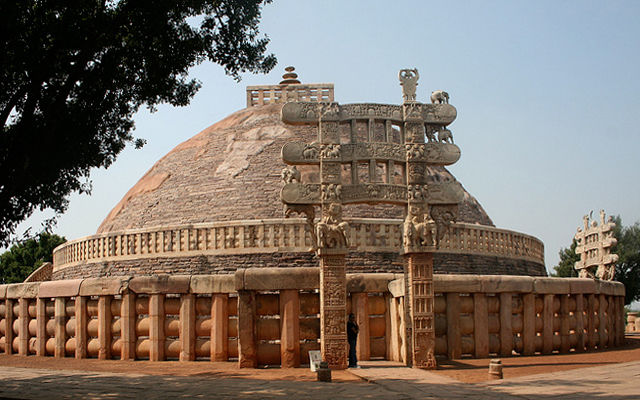
- 80—Terra Cotta warriors from mausoleum of the first Qin emperor of China
Painted terra cotta
laquer: sap painted on
cinnabar: red color
different faces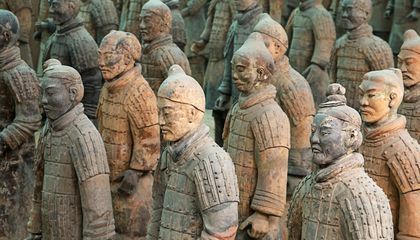
- 81—Longmen caves
Luoyang, China
Limestone
4 Heavenly Kings (NESW)
carved into the wall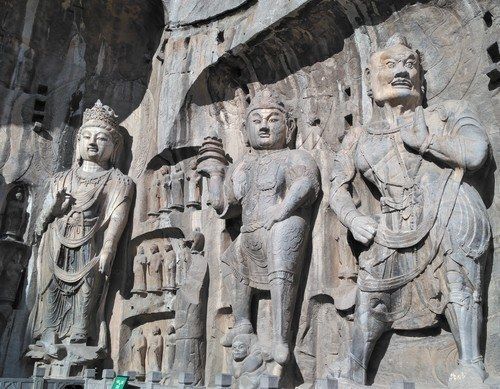
- 82—Jowo Rinpoche, enshrined in the Jokhang Temple
Lhasa, Tibet
conch shell necklace
kept in great condition
brought to Tibet in Chinese princess dowry
pilgrimage site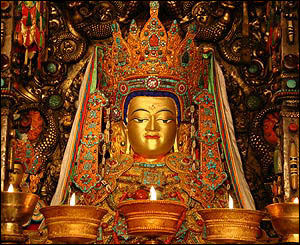
- 83—Funeral banner of Lady Dai
Painted silk
4 registers
1. heavenly realm
2. Lady Dai + servants
3. Body of Lady Dai + mourners
4. Otherworld, 2 black fish, 2 boats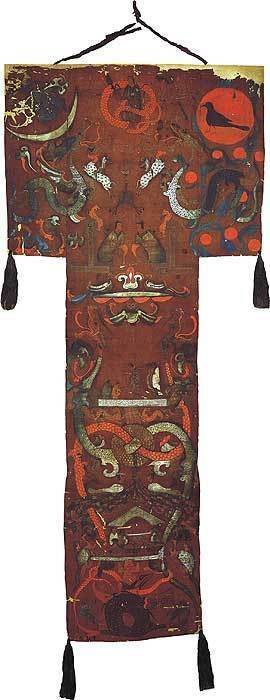
- 84—Buddha
Bamiyan, Afghanistan
destroyed in 2001
cut rock with plaster and polychrome paint
greek hellenistic influence from Silk Road
circumambulate + leave offerings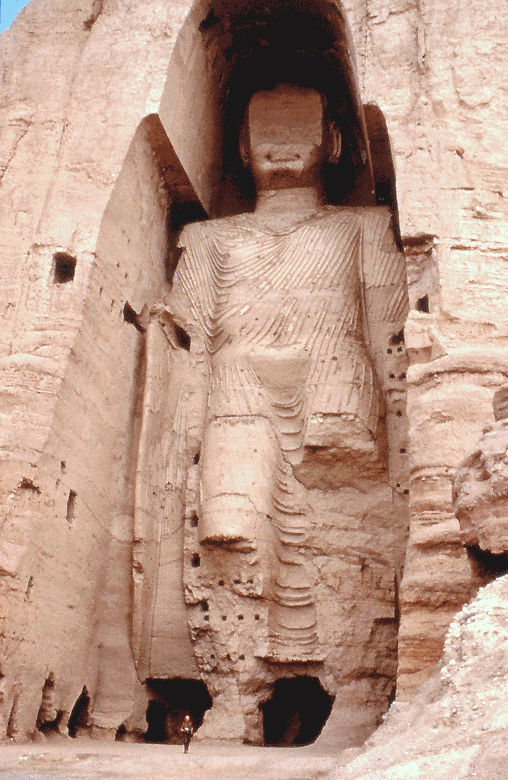
- 85—Gold and Jade Crown
Three Kingdoms Period in Korea
antlers on the side (native reindeers)
made of gold alloy (fragile, worn for rituals)
found in a tomb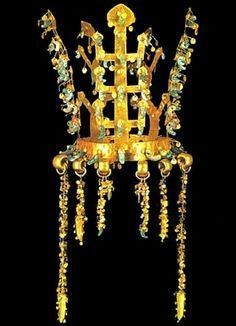
- 86—Todai-ji
Nara, Japan
Bronze + wood structure, ceramic tile roof
post + bracket
Mahayana
warrior statue + 40 ft Big Buddha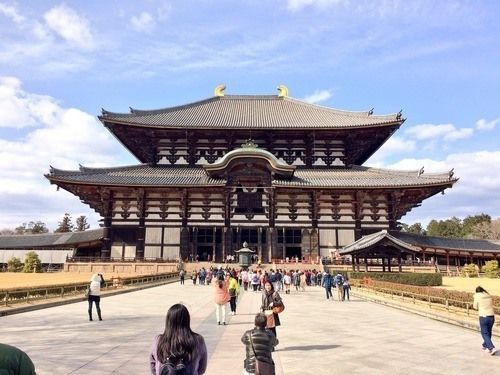
- 87—Borobudur Temple
Central Java, Indonesia
Volcanic stone masonry
Theravada
High Relief carvings depict life of Buddha
6 levels, 3 circular terraces
largest Buddha temple in the world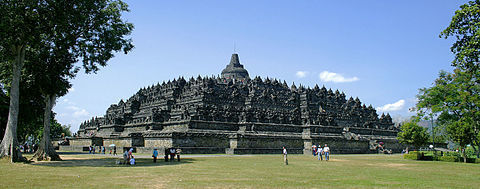
- 88—Temple: Angkor Wat, city: Angkor Thom
Khmer Empire
Largest religious monument in the world
Cambodia
Churning of the Ocean of Milk, story of the creation of the universe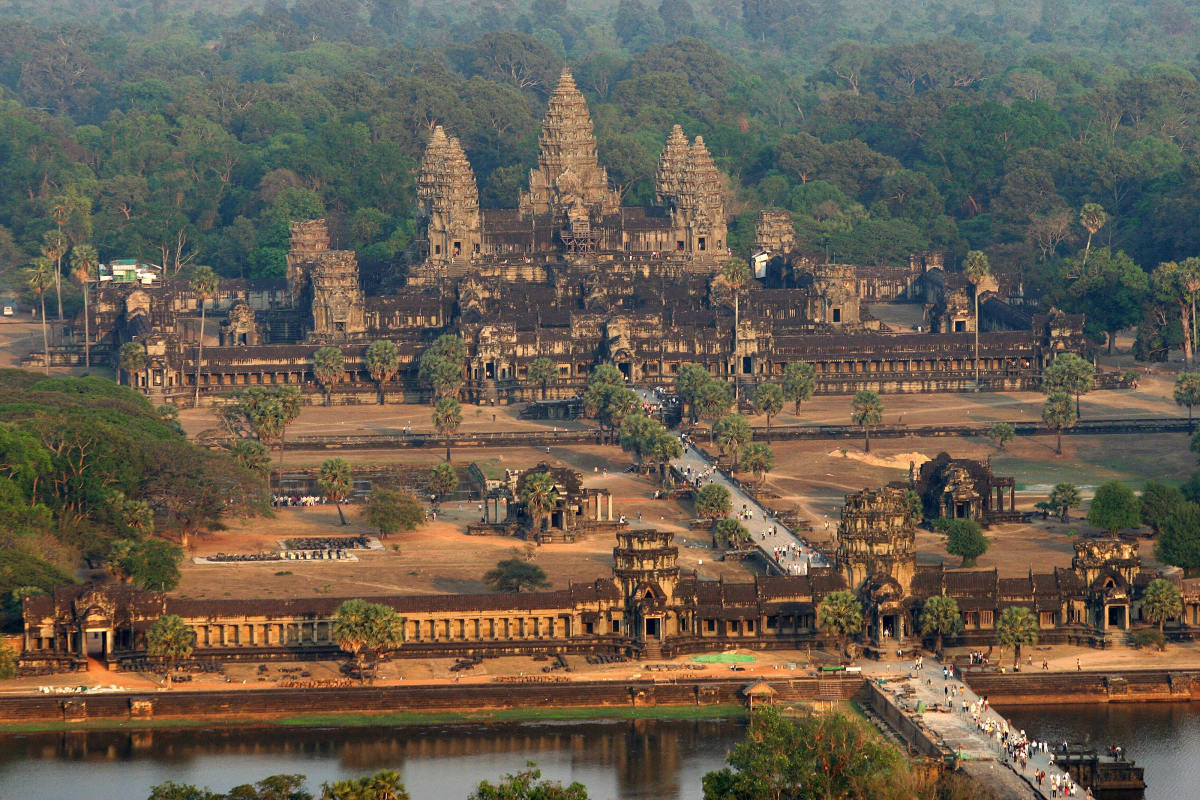
- 89—Lakshmana Temple
Khajuraho, India
sandstone
Nagara architecture (rising peaks from mt)
womb chamber (holiest spot)
built to honor Janism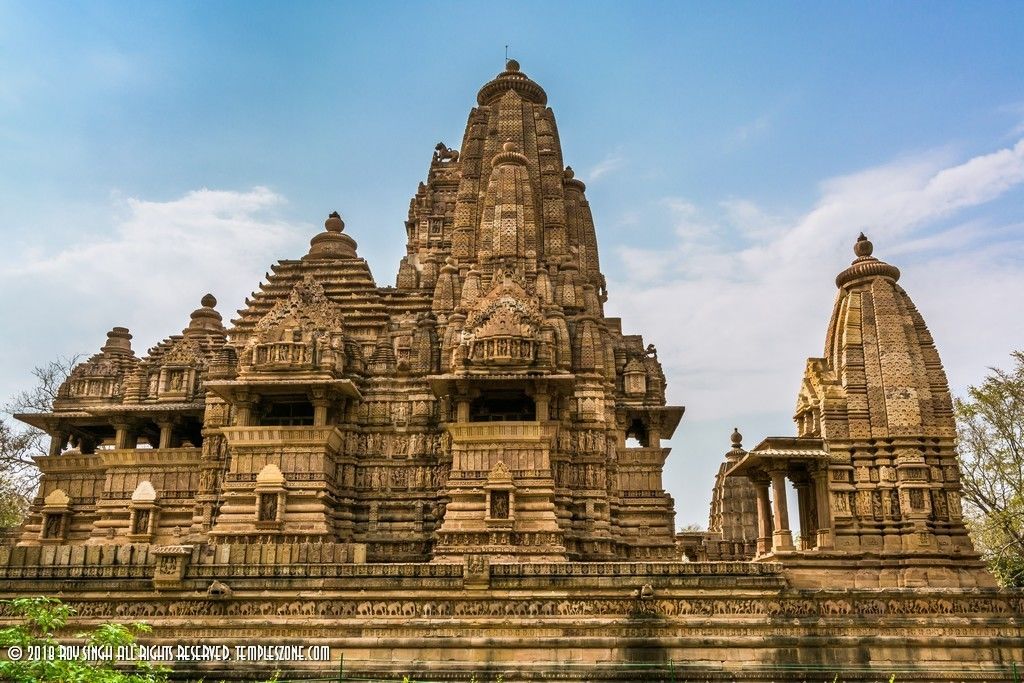
- 90—Travelers among the Mountains and Streams
ink and colors on silk
Fan Kuan
shifting viewpoint
Neo-Confucion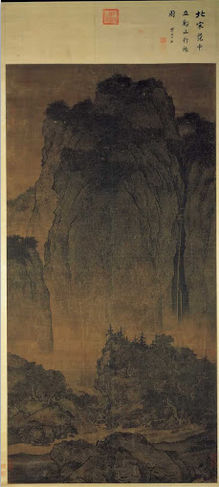
- 91—Shiva as Lord of Dance (Nataraja)
carried on a pole
4 arms
1. sounds the drum
2. holding a flae to destroy the universe
3 + 4. top is blessing, bottom relieves fear
hair of cobra snakes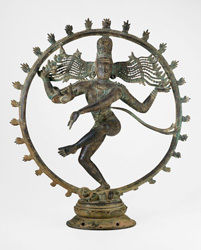
- 92—Night Attack on the Sanjo Palace
Handscroll (emaki)
swift brushstrokes capture movement
birds eye view
short war between samuris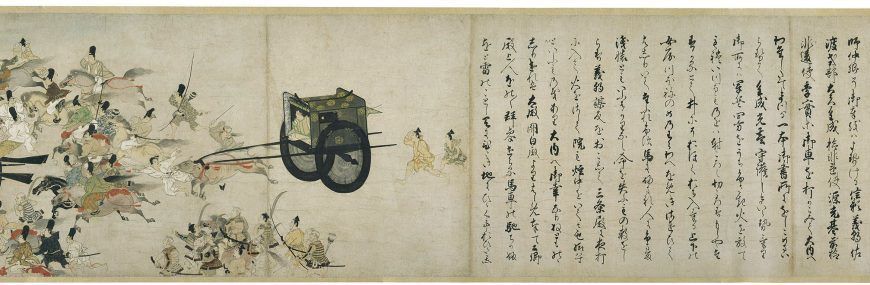
- 93—The David Vases
White porcelain with cobalt-blue glaze
owned by Sir Perceival David's collection
given to the British Museum after death
made for altar of Daoist temple
worshiped a general + his family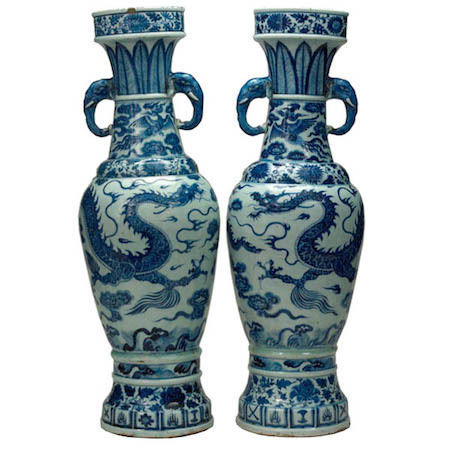
- 94—Portrait of Sin Suku
Imperial Bureau of Painting
Hanging scroll
official robe with rank badge
wrinkles of wisdom
Jesuit missionaries = naturalistic face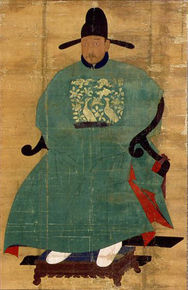
- 95—Forbidden City
Beijing China
picture of Mao Ze Dong
Gate of Heavenly Peace
palace complex for emperor and family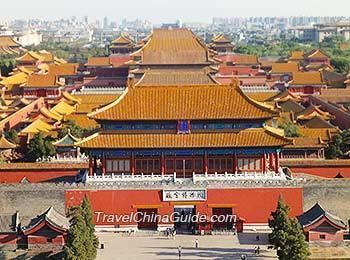
- 96—Ryoan-ji
Kyoto, Japan
Rock garden
wabi: refined austerity (simple elegance)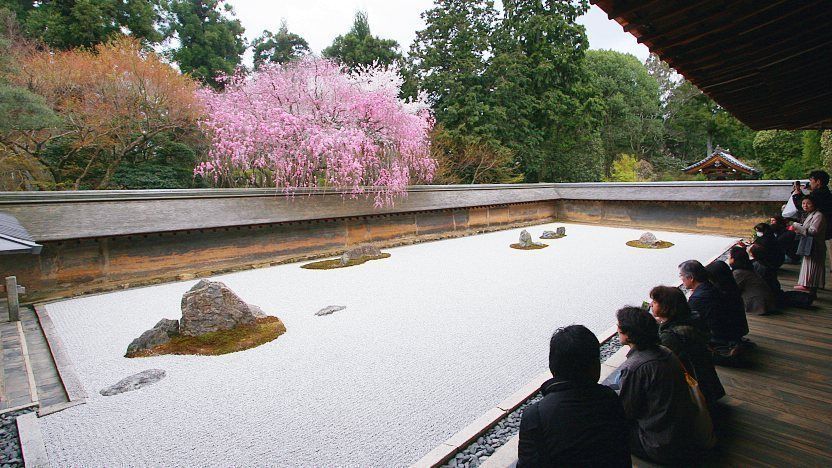
- 97—White and Red Plum Blossoms
Ogata Korin
ink, watercolor, and gold leaf on paper
Korin Style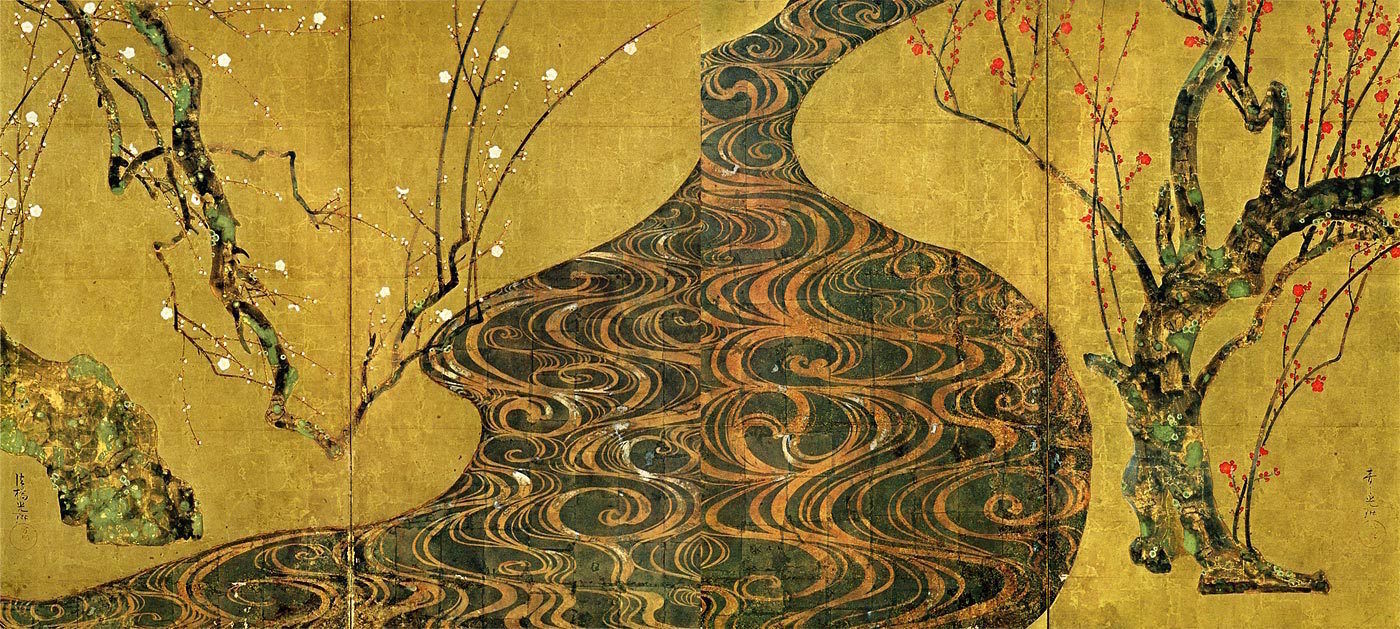
- 98—Under the Wave off Kanagawa (Great Wave)
Polychrome woodblock print
mountain framed in background
ukiyo-e: pictures of floating worlds
Dutch trade in japan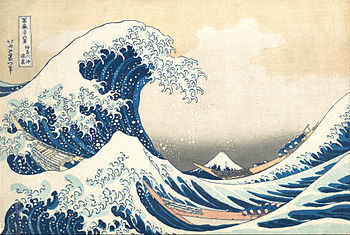
- 99—Black-on-black ceramic vessel
Maria Martinez + Julian
National Museum of Women's Art DC
11 by 13 inches
integrated old techniques (more popular)
hand shape using coiled method
collected smoke to create dark color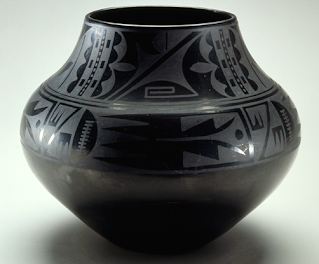
- 100—Transformation Mask
ovoid shape
pull at a string to open face
potlach
mystic creatures to human face
formline style with 'u' or 's' shape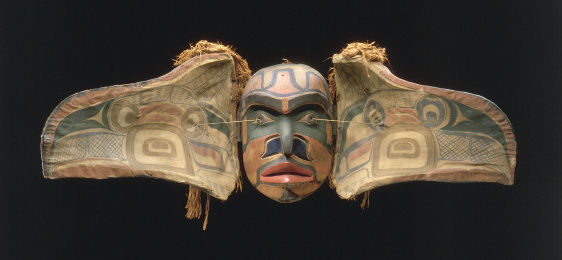
- 101—Painted elk hide
Wyoming
disproved primitive view Native Americans
raising a buffalo head to honor creator
used a stencil to replicate forms exactly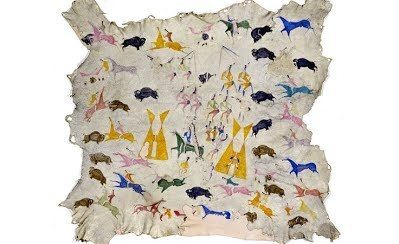
- 102—Chavin de Huantar
Northern Highlands, Peru
Lanzon: Great Spear
accoustic purpose for amplification of sound
contains a nose ring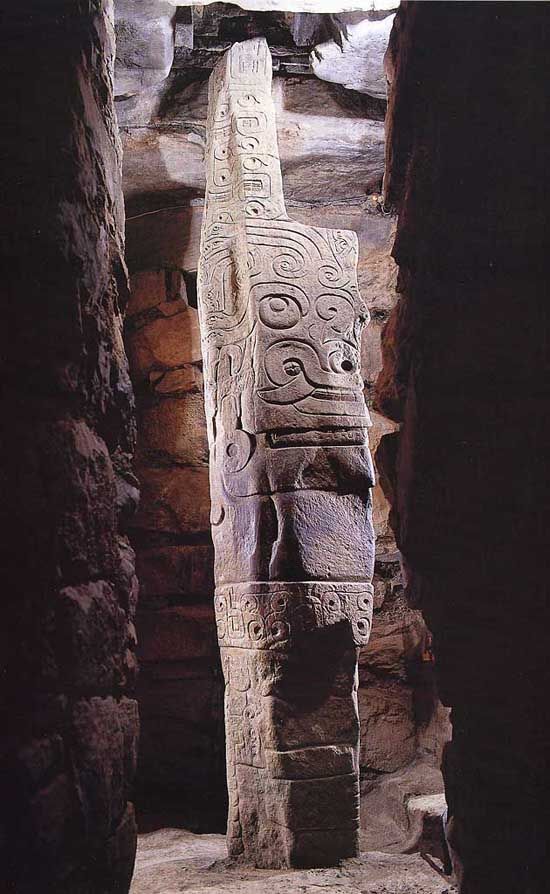
- 103—Mesa Verde cliff dwellings
Colorado
Sandstone
moved after severe drought
kivas for ritual worship
multileveled
sun in winter, shade in summer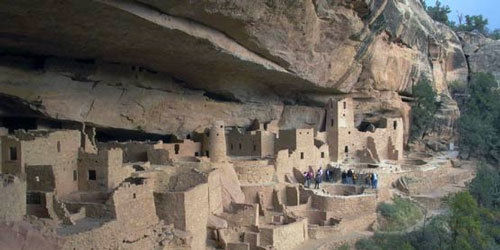
- 104—Yaxchilan
Chiapas, Mexico, Mayan
Limestone
Lady Xook with husband Shield Jaguar 2
auto-sacrifice blood for hallucinations
British Museum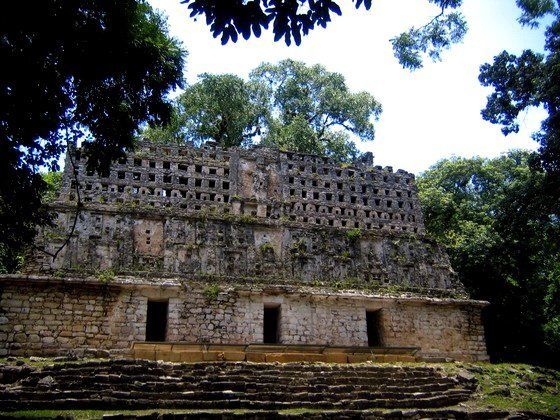
- 105—Great Serpent Mound
southern Ohio, Eastern woodlands
swallowing the sun
earthmound
burial ground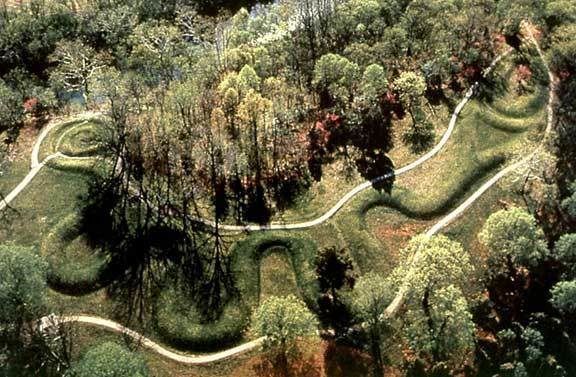
- 106—Templo Mayor
Tenochtitlan, Aztec
Coyolxauhqui Stone (sister defeated by Hui)
Huitzilopochli was patron deity of Mexica
Tlaloc: rain god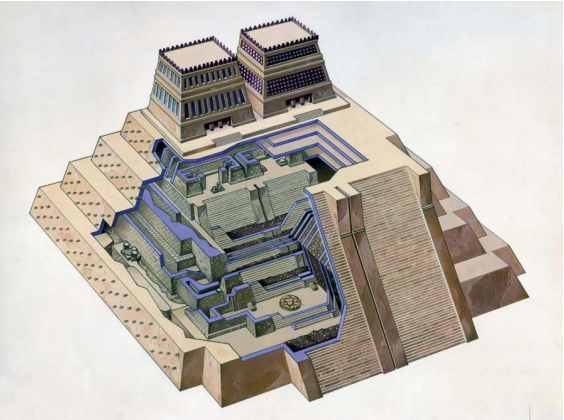
- 107—Ruler's feather headdress
(probably of Moctezuma II)
Aztec (Mexica)
materials from vast empire
tribute system
Quetzal: blue green
Cotinga: light blue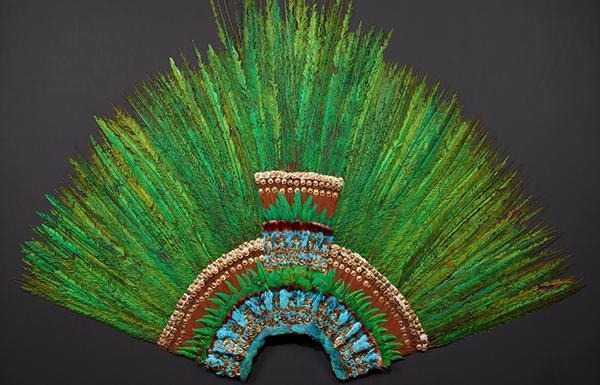
- 108—City of Cusco
Qorikancha: shrine
stones irregular, perfect fit w/o mortar
Incan
mita: everyone in empire had to work for a set amount of time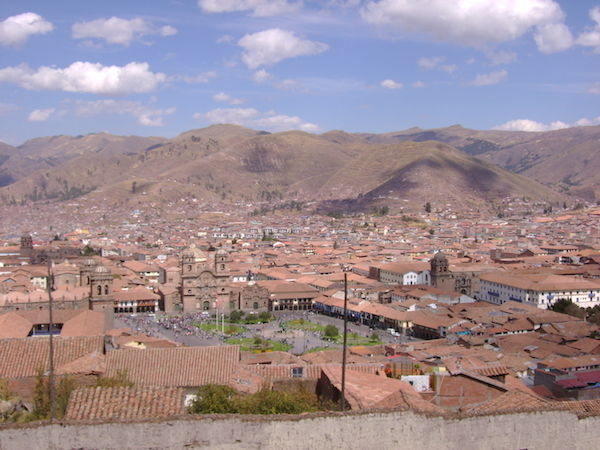
- 109—Maize cob
Sheet metal: repousse
naturalistic
Incan
homage to agricultural power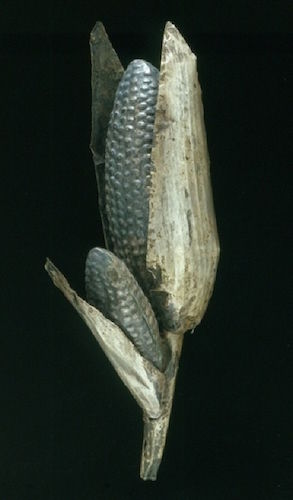
- 110—Machu Picchu
Central highlands, Peru, Incan
Granite
royal retreat
ihtihuatana: sun dial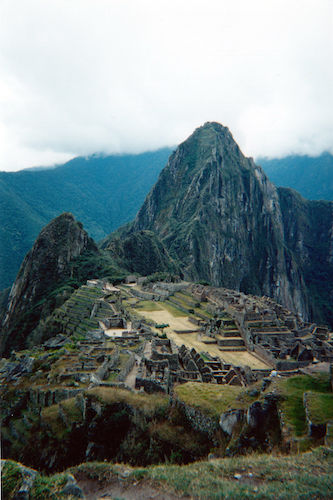
- 111—All-T'oqapu tunic
Camelid fiber and cotton
alternating colors and shapes
cochineal: insect that makes red dye that lives on the prickly pear cactus
Incan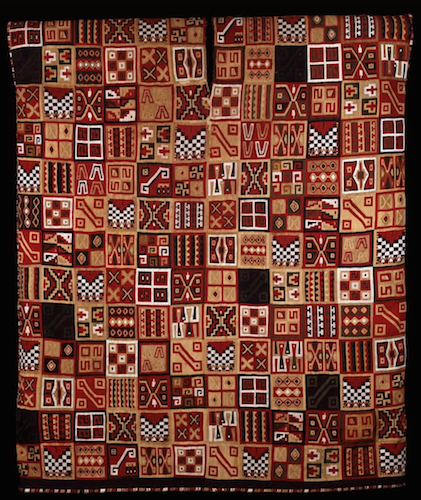
- 112—Frontispiece of the Codex Medoza
Viceroyalty of Spain
made by the Aztecs
priest with ear cut off, blood letting
eagle on cactus
skull rack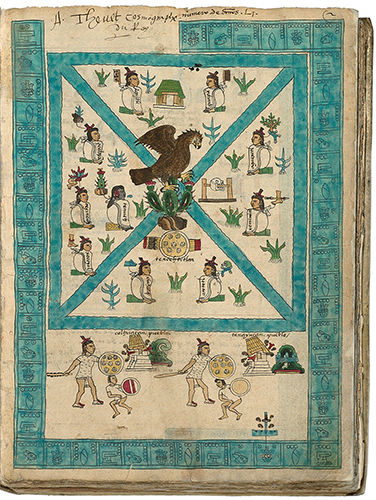
- 113—Bandolier Bag
Delaware tribe (Eastern Woodlands)
Beadwork on leather
Venice was center of bead production
Prairie style, floral patterns
non-Native American trade
leather ceremonial outfits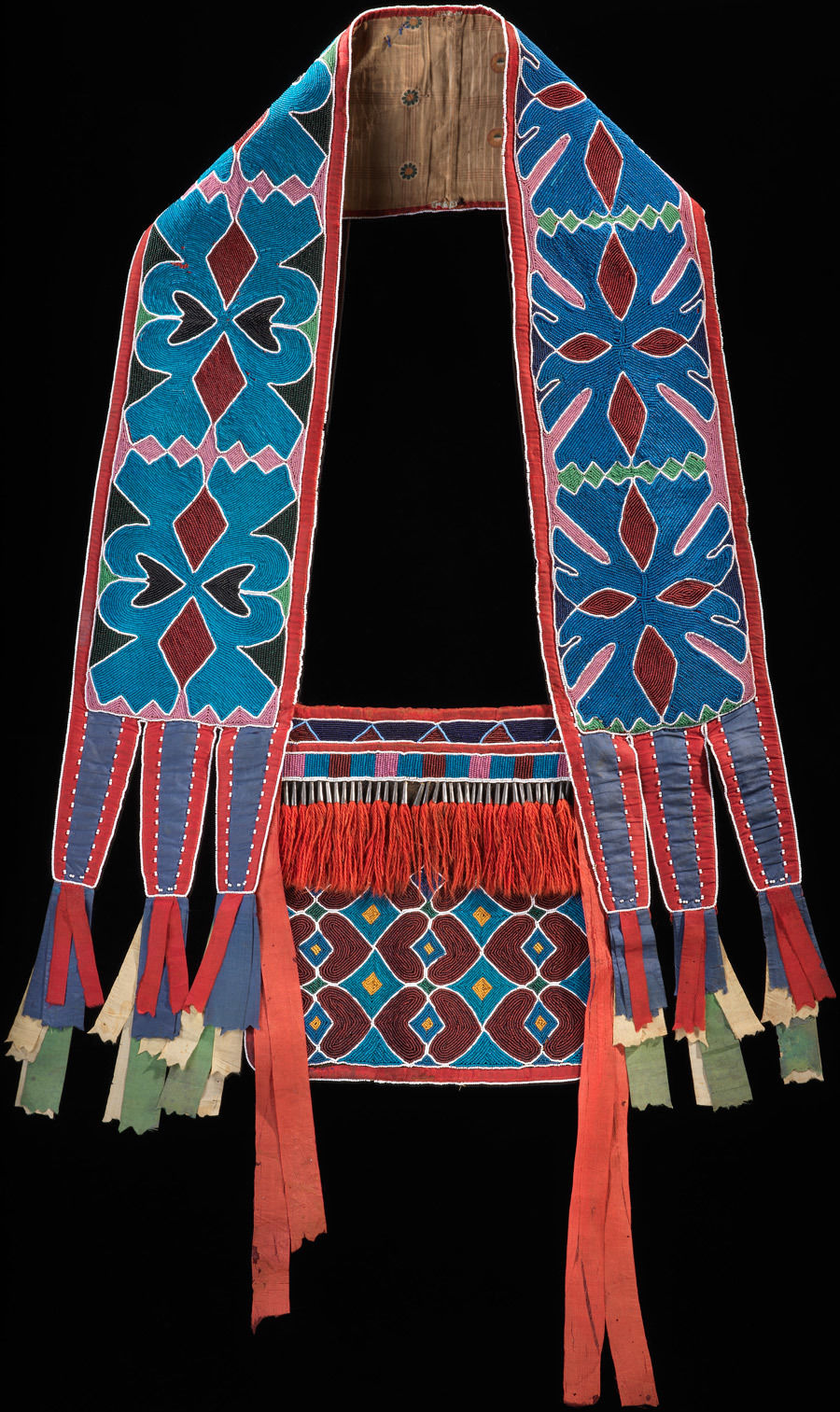
- 114The work (Jade Cong) shown was created during the prehistoric period in what is now calledLiangzhu, China
- 115The work (Jade Cong) was created by manipulating which of the following materials?A difficult-to-carve mineral called jade, formed using precise sanding techniques
- 116Works such as the Jade Cong have been discovered primarily ingravesites, where they were likely placed as part of funerary practices
- 117While the exact function and meaning of the Jade Cong remains unknown, scholars have theorized that they were intended to facilitate a connection between the physical and spiritual worlds because of theinterlocking square and cylindrical forms, which are believed to symbolize different realms
- 118The vessel shown (Beaker with Ibex motifs) was created usingpainted terra cotta
- 119The Beaker with Ibex motifs was made between4200 and 3500 B.C.E
- 120Scholars believe that the Beaker with Ibex motifs was most likely used in a ritual context for which of the following reasonsIt was buried in a cemetary, underneath an aritficial mound
- 121Scholars have theorized which of the following about the stylized animals painted on the Beaker with Ibex motifsThey represent both the wild and the domesticated animals of an agricultural society
- 122Some archaeologists have speculated that the Ambum Stone represented a totemic animal, while others suggest that the Ambum Stone wasa tool used to grind or pound substances
- 123While most scholars agree that the specific purpose of the work shown can no longer be determined, some have speculated that the artist chose to usea sacrum bone because it may have had spiritual significance
- 124The artist who created the Neolithic rock painting shown from Tassili-n-Ajjer, Algeria, most likely drew lines and dots on the bodies of the figures torepresent physical ornamentation that was used in ritual contexts
- 125The detail of the cave painting shown is visually similar to those found in the Great Hall of the Bulls at Lascaux in that theanimals are depicted in profile to convey their distinctive qualities
- 126The megalithic structure shown uses a similar building technique to that of Stonehenge, in that the stones arearranged with upright vertical elements supporting a horizontal element
- 127The anthropomorphic stele found near Ha'il, Saudi Arabia, is believed to have functioned as agravemarker, because it was found in a funerary context
- 128The form of the Tlatilco female figuring best expresses a concept of duality through theinclusion of two connected heads on a single body
- 129The pattern of a human face on the terra cotta fragment from Lapita was most likely created using which of the following methodsIncising
- 130The Apollo 11 stones may have functioned asan early form of portable art
- 131Most scholars believe that the bluestones used during the early construction phases at Stonehenge weretransported with difficulty from a distant site, showing an ancestral connection to that region
- 132Which of the following was one technique employed by Paleolithic artists at the Great Hall of the Bulls at Lascaux to create the clear lines of the animal's formUsing hands as stencils while blowing pigments to spray a surface
- 133The form of the anthropomorphic stele is best described asstylized
- 134The Seated Boxer was created in the style associated with which of the following cultures?Hellenistic Greek
- 135The Seated Boxer was created using which of the following techniques?Lost-wax casting to mold bronze into a hollow form of the figure
- 136The Seated Boxer demonstrates a shift in style from earlier depictions of athletes through itsinclusion of a broken nose and multiple wounds to elicit empathy from the viewer
- 137In its naturalistic pose, the Seated Boxer is most similar to which of the following works?Victory adjusting her sandal
- 138The Pantheon in Rome is believed to have been built asa temple dedicated to the worship of the gods
- 139In order to support the immense weight of the Pantheon's dome, Roman imperial architects useda think-walled rotunda on which the coffered dome rests
- 140The inscription "Agrippa" in te entablature frieze was included most likely to reference theconsul who had commissioned an earlier structure on this site
- 141Ancient Roman audiences would most likely have responded to the experience of entering the Pantheon in which of the following ways?With surprise, because the vast circular interior is not suggested by the columned rectilinear facade
- 142The relief of Akhenaton, Befertiti, and three daughters was most likely originally displayedin a household shrine used for private worship
- 143Akhenaton, Nefertiti, and three daughters demonstrates continuity within ancient Egyptian artistic traditions through itsdepiction of figures in composite poses
- 144Akhenaton, Nefertiti, and three daughters demonstrates change within ancient Egyptian artistic traditions through itsrendering of the human body with elongated, curvilinear forms
- 145The changes in artistic practices during the Amarna period that are exemplified by Akhenaton, Nefertiti, and three daughters were most likely caused bythe introduction of new religious beliefs
- 146The portrayal of Akhenaton and Nefertiti would have been viewed in its original cultural context as unconventional by it ancient Egyptian audience because it showsthe pharaoh and his family in an affectionate scene
- 147The architectural complex shown is the Audience Hall (apadana) of Darius and Xerxes at Persepolis, built circa520 - 465 B.C.E
- 148The Audience Hall (apadana) at Persepolis reveals the vastness of the Persian Empire byincluding artistic styles and materials from the different cultures ruled by the Persians
- 149The sculptural program on the stairs leading to the apadana reflect the function of the Audience Hall as the seat of the seat of the Persian King by depictingforeign representatives in various regional attire carrying offerings to represent the many subjegated peoples who paid tribute to the empire
- 150The creator of Tutankhamun's innermost coffin depicted the pharaoh holding the crook and flail most likely toassert Tutankhamun's power and authority beyond the earthly realm
- 151Apollodorus of Damascus included which of the following components in his overall design for the Forum of Trajanan adjacent multilevel public market
- 152Although the Great Altar of Zeus and Athena at Pergamon was created as a religious structure, analysis of its sculptural program within its original context suggests that the structure also servedcelebrate an important military victory of the Attalid Dynasty
- 153How do the visual characteristics of the statues of votive figures from the Square Temple at Eshuanna reflect the religious context in which they were originally intended to function?They are depicted with large eyes and prayerful gestures to illustrate their eternal attendance and devotion to the deity on a donor's behalf
- 154The Hypostyle Hall at the Temple of Amun-Re at Karnak most likely includes columns resembling blossoming papyrus stalks within enormous, dimly lit interior to evoke in visitors the impression ofwitnessing the creation of the world arising from the primordial sea
- 155The sculptural work shown (Grave Stele of Hegeso) can be attributed to Classical Greek because of itsidealized depiction of the figures within an architectural setting
- 156The work shown can be identified as a Roman wall painting because of which of the following visual characteristics?A sense of depth created by placing the figures in an architectural space
- 157The architect of the ancient Roman structure shown most likely included octagonal ceiling coffers in the building's design in order toreduce the weight of the concrete barrel vaults
- 158The statue of Augustus of Prima Porta is most similar to which of the following works?Doryphoros (Spear Bearer) because of its idealized proportions and contrapposto
- 159The Great Pyramids at Giza were most likely designed in the same shape as the traditional benben stone to emphasize their function as places wherethe deceased ruler was reborn and ascended to the sky
- 160The Ludovisi Battle Sacrophagus demonstrates a change from earlier Roman relief sculpture in itsrejection of perspective to create a crowded scene of chaos
- 161The plan shown of a villa near Pompeii demonstrates the inclusion of which of the following elements of Roman domestic architecture?A peristyle or colonnaded courtyard
- 162In the Etruscan sacrophagus shown, the reclining figures on the lid are presented through the use ofhigh-relief modeled clay painted with polychrome accents
- 163The metope shown, from the Parthenon, conveys a sense of motion and drama through which of the following techniques?Relief so high that some forms project beyond the picture plane
- 164Michelangelo's altar fresco in the Sistine Chapel differs from medieval depictions of the Last Judgement, such as the sculpted representation of the tympanum of the Church of Sainte-Foy, in that Michelangelo's depiction of Christdepicts him with a muscular body and in a dynamic pose
- 165In the Scenes from the Apocalypse from a Bible moralisee, the use of rich coloration a segmented composition, and instructional content were most likely influenced bystained-glass presentations of religious narratives used in medieval church windows
- 166The artist who created the Scenes from the Apocalypse chose imagery that was intended to elicit which of the following responses?Deeper understanding of the relevance of biblical stories to the era in which viewers lived
- 167The study of Bibles moralisees from the thirteenth century was influential on the creation of other medieval manuscripts in part because thesumptuous materials such as gold leaf demonstrated the wealth and taste of the works' patrons
- 168In the Middle Ages, Chartres Cathedral drew many visitors, primarily because ithoused an important relic of the Virgin Mary in its crypt
- 169The architects who rebuilt Chartres Cathedral after a fire in 1194 CE employed an innovative ground plan and flying buttresses that became exemplary of High Gothic churches by enablingan increase in the height of the central nave while also allowing for enlarged clerestory windows
- 170The designers of Chartres Cathedral intended medieval visitors entering the church to experiencea mystical atmosphere created by the colored light filtering through the many stained glass windows
- 171The Bayeux Tapestry depicts which of the the following historical events?The Norman Conquest
- 172In Angel with Arquevus, Asiel Timor Dei, the Master of Calamarca (La Paz School) has posed the figure of the angel with a Spanish firearm most likely to suggest theprotective power of angels as divine defenders of the Catholic faith
- 173At the Great Mosque of Cordoba, architectural expansion was used by the Umayyads toreinforce the power and grandeur of their rule
- 174The Virgin (Theotokos) and Child between Saints Theodore and George exemplifies early Byzantine pictorial conventions through the use ofa flattened perspective in a composition with spatial ambiguity
- 175The early Christian church Santa Sabinawas modeled on the general plan of an ancient Roman basilica in part because theclerestory windows admitted glowing light that served a practical and spiritual function
- 176The plan for the Court of the Lions at the Alhambra included an open-air patio with a carved, centrally placed fountain surrounded by ornamental plants, a design that was mainly intended to elicit a sense oftranquility and reflection, such as might be experienced in the gardens of paradise
- 177Which of the following descriptions is a characteristic of the work shown that identifies it as a panel painted by Giotto di Bondone in the Arena ChapelStaged composition with theatrical gestures to draw the viewer into the scene
- 178The work shown can be identified as stylistically similar to the Rottgen Pieta because of which of the following characteristicsPhysical and emotional suffering of the figures that is depicted to elicit strong feelings from the viewer
- 179Some art historians have theorized that in the Justinian panel at San Vitale, the artist divided the figures into three distinct but equal groups in order tosymbolize the need to balance imperial, military, and religious powers
- 180Because of the secular nature of the work, the ornamentation of the Basin differs from mosque ornamentation by incorporatinghuman figures
- 181One reason for the central plan of the Dome of the Rock is toaccomodate the practice of circumambulation around a sacred space within
- 182Although the facade of the Treasury of Petra contains many Greek architectural elements, it also departs from Classifcal Greek architecture in itscombination of a broken pediment and tholos
- 183The influence of different stylistic traditions that can be seen in the Treasury of Petra reflects thecentral role that long-distance trade played in Nabataean society, resulting in exposure to other cultures
- 184Visitors of the Kaaba approach the shrine in hope oftouching the Black Stone, which is embedded in the eastern corner of the Kaaba
- 185Jowo Rinpoche's gilded surface and his jewel-encrusted throne and robes are likely perceived by the visitors as expressing thedivine origin of the statue and its close connection to the historical Buddha
- 186Which of the following statements most logically links the form of the Bamiyan Buddhas to the method in which they were created?The statues were carved standing, creating simpler contours than if they were steaded
- 187Although most of the statues' bodies were carved in high relief, the areas around each head and the feet of the larger statue were freestanding in order to providespaces for circumambulation and meditation
- 188Features of the statues that reflect Greco-Roman as well as Asian artistic traditions are best explained byBamiyan's location on the Silk Road
- 189In Il-Khanid courtly culture, the figure of Bahram Gur from the Bahram Gur Fights the Karg folio in the Great Il-Khanid Shahnama would have symbolizedcivilized rule overcoming turmoil or disarray
- 190The choice of traditional subject matter for the illustrated manuscript of Shahnama completed under the direction of Shah Tahmasp in c. 1330-1340 CE is significant because it demonstratesawareness of the sense of cultural identity Persians drew from Firdawsi's poem
- 191The production of the highly detailed pattern design of the Ardabil Carpet was facilitated by thehigh knot count of the woolen pile
- 192The Court of Gayumars is characteristic of traditional Persian minatures in itscrowded composition, multiple viewpoints and complex details
- 193The central significance of the Kaaba in Mecca is reflected in other Islamic architecture in thatthe plans of all mosques are oriented towards its location, as the center of Islamic prayer
- 194The artist conveyed a sense of implied depth in the Court of Gayumars folio frmo Shah Tahmasp's Shahnama byoverlapping human figures and landscape features
- 195For greater stability, the Inka builders of the Walls of at Saqsa Waman usedirregularly sized stones fitted together without any mortar
- 196Works such as the transformation mask reflect the common belief of the Kawkwaka'wakw, an indigenous people of the northwest coast of Canada, thatmythical creatures have the ability to change shape into humans
- 197Maria and Julian Martinez' experimentation with the firing process for works such as the black-on-black ceramic vessel reflected their desire tointegrate older pottery designs with ceramics that would appeal to collectors
- 198The transformation mask is recognizable as a work created by the Kwakwaka’wakw of the northwest coast of Canada because of itsbilateral symmetry and ovoid shapes with undulating outlines painted on wood
- 199The structure shown can best be descried asa step pyramid
- 200The Qorikancha in Cusco functioned as ashrine
Information
- Description
- Flashcards on Untitled, created by Ashley Goodnight on 20/01/2020.
- Created by
- Ashley Goodnight
- Views
- 14
- Rating