
23769702
Description

Flashcards by Michelle Gregory, updated more than 1 year ago

|
Created by Michelle Gregory
over 6 years ago
|
|
| Question | Answer |
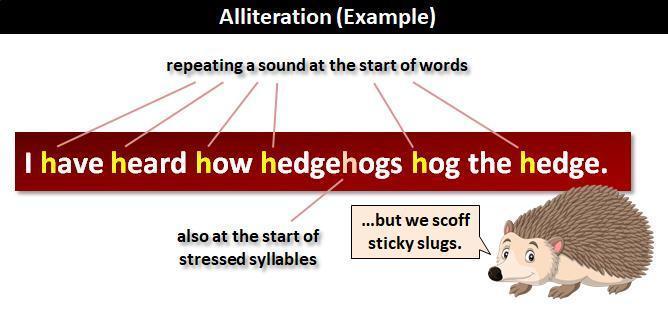
| Repeated letter sound, (not just the same letter) used in a phrase or sentence. | Alliteration |
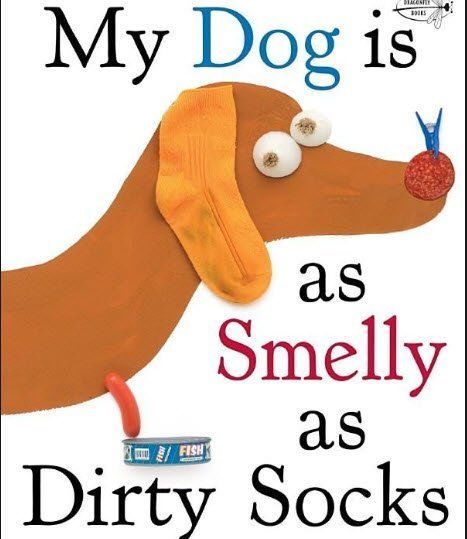
| A figure of speech that directly compares two different things. It is usually in a phrase that begins with "as" or "like." | Simile |
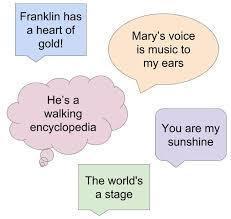
| Used to make a comparison between two things that aren't alike but have something in common. It is not literally applicable. | Metaphor |
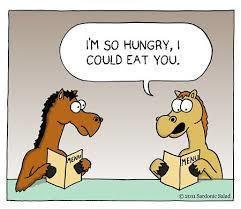
| An exaggeration of ideas for effect. Often used in day-to-day speech. It’s an unreal exaggeration to emphasise the real situation. | Hyperbole |
| A writing principle that suggests that a trio of events or characters is more humorous, satisfying or effective than other numbers. | Rule of Three |
| Relating to numbers, a numerical fact. It cost £60 a month for the subscription! Over 30,000 attended the music event. | Statistics |
| Shortened forms of words or phrases | Abbreviation/Acronym |
| Where a writer refers to themselves. Look for words including: " I", "me", "my", "we", "our" and "us". | First Person |
| A writing technique where the writer addresses the reader. Look out for the words ‘you’ and ‘your’. It creates a relationship between reader & writer | Direct Address |
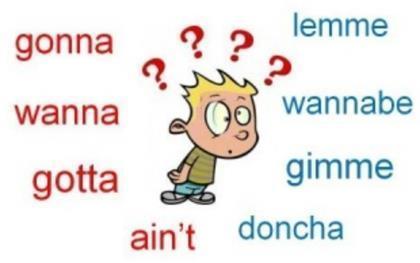
| The way you might speak to friends or family. | Informal language/Colloquialism |
| A question that you ask without expecting an answer. It may not have an answer, or may have an obvious answer. Used to make a point, to persuade or for effect. | Rhetorical Question |
| Used to express surprise, shock or a strong emotion about something. | Exclamation |
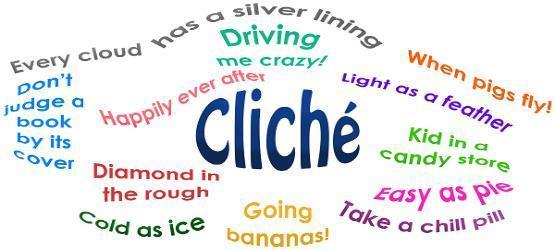
| An expression or idea which has become overused. It loses its original meaning and can even be irritating. |
Image:
Cliche (binary/octet-stream)
|

Want to create your own Flashcards for free with GoConqr? Learn more.