
Flashcards
General anesthetics
Cards in this deck (14)
- 1—Diethyl ether
High potency: analgesic and
neuromuscular relaxing effects
Very slow induction and recovery
Flammable and explosive when mixed with air, oxygen, or nitrous oxide-->not given anymore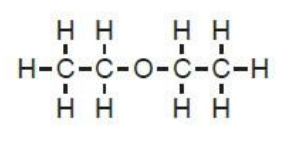
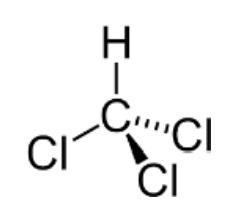
- 2—Chloroform
Very potent anesthetic agent (analgesic + neuromuscular relaxing activity)
Carcinogenic, hepatotoxic, nephrotoxic,
cardiotoxic (arrhythmias and severe
hypotension) → not a useful anesthetic agent - 3—Halothane
High potency
Rapid onset and recovery
Sweet odor, nonflammable
for children
spontaneous oxidative decomposition to HCl and HBr → comes in dark, amber glass containers
Hepatotoxicity: caused by elevated liver transaminase enzymes due to impaired oxygenation of the hepatocytes
during exposure to this anesthetic SEE METABOLISM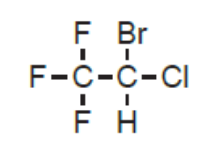
- 4—Desflurane
Poor blood solubility → Rapid induction
and short recovery → popular in
outpatient surgical procedures
Pungent volatile
Minimally metabolized → no hepato- or nephro- toxicities
low blood/gas PC
high oil/gas PC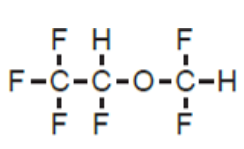
- 5—Enflurane
Non pungent odor
High dose → convulsions →seizures
May increase HR, cause cardiac
arrhythmias and at high concentrations circulatory depression
• Relaxes the uterus → not during labor
• Hepatotoxicity (less than halothane)
low blood/gas PC
high oil/gas PC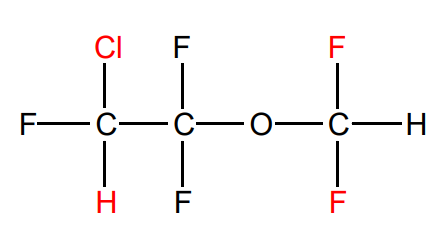
- 6—Isoflurane
Pungent → cause irritation to throat and
respiratory tract → cough and laryngospasm
Fewer cardiovascular effects than Enflurane
Hepatotoxicity (much lower than with
halothane)
low blood/gas PC
high oil/gas PC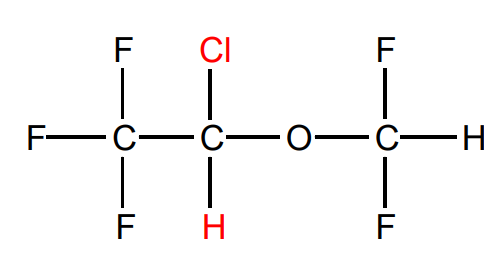
- 7—Sevoflurane
Low blood solubility → rapid induction/recovery
Pleasant odor→ Not irritating
reacts with desiccated carbon dioxide
adsorbents--> major product 2-(fluoromethoxy)-1,1,3,3,3-pentafluoro-1-propene-->nephrotoxic
low blood/gas PC
high oil/gas PC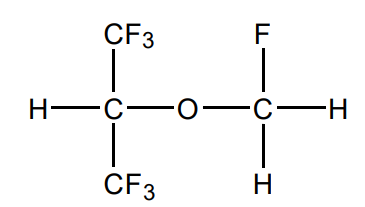
- 8—Methoxyflurane
Most potent of all agents
Highest solubility in blood → slow induction and recovery
higher blood/gas PC
high oil/gas PC
50% is metabolized
into toxic metabolites → produces F-in plasma> 40 uM (threshold value) → nephrotoxicity
→ seldom used as a general anesthetic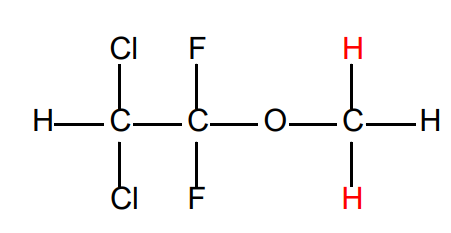
- 9—Nitrous oxide
Commonly called “laughing gas”
Pleasant sweet smell
Alone is not capable of producing surgical anesthesia → used as adjunct
Adverse Effects: Irreversible oxidation of Co atom in VitB12 ➔ inactivation of enzymes dependent upon this vitamin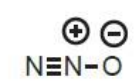
- 10—Cyclopropane
inhaled anesthetic
flammable and explosive
- 11—Profolol
IV- in outpatients (infrequent vomiting)
Induction and maintains anesthesia
Quick onset of action and quick recovery
Increase GABAergic neurotransmission
Poor water solubility ➔ formulated as
oil-in water emulsion
Highly metabolized (glucuronidation)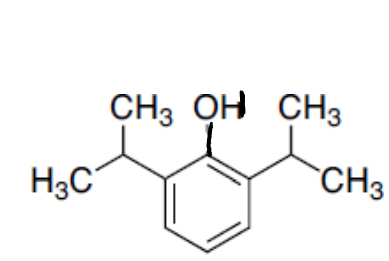
- 12—Ketamine
Very potent
Relatively slow onset (2-5 min)
Short DOA(10-25 min)
Profound analgesia (sits on opioid receptors)
Only used in procedures of short duration that don’t require muscle relaxation
Hallucination during “emergence delirium”
Visual, auditory, and confusional
illusions, misperceptions, misinterpretations
Metabolized in liver (N-demethylation) → Norketamine (active)
MOA: blocks NMDA receptor
Produces dissociative anesthesia ➔ patient may remain conscious, though amnesic and insensitive to pain.
BP and HR increase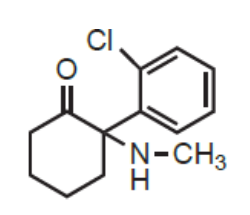
- 13—Thiopental
Ultra-short acting barbiturate
Very rapid and pleasant
induction of anesthesia (20
sec) that can be
maintained with other agents
DOA: 5-10 min
MOA: enhance Gabaergic
effects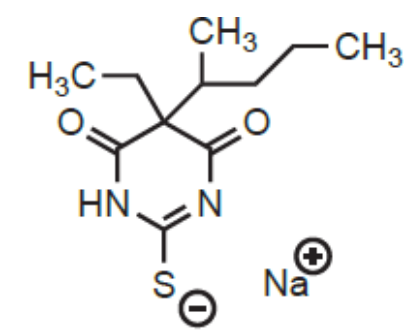
- 14—Etomidate
Potent, rapid and short acting hypnotic
Poor water solubility
Binds to GABA receptors
Lacks analgesia
Hydrolyzed by hepatic esterases to the corresponding inactive carboxylic acid
May precipitate seizure (like enflurane)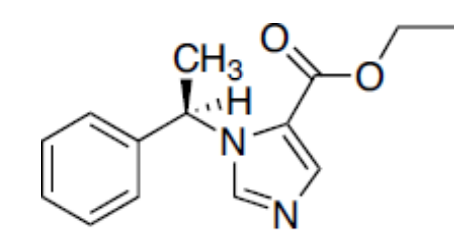
Information
- Description
- Pharmacy Flashcards on General anesthetics, created by Cyrielle Saba on 06/12/2020.
- Created by
- Cyrielle Saba
- Views
- 8
- Rating