
Flashcards
Science ks3 exam
Cards in this deck (9)
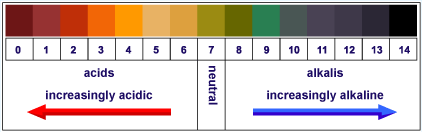
- 1Acids and AlkalispH can be measured by litmus paper, universal indicator or a pH meter.
- 2Energy TransfersLight, Electrical, Gravitational, Sound, Heat, Nuclear, Elastic, Chemical and Kinetic.
Sankey diagrams show wasted energy
Combustion = FUEL + OXYGEN --> CARBON DIOXIDE + WATER - 3CellsAll cells have nucleus, cytoplasm, cell membrane.
Plant cells have cell wall, chloroplast and vacuole.
Specialised cells have features to make them better at their job (eg. red blood cells, wide surface area to carry more oxygen) - 4Tissues and OrganismsOrgan systems made of organs, organs made of tissues, tissues made of cells.
People can transplant organs. - 5ReproductionKey words: Uterus, Cervix, Ovaries, Prostate, Urethra, Zygote, Embryo, Menstruation, Courtship.
Fertilisation (sperm meets egg) can be internal (like humans) or external (like fish). - 6Particles and ReactionsChemical changes are when molecules change (eg. iron rusting to become iron oxide.)
Physical changes do not change molecules, (eg. melting an ice cube)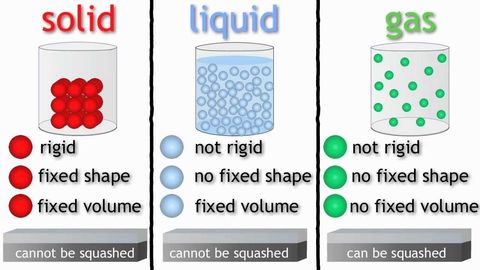
- 7RocksThe amount and type of minerals in a rock gives it its colour and its properties.
Sedimentary - (chalk) compacted sediments
Igneous - (granite) solidified lava
Metamorphic - (marble) ^^ changed by heat and pressure - 8WeatheringBiological, chemical, freeze-thaw, onion skin (heat, night, expand, contract),
plants transformed by heat and pressure for millions of years make coal - 9Forces and SpeedUnbalanced forces cause change in movement,
Friction opposes movement.
"Drag" is a general term for resistant forces.
Information
- Description
- Quick facts from every science topic in the current ks3 curriculum.
- Created by
- Rachael Davis
- Views
- 309
- Tags
- Rating