
Flashcards
FIN2601 - SU2 - Financial Statement and analysis
Cards in this deck (23)
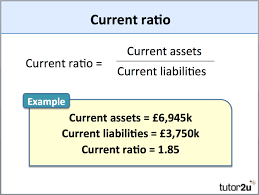
- 1Which formulas are found under Liquidity Ratios and what are their purpose1. Current Ratio
2. Quick Ratio (acid-test) ratio
to see the firms ability to satisfy short term obligations. - 2Formula for Current Ratio2:1 is good (2 assets for every 1 liability)
But take your industry and current history into account - 3Formula for Quick Ratio Also known as the acid test ratio1:1 is good (1 assets for every 1 liability)
But take your industry and current history into account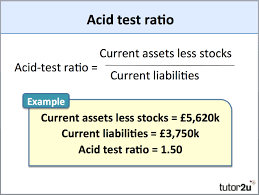
- 4Which Formulas are found under the Activity Ratio and what is its purpose.1. Average Collection Period
2. Average Payment Period
3. Inventory Turnover
4. Total Asset Turnover
to measure the speed to at which it converts accounts into sales or cash, - 5Formula for the Average Collection PeriodCompare with industry and history

- 6Formula for the Average Payment PeriodThe credit purchase amount is not readily available in the AFS. They will provide you with a % of Annual Purchases. Or use COS instead.

- 7Formula for Inventory TurnoverIt measures the liquidity of a firm's inventory.
Ave Age of Inventory = Inventory Turnover/365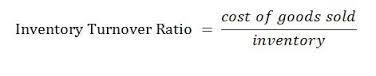
- 8Formula for Total Asset Turnover and what is the purposeIt indicates the efficiency with which assets are used to generate sales.
The greater the #, the greater the efficiency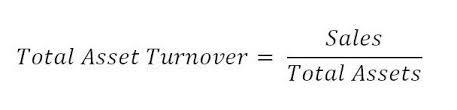
- 9Which Formulas are found under the Debt Ratio and what is its purpose.1. Debt Ratio
2. Times interest earned ratio
These ratios measure how much of my assets are being financed by creditor funds. - 10Formula for Debt RatioThe greater the debt, the greater the financial leverage, thus the greater the degree of indebtedness.

- 11Formula for Financial Leverage?debt/total assets
- 12Formula for Times Interest earned ratio as well as its purpose Also called Interest Coverage RatioIt measures the firms ability to make contractual interest payment.
A number between 3 and 5 is usually a good number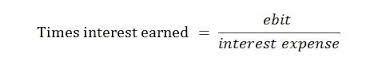
- 13Which Formulas are found under the Profitability Ratios and what is its purpose.1. Gross profit margin
2. Operating profit margin
3. Net profit margin
4. Earnings per share
5. Return on total assets
6. Return on equity
It evaluates the firms profitability - 14Formula for Gross Profit MarginThis formula tells you what % of sales remain after cost of sales has been paid for.

- 15Formula for Operating Profit MarginThis formula tells you what % of sales remain after operating expenses (not interest, tax and dividends) has been paid.
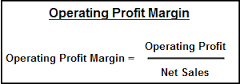
- 16Formula for Net Profit MarginThis formula tells you what % of sales remain after all expenses, including interest, tax and dividends has been paid.
Preference share dividends are listed in the statement of changes in equity and must be subtracted from profit.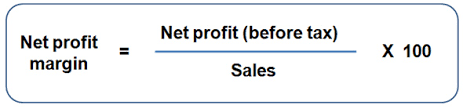
- 17Formula for EPS and its purposeThis formula measure the amount of money earned per outstanding share (issued ordinary shares)

- 18Formula for Return on Total Assets (ROA) and its purpose Also known as ROIThis measures how effective management is generating profits with the available assets.
The answer will translate to how many cents on each Rand of asset invested.
- 19Formula for Return on Common Equity (ROE) and its purposeThis measures the return earned and ordinary shareholder's investment.
The answer will translate to how many cents on each Rand of of ordinary shareholders' equity.
- 20Which Formulas are found under the Market Ratios and what is its purpose.1. Price/Earnings ratio
2. Market/Book ratio
It relates to the firm’s market value as measured by its current share price.
It gives insight as to how well investors in the market feel the company is doing in terms of risk and return. - 21Formula for Price/earnings (PE) Ratio and its purposeIt measures how much an investor is willing to pay for each rand a company earns.
The market price is the price at which ordinary shares are sold in the market.
- 22Formula for Book Value per ordinary share and its purposeWe need to calculate the book value in order to calculate the Market/book ratio

- 23Formula for Market/book (M/B) ratio and its purposeIt indicates how much investor are paying for each R1.00 of book value of shares.

Information
- Description
- FIN2601 - Financial Management Flashcards on FIN2601 - SU2 - Financial Statement and analysis, created by Marinda Steenkamp on 12/10/2016.
- Created by
- Marinda Steenkamp
- Views
- 33
- Rating